
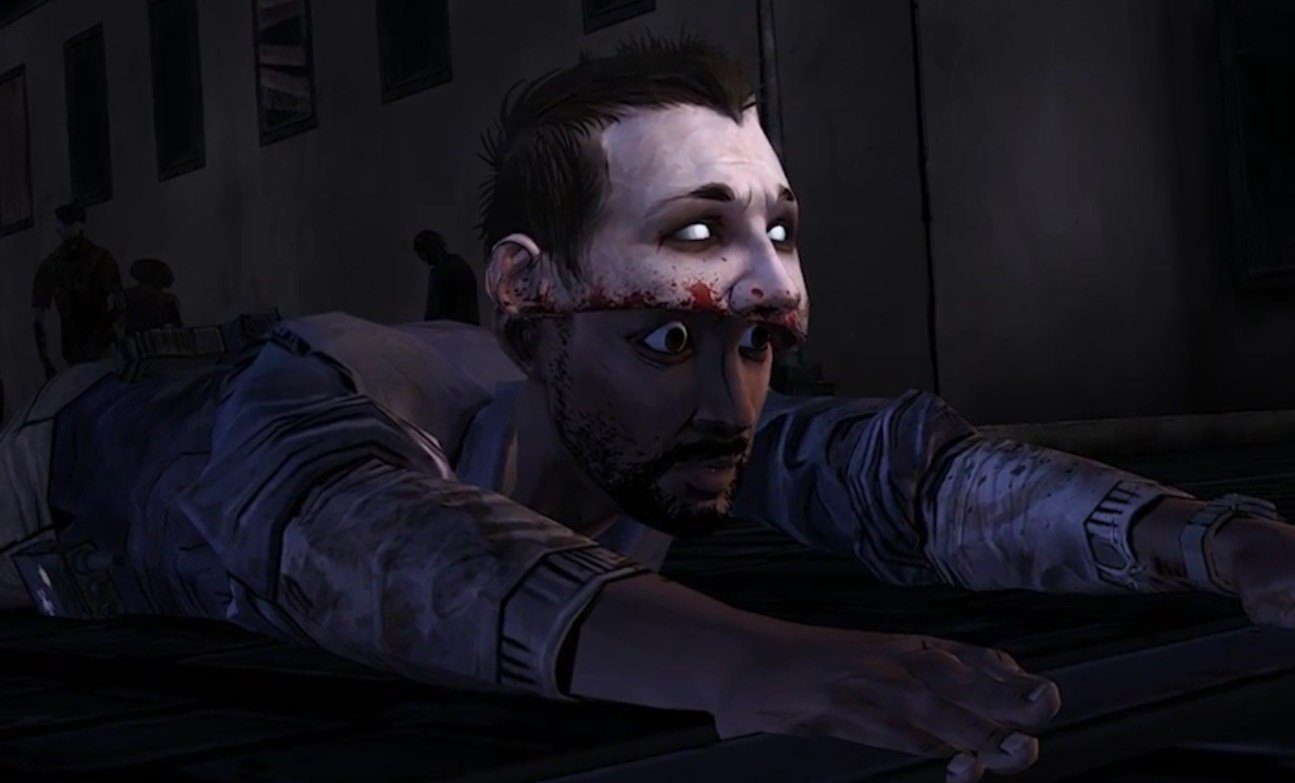
The Walking Dead Telltale games are considered canon within the overall Walking Dead universe, though their impact on the main comic/TV narrative is minimal.
Many fans wonder, is the walking dead telltale game canon? It’s a question that frequently surfaces in online discussions. Players become deeply invested in Clementine’s journey, so it’s natural to seek confirmation of its place within the larger story.
While these games offer a compelling experience, their relationship to the main series remains somewhat peripheral. They tell a mostly self-contained story. The games exist within the same world as the comics and show, adding depth to it.

Is The Walking Dead Telltale Game Canon?
Figuring out if the Telltale’s The Walking Dead game series is actually part of the main story, or “canon,” is a bit like solving a puzzle. It’s a question fans often ask because the game is so rich with characters and emotional stories. We’ve got the comics, the main TV show, spin-off shows, and then this incredible game series that feels so important. So, where does it fit in the grand scheme of The Walking Dead world? Let’s dive in and explore what makes it canon, or why it might not be.
Understanding “Canon” in The Walking Dead
Before we get too deep, let’s make sure we’re all on the same page about what “canon” even means. When we talk about something being canon in a story, we mean it’s part of the official storyline, like it actually happened in the universe of that story. Think of it like this: imagine a family tree. The canon stories are all part of that main tree. They all connect and happen within the same world. Non-canon stories, on the other hand, are more like a fun side branch – they might be interesting, but they don’t change the main story.
The Core Canons: Comics and TV Series
The original source material for The Walking Dead is the comic book series by Robert Kirkman. This is the foundation, the main trunk of our tree. The main TV series on AMC, while it deviates a bit from the comics, is also considered part of the main canon of the walking dead universe. It’s generally agreed upon that the things that happen in the comics and the main show are the official events in The Walking Dead story. These two are the core canons that all other stories are judged against.
Telltale’s The Walking Dead: A Unique Situation
The Telltale games offer a very different experience from the comics and show. Instead of watching or reading, you play! You make choices, and those choices impact the story and character’s lives. This makes the game feel very personal and significant. But, because these choices are unique to each player, it leads to the big question, is the game canon?
The Game’s Narrative: Choices and Consequences
One of the things that makes the Telltale games so special is the impact of player choices. Do you save one character over another? Do you lie or tell the truth? These decisions dramatically affect the game’s outcome. Because of this, it’s tricky to say that one player’s game experience is the same as another player’s, even though they’re experiencing the same storyline in the walking dead universe. This variability is a big hurdle when we’re talking about canon. Can a story with so many possibilities be officially part of the timeline?
Exploring the Characters
The main character of the first season, Lee Everett, and Clementine, who carries the series, are original characters. They are not part of the main comic book or TV show narratives. These characters along with numerous characters that are part of the game narrative, all have unique story arcs. Their tales are compelling, but their adventures are isolated to the game series. This further complicates its place in the overall Walking Dead universe.
Arguments For the Game Being Canon
Despite these complexities, some arguments support the idea of the Telltale games being canon:
- Shared World: The game takes place within the same world as the comics and TV show. The same rules apply: walkers exist, society has collapsed, and characters struggle to survive.
- Overlapping Timeline: The game’s timeline runs roughly parallel to the early events of the comic book series and season 1 of the TV show. There are no blatant timeline conflicts. It never contradicts any main events that happen in the comics or TV series.
- Consistent Themes: The game captures the essence of The Walking Dead, focusing on themes of survival, morality, and the human condition.
- Robert Kirkman’s Approval: Robert Kirkman himself, the creator of The Walking Dead, has said that the game is considered canon. While the events themselves might not be directly referenced, the game sits within the universe as a legitimate story.
Arguments Against the Game Being Canon
However, there are also strong arguments against considering the Telltale games as fully canon:
- Player Choice Variance: As we discussed, the biggest issue is the player choice. This results in countless different endings and outcomes, which makes it impossible to pick one true storyline that fits into the main canon. The core feature of the game, having different stories based on player choices, prevents the series from fitting into a fixed and consistent canon.
- Lack of Comic/TV Crossover: There’s no substantial crossover between characters from the comics or TV show and the game. No character from the main canon appears in the game and vise versa. While it exists in the same world, it’s very much separate.
- Standalone Narrative: The events in the game don’t impact the stories in the comics or TV show. They exist independently of the main narrative. The game is more of a “what if” scenario than a direct continuation of any established timeline.
- Kirkman’s Nuance: While Robert Kirkman has said the game is canon, his statements sometimes come with a hint of flexibility. He emphasizes that it exists in the same universe but doesn’t always specify that all events of the game are 100% part of the overall story.
The Grey Area: A “Soft” Canon
So, where does this leave us? The answer is a bit nuanced. It’s probably most accurate to say that the Telltale games occupy a kind of “soft” canon. What does “soft” canon mean? Well it means that, the game exists within the same universe as the main comic book and TV show, sharing the same world and rules. The characters and stories it presents are considered legitimate additions to the universe of the walking dead. However, the specific events and player choices in the game are not considered part of the core timeline of the comic book or the TV series. The game tells it’s own story and is important to many fans, but it doesn’t change the main Walking Dead story. Instead, they exist as a parallel narrative that adds depth and richness to the overall experience. It’s like the world of The Walking Dead has several stories within it, that may never overlap but are connected.
Think of it like an Anthology
An anthology is like a collection of short stories that may share a similar theme or world, but don’t necessarily intertwine. This is how the game should be considered. It is a unique story in the world of The Walking Dead. They’re part of the same overall world, but they stand on their own. You can enjoy them without them affecting the other story. They add to the lore, but they don’t rewrite the main story.
A Fan’s Perspective
Ultimately, whether or not you consider the game canon often comes down to your personal interpretation. Many fans cherish Clementine’s story as a vital part of The Walking Dead. They see it as just as important as Rick’s journey. They may want to treat the events of the game as canon even if they are not directly affecting the comics or tv shows. It’s a testament to the strength of Telltale’s storytelling that the game resonates so deeply with its fans. The emotional weight it carries makes it feel real and important. However, for some fans the lack of integration into the core story will cause them not to consider it canon.
The Impact on the Walking Dead Universe
Regardless of its official canonical status, the Telltale game has definitely influenced how people view The Walking Dead world. It has provided a unique perspective on the apocalypse, one that focuses on player agency and impactful character relationships. It’s a reminder that there are countless stories to be told in this universe, that extends beyond the main comics and tv show narratives.
A Summary of Key Points
| Aspect | Telltale Games | Core Walking Dead Canon (Comics/TV) |
|---|---|---|
| Storytelling | Choice-based narrative with multiple outcomes | Fixed narrative |
| Characters | Original characters (Lee, Clementine, etc.) | Established characters (Rick, Michonne, etc.) |
| Timeline | Runs roughly parallel, no major contradictions | Clear Timeline based on the order of events. |
| Crossovers | Minimal crossovers with comics/TV | Directly intertwined. |
| Impact | Standalone narrative, does not directly impact comics/TV story | Foundation of the main storyline |
| Canon Status | “Soft” Canon – exists within the universe, but events are not core canon | Main Canon. Official events of the Walking Dead Story |
In the end, the question of whether the Telltale games are canon is less about an absolute yes or no, and more about understanding its unique role within the wider Walking Dead universe. It’s a valuable experience that contributes to the depth of the lore, even if it is not directly part of the main story. It all depends on how you, the fan, choose to see it.
The Telltale games provide an emotional journey that deeply connects players to its characters and stories. While the stories it presents do not directly influence the main comics and TV show storylines, it does add an interesting dynamic and has gained the love of the fans. The games offer a different perspective on the same world, enriching the overall experience of The Walking Dead for those who play them. So, while it may not be considered a core canon event, its value and impact on the fans are undeniable.
RANKING THE WALKING DEAD TELLTALE GAMES
Final Thoughts
Ultimately, the question of is the walking dead telltale game canon remains complex. Robert Kirkman, creator of The Walking Dead, considers the games a separate continuity, not part of the comic’s core story. You must remember that, while the game’s events are engaging, they don’t impact the main narrative. Therefore, these experiences exist as their own compelling entity within The Walking Dead universe.

