
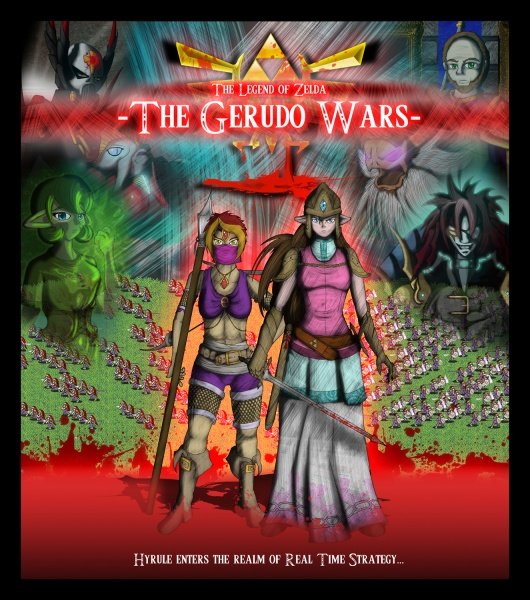
No, Zelda is not primarily a strategy game; it blends action-adventure with puzzle elements.
Debates often bubble up around categorizing games, and one question that pops up frequently is: is Zelda a strategy game? Many people consider the series action-adventure, highlighting combat and exploration. Others point to the puzzle-solving aspects, suggesting a more cerebral component.
However, while some planning is beneficial, the focus is definitely on real-time execution. The need for careful positioning and item usage doesn’t quite reach the level of strategic depth required by games explicitly labeled as “strategy”.

Is Zelda a Strategy Game?
Okay, let’s dive deep into a question that many fans of the Legend of Zelda series often ponder: Is it really a strategy game? At first glance, with Link running around, swinging his sword, and solving puzzles, it might not scream “strategy.” But, when you take a closer look, you’ll find that there’s more to these games than just quick reflexes. It’s not as straightforward as a real-time strategy game like Starcraft, or a turn-based strategy game like Civilization, but it has elements that get you thinking and planning in advance. So, let’s explore the strategic side of Zelda!
The Basics of Strategy in Games
Before we figure out if Zelda fits the bill, let’s chat about what “strategy” actually means in a video game. A strategy game usually involves a lot of planning and decision-making. It’s not just about button-mashing your way to victory. Think of it like a chess match – you need to think several steps ahead, plan your moves carefully, and adapt to what your opponent does. Strategy involves things like:
- Resource Management: Balancing your supplies, like arrows, rupees, or magical items.
- Tactical Decision-Making: Deciding when to fight, when to run, and what tools to use.
- Planning Ahead: Thinking about how your actions now will affect your journey later.
- Problem-Solving: Using your brainpower to overcome obstacles.
These elements are the bread and butter of strategy games, and we should see how much of these are present in the Zelda games.
Zelda’s Action-Adventure Core
The Zelda series is known as action-adventure games. This means a big part of the gameplay involves exploring the world, fighting monsters in real-time, and solving puzzles that usually involve finding keys or moving blocks. Games like Ocarina of Time, Breath of the Wild, and Tears of the Kingdom are great examples of this. You control Link directly, you can jump, run, climb, and fight by your own. These are not traditionally strategic. However, let’s not write off Zelda’s potential for strategy too quickly.
Combat Encounters: More Than Just Button-Mashing
While the combat in Zelda might appear straightforward, it’s more than just running and slashing. Take a boss battle, for instance. You can’t always win just by attacking non-stop. You need to figure out the boss’s weaknesses, predict its attacks, and figure out the right time and way to strike. This demands tactical planning.
- Observational skills: You must watch the enemy closely to learn patterns.
- Timing: A well-timed parry, dodge, or special attack is necessary for success.
- Resourceful Approach: Knowing when to use specific items, like bombs or arrows, is critical.
Think about the Lynels in Breath of the Wild or Tears of the Kingdom or a darknut from other series. You can’t just charge in; you need to think about your weapon choices, your armor, the terrain you’re fighting on, and your approach to the enemy. Sometimes, you can even use the environment to your advantage! This kind of engagement requires strategic thinking. It is not a pure strategy game but it uses some strategy elements within its combat.
Puzzle Solving: Strategy in Disguise
Zelda games are famous for their puzzles. They range from simple block pushing to complicated temple layouts. These puzzles often require you to think strategically about the environment.
Environmental Puzzles
Many Zelda puzzles involve manipulating the game world in specific ways. This can include activating switches in a particular order or using the right item at the right time. For instance, in many dungeons, you might have to light torches, move blocks, or use items like the Hookshot to navigate through the dungeon. This takes a strategic approach to finding solutions. It’s not about brute forcing your way through, but thinking about what is present on the environment and how can you use the objects, your skills and tools to proceed.
Inventory and Item Management
Even outside puzzles, the game often requires resource management. This aspect is very important in games like Breath of the Wild and Tears of the Kingdom. It becomes more evident as you gather different weapons, foods, elixirs, and armor. These games force you to think about what you need for a situation. Do you need fireproof armor for the volcanic region, or more stamina-boosting foods to travel through the open world? You cannot carry everything you collect as your inventory has limited space. So you have to make strategic choices. This goes deep into the inventory management and this is a crucial part of strategy gaming. So even though, it does not have strategy elements all the time, it has strategy elements in important situations.
- Weapon Durability: Deciding which weapons to use and when, since weapons can break.
- Consumables: Knowing when to use potions, food or elixirs.
- Armor Choices: Choosing the right armor for different environments.
- Item Usage: Finding the perfect timing and situations for each item.
The Strategic Open World of Zelda
Games like Breath of the Wild and Tears of the Kingdom show a different kind of strategy, especially with their open-world approach. You have to plan your path, decide where to go first, and figure out how to reach areas that might seem impossible. This open-ended approach gives room for strategic decision-making.
Planning Your Journey
In these games, the world is not laid out in a straight line. You’re often free to go wherever you please. However, rushing straight towards Hyrule Castle may not be the wisest course of action if you are just beginning the game. You may have to travel through many regions, collect the right gear, and enhance your abilities to challenge the end-game. The players need to decide on their own journey and set the goals for the current situations.
Making Use of the Environment
The environment itself becomes a strategic part of the game. You can use the weather to your advantage, start fires to create updrafts, or even use the terrain to sneak around enemy encampments. These decisions are very strategical in nature, so we can see that there is a deep aspect of strategy present in the open-world games of the series.
Shrines and Puzzles
The shrines scattered throughout Breath of the Wild and Tears of the Kingdom often test the player’s problem-solving ability through puzzles. Although small, these puzzles often require a different way of thinking to proceed, and the players often use their inventory in a creative way to proceed in the puzzles. As you need to use different skills and objects, your inventory becomes the core of your journey in the shrines.
Comparing Zelda to other Strategy Games
While Zelda has strategic aspects, it’s not a pure strategy game like Civilization, XCOM, or Age of Empires. Those games focus heavily on managing resources, building bases, and planning out entire battles on a larger scale. Zelda focuses more on individual adventures, real-time combat and puzzle solving. Therefore, comparing the strategic aspect with those games might be unfair. The level of strategy may not be as deep as in a traditional strategy game, but it still exists.
Table Comparison of Strategy Elements
| Element | Zelda | Traditional Strategy Games |
|---|---|---|
| Resource Management | Limited, mainly inventory-based | Central to gameplay, detailed and complex |
| Tactical Combat | Involves positioning and timing, often real-time | Often turn-based with unit management |
| Base Building | Not a core element in most games, though some features can be considered base building | A very important element in the gameplay |
| Large-Scale Planning | Focused on individual actions and immediate goals | Involves planning campaigns and long-term objectives |
| Problem Solving | Environmental and dungeon-based puzzles | Often involves economy and strategic planning |
So, Is Zelda a Strategy Game?
Here’s the deal: Zelda games do have elements of strategy. They require planning, decision-making, and problem-solving. You have to think about how to approach different encounters, what items to use, and how to move around the environment. But, the core gameplay is still action-adventure. You’re not building armies or managing empires; you’re controlling Link in real-time, exploring the world, and tackling challenges as you find them. We can say that Zelda games have a heavy portion of tactical elements, which also require a form of strategy.
Therefore, while Zelda is not a pure strategy game, it definitely incorporates strategic thinking. It combines action, adventure, and puzzle-solving elements with the need for some planning and tactical decision-making. This mixture gives the series a unique flavor that attracts many fans.
So, if you enjoy games that make you think on your feet and plan your moves, even if it’s not a traditional strategy game, you’ll find the Legend of Zelda has a lot to offer. It’s about more than just fighting and exploring, it’s about the journey you create, and the way you solve the many problems you will encounter on your adventure. The series is a mixture of different gaming concepts and strategy is one of them. Therefore, we can say that Zelda has strategy elements in it, making it more than just a simple action-adventure game.
The real-world influence of Nintendo’s newest hit ‘Legend of Zelda’ game
Final Thoughts
Zelda games primarily blend action, adventure, and puzzle elements. They emphasize exploration and combat skill, making quick decisions important. Players must plan routes and item usage sometimes. These mechanics do not fit the core definition of strategy games.
While a degree of planning exists, it’s less about long-term strategic thinking and more about immediate tactical choices. Is zelda a strategy game? The answer is mainly no; it is an action-adventure. The main element it presents is skillful player execution.

