
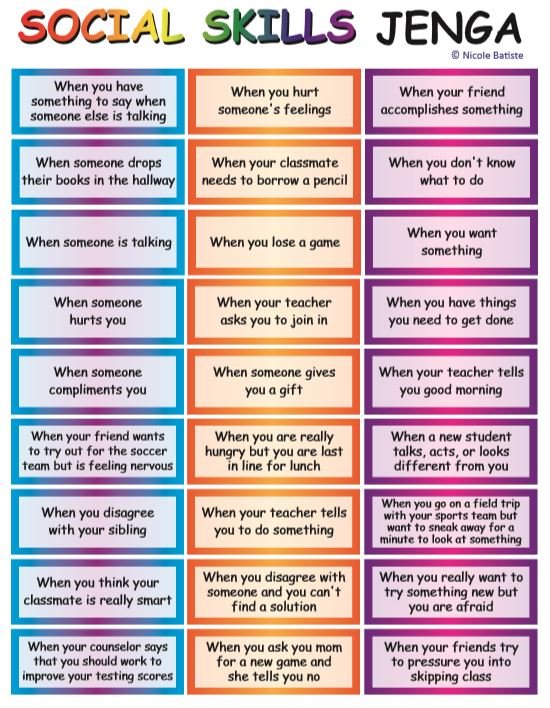
Jenga therapy game utilizes the familiar Jenga blocks to foster communication, emotional expression, and problem-solving skills in a therapeutic setting.
Ever thought a simple tower could hold the key to deeper conversations? It might sound surprising, but the jenga therapy game offers a playful way to explore feelings and work through challenges.
This isn’t just about preventing the tower from crashing. Each block can represent a question or prompt, guiding participants towards self-reflection and open dialogue. The game creates a relaxed atmosphere, making it easier to address sensitive topics.

Jenga Therapy Game: Building Bridges and Breaking Barriers
Jenga, the classic game of steady hands and strategic thinking, is now finding a new purpose in therapy. It is emerging as a valuable tool for therapists to connect with clients.
It provides a fun and engaging way to address a variety of emotional and behavioral challenges.
What is Jenga Therapy?
Jenga therapy uses the familiar game of Jenga as a vehicle for therapeutic interventions. It goes beyond the simple act of removing and stacking wooden blocks.
The game is modified to incorporate prompts, questions, or tasks written on each block.
These prompts are designed to encourage self-reflection, communication, and emotional processing.
Benefits of Using Jenga in Therapy
Jenga therapy offers several advantages over traditional talk therapy. It creates a less intimidating and more playful environment.
This can be particularly helpful for clients who are hesitant to open up or struggle with verbal expression.
Here are some key benefits:
- Reduced Anxiety: The familiar game format can help ease anxiety and create a sense of safety.
- Improved Communication: Prompts on the blocks encourage open and honest communication between clients and therapists.
- Enhanced Self-Awareness: The questions and tasks prompt clients to reflect on their thoughts, feelings, and behaviors.
- Increased Engagement: The interactive nature of the game keeps clients engaged and motivated.
- Development of Coping Skills: Jenga can be adapted to address specific challenges, such as anger management or social skills deficits.
How Jenga Therapy Works
The therapist typically customizes the Jenga game to meet the specific needs of the client or group. This involves writing prompts or questions on each block.
The prompts are designed to elicit responses related to the client’s therapeutic goals.
As players take turns removing blocks, they must answer the question or complete the task on the block.
This process facilitates discussion and exploration of relevant issues.
The instability of the tower mirrors the challenges and uncertainties of life.
This creates opportunities for clients to explore coping strategies and build resilience.
Jenga Therapy Prompts and Examples
The prompts used in Jenga therapy can vary widely depending on the therapeutic goals. They can be tailored to address specific issues such as anxiety, depression, relationship problems, or trauma.
Here are some examples of prompts that can be used:
- “Describe a time you felt proud of yourself.” This encourages self-reflection and positive self-perception.
- “What is one thing you are grateful for today?” This promotes gratitude and helps shift focus to positive aspects of life.
- “Share a challenge you are currently facing and how you are coping with it.” This encourages problem-solving and sharing of coping mechanisms.
- “What is one thing you like about yourself?” This fosters self-esteem and positive self-image.
- “Describe a situation where you felt anxious and how you handled it.” This encourages exploration of anxiety triggers and coping strategies.
- “What are your strengths?” Promoting self-awareness of personal strengths.
- “How do you typically handle conflict?” Exploring conflict resolution skills.
- “Share a positive affirmation.” Encouraging positive self-talk.
- “What are your boundaries?” Facilitating awareness of personal boundaries.
- “Name a person you trust and why.” Exploring the importance of trust in relationships.
Types of Jenga Therapy Games
Several variations of Jenga therapy games are available. These versions are designed for specific populations or therapeutic goals.
Here are a few examples:
Relationship Jenga
This version is designed for couples or family therapy. The prompts focus on communication, intimacy, and conflict resolution.
It aims to improve relationship dynamics by encouraging open and honest dialogue.
Anxiety Jenga
This game focuses on helping individuals manage anxiety. The prompts address anxiety triggers, coping mechanisms, and relaxation techniques.
It provides a fun and interactive way to learn and practice anxiety management skills.
Anger Management Jenga
This version helps individuals explore and manage their anger. The prompts focus on identifying anger triggers, developing coping strategies, and practicing assertive communication.
It provides a safe space to process anger and develop healthier ways of responding to challenging situations.
Self-Esteem Jenga
This game aims to improve self-esteem and self-confidence. The prompts encourage self-reflection, positive self-talk, and identification of personal strengths.
It helps individuals develop a more positive and accepting view of themselves.
Who Can Benefit from Jenga Therapy?
Jenga therapy can be beneficial for a wide range of individuals and groups. It is particularly effective for those who struggle with traditional talk therapy.
Here are some populations that can benefit:
- Children and Adolescents: The game format makes therapy more engaging and less intimidating for younger clients.
- Individuals with Anxiety or Depression: The prompts can help explore triggers, develop coping skills, and promote positive self-talk.
- Couples and Families: Jenga therapy can improve communication, resolve conflicts, and strengthen relationships.
- Individuals with Trauma: The safe and structured environment can help process traumatic experiences and build resilience.
- Groups: Jenga therapy can facilitate group discussions, promote teamwork, and build social skills.
Jenga Therapy for Children and Adolescents
Jenga therapy is often very effective for children and adolescents. Traditional therapy can sometimes feel intimidating or boring to younger clients.
Jenga’s playful nature can reduce anxiety and make the therapeutic process more enjoyable.
Prompts can be tailored to address common challenges faced by children and adolescents. These can include bullying, peer pressure, self-esteem issues, and family conflicts.
The game provides a safe and structured environment for young clients to express their feelings.
It also helps them develop coping skills and improve their communication.
Jenga Therapy for Couples and Families
Jenga therapy can be a valuable tool for couples and families seeking to improve their relationships. The prompts can be designed to address communication patterns, conflict resolution strategies, and intimacy issues.
The game encourages open and honest communication in a non-threatening environment.
It can help couples and families identify dysfunctional patterns and develop healthier ways of interacting.
The shared experience of playing the game can also promote bonding and create positive memories.
Jenga Therapy and Group Dynamics
Jenga therapy can also be used effectively in group settings. The game provides a framework for group discussions and activities.
It promotes teamwork, communication, and social skills development.
Prompts can be tailored to address common group challenges, such as conflict resolution, trust-building, and goal setting.
The interactive nature of the game encourages participation and engagement from all group members.
Adapting Jenga Therapy for Different Needs
One of the great things about Jenga therapy is its flexibility. Therapists can easily adapt the game to meet the unique needs of their clients.
This involves customizing the prompts, rules, and variations of the game.
For example, a therapist working with a client who has social anxiety might create prompts that focus on social skills and communication strategies.
A therapist working with a client who has experienced trauma might use prompts that focus on grounding techniques and emotional regulation.
The possibilities are endless, and the key is to be creative and responsive to the client’s needs.
DIY Jenga Therapy: Creating Your Own Game
You don’t have to be a therapist to create your own Jenga therapy game. Anyone can create a personalized game for personal growth, family fun, or even team-building activities.
Here’s how to get started:
- Gather Your Materials: You’ll need a Jenga set and a permanent marker.
- Brainstorm Prompts: Think about the specific goals you want to achieve with the game. Are you looking to improve communication, build self-esteem, or manage stress?
- Write the Prompts: Write one prompt on each block using the permanent marker.
- Play the Game: Gather your family, friends, or team members and start playing! Encourage open and honest communication as you take turns answering the prompts.
- Reflect and Discuss: After the game, take some time to reflect on the experience and discuss any insights or learnings that emerged.
Jenga Therapy vs. Traditional Therapy
Jenga therapy is not meant to replace traditional therapy. It is a complementary tool that can enhance the therapeutic process.
Here’s a comparison of Jenga therapy and traditional talk therapy:
- Engagement: Jenga therapy tends to be more engaging and interactive than traditional talk therapy, especially for children and adolescents.
- Accessibility: The game format can make therapy more accessible and less intimidating for clients who are hesitant to open up.
- Focus: Jenga therapy can be more focused and structured than traditional therapy, as the prompts provide a clear framework for discussion.
- Depth: Traditional therapy may allow for a deeper exploration of complex issues, as it is not limited by the constraints of the game format.
- Flexibility: Jenga therapy is highly adaptable and can be tailored to meet the specific needs of individual clients or groups.
Ultimately, the best approach will depend on the individual client’s needs and preferences. Some clients may benefit from a combination of both Jenga therapy and traditional talk therapy.
Ethical Considerations in Jenga Therapy
As with any therapeutic intervention, it is important to consider ethical implications when using Jenga therapy. Therapists must ensure that they are using the game in a way that is safe, ethical, and appropriate for their clients.
Here are some key ethical considerations:
- Confidentiality: Therapists must maintain client confidentiality, even during game play.
- Informed Consent: Clients should be informed about the nature of Jenga therapy and its potential benefits and risks.
- Boundaries: Therapists must maintain appropriate professional boundaries and avoid any dual relationships with clients.
- Competence: Therapists should only use Jenga therapy if they have the necessary training and competence.
- Cultural Sensitivity: Therapists should be aware of cultural differences and adapt the game accordingly.
The Future of Jenga Therapy
Jenga therapy is a relatively new but promising approach to therapeutic intervention. As more research is conducted and more therapists become trained in its use, it is likely to become an increasingly popular and widely accepted therapeutic tool.
The potential for adapting Jenga therapy to address a wide range of mental health challenges is significant.
With creativity and innovation, Jenga therapy can continue to evolve and improve the lives of many individuals and families.
Game Series | Jenga | Pediatric Occupational Therapy
Final Thoughts
In essence, the Jenga therapy game provides a novel approach. It helps individuals address underlying issues with play.
This method promotes communication and builds rapport within a therapeutic setting. The engaging nature allows for exploration of emotions and behaviors.
Jenga therapy game offers a unique, interactive, and potentially revealing experience.

