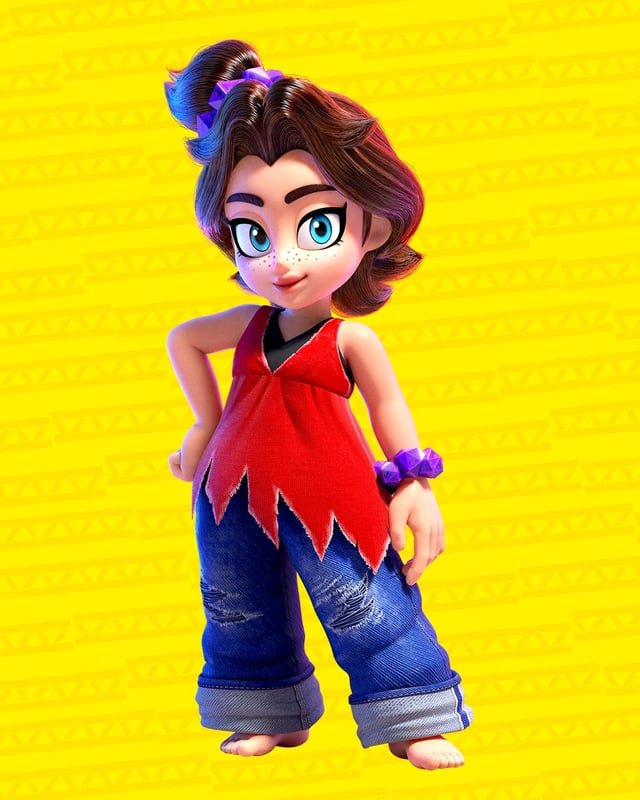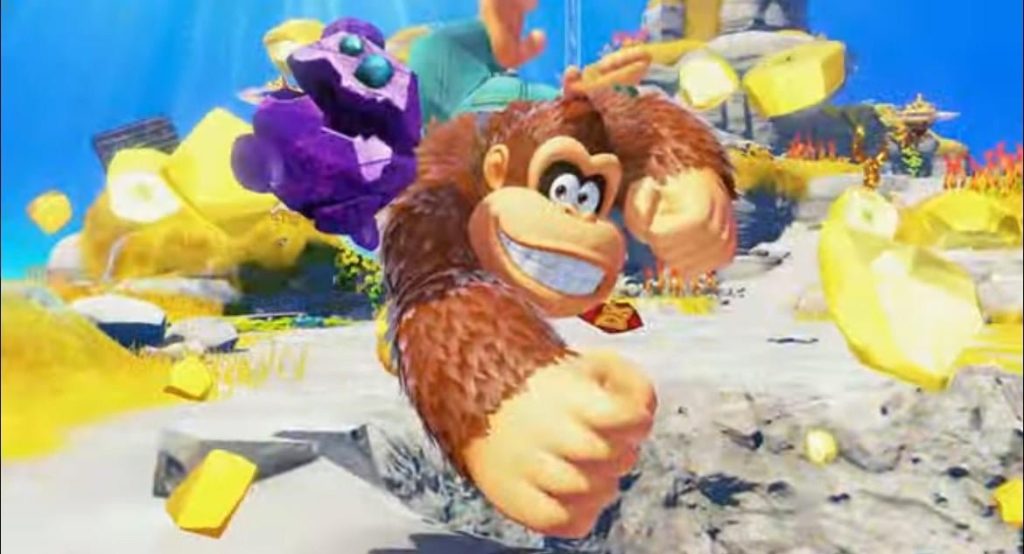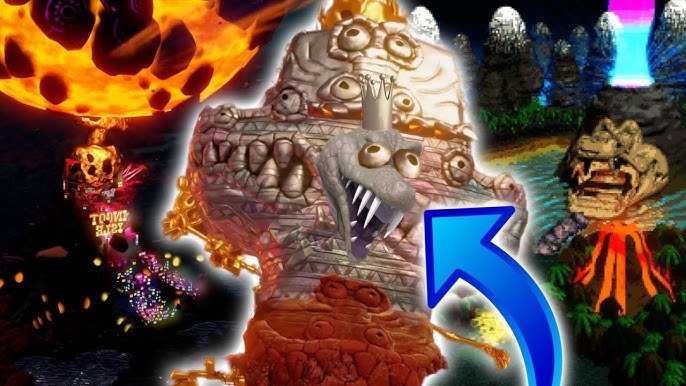
King K. Rool Donkey Kong Bananza celebrates King K. Rool’s impact across the Donkey Kong franchise, highlighting his memorable appearances and enduring villainy.
King K. Rool remains one of gaming’s most iconic villains, a true menace to the Kong family. His distinct laugh and various alter egos always make a significant impact whenever he appears. Fans eagerly await his next dastardly plan.
This article dives deep into the incredible legacy of this Kremling king. We explore what makes the ‘king k rool donkey kong bananza’ such a beloved topic among fans, celebrating his chaotic contributions to the Donkey Kong universe. Get ready to revisit some classic moments.

King K Rool Donkey Kong Bananza
The Genesis of a Royal Reptile: King K. Rool’s Origins
King K. Rool burst onto the video game scene in 1994, making his notorious debut as the primary antagonist in Rare’s groundbreaking Donkey Kong Country. This initial appearance firmly established him as the tyrannical leader of the Kremling Krew. His immediate objective was to plunder the Kongs’ invaluable banana hoard, setting the stage for an epic confrontation.
K. Rool’s menacing presence and his audacious theft became the central conflict of the entire game. Players immediately understood the stakes as Donkey Kong and Diddy Kong embarked on their quest to reclaim the stolen fruit. The game culminated in a memorable showdown against the Kremling King himself.
A Villain of Many Faces: K. Rool’s Aliases and Evolutions
King K. Rool is not content with a single identity; throughout his history, he has adopted various disguises and personas, each more outlandish than the last. These transformations reflect his cunning and his persistent, albeit often failing, attempts to conquer the Kongs. His shape-shifting nature makes him a uniquely unpredictable foe in the Donkey Kong universe.
Each new alias presented a fresh challenge to Donkey Kong and his allies, complete with different tactics and lair designs. This evolution kept players on their toes, never quite knowing what form the nefarious crocodile would take next. His ability to reinvent himself has become a hallmark of his villainy.
Kaptain K. Rool: The Pirate Scourge
In Donkey Kong Country 2: Diddy’s Kong Quest, King K. Rool assumed the role of Kaptain K. Rool, a ruthless pirate captain. His new moniker came with a distinct pirate regalia, complete with a tricorne hat and a blunderbuss. His motivation shifted from mere theft to kidnapping, as he abducted Donkey Kong himself.
This transformation marked a significant escalation in his villainy, pushing Diddy Kong and Dixie Kong to become the new heroes. The game featured two iconic boss battles against Kaptain K. Rool, both taking place on his formidable airship, the Flying Krock. These encounters tested players’ agility and strategy to their limits.
Baron K. Roolenstein: The Mad Scientist
Donkey Kong Country 3: Dixie Kong’s Double Trouble! introduced yet another bizarre incarnation: Baron K. Roolenstein. This time, the villain donned the persona of a deranged scientist, complete with goggles and a lab coat. He established his new base in the Northern Kremisphere, a stark contrast to his previous tropical and piratical settings.
Baron K. Roolenstein’s focus was on bizarre experiments and monstrous machinery, culminating in the creation of the colossal robot, Knautilus. The final battle against him involved dismantling his elaborate inventions and navigating his electrically charged laboratory. This persona showcased K. Rool’s diverse intellect and madness.
King Krusha K. Rool: The Boxer
Donkey Kong 64 brought King K. Rool back, but not as players had entirely remembered him. Here, he presented himself as King Krusha K. Rool, a formidable boxer ready to take on the entire Kong family in a grand arena. This multi-stage boss fight was one of the longest and most complex in the series’ history.
Each of the five playable Kongs had a unique role in defeating him, requiring players to master all their individual abilities. This incarnation highlighted K. Rool’s sheer physical power and his willingness to engage in direct combat. The boxing match remains one of the most memorable boss encounters in gaming history.
K. Rool’s Return and Other Incarnations
Beyond the main console trilogy and Donkey Kong 64, King K. Rool made appearances in the Donkey Kong Land handheld series, retaining his primary antagonist role. He also had cameos or minor roles in games like Donkey Konga and Mario Super Sluggers. These appearances cemented his status as the enduring archenemy of the Kongs.
His most anticipated return, however, came much later in Super Smash Bros. Ultimate, where he joined the roster as a playable fighter. This inclusion reignited fan excitement for the character and brought him to a massive new audience. His presence in various games underscores his significance to the Donkey Kong franchise.
The Grand Encounters: Deconstructing King K. Rool’s Boss Battles
The battles against King K. Rool are legendary, each one a unique test of skill, patience, and pattern recognition. From his earliest appearances, Rareware ensured that his boss fights were memorable and climactic. Analyzing these encounters reveals the evolving design philosophy behind the Donkey Kong Country series’ most iconic villain.
Each confrontation required a distinct strategy, forcing players to adapt to K. Rool’s ever-changing tactics and forms. These multi-phased battles contributed significantly to the challenge and replayability of the games. They served as thrilling conclusions to the Kongs’ arduous journeys.
Donkey Kong Country: The Original Showdown
The first battle against King K. Rool took place on the Gangplank Galleon, his imposing pirate ship. This fight had multiple phases, challenging players to react quickly to his attacks. K. Rool would initially throw his crown, which players had to jump on to damage him.
He also performed a deceptive jump that shook the screen, dropping projectiles or stunning the Kongs. A clever feint at the end, where he seemingly falls defeated, only to rise for one last desperate charge, cemented his cunning nature. This final phase required precise timing to land the decisive blow.
Donkey Kong Country 2: High Seas Havoc
Kaptain K. Rool’s boss battles were arguably even more dynamic, starting with the first encounter on the Gangplank Galleon. Here, K. Rool wielded his blunderbuss, firing various projectiles, including cannonballs and a cloud of poison gas. Players had to use the returning cannonballs against him, throwing them back into his mouth.
The true climax came during the second fight aboard the Flying Krock, a thrilling aerial chase. K. Rool, now equipped with a jetpack, used his blunderbuss to suck up and spit out barrels and other objects, including the heroes. Diddy and Dixie had to use the DK Barrel cannon on the ship to fire themselves into K. Rool’s jetpack. This multi-stage battle was a testament to the game’s creativity.
Donkey Kong Country 3: Mechanical Mayhem
Baron K. Roolenstein’s battle was a masterclass in mechanical villainy, taking place in his electrifying laboratory. This fight involved avoiding various electrical hazards and using strategically placed Krock-head machines to launch a steel ball at him. K. Roolenstein himself was encased in a protective suit, making direct attacks impossible.
The battle progressed through several phases, each increasing in complexity and danger, as he piloted his various contraptions. His final form, the giant Knautilus, required players to disable his life support systems by aiming for the exposed tubes. This confrontation truly showcased K. Rool’s scientific madness and ingenuity.
Donkey Kong 64: The Ultimate Gauntlet
The final confrontation in Donkey Kong 64 was an epic, multi-stage boxing match against King Krusha K. Rool in the Hideout Helm arena. Each of the five Kongs had a specific task to perform to damage him, making it a true test of the player’s mastery of all characters. The battle was divided into rounds, each focusing on a different Kong’s abilities.
For instance, Donkey Kong had to throw explosive barrels, Diddy Kong had to use his Peanut Popguns, and Lanky Kong had to use his OrangStand to avoid a shockwave. Tiny Kong used her Pony Tail Twirl to dodge and slam her down, while Chunky Kong unleashed his Primate Punch to finish K. Rool off. This lengthy and varied battle provided a fitting conclusion to the largest Donkey Kong game to date, offering a unique and challenging experience.
The King’s Arsenal: Signature Attacks and Weaknesses
King K. Rool’s diverse fighting style across his various appearances is a testament to his adaptability as a villain. He rarely repeats the same tactics, forcing the Kongs to constantly learn and evolve their strategies. Despite his varied approaches, some common themes and weaknesses emerge in his arsenal and vulnerabilities.
His reliance on various projectiles and his often-exposed belly are recurring motifs. Players must observe his patterns closely and identify the opportune moments to strike. Understanding his typical attack sequences is key to overcoming his powerful onslaughts.
- Crown Toss: K. Rool frequently throws his iconic crown as a boomerang-like projectile, which can sometimes be jumped on to inflict damage.
- Blunderbuss Shots: As Kaptain K. Rool, he uses his blunderbuss to fire cannonballs, smoke, or even suck up and spit out items, including the Kongs themselves.
- Ground Pound: A classic move where K. Rool jumps and lands with force, shaking the screen and sometimes causing objects to fall or stunning the Kongs.
- Electrical Attacks: As Baron K. Roolenstein, he incorporates various electrical traps and energy beams from his mechanical suits and laboratory.
- Boxing Punches: In Donkey Kong 64, he uses powerful jabs, hooks, and uppercuts as part of his boxing repertoire.
- Shockwave: A wide-ranging attack, often performed by a ground pound or a special move, that requires jumping to avoid.
Despite his formidable power and cunning, K. Rool often has specific vulnerabilities that players must exploit. His ego or momentary exposure typically lead to his downfall. Discovering these weak points is part of the strategic fun of battling him.
- Belly: His large, often exposed belly is a frequent target, requiring players to jump on it or hit it with projectiles.
- His Own Attacks: Many of his projectiles, like cannonballs or his crown, can be used against him if timed correctly.
- Gadget Weaknesses: In his Baron K. Roolenstein form, his machinery often has exposed weak points, like tubes or power cores.
- Specific Character Abilities: In Donkey Kong 64, only particular Kongs with their unique moves can harm him at certain stages.
- Post-Attack Vulnerability: He often has a brief period of recovery or dazedness after a powerful attack, leaving him open.
K. Rool’s Royal Court: The Kremling Empire
King K. Rool’s power isn’t solely derived from his own might; he commands a vast and diverse army known as the Kremlings. These reptilian foot soldiers form the backbone of his empire, populating every level of the Donkey Kong Country games. They serve as loyal, albeit often incompetent, enforcers of his will.
The Kremlings come in many forms, each with unique abilities and threats. From the basic Kritters to the barrel-tossing Klumps and the explosive Kasplats, they add depth and variety to the game’s enemies. Their collective presence underscores K. Rool’s authority and reach throughout Donkey Kong Island and beyond.
Beyond the Bananas: K. Rool’s Cultural Impact and Legacy
King K. Rool has transcended his role as a mere video game villain to become a significant cultural icon within the Nintendo community. His distinct design, memorable boss battles, and recurring presence cemented his place in gaming history. For many, he represents the pinnacle of Rareware’s character design during the SNES era.
Fans have long clamored for his return, particularly in major Nintendo crossover titles. This sustained demand speaks volumes about his enduring popularity and the lasting impression he left on players. His legacy extends far beyond the stolen bananas.
King K. Rool in Super Smash Bros. Ultimate: A Champion’s Return
The reveal of King K. Rool as a downloadable content (DLC) character for Super Smash Bros. Ultimate was one of the most celebrated announcements in the game’s history. After years of fan petitions and speculation, the Kremling King finally joined Nintendo’s elite fighting roster. His inclusion was met with overwhelming enthusiasm, marking a triumphant return to the spotlight.
This moment not only validated years of fan dedication but also introduced K. Rool to a new generation of players. His presence in Smash Bros. offered a fresh take on his classic abilities and celebrated his rich history. The anticipation surrounding his release was palpable throughout the gaming community.
The Character’s Inclusion and Fanfare
The “Smash Bros. Ultimate – King K. Rool Reveal Trailer” debuted during an August 2018 Nintendo Direct, generating immediate hype. The trailer humorously played on fan expectations, initially teasing the inclusion of other Donkey Kong characters before revealing the long-awaited villain. This clever marketing amplified the excitement surrounding his official confirmation.
His inclusion represented a victory for the passionate Smash Bros. community, who had persistently advocated for his addition. K. Rool quickly became one of the most played and discussed DLC characters upon his release. His unique moveset and authentic representation of his character delighted both long-time fans and newcomers to the Donkey Kong universe.
Moveset Analysis: A King’s Tools
King K. Rool’s moveset in Super Smash Bros. Ultimate expertly blends elements from his various appearances, creating a unique and formidable heavyweight fighter. His attacks often utilize his signature tools and his deceptive nature. His playstyle revolves around powerful attacks, super armor, and tricky projectiles.
His moveset perfectly captures his essence as a cunning and powerful foe. Players can employ a mix of long-range attacks and devastating close-quarters combat. This versatility makes him a challenging opponent and a rewarding character to master.
- Blunderbuss (Neutral Special): K. Rool fires a cannonball from his iconic blunderbuss. Holding the button allows him to suck in opponents and then fire them out.
- Crownerang (Side Special): He throws his crown as a boomerang, which can hit opponents on its way out and back. The crown can also be picked up by other players.
- Propellerpack (Up Special): K. Rool uses a propeller backpack, reminiscent of his Flying Krock appearance, to gain vertical recovery. The move can be angled.
- Counter (Down Special): K. Rool adopts a boxing stance, and if hit, he performs a powerful counterattack, inspired by his Donkey Kong 64 persona.
- Gut Check (Standard Attack/Tilts): Many of his standard attacks involve his large belly, often granting him super armor, allowing him to absorb hits without flinching.
- King K. Rool’s Ship (Final Smash): K. Rool summons his Gangplank Galleon and fires a giant cannonball, launching opponents into the ship for a massive explosion.
Strategies and Matchups in Smash Bros.
Playing as King K. Rool in Super Smash Bros. Ultimate typically involves controlling space and punishing opponents with his heavy hits. His Blunderbuss and Crownerang provide excellent zoning and edge-guarding tools. His super armor on many attacks makes him difficult to interrupt.
However, his large hitbox and slow movement speed make him vulnerable to faster, more agile characters. Players need to effectively utilize his counter and projectiles to maintain pressure and set up K.O. opportunities. Understanding his strengths and weaknesses in various matchups is crucial for competitive play.
The Enduring Appeal of the Kremling King
King K. Rool’s enduring appeal lies in his multifaceted personality and his significant role in the Donkey Kong lore. He isn’t just a generic antagonist; he’s a charismatic, often comical, and consistently dangerous foe. His various transformations and increasingly elaborate schemes demonstrate a villain who constantly tries to one-up himself.
His iconic design, from his gold crown to his imposing size, makes him instantly recognizable. The demand for his continued presence in games showcases how deeply he has resonated with fans over the decades. He embodies the perfect balance of menace and quirky humor.
A Look Back at the Donkey Kong Country Saga Through K. Rool’s Eyes
King K. Rool’s presence significantly shaped the narrative and gameplay evolution of the original Donkey Kong Country trilogy and Donkey Kong 64. Each game’s progression was intrinsically linked to K. Rool’s latest scheme and his ever-changing identity. His villainy pushed the Kongs to new limits and explored different facets of their world.
From the tropical paradise of Donkey Kong Island to the perilous Northern Kremisphere, K. Rool’s influence was ever-present. His boss battles served as dynamic culminations of each game’s challenges, testing all the skills players had acquired. He was not just an end boss but a driving force behind the entire adventure.
The Art and Sound of K. Rool: Design and Musical Themes
King K. Rool’s character design is a masterclass in villainous aesthetics, combining reptilian features with regal and often comical accessories. His signature crown, eye patch, and massive golden belly are instantly recognizable. His transformations across games consistently offered fresh visual interpretations while retaining his core identity.
Equally iconic are his musical themes, which are some of the most memorable in video game history. Tracks like “Gangplank Galleon,” his boss theme from the original Donkey Kong Country, perfectly capture his menacing and bombastic nature. These themes are ingrained in the minds of fans and contribute significantly to his powerful presence.
5 Best Reasons To Believe King K. Rool Is Back In Donkey Kong Bananza!
Final Thoughts
King K. Rool brings a unique blend of challenge and fun to the Donkey Kong universe. His dynamic moves and boss battles always keep players engaged. We eagerly anticipate more of his memorable appearances.
The energy and chaos he adds make “king k rool donkey kong bananza” a true highlight. Fans consistently praise his impact on the series’ gameplay and story. His presence truly defines those adventures.