
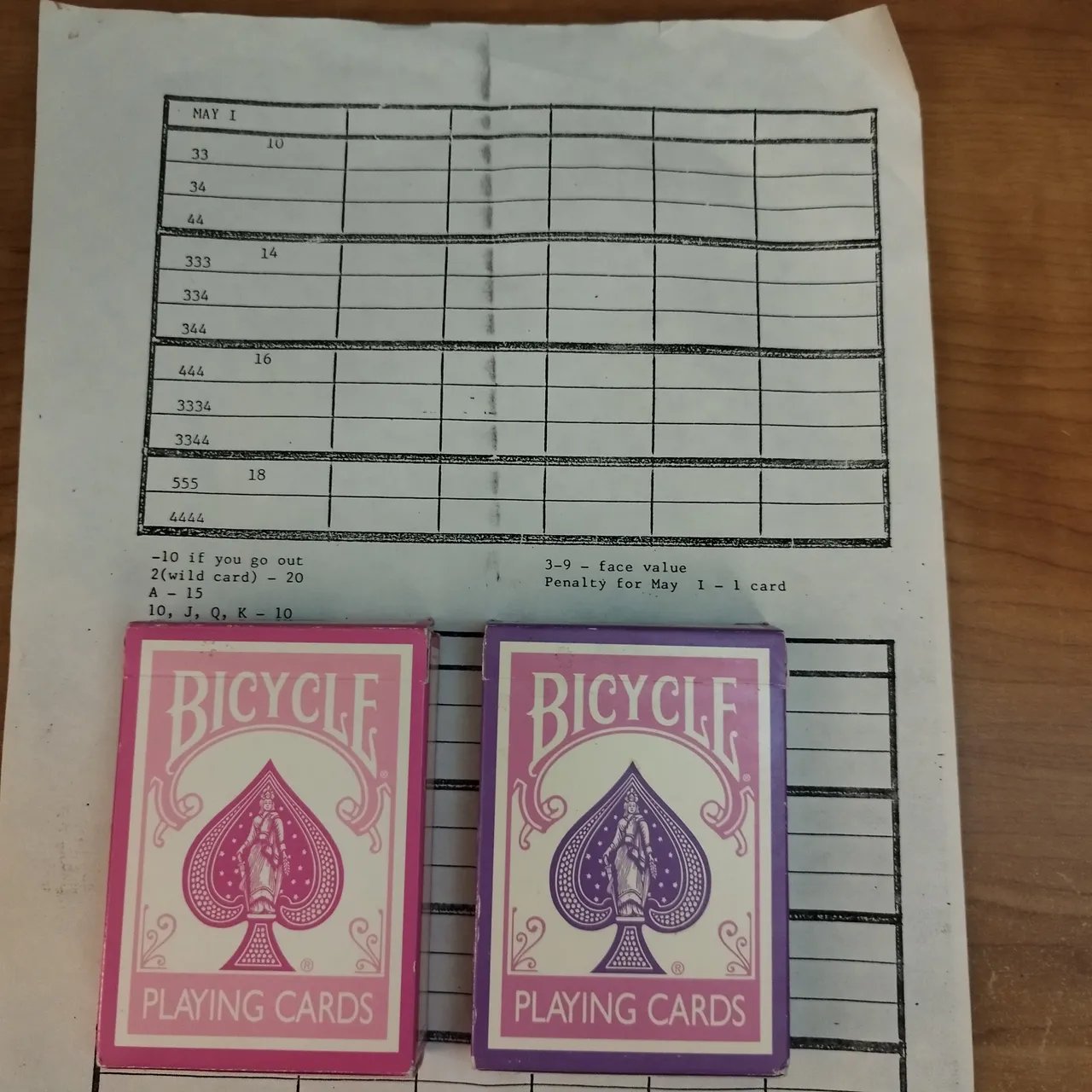
The may i card game rules involve matching cards by rank or suit, aiming to be the first to empty your hand.
Ever heard whispers about a simple yet engaging card game? Well, you might be thinking of “May I,” a game that’s easy to learn and quick to play. The may i card game rules are really straightforward, making it a favorite for families and casual get-togethers.
This game focuses on getting rid of all your cards as quickly as you can. Players must match the top card of the discard pile, which is all part of the fun.

May I Card Game Rules: A Comprehensive Guide
Ever wanted a card game that’s easy to learn but still exciting? Then you’ve come to the right place! The “May I” card game is a super fun game that you can play with your family and friends. It’s all about collecting sets of cards. Let’s dive into how it all works, step-by-step.
Setting Up the Game
Before you can start playing, you need to get everything ready. Here’s what you need:
- A Deck of Cards: You’ll need a standard 52-card deck. It doesn’t matter if it’s brand new or a little used.
- Players: The game is best with 2 to 6 players. More than 6 might make it a little crowded.
- The Deal: Choose someone to be the dealer. The dealer will shuffle the deck well.
- How Many Cards?: The number of cards each player gets depends on how many people are playing:
- 2 players: Each gets 10 cards.
- 3-4 players: Each gets 7 cards.
- 5-6 players: Each gets 5 cards.
- The Stockpile and Discard Pile: After dealing, the dealer puts the remaining cards face-down in the middle to create the stockpile. The dealer turns over the top card from the stockpile and places it next to the stockpile, starting the discard pile.
Understanding Card Values
In “May I,” suits (hearts, diamonds, clubs, spades) don’t matter for most of the game. It’s all about the rank (number or face value) of the cards. Here’s a quick rundown:
- Number Cards: Cards 2 through 10 are worth their face value.
- Face Cards (Jack, Queen, King): These are worth 10 points each.
- Aces: Aces can be worth 1 point or 11 points, depending on what helps you the most (more on this later).
Gameplay: The Turn-by-Turn Action
Once you’re all set up, the game begins. Players take turns in a clockwise direction. Here’s what happens on each turn:
1. Drawing a Card
At the beginning of your turn, you must pick up one card. You have two choices:
- Draw from the Stockpile: Take the top card from the face-down pile.
- Take the Top Discard: If you like the card on the discard pile, you can pick it up instead.
2. Making Melds (Sets)
The main goal of “May I” is to collect sets, called melds. A meld is a group of three or four cards of the same rank. For example, three 7s or four Kings would be a meld. You can only lay down your melds if you have a complete set of three or four cards.
- Laying Down Melds: If you have a meld, you can lay it face-up on the table in front of you. You can lay down as many melds as you have on your turn.
- Adding to Existing Melds: If another player has already placed down a meld, and you have another card that matches it, you can add your matching card to their set.
3. Discarding a Card
After you’ve drawn a card and laid down any melds you want to lay, you must end your turn by discarding one card from your hand. Place it face up on the discard pile. You can discard any card in your hand.
Going Out: Winning the Round
The round ends when one player “goes out.” This happens when a player has no more cards in their hand after making melds and discarding. Here’s how it works:
- Making a Final Meld: After laying down your melds, if all your cards are part of a set, you can discard your last card and go out.
- If You Can’t Go Out: If you don’t have all your cards in melds, you must discard a card and end your turn.
- No More Stockpile: If the stockpile runs out, you should keep playing. However, when the next player has to draw a card from the stock, turn the cards in the discard pile over (without shuffling) and start a new stockpile. You should not reshuffle the discard pile.
Scoring: Counting the Points
After someone goes out, it’s time to count the scores. Players count the cards that are left in their hands. Here’s how to calculate scores.
Card Point Values
Remember those card values we talked about earlier? It’s time to use them.
- Number Cards: Count at face value (2 = 2 points, 5 = 5 points, etc.).
- Face Cards: Jack, Queen, and King are worth 10 points each.
- Aces: Can be 1 point or 11 points. You want to count it as 1 if that’s beneficial for the game play, or if it will help you reduce your total score.
Adding Up the Points
Each player adds up the point values of the cards left in their hands. The player who went out gets zero points for that round. All other players get their total point count. Note that, when a player discards the last card in the discard pile and has no more cards in their hands, then they will get zero points, even if they haven’t placed down any cards in melds. Write down the score for each player.
Keeping Track and Winning the Game
You can play as many rounds as you want. Players usually keep track of their score on a piece of paper or in a notebook. Usually, the first person to reach 100 points loses the game, and the person with the lowest point total is declared the winner. However, you can choose any amount of points that you wish, which is more suitable for your game play.
Advanced “May I” Strategies
Once you’ve played a few times and understand the basic rules, here are some strategies that might help you win:
Watching the Discard Pile
Pay attention to what other players are discarding. This will give you a sense of the kinds of cards they have. You may be able to guess what cards they need to complete their melds. Also, avoid discarding the card, which may help your opponent’s score.
Saving Aces Wisely
Because aces can be either 1 or 11 points, it’s best to keep them until the end if possible. Sometimes, it can be beneficial to keep a lower valued ace to get a good meld, but you will need to pay close attention to how you are playing the game to ensure you are not keeping higher points to get a low valued meld.
Making Strategic Discards
Try to discard cards that others will not likely want or need. If you know someone has already discarded several cards of one rank, then you should discard that card that doesn’t match, as others may not be needing it.
Adding to Other Players’ Melds
Don’t be afraid to add to others’ melds if it helps you go out. Sometimes it’s better to give a point or two away to others if it means you will have no cards at the end of your turn.
Variations of May I
Like many card games, “May I” has some fun variations you can try. These changes can add an extra twist to the game:
Wild Cards
Some people like to use wild cards, like 2’s or Jokers, that can stand in for any card in a meld. Before beginning the game, decide if you will be using wild cards or not.
Different Point Goal
Instead of playing to 100, you can play to a lower number, like 50, for a faster game, or a higher number, like 200, for a longer one. You can also decide to play to a pre-determined number of rounds.
No Adding to Melds
Some people don’t allow adding to others’ melds. You can only lay down your own complete sets. You may find this to be beneficial in playing against several players.
The Discard Pile Draw Rule
Some variations say that if you draw a card from the discard pile, you must use it to lay down a meld, or you can’t use it at all. If you have no meld to play the card with, then you won’t be able to pick from the discard pile.
Why “May I” is a Great Game
“May I” is a fantastic card game because it’s easy to learn, but it also keeps you thinking. Here are some reasons why it’s a good choice:
- Easy to Understand: The basic rules are simple, making it great for players of all ages.
- Fun for Everyone: Whether you’re a kid or an adult, you can enjoy this game.
- Quick Rounds: Games can be short, making it perfect for quick play.
- Strategy Involved: While easy to learn, it has enough strategy to keep you engaged.
- Social Game: It’s great to play with family and friends.
“May I” is a card game that combines a little bit of luck with some thinking skills, making it a fun choice for card game nights, family game times, or anytime you just want a simple game to play. So, grab a deck of cards and give it a try!
Now that you have explored all the rules and variations of the “May I” card game, you should be set to gather your friends and family to play the game. With its straightforward gameplay and engaging aspects, “May I” will bring joy to your game nights.
7 Rules You May Have Missed In UNO The Card Game – How To Play Correctly
Final Thoughts
In short, remember that your goal is to match a card from your hand with the discard pile, either by suit or rank, or play a ‘may i’ card to change suit. A player must discard one card after playing. The first person to get rid of their hand wins.
Understanding ‘may i card game rules’ is essential for an enjoyable playing experience. The game’s simplicity makes it quickly learnable but provides strategic challenges during each turn.
Therefore, focus on matching and remember your ‘may i’ card use, that is how a player must become the first to clear their hand.

