
‘The mouthwash game poses significant dangers, including accidental alcohol poisoning, oral tissue damage, and risk of aspiration, especially for children and teenagers.’
Have you ever heard of the “mouthwash game”? It might sound like harmless fun, but it carries serious health risks. The recent rise in popularity of this dangerous activity prompts immediate concern and education.
The potential for harm from this game is not something to take lightly. Children and teens especially face severe consequences by participating. We will explore the real dangers associated with the mouthwash game, so you will be aware.

Mouthwash Game Potential Dangers
Okay, let’s talk about something that might sound like fun and games but can actually be quite risky: the mouthwash game. You might have heard about it, maybe even seen it happening. It involves using mouthwash in a way it’s not meant to be used, often for a challenge or dare. While it might seem harmless at first glance, the truth is, it carries a number of potential dangers, some of which can be quite serious. This article explores why playing with mouthwash is a bad idea and what potential risks are associated with it. We’ll break down the different ways this “game” can go wrong so you understand exactly why it should be avoided.
Understanding the Mouthwash Game
So, what exactly is the mouthwash game? Usually, it involves things like gargling mouthwash for extended periods, swallowing it, or even trying to “drink” it like a beverage. Sometimes, it’s about seeing who can hold it in their mouth the longest or who can manage to swallow the most. These activities go far beyond the intended purpose of a mouthwash, which is to freshen breath and fight bacteria in your mouth for a short amount of time when you rinse and spit. These games can be especially tempting for kids and teenagers, who might be looking for new and different ways to try to impress their friends or act daring. But understanding what mouthwash contains and how it works is crucial to understand why this behavior is concerning.
The Composition of Mouthwash: Not for Ingestion
Many people don’t realize exactly what goes into their mouthwash. It’s not just flavored water. Most mouthwashes contain several active ingredients that are beneficial in small, controlled amounts when used correctly for oral hygiene but dangerous when swallowed in large quantities. It is important to remember mouthwash is designed for use within the mouth, for a short period of time and then is to be expelled; not swallowed, and not for use for extended periods. Here’s a closer look at some of these common ingredients:
Alcohol
Many mouthwashes contain alcohol. It helps to dissolve other ingredients and acts as an antimicrobial agent, helping to kill germs. However, the alcohol content in some mouthwashes can be significant, sometimes as high as 27 percent! For comparison, many beers contain around 5 percent alcohol, and wine usually contains 12 to 14 percent alcohol. While most people would not consider drinking a bottle of beer or wine in one go, they may try to do so with mouthwash in an attempt to take on a dare or a challenge. Regularly ingesting high amounts of alcohol can lead to alcohol poisoning, especially in children or those with low tolerances. Even small amounts of alcohol taken often from swallowing or misusing mouthwash, is not good for you. It can cause nausea, vomiting, dizziness, stomach pain, and in severe cases, it can be extremely harmful. Long term usage of high alcohol containing mouthwashes, can have the following adverse health effects.
- Liver damage
- Damage to the lining of the mouth
- Increased risk of certain types of cancer
Fluoride
Fluoride is another common component found in mouthwash. It’s beneficial for strengthening tooth enamel and preventing cavities. However, like all things, too much fluoride can cause problems. When used as intended, fluoride strengthens the teeth. However, swallowing too much can result in fluorosis, a condition that can cause teeth to become discolored and have pitting. In serious cases of fluoride poisoning, symptoms such as vomiting, nausea, and abdominal pain can occur. Young children are especially at risk as their bodies are still developing.
Antiseptics and Antimicrobials
Mouthwashes also include ingredients designed to kill bacteria and other germs in the mouth. These antiseptics and antimicrobials, like cetylpyridinium chloride or chlorhexidine, are safe when used briefly and then rinsed out. However, swallowing large quantities or prolonged contact with these ingredients may be harmful and may disrupt the natural balance of bacteria in the digestive system. They may also cause an upset stomach or even interact negatively with certain medications. The purpose of mouthwash is to help maintain healthy oral flora, but not to affect the intestinal biome.
Essential Oils and Flavorings
Many mouthwash brands contain essential oils like menthol, eucalyptol, or thymol to help provide a refreshing sensation. These are generally safe in small amounts within the mouth when you use it as you should and then spit out. However, they can also be irritating if swallowed or if they come into contact with sensitive tissues. The artificial flavoring ingredients are not meant for ingestion in large quantities, and these should never be intentionally swallowed.
In short, the ingredients in mouthwash are meant to do a specific job in your mouth – and only in your mouth for a limited time. Swallowing it or misusing it is like using a hammer to comb your hair; it’s just not the right tool for the job and can be harmful if used improperly.
Immediate Risks of the Mouthwash Game
So, we’ve discussed what’s in mouthwash, but what are the immediate consequences of playing this game? Here are some common, and not so common, short term risks:
Nausea and Vomiting
Ingesting a large amount of mouthwash usually leads to feeling sick to your stomach. Your body recognizes that something toxic has been ingested, and tries to get rid of it. Nausea and vomiting are common responses, especially in children whose bodies are more sensitive to these types of toxins and chemicals. The longer the exposure, the higher the chance of vomiting and feeling unwell.
Stomach Upset and Abdominal Pain
Mouthwash ingredients can irritate the lining of the stomach and intestines, causing pain, cramping, and general discomfort. This can be especially severe if large quantities are ingested, particularly when alcohol-based mouthwash is the culprit.
Dizziness and Lightheadedness
The alcohol in mouthwash can cause rapid changes in blood sugar and blood pressure which leads to dizziness and lightheadedness. If someone is actively playing the mouthwash game and misusing it to the point of becoming dizzy, it can increase the risk of falls and accidents.
Mouth and Throat Irritation
Even without swallowing it, holding mouthwash in your mouth for too long or repeatedly gargling can irritate the delicate tissues in the mouth and throat. This can cause redness, swelling, and pain. In extreme cases, it may cause ulceration and peeling of the lining of the mouth and throat.
Alcohol Poisoning
When large quantities of mouthwash with high alcohol content are ingested, it can lead to alcohol poisoning. Alcohol poisoning can occur at various degrees of severity, in the mild cases it may manifest as nausea, dizziness and vomiting. But in severe cases, it can be potentially life-threatening. Symptoms can include confusion, slow or irregular breathing, seizures, and unconsciousness. If you suspect someone is suffering from alcohol poisoning, seek medical help immediately as it may be a medical emergency.
Long-Term Risks of Mouthwash Misuse
While the immediate effects can be alarming, the long term consequences of frequently playing the mouthwash game are just as concerning. Even if you aren’t getting sick each time you swallow mouthwash, repeated exposure over time can still cause problems.
Damage to the Digestive System
Regularly exposing your stomach and digestive system to mouthwash chemicals is not good for the digestive process. The chemicals can cause inflammation, or damage the lining of the gastrointestinal tract. Over time, this can result in issues with digestion, such as Irritable Bowel Syndrome, and may also interfere with absorption of nutrients from food.
Dental Problems
Although some mouthwash components are beneficial to dental health, excessive amounts of fluoride, for example, can be detrimental. Swallowing excessive fluoride over a long period, especially in children can cause permanent discoloration of teeth. Furthermore, the alcohol in mouthwash can dry out the mouth, leading to a reduction in the natural saliva which is essential for keeping the teeth and gums healthy.
Increased Cancer Risk
Some studies have suggested a link between chronic alcohol consumption (even from sources like mouthwash), and certain types of cancers including oral, throat and esophageal cancer. While the research is ongoing, it highlights why it is important not to ingest alcohol in any form except as intended, in moderation, by adults of legal age.
Dependence and Addiction
While it is rare, it is not impossible to get addicted to mouthwash. In rare cases some people may develop a dependency on the alcohol in mouthwash, leading to more serious health concerns and addictive behaviors. The frequent misuse and misuse may be a gateway to other unhealthy and unsafe addictive behaviors.
Why This Game is Popular – And Why It Shouldn’t Be
So, with all these risks, why does the mouthwash game exist? It often stems from a desire to challenge social norms or to engage in risky behaviors, usually within a social environment where people are trying to fit in and be considered cool or daring by their peers. Peer pressure can play a large role in encouraging someone to try such things. People may feel like they need to participate to be accepted or to avoid being made fun of.
However, it’s crucial to understand that these types of “games” are not harmless fun and can have serious consequences. It is important for young people to realize that the health risks far outweigh any social approval or momentary thrill the game might offer. It is also vital that young people seek help if they are finding it hard to say no to peer pressure or feeling that they need to take on dangerous challenges to fit in.
It’s also important that adults are aware of these dangerous activities, and have meaningful and age appropriate discussions with children and teens about the potential harm. It is also important to discuss safe alternatives that are less likely to have life changing consequences.
Preventing Mouthwash Misuse
The best approach to this is prevention. This starts with education about the potential dangers and risks of mouthwash misuse and ensuring these products are stored in a safe place where children and young people cannot access them without adult supervision. The following things are worth considering when trying to prevent mouthwash misuse:
- Educate: Make sure kids and teens understand that mouthwash is not for drinking. Explain the risks clearly and simply, using terms they can understand. Be honest, not scary, and emphasize the importance of following instructions on the label.
- Supervise: For younger children, supervise their tooth-brushing routines to ensure that they are using mouthwash correctly and not swallowing it. For teens, talk to them about the dangers of these types of dares and encourage them to say no.
- Safe storage: Keep mouthwash in a safe place, out of the reach of younger children. If you have teenagers who are known to engage in this sort of activity, it may be worth considering keeping it in a locked cupboard, or using a tamper-proof lid.
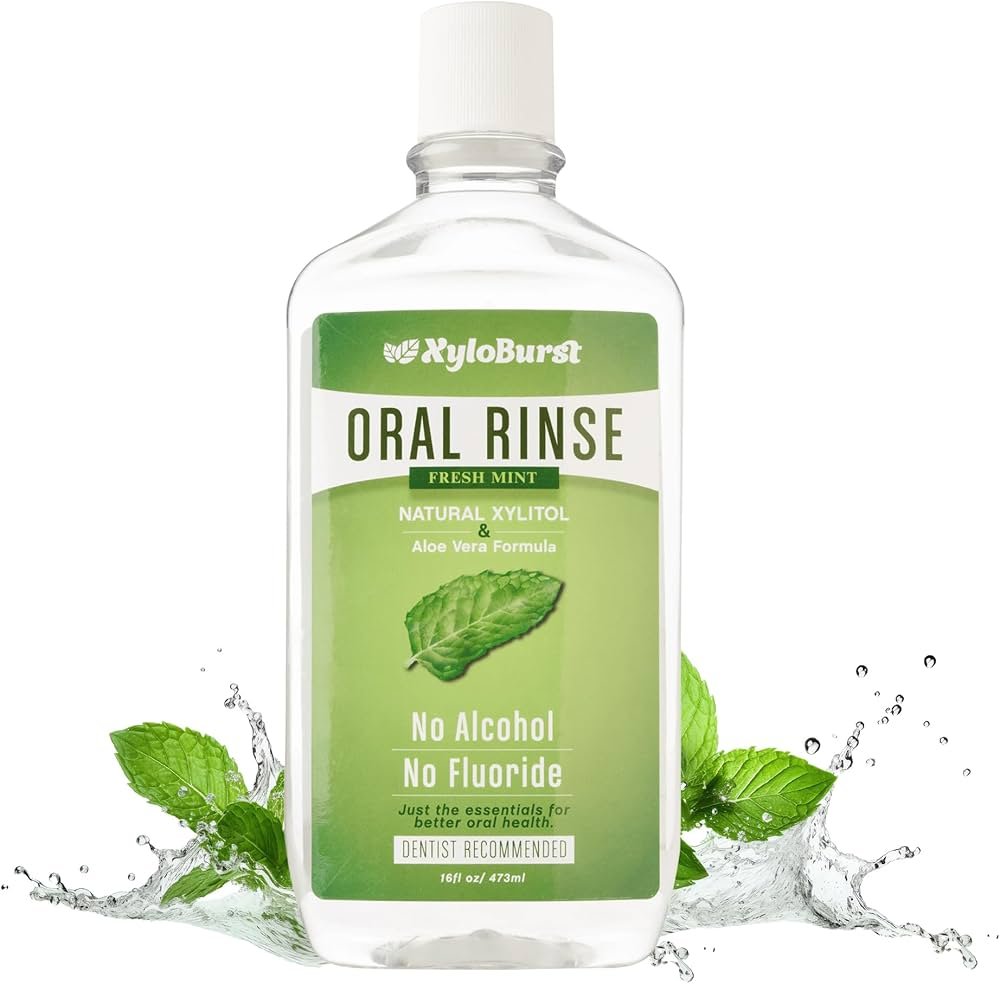
- Choose Alternatives: Consider using alcohol-free mouthwash, especially if there are children in the home, or there is a family history of addiction. It is a safer alternative which still provides benefits to oral health.
Ultimately, mouthwash is intended to be part of your dental hygiene routine, not part of a dare or game. By being aware of the risks, we can all work to keep ourselves and those we care about safe.
In conclusion, while the mouthwash game may seem like a harmless bit of fun, it carries a number of serious risks. From immediate dangers like nausea, vomiting, and stomach upset to long-term issues such as digestive problems, dental issues, and the increased risk of certain cancers, the potential negative effects outweigh any perceived benefit. It is vital that we actively discourage such behavior and encourage safer, more appropriate means of recreation.
The Extreme Narcissism Behind Mouthwashing's Design
Final Thoughts
Mouthwash challenges can have serious health implications. Swallowing large amounts of mouthwash can cause alcohol poisoning, especially in children. These products often contain chemicals not meant for ingestion.
Furthermore, the high alcohol content can irritate or damage the gastrointestinal tract. These are real risks participants should know. Ignoring the potential consequences of this trend can lead to serious harm.
In summary, the potential dangers surrounding the mouthwash game cannot be ignored. Remember safety first. Always choose responsible entertainment and avoid practices like the Mouthwash game potential dangers.

