
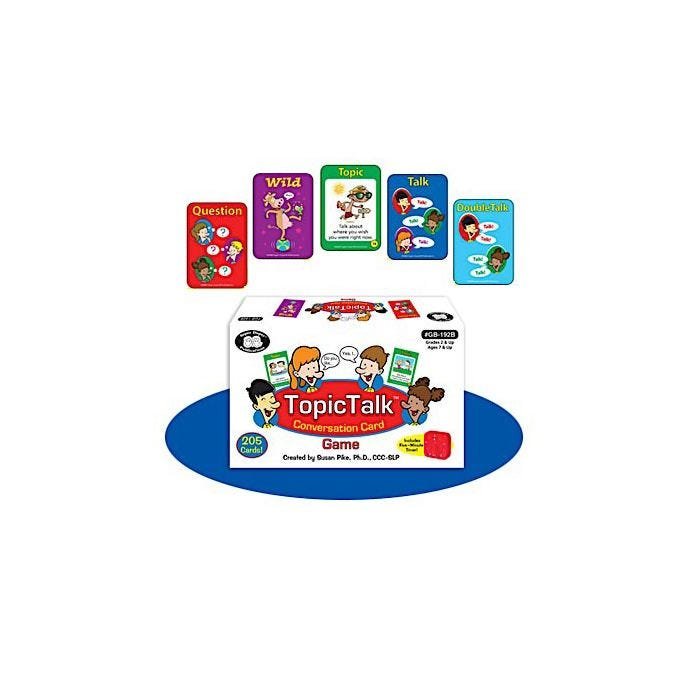
The Mouthwash game social skills development game uses playful, interactive scenarios, often involving role-playing, to improve communication, cooperation, and empathy skills.
Ever wondered how to make social skills practice fun? Many struggle with traditional methods, making learning a chore. That’s where the Mouthwash game social skills development game steps in. It provides a unique approach, blending learning with interactive play. This method helps participants navigate complex social situations easily.
The game focuses on practical application. Participants learn to communicate better by playing scenarios. This fosters a deeper understanding of social cues and helps build confidence. It’s a fresh way to learn valuable skills.

Mouthwash Game: A Fun Way to Build Social Skills
The “Mouthwash Game” might sound a bit strange at first, but it’s actually a really fun and effective activity for helping kids (and even adults!) improve their social skills. Think of it as a playful way to practice essential communication and teamwork skills, all while having a good laugh. This game, while seemingly simple, packs a punch when it comes to learning how to interact with others. Let’s dive into exactly how the Mouthwash Game works and why it’s so good for building social prowess.
What Exactly is the Mouthwash Game?
The Mouthwash Game isn’t about actually using mouthwash, so don’t worry! It’s a charades-like activity, but instead of acting out words, you’re trying to communicate with your mouth full (usually with water). Participants fill their mouths with a small amount of water and attempt to say a chosen phrase. The goal for the others is to guess what is being said. Sounds hilarious, right? The muffled words and funny faces are all part of the experience. There are some rules that are important to follow while playing this game, but mainly it’s about being creative and working together.
How to Play the Mouthwash Game
Here’s a step-by-step guide to playing the Mouthwash Game:
- Gather Your Supplies: You’ll need cups, water (or a similar safe liquid), and some phrases written on slips of paper. You can also use a whiteboard or a tablet to write the phrases.
- Prepare the Phrases: Write down simple and age-appropriate phrases. Think things like “I like to play games,” “The cat is sleeping,” or “Can we go to the park?” The phrases can be tailored to your group.
- Divide into Teams: If you have a larger group, split into teams. This will add a competitive element. You can also play it in pairs.
- Take Turns: One person from each team (or one person at a time for pairs) fills their mouth with water. They must not swallow any of the water.
- Choose a Phrase: They pick a phrase from the pile or choose a phrase that you have prepared.
- Say the Phrase: They then try to say the phrase as clearly as possible with the water in their mouth. No miming is allowed.
- Guess the Phrase: Their teammates or the other person try to guess the phrase within a time limit.
- Award Points: If the team guesses correctly, they get a point. If not, the next team takes their turn.
- Keep Playing: Continue until everyone has had a chance to go, or until you run out of phrases. The team with the most points at the end wins.
Essential Rules to Maintain Safety and Fun
Safety is paramount when playing this game. Let’s not make it into a mess!
- Use clean water: Make sure the water used is clean and safe to drink.
- Small sips only: Players should only take small sips. Big sips may lead to accidents.
- No Miming: Players should focus on speaking the phrase and not try to act it out. This encourages listening and clear speech.
- No Cheating: Players shouldn’t try to talk without water, or try to give away the answer. The fun is in the challenge!
- Be Patient: It may take some time for people to understand the phrases. Encouragement and patience is needed from all.
- Be respectful: Players must be respectful to each other. This game is for fun and everyone must enjoy playing it.
Why is the Mouthwash Game Great for Social Skills?
So, why is this silly game so effective at building social skills? It’s not just about the laughs, although those are important too! The Mouthwash Game helps in developing multiple social skills, including:
Active Listening
When someone is speaking with water in their mouth, it’s much harder to understand them. This forces players to really listen to each word, paying attention to even the smallest sounds. They can’t just tune out; they have to concentrate. This practice in active listening is vital for real-life conversations. The game teaches them to focus on what’s being said, not just waiting to talk.
Clear Communication
On the other side, when it’s your turn to speak with water in your mouth, you realize how important articulation is. You start thinking about how you pronounce each word and how you can make yourself clearer. This experience encourages players to work on their verbal clarity, which is beneficial even without water in the way. The game emphasizes the value of speaking clearly and deliberately.
Non-Verbal Communication Cues
While miming is not allowed, participants might naturally use facial expressions to convey meaning. These visual cues can sometimes help the guessers to decipher what is being said. This subtle awareness of non-verbal communication becomes an important skill for kids to develop. They are understanding how much a face expression can also be part of communication.
Teamwork and Collaboration
When playing in teams, members must cooperate to win. This means sharing ideas, encouraging each other, and working together towards a common goal. The game helps in developing a sense of teamwork and collaboration, because players learn to support each other. This can also build confidence within team players. The game teaches them how to work effectively as a team, a crucial skill in all walks of life.
Patience and Empathy
Sometimes, it takes a long time for teams to guess the phrase. This requires patience from everyone involved. Players learn to put themselves in the shoes of others, and that sometimes the other person is trying their best. The game encourages empathy and understanding among team players. This can help them understand the challenges that other people face.
Learning to Manage Frustration
The game can also be frustrating sometimes. Players may become impatient when they can’t guess the phrase, or they may feel disappointed when they fail to be understood. The game allows them to learn how to handle these emotions in a playful and safe environment. This will help them in managing their frustration when facing any challenges in real life.
Tailoring the Game for Different Age Groups
The Mouthwash Game is versatile and can be adjusted for various age groups. Here’s how:
Younger Children (Ages 4-7)
For younger children, keep it simple:
Easy Phrases: Use very simple, everyday phrases or words like “red ball,” “my toy,” or “I want to play.”
Short Game Time: Keep the game short and sweet to maintain their attention.
Focus on Fun: Emphasize having fun and don’t worry too much about the rules.
Visual Aids: Use pictures to represent words to make them understand easily.
Elementary School Children (Ages 8-12)
For older kids, make it a bit more challenging:
Complex Phrases: Introduce slightly more complex phrases like “The dog is barking,” or “Let’s go to the zoo.”
Time Limits: Implement time limits to increase the challenge.
Competitive Element: Introduce a points system to encourage teamwork.
Group Discussions: Encourage a discussion after the game about how it felt and what they learned.
Teenagers and Adults
You can also play this game with teenagers and adults. Here are some modifications for them:
Use of Idioms: Use idioms and more abstract phrases.
More Creative Phrases: You can have a theme for the phrases or the teams can create their own phrases.
Time Pressure: Increase the time pressure by giving shorter times to guess the phrases.
Advanced Rules: You can also introduce more advanced rules or penalties to make it even more challenging.
Variations to Keep it Interesting
To keep the game fresh and exciting, try these variations:
Themed Phrases: Choose a specific theme like animals, sports, or movies for the phrases.
Whispering Mouthwash: Instead of using water, have the players whisper the phrase to make it more challenging.
Drawing After: After guessing the phrase, team members have to draw the meaning of the phrase.
Mouthwash Story: The player creates a short story while speaking with water in their mouth. The other players can try to guess the complete story or part of the story.
Benefits beyond Social Skills
While the main focus of the Mouthwash Game is on social skills development, there are other benefits too:
Improved Articulation: Players become aware of how they form words and learn to pronounce them more clearly.
Enhanced Concentration: This game improves concentration as players have to actively listen to each word.
Stress Relief: It’s a fun and silly game, which can help relieve stress and promote relaxation.
Laughter: The fun and funny nature of the game provides laughter and creates a positive environment.
Critical Thinking: They have to think quickly and critically to understand the difficult words.
Integrating the Game into Different Settings
The Mouthwash Game is versatile and can be played in a variety of settings:
Classrooms
Teachers can incorporate the Mouthwash Game into their lessons as a fun way to help students to learn team work, communication, and active listening skills.
Family Gatherings
Families can play the Mouthwash Game during family game nights or holidays as it will be an exciting and fun activity for everyone.
Parties and Events
It’s an ideal ice-breaker activity for any type of party or event. It will create a fun atmosphere for the guests.
Therapy Sessions
Therapists can use the game to help individuals develop communication and social skills in a relaxed and playful way.
Summer Camps
It’s a great team building activity for summer camps. It helps children to make friends and develop important social skills.
Challenges and Solutions
Like any game, the Mouthwash Game may come with its own challenges. Here are some common issues and how to solve them:
Difficulty Understanding
Solution: Start with very easy phrases and make the game easier with visual clues for the first few rounds, then slowly increase difficulty. Remind the speakers to focus on clear articulation.
Shyness
Solution: Ensure a supportive and non-judgmental environment. Encourage participation but don’t force it. Let shy kids go first with an easy phrase.
Messiness
Solution: Play in an area that’s easy to clean, use small amounts of water, and have paper towels ready.
Disputes over Rules
Solution: Clearly establish the rules before starting the game. If there are any disputes, discuss and come to a consensus together.
The Mouthwash Game offers a fantastic opportunity for people of all ages to develop their social skills in a fun and engaging way. By promoting active listening, clear communication, and teamwork, this game creates a positive learning environment that is both entertaining and beneficial. With all its variations and modifications, this game can always keep the fun going. So, gather your friends, grab your water cups, and get ready for some laughs and valuable social development. This simple game can lead to huge benefits in the long run and is a great tool for anyone who wants to improve their communication skills.
The beauty of the Mouthwash Game lies in its simplicity and adaptability. It’s not a game that requires special skills or equipment, making it accessible to everyone. It fosters a sense of community and shared experience that can be truly invaluable. The benefits extend beyond just learning skills, it’s a great source of laughter and fun which makes social interactions less intimidating. The game’s focus on active listening and clear communication helps individuals understand each other better, which leads to more meaningful connections. So, whether you are a parent, teacher, therapist, or just someone looking for a fun social activity, the Mouthwash Game is something worth trying. It’s more than just a game; it’s a tool for building better communicators and happier social beings.
Social Quest Video tutorial: Social Skills practice
Final Thoughts
The mouthwash game provides a fun way to practice crucial social skills. Players learn about turn-taking and following directions. The game also encourages effective communication while playing.
The interactive nature of the mouthwash game social skills development game allows for real-time practice. Children get opportunities to work through social interactions. This playful activity can develop better understanding of social cues.
Ultimately, this engaging method of play fosters essential social skills. The mouthwash game social skills development game builds confidence in a relaxed setting. It makes learning social skills enjoyable and effective.

