
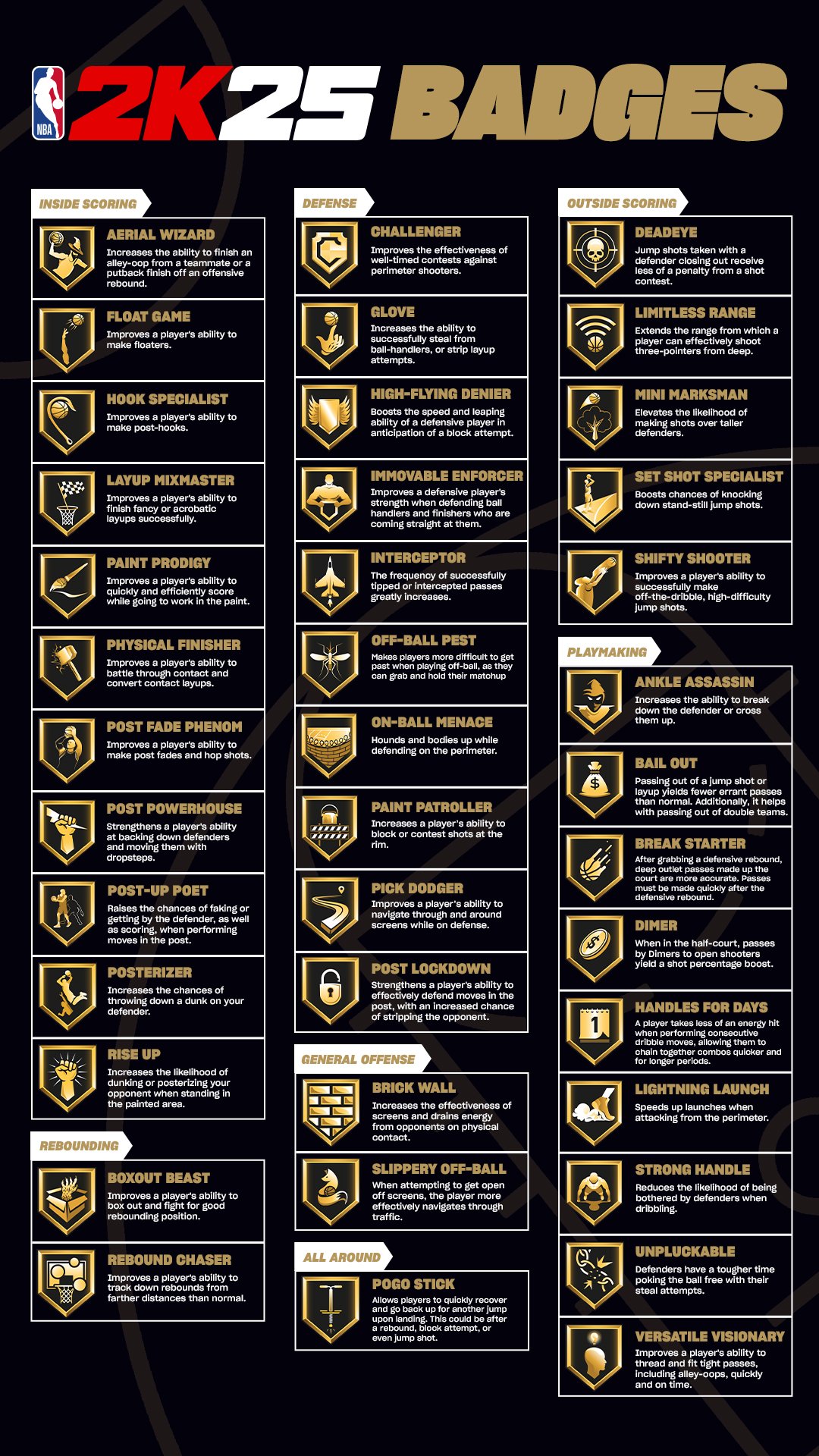
Proper NBA 2K25 defensive positioning requires anticipating opponent moves, staying between them and the basket, and utilizing help defense effectively.
Do you struggle to stop your opponents in NBA 2K25? A key component of winning games is solid defense. Understanding NBA 2K25 defensive positioning can make or break your gameplay. It’s not just about player attributes; it’s about how you move them on the court.
Learning to anticipate passes and drives is crucial. We’ll explore tips and strategies to improve your defensive game. These techniques can help you force turnovers and limit scoring opportunities.

NBA 2K25 Defensive Positioning: Your Guide to Lockdown Defense
Alright, hoops fans! You’ve been working on your crossovers and perfecting your three-point shot, but are you giving enough attention to defense in NBA 2K25? It’s not always about scoring; solid defense can win you games just as much as a flashy offense. In this guide, we’re diving deep into the core of great defense: positioning. Knowing where to be on the court is half the battle, and we’re here to help you become a defensive wall in 2K25.
Understanding the Basics of Defensive Stance
Before we get into specific plays and situations, let’s talk about the foundation of all good defense: your defensive stance. Think of it like a superhero’s pose, ready to spring into action. The main things to remember are:
- Low Center of Gravity: Bend your knees! Being low to the ground helps you move quicker and react to the ball handler’s moves.
- Hands Active: Keep your hands up and ready to poke at the ball. Don’t let them dangle down at your sides.
- Weight Balanced: Keep your weight on the balls of your feet, not on your heels. This helps you change direction quickly.
Think of it like a spring, ready to go. A good stance lets you react much quicker than if you’re standing straight up.
Guarding the Ball Handler: On-Ball Defense
The most basic defensive skill is guarding the person with the ball. Here’s how to position yourself for the best chance at stopping them:
The Triangle Principle
Imagine a triangle. One point is you, one is the ball, and one is the basket you are protecting. Your job is to stay on the line between the ball and the basket. This helps you prevent a direct drive to the hoop. This is called “playing the gap”. By doing this, you force the offensive player to go to the side, instead of directly towards the basket, which is usually where they want to go.
- Stay Between the Ball and the Basket: This is your primary goal. Don’t let your opponent have a clear path to the hoop.
- Keep a Safe Distance: Don’t get too close or you’ll get beat by a quick move. Stay close enough to pressure them but far enough to react.
- Use the Sidelines: Try to push the dribbler towards the sideline. Once there, there are fewer directions they can go. This allows the defender to take away options, or they may even force a turnover.
Reacting to Dribble Moves
Ball handlers in 2K25 love to use dribble moves. Here’s what to watch for and how to adjust your position:
- Crossover: When they cross the ball from one hand to the other, be ready to slide your feet and keep in front of them. Don’t get fooled by the direction of their body movement. Focus on the ball, that tells you where they are trying to go.
- Behind-the-Back: This can change directions quickly. Focus on their hips and be ready to quickly slide to the other side.
- Hesitation Dribble: They might fake a move. Stay patient, don’t jump too early, and stay in your stance. They might try to trick you to jump, so they can go around you easily.
Understanding Defensive Controls
Knowing your controls is just as important as your positioning. Here are some key ones:
- Left Stick/Analog: This is for moving around the court. Use this to adjust your position and mirror the dribbler.
- Right Stick/Analog: This is for contesting shots and reaching for steals. Use it to stay in front of your opponent and force a tough shot or potential turnover. Be careful not to overuse steals because that leaves you vulnerable to be beaten off the dribble
- Defensive Assist Button (Usually LT or L2): Use this to lock onto your opponent, which can help with faster reactions when you are trying to stay in front of your assignment.
- Jump Button (Usually Y or Triangle): Use this to block the shot when the opponent takes it. Don’t jump at every fake as they will go around you with ease.
Off-Ball Defense: Guarding Away From the Ball
Defense is not just about guarding the ball handler. It is about keeping everyone in check. When you don’t have the ball handler, here are the most important things to keep in mind:
Helping Defense
Helping defense is when you are not guarding the ball handler, but you’re still responsible for helping your teammates. It requires awareness and good positioning:
- One Pass Away: If a player is one pass away from the ball, you should be in a position to help if your teammate gets beat. Don’t get too far away from the player you’re guarding. The rule of thumb here is to have one foot on the paint. This puts you in a position to stop a player from driving to the basket, or to stop a cut.
- Two Passes Away: If a player is two or more passes away from the ball, you can play them further away and be in a position to help if needed. You want to be in a good spot to react if the ball moves to the player you are guarding.
Defending Cuts
Offensive players like to cut to the basket without the ball. Your job is to make sure they don’t get an easy score:
- See Both the Player and the Ball: You want to keep the player you’re guarding in your vision, but you also want to see the ball. This way you’ll know if they are cutting to the basket.
- Get in the Way: When a player tries to cut to the basket, get in their way to make it difficult for the player with the ball to pass to them.
- Communicate: Talk to your teammates, especially those closer to the ball. Let them know if a player is cutting.
Defending the Post
When an offensive player is close to the basket with their back to the hoop, it’s called playing in the post. This position is great for scoring. Here is how you can defend it:
- Fronting the Post: This means positioning your body between the post player and the ball, which makes it harder for them to receive the ball. This can lead to turnovers or bad passes. This method is best when the post is on the high post.
- Playing Behind: When the post is close to the basket, it is a better idea to be on the other side. This way you will be able to contest a shot.
- Double Teaming: Be careful of double teaming too much. If they have capable shooters they can easily punish this strategy. Double-teaming can be a way to force the ball out of the post player’s hands.
Zone Defense vs. Man-to-Man Defense
There are two main defensive strategies in basketball: zone and man-to-man. It’s essential to understand both.
Man-to-Man Defense
In man-to-man defense, each player is responsible for guarding one specific opponent. The main key is that you have to stay between the player you are guarding and the basket. The positioning we discussed is what you’ll be practicing here.
Here’s the breakdown of how to be successful:
- Know your match up: It’s important to know who you are guarding. If they are a strong driver, focus on taking away their driving ability. If they are a good shooter, try to take that away as well.
- Constant Awareness: Always be aware of where your player is on the court. Is the player moving to cut? Is the player going to screen?
Zone Defense
In a zone defense, you are guarding an area of the court instead of a specific player. This type of defense is mainly about protecting certain areas of the court. Some popular zone formations in 2K25 are 2-3 and 3-2. Here’s how to think about your positioning within those zones:
- 2-3 Zone: Two players at the top of the key and three players closer to the basket. This defense protects the paint and limits middle drives, but it is weak from the outside.
- 3-2 Zone: Three players at the top of the key and two players close to the basket. This defense is good for guarding against threes, but it is weak in the paint.
- Move With the Ball: As the ball moves, you have to move with it. If the ball moves to the corner, the player closest to that part of the zone will move to defend the shooter.
It’s a good idea to experiment with both man-to-man and zone to see what works best for you against your opponent.
Advanced Defensive Positioning Techniques
Once you’ve got the basics down, you can start incorporating more advanced techniques:
Denying Passing Lanes
Anticipate where the offense is trying to pass the ball and position yourself to intercept passes. Here’s what to focus on:
- Use your vision: Look where the ball is going, and try to see where the passer is trying to go. This will help you make more steals.
- Keep your hands up: By doing so you may get a steal that will lead to a fast break opportunity.
Setting Screens on Defense
You can use your body to set screens on defense. This can force an offensive player into another defender or force a player to take a different path on their drive. It is important to remember to not foul the offensive player.
Anticipating Offensive Plays
The more you play 2K25, the more familiar you become with common plays. Anticipate where the offense wants to go, this makes it easier to position yourself to stop them. Learn some popular offensive plays. You can do this by looking at some popular YouTube videos.
Practicing Your Defensive Positioning
Like any skill, defensive positioning requires practice. Here are some tips:
- Play the Game: There’s no substitute for playing the game. Pay attention to your defensive position and look at how you are being beaten.
- Use Practice Mode: Spend time in the practice mode working on your defensive stance and reactions. The practice mode will give you an opportunity to do this in a low pressure situation.
- Watch Professional Players: Watch how they position themselves on defense. Try to imitate what they do, and try to implement what you have seen.
- Replay: Use the replay function to examine your own positioning. Are you staying between the ball and the basket?
By focusing on these steps, you will be on your way to being a lock down defender in 2K25.
Key Takeaways to Remember
Improving your defense takes time and dedication, but by focusing on your positioning, you’ll notice a big difference in how you perform in the game. Here are the main ideas to remember:
- Good Stance: Bend your knees, keep your hands active, and balance.
- Triangle Principle: Stay between the ball and the basket.
- Off-Ball Awareness: Always be aware of what’s going on, even if you don’t have the ball.
- Practice: The more you practice, the better you’ll become at defensive positioning.
With these ideas, you can turn yourself into an elite defender in 2K25. Focus on these tips, and you’ll soon be making life difficult for your opponents on the court!
Ultimately, mastering defensive positioning in NBA 2K25 is about combining awareness, reaction time, and consistent effort. It’s not just about stealing the ball or blocking shots; it’s about forcing the opponent into tough situations, limiting their scoring opportunities, and playing as a team. By consistently applying these techniques, you’ll see a major change in your gameplay and a much higher chance of success. So, go out there, practice, and transform yourself into a defensive beast in NBA 2K25.
NBA 2K25 On Ball Defense Update: How to Use Defensive Cut Off Controls #nba2k25 #2k25 #2k
Final Thoughts
Effective defensive positioning in NBA 2K25 is must for success. Players must learn spacing and angles to shut down opponents. Anticipating opponent moves will also help create turnovers.
Good positioning means fewer easy scores and better team defense. Use the coaching tools to learn optimal positioning. NBA 2K25 defensive positioning significantly impacts game results.

