
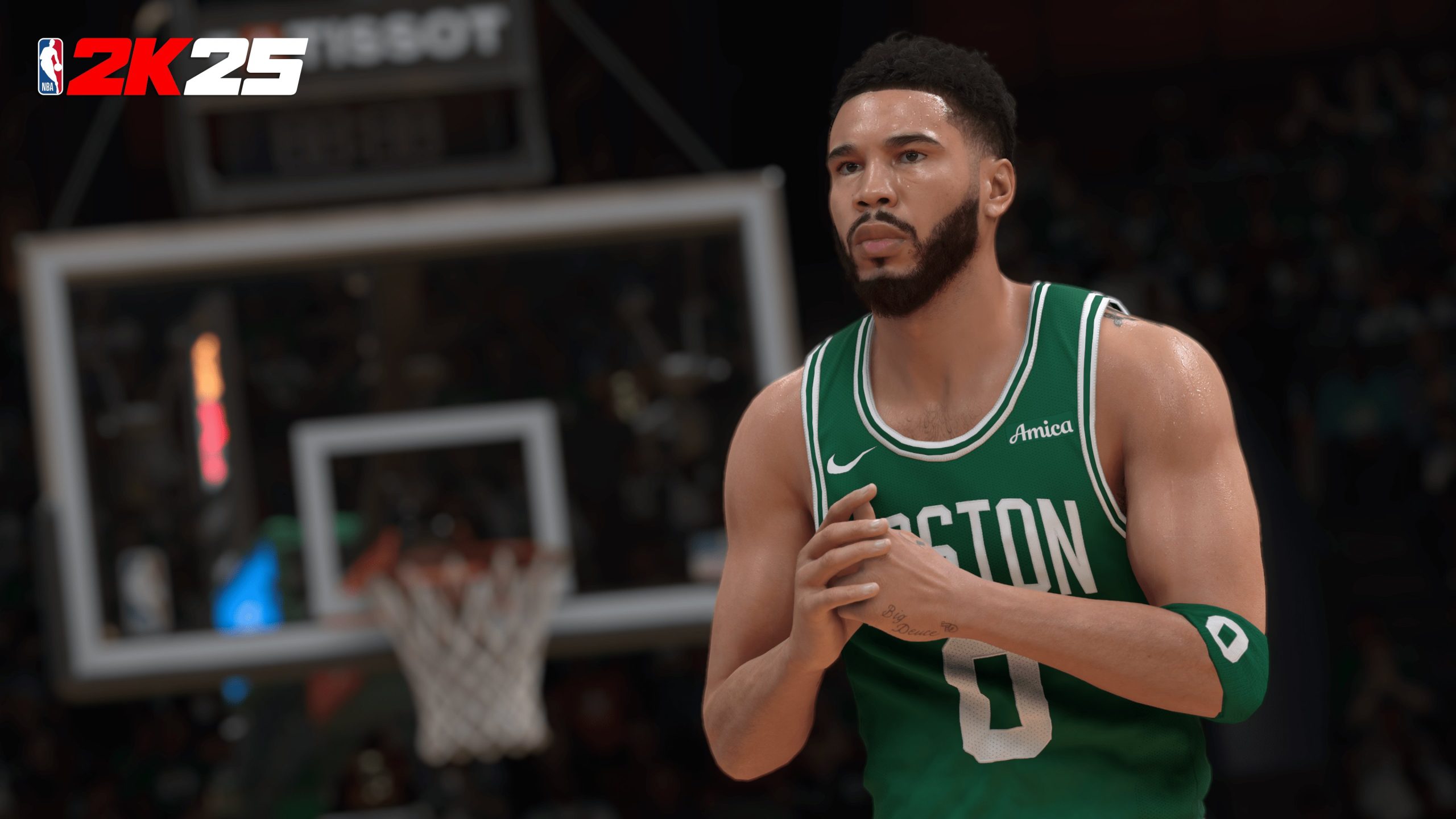
The NBA 2K25 development cycle appears to prioritize minor improvements over significant overhauls, focusing on iterative changes to gameplay and features.
The yearly hype cycle is upon us, and basketball fans are once again curious about what’s cooking at Visual Concepts. Everyone wants to know about the improvements in the new release. Today we are diving into the NBA 2K25 development cycle review. We’ll explore what we can expect from the newest iteration of the popular basketball series.
It seems like the team is focusing on refinement this time around, rather than radical changes to the core experience. The game always has room to improve, so these changes can be exciting. We will see if it’s enough to satisfy players.

NBA 2K25 Development Cycle Review
Let’s dive deep into the making of NBA 2K25! Creating a video game, especially a big one like NBA 2K, is a long and exciting journey. It’s not like flipping a switch; it’s a process that takes many talented people working together. Think of it like building a really cool LEGO castle – you need the instructions, the bricks, and lots of patience. The NBA 2K25 development cycle is the blueprint, the tools, and the team’s hard work. Let’s explore how they bring our favorite basketball game to life year after year.
The Initial Planning Phase: Laying the Foundation
Before any code gets written or any player models get designed, the team at Visual Concepts, the studio behind NBA 2K, starts with planning. This stage is like the brainstorming session for our LEGO castle. Everyone gets together to figure out:
- What’s worked well in the past? They look at what players loved in NBA 2K24 and even older versions. What game modes were popular? What features made the game fun?
- What can be better? They also look at what players didn’t like or what could be improved. Did the shooting feel too hard? Were there too many glitches? They listen to player feedback from forums, social media, and surveys.
- What’s new? What new features or enhancements can they add to make NBA 2K25 exciting and innovative? Maybe it’s a new gameplay mechanic, improved graphics, or a completely new game mode. This is where they get to be creative.
- Setting Goals: The team creates concrete goals. For example, they might say, “We want to make dribbling more responsive” or “We want to improve player animations.” These goals are like the specific steps in our LEGO instructions.
This planning phase helps the developers focus. They decide what’s most important for the next game, so everyone is on the same page. They are figuring out what the game should be like, and what features and changes will make it the best experience possible. This also involves looking into current basketball trends, any possible rule changes coming to the NBA, and incorporating those elements into the game.
The Design Phase: Building the Blueprint
Once the big picture is clear, the design phase begins. This is like drawing the detailed plans for our LEGO castle. In this phase, the team maps out exactly how the game will work:
Gameplay Mechanics Design
This is where the core of the game is defined. The team designs and tweaks things like:
- Shooting Mechanics: How easy or hard will it be to score? Will they tweak the shot meter? Will it have different timings or release points?
- Dribbling System: How will players move the ball? How many new moves will be added? How will the controls feel?
- Passing Logic: How will the passes work? Will there be more ways to pass the ball? Will the players have more control?
- Defense & AI: How will the computer-controlled players defend and react to the player’s moves? How will the AI behave? Will they be smarter? Will their defense be more effective?
Game Modes Development
The game modes, like MyCAREER, MyTEAM, MyGM, and Play Now, are designed in detail. This includes:
- MyCAREER: What kind of story will the player experience? What new challenges will be included? What are the goals for the mode?
- MyTEAM: What new types of cards will be available? What new events will be included? Will there be new ways to earn cards?
- MyGM: What new management features will be added? What are the goals for the mode? Will there be more player interaction? Will team management be harder?
UI/UX Design
User Interface (UI) and User Experience (UX) are important. The team figures out:
- Menus: How will the menus look? Will they be easy to navigate?
- In-Game HUD: How will information be displayed during the game?
Art & Graphics Design
This includes creating player models, arenas, jerseys, and all the visuals. They decide on the art style and level of detail to achieve the best look possible. This involves:
- Player Models: How will the players look? Will they be realistic? How will their likenesses be updated?
- Arenas and Environments: How detailed will the arenas be?
- Animations: How will the players move? How realistic will their actions be? Will they be smooth and natural?
All of these designs are not just ideas – they often become prototypes. The team creates rough versions of features to test them out, ensuring the game is both fun and works correctly.
The Production Phase: Building the Game
This is where the actual work of building the game takes place. It’s like putting all the LEGO bricks together based on the plans. The production phase is usually the longest and involves many different steps:
Programming and Coding
Programmers write the actual code that makes the game work. They take the design documents and turn them into a playable game. This involves:
- Implementing Game Mechanics: Writing code for how players move, shoot, pass, and defend. This is like getting all the mechanics working correctly.
- Building Game Modes: Making all the different game modes, like MyCAREER and MyTEAM, function smoothly.
- Optimizing Performance: Making sure the game runs well, even on different consoles and PCs. This is like making sure our LEGO castle doesn’t fall apart.
Asset Creation
This includes creating all the models and art assets of the game including:
- Player Models: Artists create 3D models of all the players. They pay close attention to details like height, facial features, and even tattoos.
- Arenas and Environments: Detailed 3D models of arenas, as well as other environments like practice courts.
- Animations: They create the animations for all of the players’ movements, from dribbling and shooting to running and jumping. The team works hard to make these animations look smooth and real.
Audio Development
Sound designers create the sound effects for the game, including the sound of the ball bouncing, the crowd cheering, and the music. They also record the commentary from announcers and include the in-game music.
Testing and Quality Assurance
Quality Assurance (QA) testers play the game over and over, looking for bugs and glitches. They’re like the quality control team for our LEGO castle. This involves:
- Identifying Bugs: Finding and reporting any issues that prevent the game from running smoothly.
- Performance Testing: Checking how the game runs on different consoles and PCs.
- Gameplay Testing: Checking that the game is balanced and fun to play.
This production phase is a cycle. As new builds of the game are created, they are tested. This can often take months of hard work and dedication from the team.
Iteration and Refinement
After the initial testing phase, the development team takes feedback from the QA testers, as well as internal feedback, and begins to make changes. This process of making improvements and adjustments is called iteration. This is like taking our LEGO castle and making adjustments based on the feedback – adding extra support here, changing a window there, and so on.
Bug Fixes
One of the most important aspects of iteration is addressing bugs. This means:
- Identifying Bugs: The QA team and the development team work together to find all the bugs, both big and small.
- Fixing Code Issues: Programmers dive into the code to address any problems identified by the testers, such as the game crashing, AI not working correctly, or graphical glitches.
Gameplay Balancing
Ensuring the game is fun and fair is also a big part of iteration. It includes:
- Adjusting Difficulty: Making sure the game is challenging but not too difficult.
- Balancing Game Modes: Making sure that all game modes are fair and balanced for everyone.
- Tweaking Mechanics: Making minor changes to things like shooting or dribbling to make sure they feel just right.
Incorporating Player Feedback
The team takes player feedback seriously, especially after the game has been announced and sometimes even after the game has been released:
- Gathering Feedback: The team listens to player feedback from previews, demo versions and the like. This might be through surveys, social media, or online forums.
- Implementing Changes: Sometimes, the team can make changes based on player feedback. This might include adding new features, or making changes to existing ones.
This iteration phase isn’t just a one-time thing. It’s an ongoing process throughout the development cycle. As soon as they fix one problem, they move onto the next.
The Final Push: Release and Beyond
After all the hard work of coding, designing, testing, and iterating, the game is finally ready for release! This is like showing off our awesome LEGO castle to the world. But the journey doesn’t end when the game hits the shelves:
Marketing and Promotion
Before release, the team works with marketing teams to create trailers, announce the game on social media, and try to get players hyped up for the release of the game. This is very important to make sure the players know about all the new features and updates included in the game.
Launch Day
On launch day, the game is released to the public for players to enjoy. The development team monitors the game closely to make sure that players aren’t encountering any big issues and they make sure that the game runs smoothly on all platforms.
Post-Launch Support
Even after the game is released, the development team continues to work on it. This includes:
- Bug Fixes: The team continues to fix any bugs that players discover.
- Updates and Patches: The team releases updates to fix bugs, but also to add new content, improve features, and make changes based on player feedback.
- Community Engagement: The team stays in touch with the community, listens to feedback, and may even engage with players on social media.
The development of NBA 2K25, like every yearly release, is a huge undertaking that requires a lot of effort, teamwork, and passion. From the initial planning phase to post-launch support, each step is important for creating the best gaming experience for the players. All of this work helps to make sure that fans can enjoy their favorite basketball game for years to come. Every element, from the smallest detail to the biggest game mode, receives careful consideration and attention, to make sure the end result lives up to the hype.
In the end, the NBA 2K25 development cycle is a testament to the hard work and dedication of the game’s creators. It’s a complex process filled with planning, creativity, and problem-solving, all aimed at providing basketball fans with the best possible experience.
NBA 2K25's MyNBA Mode is BROKEN…
Final Thoughts
The NBA 2K25 development cycle shows a clear push for better graphics and gameplay. Developers seem focused on polishing core mechanics. Visual fidelity appears to be a major focus, leading to improvements.
Gameplay also gets some attention with tweaks to player movement and AI. This iterative approach, while not revolutionary, aims for a refined experience. The NBA 2K25 development cycle review reveals a steady, if not spectacular, process. It indicates improvement and also points to a future direction for the title.

