
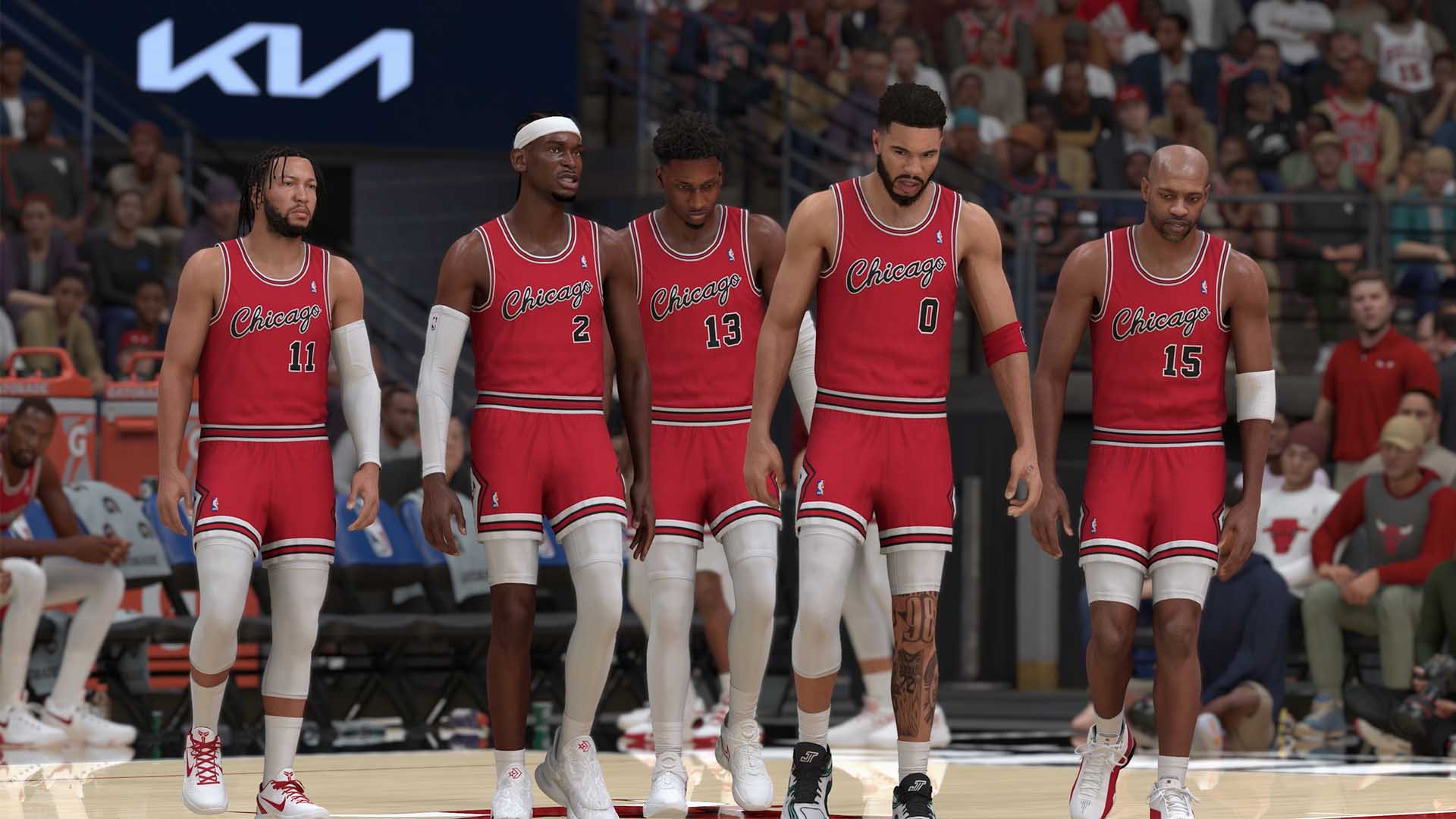
To effectively utilize NBA 2K25 franchise building help, focus on scouting high-potential players, managing your salary cap efficiently, and developing a strong coaching staff.
So, you’re diving into the intricacies of franchise mode in NBA 2K25 and seeking some NBA 2K25 franchise building help, huh? It can be tough navigating the draft, trades, and player development. Don’t worry, building a dynasty takes time and a strategic approach.
You’ll need to pay close attention to the player ratings and their potential for growth. Effectively manage your resources to ensure you have the money to get your players for the future. Good luck out there!

NBA 2K25 Franchise Building Help
So, you’re ready to take the reins of an NBA franchise in 2K25? That’s awesome! Building a successful team isn’t just about playing games; it’s about making smart choices off the court too. Think of it like being the coach, general manager, and team owner all rolled into one. It can seem like a lot, but don’t worry! This guide will walk you through everything you need to know to build a dynasty.
Understanding the Basics of Franchise Mode
Before we dive into the nitty-gritty, let’s talk about the foundation of franchise mode. This mode lets you control almost every aspect of an NBA team, from player trades to staff hires, and even arena upgrades. It’s a long-term commitment, so patience and planning are key. Here’s what you’ll need to get familiar with:
Team Selection
Your first big decision is which team to control. Do you want to rebuild a struggling franchise into a powerhouse, or take an already good team and make them legendary? Each team has its own strengths, weaknesses, and challenges. Take a look at their current rosters, salary cap situation, and draft pick assets before making your decision. Choosing a team that suits your play style and strategy will make the experience more enjoyable. For example:
- Rebuilding Teams: These teams usually have young players and high draft picks. It’s going to be a longer process to make them great, but you have more flexibility with player development. Think teams like the Detroit Pistons or the Charlotte Hornets at the start of the 2023-2024 season.
- Contender Teams: These teams already have star players and a winning record. Your goal will be to maintain their success and fill in any holes in the roster with strategic trades and signings. Think of teams like the Denver Nuggets or the Boston Celtics.
- Mid-Tier Teams: These teams are not quite contenders, but not in full rebuild mode. This can be a fun challenge for you to make them a playoff team and then eventually a championship-winning team. The Atlanta Hawks or the Cleveland Cavaliers were good examples of this heading into the 2023-2024 season.
Navigating the User Interface
The user interface can seem a bit overwhelming initially. You’ll need to learn how to move between menus to manage your roster, check team financials, scout players, and so on. Spend some time clicking through each section to understand what it does. Look for shortcuts too – they can save you a lot of time. Important areas to familiarize yourself with include:
- Team Roster: Where you see your player’s ratings, contracts, and development potential.
- Front Office: Where you’ll manage staff, finances, and scouting.
- Trade Finder/Negotiations: This area lets you send offers, receive offers, and finalize trades.
- Draft Options: Where you view available draft prospects, attend combines, and make selections.
- Calendar: Tracks games, draft dates, and free agency period.
Building Your Roster: Drafts, Trades, and Free Agency
The heart of franchise building lies in how you construct your roster. This is a mix of drafting new talent, trading for established players, and signing free agents. Each of these aspects requires careful consideration.
The NBA Draft
The NBA Draft is where you bring in young, talented players. It’s not just about picking the highest-rated players; you need to consider team fit, potential, and future needs. Here’s how to approach the draft:
Scouting
Before the draft, scouts go to games to learn about prospects. Pay attention to the reports they provide. Look for players who fit your team’s playing style. You want to have a mix of talent on your roster. Check the players’ stats but also think about their potential. Will a player grow into a star over time? Don’t just go for the best right away players. There can be a few hidden gems in mid to late first round or in the second round. Use your scouts wisely, assigning them to different regions and player types.
Draft Day
On draft day, be ready to make some tough calls. You may need to trade up to grab a player you love, or trade down to get more assets. A player’s combine performance can sometimes boost a player into the first round or drop him out of it, so pay attention to that. Don’t hesitate to trade your pick if another team offers a better package. Having multiple high-level picks can really help build the foundation of your franchise.
Strategic Trading
Trading players is a great way to address needs, change up the roster, or free up cap space. But, it’s not just about getting a player with a high rating. You need to make sure the players fit your team and don’t come with massive contracts that can cripple your team financially.
Evaluating Trade Targets
When looking for players to trade for, consider their age, contract, and playing style. Are they a player with a large contract but not an elite talent? If so, they may not be worth it. It’s also important to consider the salary cap. Don’t add players just for the sake of adding them to your roster. Make sure they have a purpose. If they have a big contract, make sure they are a key piece of your franchise. A good trade should improve your team now and not hurt your team in the future.
Trading Smart
Try not to overpay in trades. Trading away all your future first-round picks for a player that isn’t worth it can hurt you in the long run. Be patient. You may have to wait for a better trade to happen. Try to think about the future of your franchise and whether the trade will help or hurt that plan. Make sure you have enough assets to make trades, so always have draft picks in your pocket. Don’t just trade them for the sake of trading them.
The Free Agency Frenzy
Free agency is where you can bring in veteran players. This is your opportunity to add the missing pieces to your roster. However, free agency can be tricky. Other teams want those players too, and it can get expensive quick. You need to manage your salary cap, but you also want to get some top-level players to improve your team.
Budgeting for Free Agents
Before you start signing players, check your salary cap situation. Don’t overspend your money, or else your future will be severely damaged. You may have to let some players go, or you may have to trade players just to get cap space. Make sure you evaluate your team needs and get the proper players. You’ll also want to make sure they fit your team and can improve your team to a higher level.
Choosing the Right Free Agents
Look for players that can make a difference for your team. This includes players that fill a need. If your team needs a rebounder, go after a rebounder. If you need a three-point shooter, go after a good three-point shooter. Also, look for players that don’t cost too much. Value is very important in free agency. Try to keep players that fit your culture and team. Getting a star player may not improve your team if they are a toxic player in the locker room. Free agency can help your team, but it can also hurt your team if you pick the wrong players.
Developing Players: Coaching and Training
It’s not enough to just acquire talent. You also need to develop it. This is where the coaching staff and training come into play. These are a crucial part of team building.
Hiring the Right Coaching Staff
Your coaching staff has a big impact on how your players develop. You need good coaches to improve the skills of your players. Don’t just pick a coach for their offensive rating or defensive rating. Check their specialties, and make sure those specialties fit your players. Some coaches are good at developing guards, while others are good at developing big men. Here’s a bit more on what to think about:
- Head Coach: Look for a coach with good ratings in player development and strategic play.
- Assistant Coaches: Find coaches who specialize in specific areas, like offense, defense, or player development.
- Scouts: They help you find the best talent in the draft, so they’re a good investment to have in your front office.
Player Training and Development
You can also customize individual player training plans. You can tell them to work on areas of weakness, or you can tell them to improve upon their strengths. This includes working out in the gym, and practicing on the court. You can also help improve players by putting them in the right situation and playing them more minutes. Playing time can significantly impact player development. Giving players opportunities to show their potential is a great way to grow them.
Individual Focus
Identify the areas each player needs to improve. For example, if you have a player who shoots really well, but is a weak defender, try to improve their defensive ratings. Try to be more specific when training players. Don’t just tell them to improve everything. Focus on the important skills, and improve those first.
Balancing Potential with Playing Time
Give young players opportunities to play. Don’t just sit them on the bench. Put them on the court and allow them to grow, even if it means making some mistakes along the way. Also make sure you give enough playing time to the older players. Don’t leave them to rot on the bench. Balance your team, so that all players feel like they are an important part of your team.
Managing Team Finances and Facilities
Running a successful franchise is not only about what happens on the court, but also how you manage the money and facilities off the court.
Salary Cap Management
The salary cap is the main financial tool in NBA 2K25. You need to build a competitive team, but you can’t spend too much money. It is very important to understand the salary cap, and how it works. You need to know how different contracts work, and how to fit them into the team. Here are some things you can think about:
- Player Contracts: Try not to give players too much money. Only pay the money they are worth. Overpaying will hurt your finances in the long run. Also, consider whether a player is worth their contract. Don’t give out long contracts unless you are sure a player is going to help your team.
- Cap Space: Make sure to leave space available for free agency. Don’t spend all your money all at once.
Facility Upgrades
Upgrading your team facilities can improve player training and player development. This will also attract free agents, and help with the growth of your team. Try to always upgrade your facilities if you can. It may cost you money in the short term, but it will be worth it in the long term. This can be things like:
- Training Facilities: This will help players develop their skills faster.
- Scouting Facilities: This will help you discover better talent in the draft.
- Medical Facilities: This can help your players recover from injuries faster.
Keeping Morale High
Team chemistry is very important. If players don’t like each other, then they won’t play well on the court. You need to make sure they are happy with their roles, and feel like they are an important part of the team.
Dealing with Player Personalities
Some players may cause problems in the locker room. You need to know how to manage the player personalities. Don’t let a player ruin the team chemistry. If they are that bad, it may be worth it to trade them or move them. Keep a close eye on the locker room. If you notice issues, then it is your job to address them right away.
Keeping Players Happy
Talk to your players. Hear their concerns. Try to make them feel like they are a part of the plan. When they feel like they are part of something important, they tend to play better. Give them a role, a good salary, and let them grow with your franchise. It will benefit them, but more importantly, it will benefit the team.
Building a great franchise in NBA 2K25 takes time, patience, and strategic thinking. It’s a marathon, not a sprint. Enjoy the process, and celebrate the small wins along the way. Good luck, and have fun building your NBA dynasty!
The Washington Wizards Rebuild | NBA 2K25 Franchise Ep.1
Final Thoughts
To succeed in NBA 2K25 franchise mode, focus on scouting effectively. Develop your young players by giving them playing time. Also, managing the salary cap wisely is crucial for long-term success.
Use trade options to fill your roster gaps. A balanced roster contributes to better team performance. Always keep an eye on team chemistry and player morale.
For optimal NBA 2K25 franchise building help, remember these key factors. Prioritize smart drafting and development for your team.

