
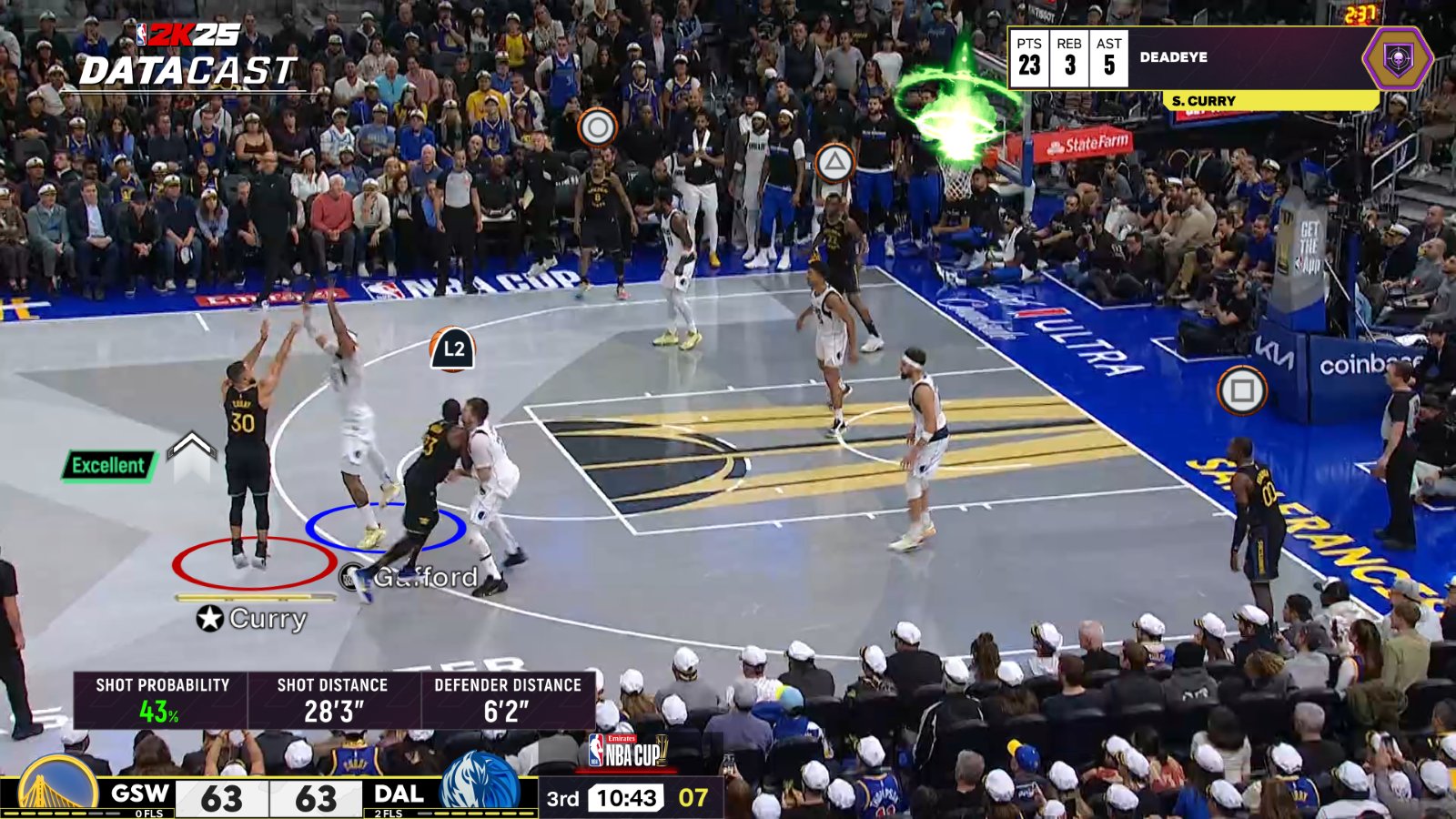
Analyzing NBA 2K25 game data sites reveals the most popular player builds, badge combinations, and overall strategies employed by high-ranking players.
The anticipation for NBA 2K25 is building, and with it comes a deeper dive into the metrics that shape the competitive landscape. Players want to gain an edge, studying trends from early access releases. NBA 2K25 game data site analysis provides a peek into the most effective player builds. This allows gamers to refine their strategies based on real-world performance data. The focus is on pinpointing successful gameplay elements.

NBA 2K25 Game Data Site Analysis
Alright, basketball fans! Let’s dive deep into the world of NBA 2K25 and explore how game data websites can seriously change how we play. These aren’t just simple stat pages; they’re powerful tools that can help you become a way better player, understand the game on a deeper level, and even make your fantasy basketball team the envy of all your friends. We will be talking about several different important aspects related to NBA 2K25 game data websites. From player ratings to detailed badges and even advanced analytics, we’re about to cover everything you need to know.
Understanding Player Ratings
The first thing most of us look at when checking out a data site is player ratings. These numbers, usually out of 99, tell you how good a player is in different parts of the game. But it’s not as simple as just seeing who has the highest overall rating. Let’s break down what all those numbers actually mean:
- Overall Rating (OVR): This is the big number you see first. It’s like a general idea of how good a player is, combining all their other skills. But remember, a high OVR doesn’t always mean a player is perfect for your play style.
- Inside Scoring: This rating shows how good a player is at scoring near the basket. It includes things like layups, dunks, and post moves. If you like to play close to the paint, look for high numbers here.
- Outside Scoring: This covers how well a player can shoot from outside, like three-pointers and mid-range shots. If you prefer to shoot from distance, this is the stat to watch.
- Playmaking: This shows how good a player is at handling the ball, passing, and setting up teammates. A high playmaking stat means they are likely a good passer and able to create scoring chances for others.
- Athleticism: This is how fast, strong, and jumpy a player is. It affects their ability to run the court, jump for rebounds, and defend. If you like fast breaks and getting up and down the court, you’ll want athletes.
- Defense: This shows how good a player is at stopping other players from scoring. It includes things like steals, blocks, and overall defensive positioning.
- Rebounding: This rating shows how well a player can grab rebounds, both on offense and defense. Players with high rebounding ratings can often secure extra possessions and prevent second chance scoring.
These ratings aren’t static! They can change as the season progresses and new patches are released for the game. So, staying updated with your data site is important to keep up with the changes. Pay attention to the specific ratings and how they might fit into your team’s strategy. This will help you choose players for your MyCareer, MyTeam or other modes more intelligently.
Diving Deep into Badges
Badges are special abilities that give players an edge in specific areas. They’re like power-ups that make players better than what their base ratings suggest. Understanding badges is very important to get the most out of the game. Let’s take a look at some key badge categories:
Finishing Badges
These badges improve how well players can score close to the basket:
- Giant Slayer: Helps shorter players finish against taller defenders.
- Slithery Finisher: Helps players move through traffic more easily when attacking the rim.
- Posterizer: Increases the likelihood of making dunks over defenders.
- Acrobat: Improves the chance of making acrobatic layups.
Shooting Badges
These badges enhance a player’s shooting ability from different areas:
- Green Machine: Increases the chance of making consecutive perfect shots.
- Deadeye: Helps players make contested shots.
- Sniper: Increases the chances of hitting lightly contested and open 3-pointers.
- Limitless Range: Lets players shoot three-pointers from very deep.
Playmaking Badges
These badges improve ball handling, passing, and creating scoring opportunities:
- Quick First Step: Allows for faster movement out of a dribble move.
- Ankle Breaker: Increases the likelihood of making defenders lose balance with dribble moves.
- Needle Threader: Improves a player’s passing accuracy to tight spaces.
- Floor General: Provides a boost to teammates’ offensive ratings when a player is on the court.
Defensive Badges
These badges improve a player’s defensive skills:
- Interceptor: Increases a player’s ability to steal passes.
- Clamps: Helps players stay in front of their defender during dribble moves.
- Intimidator: Causes opponents to miss shots just due to being present.
- Rebound Chaser: Increases a player’s ability to grab rebounds.
Data sites will list the badges each player has, and some sites even have tools where you can sort players by how many badges they possess in certain categories. Using this information, you can build teams that complement each other and match your play style. Knowing which badges a player has can be as important as knowing their overall rating when building your team.
Advanced Stats: Going Beyond the Basics
Beyond ratings and badges, NBA 2K25 data sites offer advanced stats that can help you understand the game at a much higher level. These stats are like the secret sauce to really fine-tuning your gameplay. Here are a few key metrics to pay attention to:
- PER (Player Efficiency Rating): This is a stat that puts a player’s overall performance into one number. It takes into account all the things that a player does on the court, like scoring, rebounding, assists, and steals, and then compares it against a standard to figure out how efficient a player is. This is a good tool to see how well a player is performing per minute and is often regarded as an efficient metric to determine the impact of a player.
- TS% (True Shooting Percentage): This stat shows how well a player shoots by combining their two-point shots, three-point shots, and free throws into one percentage. This gives you a better idea of how effective a scorer is, taking into consideration that three-pointers are worth more points than twos and also includes free throws. TS% offers a more complete picture of shooting efficiency compared to just looking at field goal percentage.
- Usage Rate (USG%): This stat tells you how often a player has the ball in their hands and how often the play is going through them. A high usage rate usually means a player is the main playmaker for the team. If you are looking for someone to dominate the game through offense, this metric can be useful to determine the impact of a player.
- Assist Ratio (AST%): This shows what percentage of a player’s possessions ends in an assist. It highlights how good a player is at setting up teammates for scores. High percentages here indicates a good passer and an unselfish player.
- Rebound Percentage (REB%): This stat shows what percentage of the total available rebounds a player gets. If you want to know how effective a player is on the glass, this is the stat you should consider.
By analyzing these advanced stats, you can understand the impact players have on the court beyond basic stats. Some websites offer ways to compare these stats so that you can see how different players stack up against each other.
Team Analysis: Building the Perfect Squad
Data sites are not just about individual player stats. They can also help you understand team dynamics. Here’s how:
Team Stats
You can usually view stats for each team, like their average points per game, assists, rebounds, steals, and blocks. This can help you identify what each team is good at. For example, if a team is good at passing, they will have high assist numbers.
Team Play Styles
Data sites sometimes break down each team’s play styles. Some teams prefer fast breaks, others focus on three-point shooting and some like to play physical. Knowing the general playstyle can give you an idea of how each team operates, as each team’s style of play affects the way they use the player roster.
Player Chemistry
While not always a direct stat, understanding which players play well together (based on real-life data) can help you build a stronger team in the game. Data sites sometimes allow you to explore the real-life stats, which can help you determine player chemistry, giving you a more holistic view of how effective the combination of players are on the court.
By combining player data with team data, you can build a well-rounded team that fits your play style. You can also predict how different teams will perform against each other.
Fantasy Basketball and Data Sites
If you play fantasy basketball, these data sites are a gold mine. Here’s how they can help you:
- Identifying Sleepers: Look for players with high potential but low usage rates or ratings. These can be your hidden gems in the league who might outplay their current valuation in the game.
- Trading Smartly: Use stats to determine what a player is truly worth. Don’t get fooled by big names, dig deep into their numbers to see how well they actually perform.
- Finding the Right Fit: Make sure the players you select fit well into your fantasy roster. Consider not just their individual stats but how they might interact within your roster construct.
- Tracking Performance: Keep an eye on stats throughout the season. You need to be adaptable and make necessary adjustments to keep up with the game.
Data websites give you an edge over other fantasy players. It’s like having a cheat code for fantasy success if you use them intelligently.
Tips for Using Data Sites Effectively
With so much data available, it can be overwhelming. Here are some tips to help you get the most out of these sites:
- Don’t just focus on overall ratings: Pay attention to the individual stats and badges of the player, to figure out how the player fits your roster.
- Use filters to your advantage: Most sites have filters to sort by player position, stats, badges, team and other categories. Use filters to find players that perfectly suit your needs.
- Check for updates: Player stats can change with game updates or throughout the season. Regularly check the data sites to keep track of the player’s performance and see if any change in their stats, ratings, or badges.
- Compare players: Don’t settle on the first player you see. Compare stats to see which players are truly the best for you.
- Use multiple sites: Different sites sometimes have different strengths. Explore a couple to get different perspectives of the player you are assessing.
- Start with a goal: Are you looking for a good scorer, defender, or playmaker? Start with a goal in mind to narrow down the search for players.
Using these tips, you can navigate the vast amount of data available and improve your game and fantasy basketball skills.
The Future of NBA 2K Data Sites
Data sites are constantly changing and growing, giving more in depth analysis. As technology improves, here are some things you can expect:
- More Advanced Analytics: We can expect more sophisticated stats that capture every aspect of a player’s contributions to their team.
- Better Integration with the Game: Some sites could eventually integrate directly with NBA 2K25, allowing you to see stats and player information in real-time as you play the game.
- AI-Powered Insights: AI tools could analyze data and tell you what moves to make, which players to draft, and strategies to follow.
- Community-Driven Tools: Expect to see more player-made data tools that add a new layer to understanding the game.
The future of NBA 2K25 data sites is very exciting. They will only become more complex and will help all the players to play the game in a much better way.
By exploring these game data sites, you’ll not just improve your gameplay; you’ll also gain a greater appreciation for the details that make the virtual game of basketball so compelling. So, dive in, analyze the numbers, and become a champion on the court!
NBA 2K25 Cap Breakers Explained Simple
Final Thoughts
In conclusion, our in-depth NBA 2K25 game data site analysis revealed key player attribute trends and ratings. We identified prominent areas needing improvement for accurate in-game representation. This analysis proves crucial for fans wanting informed gaming choices.
Further investigation into specific player builds also demonstrated potential areas for balancing. The NBA 2K25 game data site analysis process helped us gain valuable insights. Finally, we understand how game developers likely consider data in game creation.

