
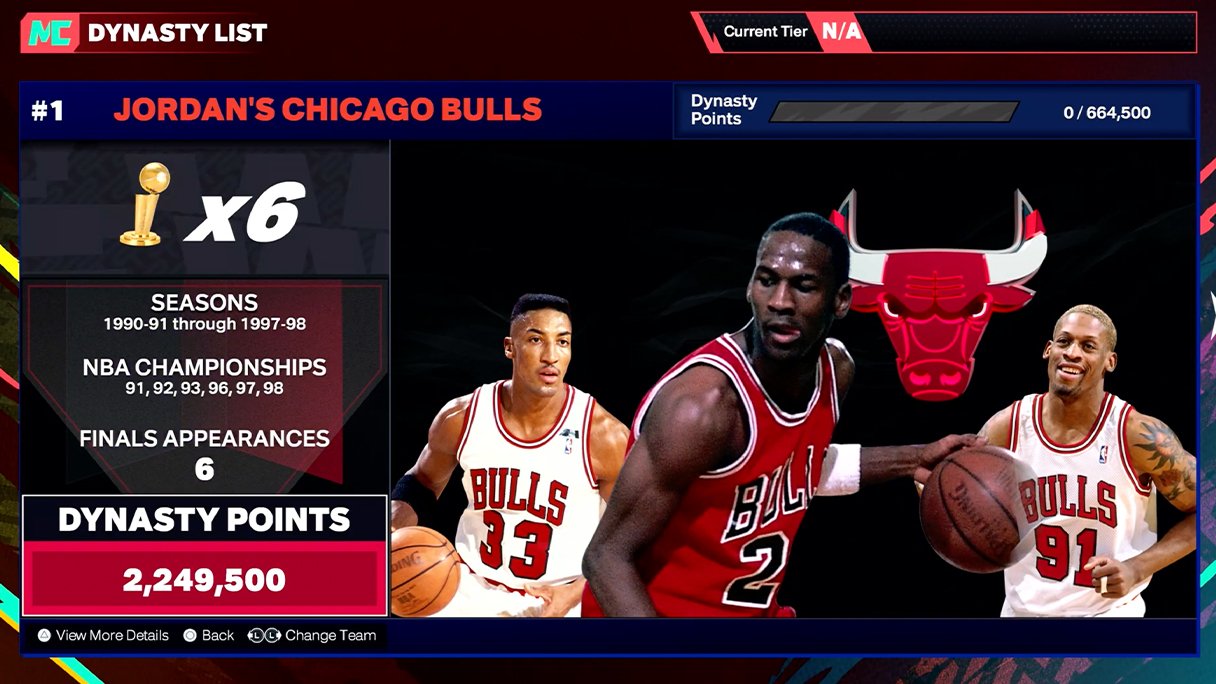
NBA 2K25 performance tracking allows players to monitor their in-game stats, analyze their strengths and weaknesses, and improve their gameplay through detailed data visualizations.
Are you eager to get the most out of your NBA 2K25 experience? Understanding your performance is key to dominating the court. We’ll explore how to use NBA 2K25 performance tracking to your advantage.
This feature provides a deep dive into your game, showing you everything from shooting percentages to assist numbers. With this information, you can adjust your strategy and become a better virtual baller.

NBA 2K25 Performance Tracking: Your Guide to Getting Better
Alright, gamers! Let’s talk about something super important if you want to become a real NBA 2K25 pro: performance tracking. It’s like having a secret cheat sheet that tells you exactly what you’re doing well and where you need to practice more. Think of it as your personal coach, always keeping tabs on how you play. This isn’t just about looking at your final score. It’s about digging deep into all the tiny details that make up a great basketball player in the game. Ready to dive in and learn how to track your progress like a champ? Let’s get started!
Understanding the Basics of Performance Metrics
First things first, what exactly are we tracking? In NBA 2K25, performance tracking means paying attention to all the numbers that pop up during and after a game. These numbers aren’t just random; they show different parts of your game. Knowing what these numbers mean can make a big difference in how you play. We have things like points scored, assists, rebounds, steals, blocks, and shooting percentages. These are your standard stats, the ones you’d see on a basketball card. But there’s more! We also have to look at things like turnovers, fouls, and +/- (plus/minus), which shows how much your team scores or gets scored on when you’re on the court.
Points Scored: This is how many points you’ve made during the game. Pretty straightforward.
Assists: When you pass to a teammate and they score, that’s an assist. Good teamwork!
Rebounds: When you grab the ball after a missed shot, that’s a rebound.
Steals: When you take the ball from the other team. Nice job!
Blocks: When you stop the other team from scoring by blocking their shot.
Shooting Percentages: How good you are at making shots. This is broken down by two-pointers, three-pointers, and free throws.
Turnovers: How many times you give the ball to the other team. We want to keep these low.
Fouls: How many times you broke the rules. Careful not to foul out!
Plus/Minus (+/-): How your team performs when you are playing. A high number is good!
Looking at all these stats gives you a picture of how well-rounded your game is. It also shows which areas need extra work. For example, if you score a lot but have many turnovers, you might want to focus on taking better care of the ball.
Exploring In-Game Tracking Tools
NBA 2K25 offers great tools right inside the game to help you track your performance. You don’t need to write everything down on paper! You can see your stats in real-time during the game by hitting the menu button on your controller. This in-game display shows all the key metrics mentioned above. But the real magic happens after the game is over.
The game keeps a detailed record of every game you play, and then displays it in a way that’s easy to understand. You can go to the menu and find your player profile. In this profile, you’ll see a history of your game stats, performance charts, and even heat maps of where you shoot best from on the court.
In-Game Stats: Check your numbers during timeouts or breaks in the action.
Post-Game Recap: See a detailed summary of your performance immediately after each game.
Player Profile: Keep track of your stats over time, and see how you’re improving.
Heat Maps: See exactly where you’re most effective on the court.
Using these tools, you can quickly spot trends in your game. Are you more accurate on the left side than the right? Are you grabbing more rebounds in the first half or second half? This information is very powerful.
Deeper Dive into Advanced Stats
Beyond the basic stats, NBA 2K25 also tracks more complex metrics that give you an even deeper understanding of your game. These advanced stats can really help you take your game to the next level. They look at things like how effective you are in different situations, how well you play with certain teammates, and how your actions affect your team.
Usage Rate: This tells you how often you have the ball when you’re on the court. A high usage rate means you have the ball a lot.
True Shooting Percentage: This is an improved way of seeing how well you’re shooting. It considers two-pointers, three-pointers, and free throws to give you one percentage.
Assist Percentage: How often you make a pass that leads to a score when you’re on the court. This shows how good you are at making your teammates better.
Rebound Rate: This shows how well you grab rebounds compared to all rebounds that could be grabbed. It’s a way of showing how strong of a rebounder you are.
Defensive Rating: A number that represents how well you defend. A lower number is better.
Understanding these advanced stats can help you make better decisions on the court. For example, if your usage rate is very high, but you aren’t scoring a lot, it may be wise to pass more often. Or, if your assist percentage is high but you’re not scoring much, maybe it’s time to take some more shots yourself.
Setting Goals and Tracking Progress
Tracking performance is great, but what’s the point if you don’t use that info to get better? The real magic happens when you use the stats to set goals. If your three-point shooting is bad, aim to improve it by a certain amount over the next few games. The key is to set goals that are realistic and measurable. Don’t aim to go from making 20% of your three-pointers to 80% in one game. Set small steps and celebrate each step you take in the right direction.
Set Specific Goals: Don’t just say “I want to get better.” Say, “I want to improve my three-point shooting by 5%.”
Make Goals Measurable: Use the in-game stats to track your progress.
Set Realistic Goals: Don’t set goals that are too difficult to reach. Start small.
Adjust Goals as Needed: As you improve, set new goals.
By setting goals and tracking your progress, you turn performance tracking into a game itself. You’ll see yourself getting better and achieving new milestones. This can be really fun and rewarding.
Analyzing Your Gameplay Style
The numbers tell a story, but it’s also important to look at how you play. Do you tend to dribble a lot, trying to make flashy moves? Are you a team player that prioritizes passing and setting your teammates up for open looks? Or are you a defender that steals the ball a lot? By understanding your typical style, you can more easily target areas that need extra training.
Here’s how you can think about this:
Offensive Player: If you love to score, focus on your shooting percentages, usage rate, and assist numbers.
Defensive Player: If you’re a lockdown defender, look at your steals, blocks, and defensive rating.
Playmaker: If you love to get assists, look at your assist percentage, turnovers, and plus/minus.
All-Around Player: If you’re good at everything, make sure all your stats are improving and balanced.
Figuring out your style helps you to understand your strengths and weaknesses. If you know you are not a great three-point shooter, you’ll be better off focusing on your inside game while training your shooting in practice mode. If you know you make a lot of turnovers, it’s time to work on your dribbling skills or making quicker decisions with the ball.
Utilizing Practice Modes for Targeted Improvement
NBA 2K25 provides a dedicated practice mode. This is an ideal place to work on specific skills you want to improve. Use the stats from your games to figure out what to focus on. If your shooting percentage from the free-throw line is low, spend time practicing free throws. If you have trouble guarding smaller, faster players, practice defense in the practice mode.
Here are some tips to make the most of practice mode:
Focus on Weaknesses: Prioritize the areas of your game that need the most work.
Set Up Scenarios: Create game-like situations to test your skills.
Use the Trainer: The game provides helpful tools that give instant feedback.
Track Your Progress: Track your success in practice mode just like you would in a game.
The best thing about practice mode is that you can repeat things over and over without any pressure. This helps you build muscle memory and make it easier to do well in real games.
The Power of Data Visualization
Numbers are great, but sometimes seeing them in a picture makes them even easier to understand. NBA 2K25 uses charts and graphs to show you your data. This visualization helps you spot patterns and trends in your performance much faster. For example, you can see a line graph of your shooting percentage over time. This helps you see if you are making real improvements. You can also see charts that compare your stats against other players, giving you an idea of how you stack up.
Charts: See how your stats change over time.
Graphs: Compare different stats side-by-side.
Heat Maps: See exactly where you are most effective on the court.
Data visualization makes it easier to identify your strengths and weaknesses and adjust your training accordingly. If you can see a clear picture of how you are doing, you can change your approach to achieve your goals.
Community and Comparison
Don’t forget that NBA 2K25 has a big community of players. Sharing your stats, discussing your game, and comparing yourself with others can be a good source of motivation. You can join online forums, watch videos of professional players, and learn from others who share a passion for NBA 2K. Just make sure you’re not just mindlessly comparing your numbers with the very best players. You need to look at your own improvements and how you are getting better step by step.
Share Your Stats: Compare and discuss your progress with others.
Watch Pros: Learn tips and strategies from the best players in the world.
Join Online Communities: Connect with other players and share your experience.
Being part of a community can make your game even more enjoyable. You can learn from others and become a better player together.
Tips for Consistent Performance Tracking
Alright, here’s a plan for making performance tracking a normal part of your NBA 2K25 experience:
Check Stats After Every Game: Make it a habit to check your game statistics, even after quick matches.
Use the Player Profile Regularly: Look at your profile at least once or twice a week.
Set Goals Before Each Gaming Session: Use the data to plan your next step, whether it’s working on your shooting or passing skills.
Don’t Obsess Over Numbers: While the stats are important, it is also important to remember to have fun and enjoy the game.
Be Patient: Improvement takes time. Celebrate your progress, even if it’s just a small step.
Performance tracking is not about getting the very best scores right away; it’s about constantly improving. It’s like growing a plant; you have to water it every day to see it grow. If you continue to follow the stats and adjust your gameplay according to the data, you’ll surely be playing the game at a high level in no time.
In conclusion, performance tracking in NBA 2K25 isn’t just about seeing numbers on a screen; it’s about giving you the power to become a better player. By understanding the basic stats, the advanced metrics, and the tools available in the game, you can gain insights into your strengths and weaknesses. Set goals, analyze your gameplay, and use practice modes to achieve improvements. Remember, it’s a journey, and every step you take toward improvement makes you a better player. Now, go out there and use all this new information to become an NBA 2K25 master!
5 SECRET Settings That You NEED To Use In NBA 2K25
Final Thoughts
In short, we anticipate improved data analysis in the next iteration. Players should expect more detailed statistics and potentially enhanced visualizations. NBA 2K25 performance tracking will likely provide gamers with a more complete picture of their in-game abilities.
This evolution allows you to better understand your strengths and weaknesses. Precise performance metrics gives you the power to develop your playing style. It leads to more effective strategies.

