
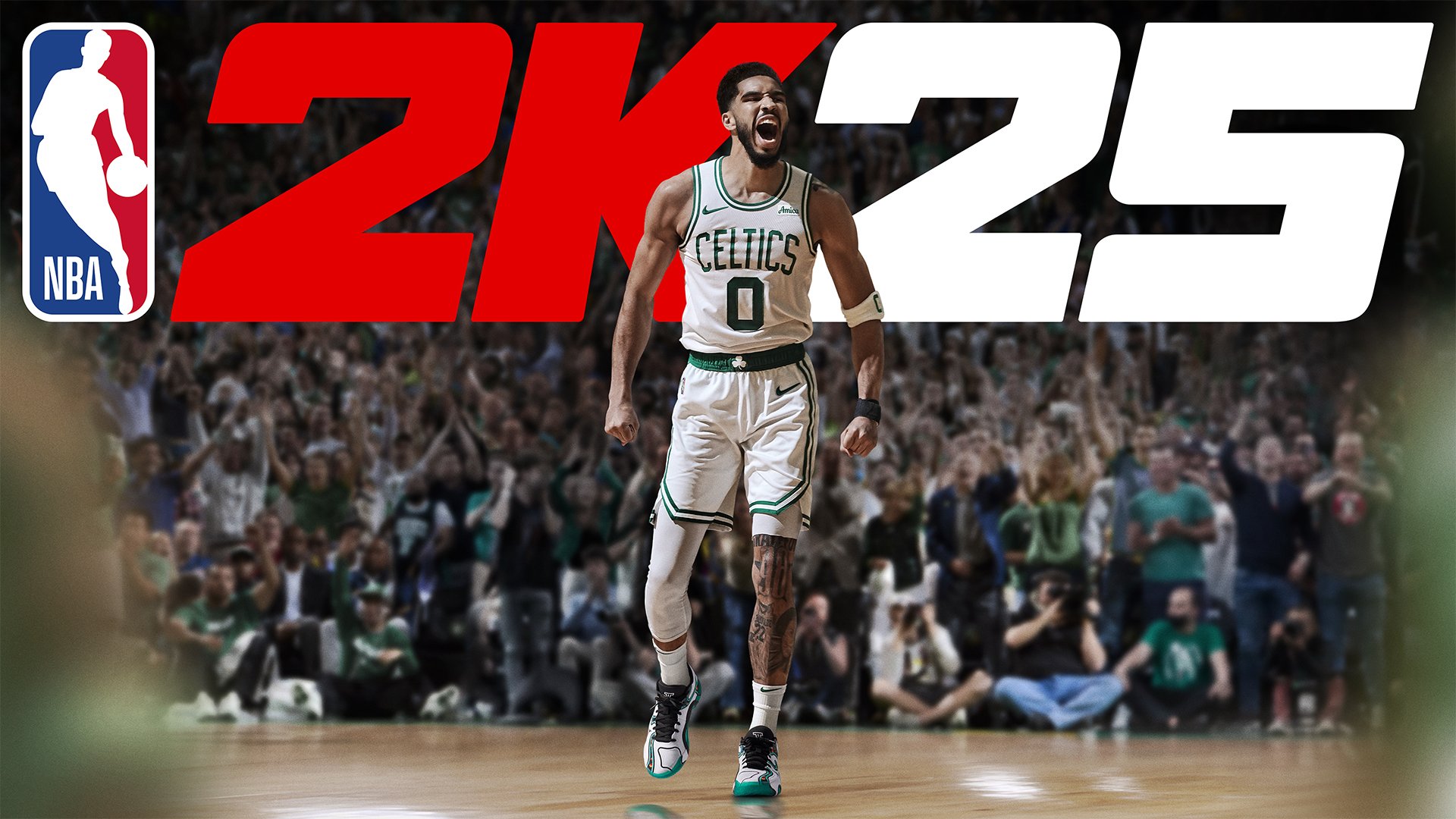
The NBA 2K25 player development system focuses on earning badges and improving attributes through consistent gameplay and specific drills.
Have you ever wondered how to make your MyPLAYER a force in the NBA 2K world? The NBA 2K25 player development system is at the heart of that process, and it’s not as complicated as it may initially appear. Players gain experience by playing games and completing various training exercises. This directly affects their stats and helps earn specific badges.
Understanding the nuances of this system is essential for crafting a truly great player. Players need to pay attention to which drills to prioritize and the game modes they play most often. This directly impacts their growth. It’s about consistent effort and smart decisions.

NBA 2K25 Player Development System
Let’s dive deep into the heart of NBA 2K25: how you grow your player. It’s not just about playing games; it’s about shaping your future superstar. The player development system is how you take a raw rookie and mold them into a legend. This year, 2K has made some changes, and we’re going to explore all of them.
Understanding the Basics of Player Progression
Before we get to the new stuff, let’s understand the core system. Think of your player as having a bunch of skills, like shooting, passing, dribbling, and defending. Each skill has a rating, kind of like a grade. These ratings can go up as your player gets better. How do they get better? By doing things on the court. If you make a lot of shots, your shooting skills will improve. If you get a lot of steals, your defense will go up. It’s that simple.
But it’s not as easy as just playing games and expecting to become a superstar overnight. There’s a strategy to it, and different ways you can boost your skills. Let’s break it down into more detail:
Attribute Points
The main currency of growth is attribute points. You earn these by playing games, completing quests, and doing other cool things in the game. You spend these points to improve specific skill attributes. These are the building blocks of your player. Here is a list of some core attribute categories:
- Finishing: Layups, dunks, close shots
- Shooting: Mid-range, three-pointers, free throws
- Playmaking: Passing, ball handling, speed with ball
- Defense/Rebounding: Interior defense, perimeter defense, rebounding
- Athleticism: Speed, acceleration, vertical
Badges
Badges are special abilities that give your player an edge on the court. There are so many badges, from being a great shooter to a lock-down defender. When you play games, you will see your badge progress, and each time it goes up, you earn a point to spend and improve that badge. Some are good for shooting (like ‘Deadeye’ or ‘Green Machine’) and some are good for defense (like ‘Clamps’ or ‘Interceptor’).
Badges don’t all work the same way. Some activate automatically when certain conditions are met, while others improve the effect of skills. Some might increase your chance to make a shot, others might help you grab more rebounds. You can earn badge points by playing well, which means that getting steals and hitting a lot of shots is a good thing. It’s important to remember that, with badges, you have to be smart, not just get a lot of them. Figure out the best ones for your playing style and focus on them.
New in NBA 2K25: The Refreshed Development System
This year, 2K25 has introduced some key changes to make things more exciting and offer more choices. They’re listening to players and trying to make it a more personal experience. Let’s examine what’s different:
The Skill Tree Evolution
Instead of just spending points to upgrade your player’s skills, you now use something similar to a ‘skill tree’ for each attribute category. This means that you choose a path you like, and it opens up more specific skill increases. For example, under “Shooting,” you can choose between becoming a deadly three-point shooter or a reliable mid-range threat. Once you select an option, you will find additional upgrades in this particular area.
This gives you more control over the type of player you want to be. Do you want to be a scoring machine like Steph Curry, or a defensive stopper like Rudy Gobert? The choice is yours, and the skill tree helps make that decision feel more meaningful. It lets you pick what really fits your playstyle.
Enhanced Training Methods
Training sessions are now more impactful than ever. In past editions of 2K, training sometimes felt like a chore. Now, they are meaningful. It is now possible to use training to target particular skill areas. This means if you’re a little weak in rebounding, you can do a rebounding training drill. If you want to be better at free throws, there is a drill for that. It’s all designed to help you make progress in specific areas that you need work on.
Here is a list of types of drills to help you better understand training:
- Shooting Drills: Free throws, 3-point shooting, mid-range shots, floaters.
- Ball Handling Drills: Crossovers, between the legs, spin moves, handling under pressure.
- Passing Drills: Chest passes, bounce passes, outlet passes, passing accuracy.
- Defensive Drills: Steals, blocks, perimeter defense, interior defense, help defense.
- Rebounding Drills: Box out drills, offensive rebounds, defensive rebounds.
Dynamic Badge Progression
In NBA 2K25, your badges can now change in effectiveness depending on how well you play and how often you use them. If you consistently use a certain badge (like for example, the “Ankle Breaker” badge while dribbling) the badge will start to increase at a quicker pace than other badges.
This means that how you play directly changes your badge progression. This is a cool feature that puts more emphasis on you doing things that go with your character build. It isn’t only about playing a ton of games; it’s about how well you’re playing. If you are a playmaker who likes to pass the ball, you will notice that the Playmaker badges will grow faster than the shooting ones.
Mentorship Program
The new mentorship program is an exciting addition. You will be able to learn from other experienced players on your team, and they help you become better in different areas. If you have a veteran on your team who is good at shooting, they can help you improve your shooting abilities. Think of it like having a personal coach within the game. They will offer guidance, helping you develop skills that you may not be focused on.
Mentorship is not just for skills. These veterans can also teach you about in-game strategy and leadership, which improves the overall basketball IQ of your character. It’s a way to learn the game from different angles. It’s like having a cheat code to become a better player because you are learning from the best.
Strategies for Effective Player Development
Now that we know the system, let’s discuss how to use it effectively. Here are some strategies to make sure your player reaches their full potential:
Defining Your Player Archetype
Before you start playing, you need to decide what kind of player you want to be. Are you a scoring point guard, a lockdown defender, or an all-around player? Picking an archetype early will help you focus your attribute points and badges. If you want to be a shooter, put points into shooting and get shooting badges. If you want to be a defender, put points in defense and get defense badges. You have to be focused. If you are trying to do everything, you will not be great at anything. Think carefully about the type of player you want to be, and focus on that.
Prioritizing Key Attributes
Once you have your player archetype, focus on the attributes that matter most. If you’re a shooter, prioritize shooting attributes like mid-range and three-point shooting. If you’re a playmaking guard, focus on passing and dribbling. It’s better to be great at a few things than okay at everything. Choose the key skills that make you unique and become the best at them. This is a better strategy than just spreading your points around.
Utilizing Training Sessions
Don’t skip training sessions. These are super important. Use training to improve your weaknesses. If your free throws are bad, practice them in the training gym. It’s a great way to quickly improve your player’s skills. Training is your secret weapon to boosting your specific areas that need work.
Choosing the Right Badges
Badges are very important, so choose them wisely. Don’t just pick any badge. Look for the ones that fit your style of play. If you’re a slasher, look for badges that help you get to the rim. If you’re a catch-and-shoot type of player, look for badges that help you score with ease from the perimeter. Choose those that will help you shine the most. Think about what your player does well and pick badges that help them do it even better. Remember, it is important to get better at the game, in order for the badges to grow.
Paying Attention to Mentorship
Make sure you are paying attention to the guidance given by the veterans on your team. They have a lot of experience that you can use to your advantage. If you have a great point guard veteran on your team, listen to his tips about being a playmaker. If you have a great defensive veteran, try to learn some defensive tips and how to play like a professional player.
Adapting to Your Playstyle
As you play, you might find that your original archetype doesn’t fit your playstyle anymore. That’s okay. You should always be willing to adapt. If you find that you are a good defender, but you didn’t plan to become a defender, you should make sure you get the defensive badges and attributes to become a great defender. This can be done by making small adjustments to your skills, badges, and training choices. The key is to always be evolving to become a better player.
Avoiding Common Pitfalls in Player Development
Even with all the new features, it is possible to make mistakes in player development. Here are some common issues and how to avoid them:
Spreading Points Too Thinly
It’s tempting to try to be good at everything, but this is not the best idea. Instead of getting every single skill up a little bit, you are going to want to get a few of the most important skills up to a high rating. Focus on a few key attributes, and get them to a high rating, to make your player great in a specific area. If you spread your points around, your player will just be average. Be great at some areas, but not average at everything.
Ignoring Training Sessions
Skipping training is a bad idea. It is important to regularly do training to improve weaknesses and improve in specific areas. Training is a crucial way to make quick improvements in key areas, so you shouldn’t ignore it. Set aside time to improve areas that are causing you problems on the court. The training gym is your best friend if you want to improve quickly.
Choosing Badges Randomly
Don’t pick badges just because they look cool. Choose them strategically, based on how you play and what attributes you want to improve. Randomly choosing badges is a mistake. Take some time and read what each badge does, and pick the ones that are right for you. Don’t pick a badge just because it sounds cool or your friend uses it. Be smart about what badges you choose.
Not Adjusting to Gameplay
If your game isn’t improving, you need to make adjustments. It’s important to not get stuck doing the same thing. Change up your skills, training methods, and badges. Experiment. Don’t get stuck doing the same thing if it’s not working. Be flexible with how you develop your player. Always pay attention to how your player is playing and adapt to what you see. Don’t be afraid to change your player’s focus area. You might realize that you’re better at something than you first thought.
The player development system in NBA 2K25 is deep and rewarding, it gives you a great experience. By understanding how it works, using the correct strategies, and avoiding common mistakes, you can create a legendary player that will be talked about for years to come. Remember, it is a journey of improvement, so make sure you have fun while you create your star. Take advantage of the new system that 2k has implemented, and you will have a much more engaging experience.
NBA 2K25 MyNBA Tutorial: How To Effectively Train/Develop/Mentor Your Team
Final Thoughts
In short, the NBA 2K25 player development system aims for more control over how players grow. Gamers can expect to fine-tune specific skills and attributes with greater precision. This makes each player’s journey feel unique.
The changes will likely bring greater depth to career modes and create more diverse player builds. The system appears to allow for varied player progress based on their chosen path. NBA 2K25 player development system will significantly impact overall gameplay.

