
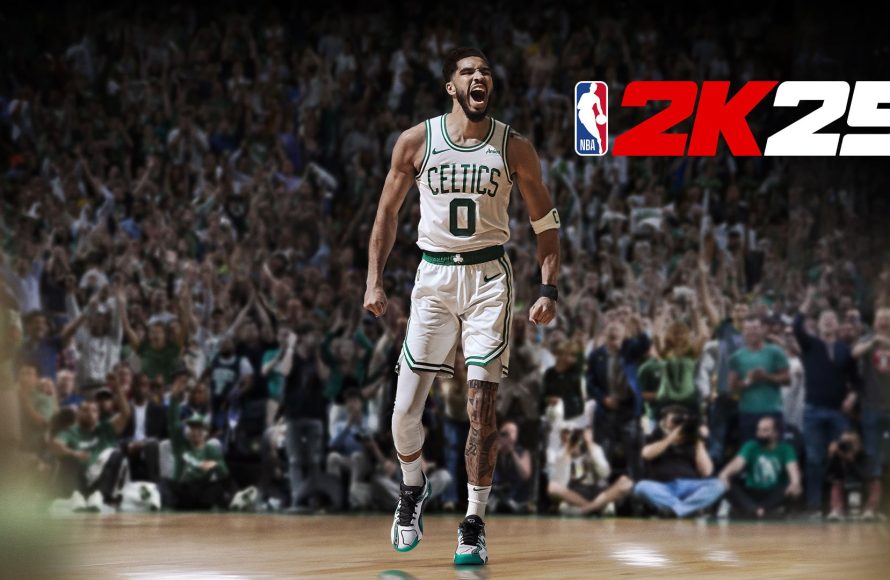
NBA 2K25 player resource details encompass factors such as player ratings, badges, attributes, animations, and tendencies, influencing their in-game performance and potential.
So, you’re diving deep into the next NBA 2K installment? Everyone wants an edge when the new game drops, right? Knowing exactly how the player system works is key to building a dominant team. Understanding NBA 2K25 player resource details becomes essential to success.
These details dictate how players perform on the court. Think of things like how well they shoot, their dribbling ability, and the defensive impact they provide. Learning these nuances allows for better team management and personal gameplay choices.

NBA 2K25 Player Resource Details
Hey there, basketball fans! Getting ready for NBA 2K25? We’re diving deep into everything you need to know about the players in the game. This isn’t just about their ratings; it’s about how you can use all the resources to become a 2K superstar! So, grab your virtual jersey and let’s get started.
Understanding Player Attributes
Every player in NBA 2K25 has a bunch of skills, called attributes. These numbers show how good they are at different things, like shooting, dribbling, and defense. Think of these attributes like character stats in a role-playing game. Let’s break down some of the most important ones:
Shooting Attributes
These tell you how good a player is at putting the ball in the basket. Here’s a closer look:
- Close Shot: How well a player scores near the hoop. Layups and short hooks fall under this.
- Mid-Range Shot: A player’s skill at making shots from about 10 to 20 feet from the basket.
- Three-Point Shot: How good they are at making shots from behind the three-point line.
- Free Throw: How reliable they are at making free throws when fouled.
Playmaking Attributes
These skills affect how well players handle the ball and set up their teammates:
- Ball Handling: How well a player can dribble the ball without losing it.
- Passing Accuracy: This shows how good a player is at making accurate passes to teammates.
- Passing IQ: A player’s smartness when making passes. Do they make the right choice?
Athleticism Attributes
These are all about a player’s physical abilities:
- Speed: How fast a player can run.
- Acceleration: How quickly a player can reach their top speed.
- Vertical: This shows how high a player can jump. Important for rebounds and dunks.
- Strength: How well a player can push others around. Good for rebounds and post moves.
- Stamina: How long a player can perform at their best before getting tired.
Defense Attributes
These attributes affect how good a player is at stopping the other team from scoring:
- Interior Defense: How well a player defends in the paint area.
- Perimeter Defense: This shows their skills at defending players on the outside.
- Steal: How good they are at taking the ball from other players.
- Block: How good they are at blocking shots.
- Rebounding: How good they are at grabbing the ball after a missed shot. It’s split into Offensive Rebounding (getting rebounds when your team is shooting) and Defensive Rebounding (getting them when the other team is shooting).
Remember, these are just the main ones. Some players have special skills that add even more to their game.
Player Badges: What Are They?
Badges are like extra superpowers for your players. They give a boost to certain abilities. There are different types of badges:
- Finishing Badges: Make it easier to score close to the basket.
- Shooting Badges: Help with making jump shots and three-pointers.
- Playmaking Badges: Improve passing and ball handling.
- Defense/Rebounding Badges: Make players better at stopping the other team.
Each badge has a level: Bronze, Silver, Gold, and Hall of Fame. The higher the level, the bigger the boost.
For example, a “Catch & Shoot” badge makes a player better at shooting after getting a pass, while a “Clamps” badge helps a player stay in front of their opponent on defense.
It’s important to choose badges that match your player’s skills and your playing style. Having the right mix of badges can turn an average player into a star.
Player Archetypes: Finding Your Fit
In NBA 2K25, players often fit into certain ‘types’ or archetypes. These archetypes help you understand what a player is good at and how you can best use them on your team. Here are a few common ones:
Point Guards
Point guards are like the quarterbacks of the team. They’re good at:
- Dribbling the ball up the court.
- Making smart passes.
- Often, they are also good at shooting three-pointers.
They are all about setting up the play and making sure the team is running smoothly.
Shooting Guards
Shooting guards are your scorers. They’re known for:
- Being excellent shooters from all over the court.
- Moving without the ball to get open for shots.
- Often capable of driving to the basket.
They are the ones you want to take the big shots.
Small Forwards
Small forwards are a mix of everything. They can usually:
- Shoot well.
- Handle the ball.
- Play good defense.
They’re flexible players who can help the team in many ways.
Power Forwards
Power forwards are strong and tough. They’re great at:
- Rebounding.
- Playing defense in the paint.
- Scoring close to the basket.
They are the muscle of the team, getting the dirty work done.
Centers
Centers are the big guys under the basket. They are usually good at:
- Rebounding and blocking shots.
- Scoring close to the basket.
- Protecting the rim on defense.
They control the paint and are key to a solid defense.
Understanding these archetypes helps you pick the right players for your team and strategy. You can build a team that works well together by knowing what each player can do best.
Player Tendencies: What Makes Them Unique
Besides attributes and badges, players in NBA 2K25 also have tendencies. These tendencies show how a player is likely to behave during a game. They’re not about a player’s raw ability, but rather, their style of play. Here’s what that means:
Shot Tendencies
- Shoot Threes: Some players are very likely to try for three-pointers.
- Drive to Basket: Others are more likely to try to score close to the hoop.
- Mid-Range: Some players prefer shooting from the mid-range area.
Knowing a player’s shot tendencies is very important for your offensive strategy.
Passing Tendencies
- Pass Often: Some players like to pass a lot to teammates.
- Pass Rarely: Others prefer to take the shot themselves.
- Specific Pass Types: Some players prefer bounce passes, others love lobs.
Knowing this helps you predict how your teammates will act on the court.
Defensive Tendencies
- Steal Attempt: Some players are more likely to try to steal the ball.
- Block Shot: Others tend to jump for blocks a lot.
- Play Tight Defense: Some players like to stick close to their opponent, while others might play more loosely.
If you know how a player tends to defend, you can use that to your advantage or be ready to counter it.
Player tendencies add a realistic feel to the game. By paying attention to these, you can better predict what a player will do on the court and plan your game accordingly. These details can give you an edge over your opponents.
Player Ratings: The Big Picture
Player ratings in NBA 2K25 give you an overall idea of how good a player is. The main rating, which is a number out of 99, combines all their skills and abilities. But this rating doesn’t tell the whole story. It’s just a quick way to compare players.
What to Look For
Don’t just look at the main overall rating. Pay attention to:
- Key Attributes: If you need a good shooter, focus on three-point shooting. If you want a strong defender, look at their defensive attributes.
- Badges: See what badges a player has. They can make a big difference in how they play.
- Tendencies: How does the player usually behave on the court? Do they fit your playstyle?
The main number is useful, but a deeper dive into the stats is where you’ll find your best players.
Different Modes, Different Needs
Remember, different game modes may need different types of players. In MyCAREER mode, you might want a player that excels in many areas, while MyTEAM might need specialists who are really great at a few things. For example,
- MyCAREER: Focus on the skills and badges that fit your custom player’s style.
- MyTEAM: Look at how different players work together and their specialities.
- Play Now: Choose players that match your preferred strategies.
Tailor your player choices to fit your game style and the mode you’re playing. The best player for one mode might not be the best for another.
Using Player Cards in MyTEAM
In MyTEAM, you collect player cards, not just players. These cards show a player’s stats, badges, and overall rating. Each card also has its own tier or level. Here is how it works:
Different Card Tiers
Player cards come in different levels that show their quality:
- Bronze: Low-level players, usually found early in the game.
- Silver: Slightly better than bronze, good for starter teams.
- Gold: Decent players with good attributes and badges.
- Emerald, Sapphire, Ruby: These are higher-level cards with better stats.
- Amethyst, Diamond, Pink Diamond, Galaxy Opal: The most powerful cards, usually the very best in the game.
The higher the tier, the better the player, but also the more expensive they can be to acquire. Some players are more rare than others, which can make them more valuable.
Managing Your Card Collection
In MyTEAM, you collect many cards. You need to keep track of:
- Duplication: You can’t have more than one of the same player on the court at a time. So, check if you have multiple copies.
- Chemistry: Some players perform better together. Look for players with good chemistry traits.
- Evolutions: Some cards can be upgraded as you play with them, gaining better stats and badges over time.
Building a great team in MyTEAM is not just about finding the best individual players. It’s about creating a collection that works well together as a whole.
Tips for Using Player Resources
To make the most of the player resources in NBA 2K25, here are a few tips:
- Study the Stats: Don’t just look at the overall rating. Explore the detailed attributes.
- Test Players Out: Don’t settle for the first player you see. Try them out in practice or scrimmage modes.
- Match Styles: Pick players who match your playing style. If you like to shoot threes, get shooters!
- Balance Is Key: Make sure your team has a good mix of different skills and player types.
- Read Tendencies: Try to use tendencies to your advantage. It adds a very realistic feeling to the game.
- Use Badges Wisely: Focus on badges that will help your players play even better.
Using these ideas, you’ll be able to better pick and use the players that are just right for your team. So, take the time to know your players, and you’ll be a champion on the virtual court!
So there you have it—a deep look at player resources in NBA 2K25. Remember, it’s not just about the big numbers, it’s about understanding the nuances of each player, and how they fit into your gameplan. Use these resources to your advantage and get ready for some great basketball!
BEST NBA 2k25 Snipe Filters to make MILLIONS of MT in MyTeam!
Final Thoughts
In short, anticipate more customization options for building your ideal player. The game’s system appears geared toward deeper control over attributes and badge progression. Therefore, expect refined methods for player development.
Consequently, NBA 2K25 player resource details will heavily influence how gamers build squads and compete. This means planning each player’s build is vital for success. Be prepared to invest time in understanding the new mechanics.

