
The NBA 2K25 rebounding system emphasizes player positioning, box-outs, and timing to secure the ball.
Have you ever felt frustrated watching rebounds slip through your fingers in the virtual hardwood? The way you grab boards in the game is getting a change. This year the focus is on smart play, rather than just raw athleticism. NBA 2K25 rebounding system introduces new mechanics that reward savvy players who fight for position.
Forget mashing buttons and hoping for the best, you’ll now need to predict the ball’s trajectory, box out your opponents. Timing your jump correctly will now become very crucial in securing those key rebounds. A well executed box-out gives you the crucial edge.

NBA 2K25 Rebounding System: A Deep Dive
Okay, basketball fans! Let’s talk about getting those sweet rebounds in NBA 2K25. It’s not just about jumping really high; it’s about smarts, timing, and knowing what your players can do. The rebounding system in NBA 2K25 has some cool new stuff that can totally change how you play the game. If you’re someone who loves battling under the basket, this is for you! We’re going to explore all the ins and outs to help you become a rebounding machine.
Understanding the Basics of Rebounding
Before we get into the fancy stuff, let’s make sure we’re all on the same page about the basics of rebounding. In basketball, when a shot misses, the ball bounces off the rim or backboard. A rebound happens when a player grabs that missed shot. Getting rebounds is super important because it gives your team another chance to score. There are two main types of rebounds: offensive and defensive.
Offensive Rebounds
Offensive rebounds happen when a player from the team that shot the ball grabs the rebound. This is great because it gives them another shot at scoring right away. Getting these rebounds can really help your team gain momentum.
- Second Chance Points: Offensive rebounds often lead to easy scores under the basket.
- Keeping Possession: They help your team keep the ball even after a missed shot.
Defensive Rebounds
Defensive rebounds happen when a player from the team that did not shoot the ball grabs the rebound. This stops the other team from getting another shot. It’s just as crucial as getting offensive rebounds, maybe even more so.
- Ending Opponent Possessions: A defensive rebound stops the other team’s attack.
- Starting Fast Breaks: Grabbing a defensive rebound can start a quick play down the court.
NBA 2K25’s New Rebounding Mechanics
NBA 2K25 brings some awesome updates to the rebounding system. It’s not just about having the tallest player anymore. There are some specific things you need to understand to get better at grabbing rebounds.
Improved Player Positioning
One of the biggest changes is how players position themselves for rebounds. The game is smarter now. Players don’t just stand around; they try to get in the best spot to grab the ball. This means you need to be aware of where the ball might bounce and where the other players are. Good positioning is the key to getting those tough rebounds. The AI opponents are also smarter, meaning you have to make better decisions on where your player should be.
- Box Outs Matter: Using the box-out move is more important than ever to keep opponents away from the ball.
- Anticipating the Bounce: You’ll need to predict where the ball will go based on the shot.
Realistic Physics
The way the ball bounces off the rim and backboard is much more realistic in NBA 2K25. It’s not as predictable as before. Different types of shots and different angles will create different bounces. This adds a new layer of challenge, and it also makes rebounding more fun and engaging. Players really need to anticipate where the ball will end up.
- Rim Contact: The ball will react differently depending on where it hits the rim or backboard.
- Shot Arc: A high arching shot will create different rebounds than a flat shot.
Player Attributes
Your players’ stats and abilities play a big role in how well they rebound. It’s not just about how tall they are. Some players are better at jumping and some are better at positioning. Understanding your player’s abilities will really help you in the game. Here’s what you need to think about:
- Rebounding Attribute: This is the most important stat for rebounding. The higher the number, the better the player is at getting boards.
- Vertical: How high your player can jump affects their rebounding ability.
- Strength: Stronger players can box out opponents and secure rebounds.
- Box Out Ability: This stat determines how effective your player is at holding off opponents.
- Hands: Better hands help you grab the ball, even if it is not directly in your hands.
Understanding Attribute Impact
Players with high rebounding and strength will often win the majority of rebounding battles, but that doesn’t mean you can ignore the positioning or jumping. If you have a player with high rebounding skills, you can still make use of their rebounding talent by positioning them well and making use of their abilities.
Advanced Rebounding Techniques
Now that we have the basics covered, let’s move on to some advanced techniques that will help you get even more rebounds. Learning these will set you apart from other players.
The Power of Box Outs
Box outs are when you position yourself between your opponent and the basket to keep them away from the rebound. It’s like creating a wall with your body. This is super important because it gives you a better chance at grabbing the ball when it bounces. Here’s how to do a proper box out:
- Position Yourself: Get between your opponent and the basket.
- Use the Control: Hold the box-out button/trigger to keep your position.
- Anticipate the Rebound: Watch the shot and get ready to jump.
Timing Your Jumps
Rebounding isn’t all about height; it is also about timing. You need to jump at the right moment to grab the ball. If you jump too early, the ball will go over your head. If you jump too late, someone else will grab the rebound. The key is to watch the ball and jump when it’s close enough to grab. Learning your player’s jump height and the timing of their jump will help you in the game.
- Watch the Ball: Focus on the ball and where it will bounce.
- Time Your Jump: Jump just before the ball is in your reach.
- Practice: This skill takes practice, so don’t be afraid to keep trying.
Reading the Shot
A big part of rebounding is being able to read the shot. This means understanding where the ball is likely to bounce depending on how the shot was taken. A shot that hits the front of the rim will have a different rebound than one that hits the back. The better you are at reading the shot, the better you will be at positioning yourself for the rebound. Here are some general rebounding rules to remember:
- Flat Shots: These often bounce far from the rim.
- Arcing Shots: They tend to bounce closer to the basket.
- Short Shots: Often bounce directly back towards the shooter.
- Long Shots: Can bounce far and wide, meaning they require great awareness.
Using Your Teammates
Rebounding is not just an individual thing. It’s often a team effort. If you are not in the best position, your teammates might be able to help. Communicate with your teammates and try to position yourselves together for better chance at the rebound. Here are some tips:
- Teamwork: Make sure you and your teammates are positioned to help each other.
- Communication: Use the in-game signals to call for help from your teammates.
- Helpful Rebounds: If you can’t get the rebound, try to tap it to a teammate.
Rebounding Strategies in Different Game Modes
The strategies for rebounding might change slightly depending on the game mode you are playing. Here’s a look at how you should approach rebounding in different scenarios.
MyCAREER Mode
In MyCAREER, you are controlling a single player, so it’s important to develop your own rebounding skills. Focus on improving your player’s rebounding attributes and practicing your positioning. The game will feel more rewarding as your player improves. Here are some extra tips to help you in this mode:
- Improve Your Attributes: As you progress, invest in your rebounding stats.
- Practice Positioning: Work on placing your player in the best possible position to rebound.
- Learn Your Player’s Tendencies: Understand how your player moves and jumps.
MyTEAM Mode
In MyTEAM, you’re creating a team of different players. Some will be better rebounders than others. Make sure to understand your players’ strengths and weaknesses. Use your best rebounders in positions where they will get the most rebounds. Here’s how you can do that:
- Balance Your Team: Include some players who are great at rebounding.
- Strategic Positioning: Place your rebounders in the right positions on the court.
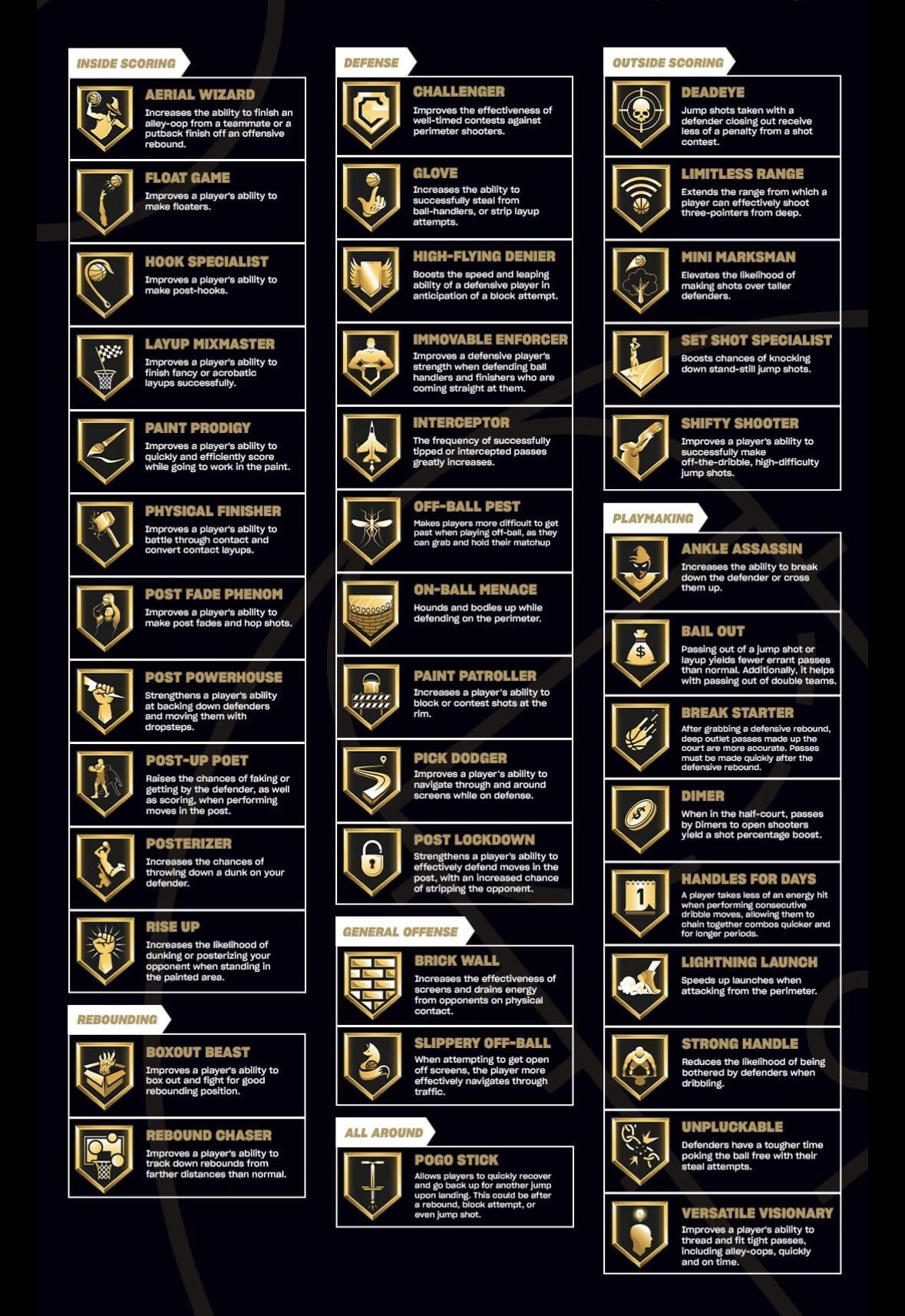
- Use Player Badges: Look for players with rebounding badges that will enhance their skills.
Online Modes
When you’re playing against other people online, you need to be extra smart about rebounding. Opponents are just as good, or sometimes better, than the game’s AI. You need to use all of the techniques we’ve talked about to be successful. Here’s what to keep in mind when you play online:
- Be More Aggressive: Opponents are likely trying to rebound too, so you need to be aggressive.
- Utilize Box Outs: Don’t forget to box out opponents to get the rebound.
- Be Smart: Anticipate where the ball will bounce to get better positioning.
Advanced Rebounding Drills
Want to become a rebounding pro? Here are some practice drills that you can do to improve your rebounding skills. These drills will help you refine your timing, positioning, and anticipation.
Wall Rebound Drill
This drill helps you improve your timing and hand-eye coordination for rebounds. Throw the ball against a wall and then try to grab it when it bounces back. You can also practice tapping the ball back to yourself instead of catching it outright. This drill can be done with a basketball or any object that bounces.
- Focus on Reaction: Concentrate on reacting quickly to the ball as it bounces.
- Vary the Throw: Change the angle and force of your throws for different bounces.
- Repetition: Keep practicing until your timing and awareness improve.
Partner Rebound Drill
This drill involves a partner throwing the ball and you practice getting into position for rebounds. You should practice boxing out your partner and timing your jump to secure the rebound. Make sure you are giving each other feedback and helping each other improve.
- Practice Boxing Out: Focus on getting in front of your partner to secure the rebound.
- Work on Timing: Practice timing your jumps to grab the ball at its highest point.
- Communicate: Help each other by giving feedback and making each other better.
Chair Drill
This drill uses chairs or cones as obstacles to help you improve your awareness and decision-making when rebounding. Scatter the chairs or cones and practice getting around the obstacles to rebound the ball. Make sure you are varying the position of the objects to keep the game fresh and your training interesting. These will improve your rebounding skills in different situations.
- Change Your Path: Practice getting around different obstacles on your way to the rebound.
- Anticipate the Bounce: Learn how to adjust your positioning based on the obstacle.
- Keep It Interesting: Vary the location of your chairs or cones to make it challenging.
Adapting to Changes
The game of basketball is always changing, so it’s important to adapt. The game developers might change some things through updates, or your opponents might start using different strategies. Here are some tips to help you adapt to changes.
Stay Updated
Keep checking for game updates and news about any changes to the rebounding system. Also, pay attention to how players are playing online. Check the NBA 2K communities and watch gameplay videos for fresh ideas about how to rebound in the game.
Experiment with Strategies
Try different rebounding strategies in practice games. If something is not working, then try something new. The goal is to learn what works best for you. Don’t be afraid to try new things. Each player will have a unique play style, so don’t be afraid to find what works best for you.
Analyze Your Games
If you’re struggling with rebounds, watch replays of your games. This will help you identify what you could be doing better. Watch for patterns that might help you find better rebounding opportunities. This is the best way to improve and refine your techniques.
The rebounding system in NBA 2K25 adds a great amount of depth and complexity to the game. By understanding these new mechanics, using smart techniques, and practicing regularly, you’ll be on your way to becoming a rebounding king in no time. Remember to focus on the basics, learn the new mechanics, and practice your skills, and you’ll be able to dominate the boards in NBA 2K25. So go out there, jump high, and get those rebounds!
TOP 3 BUILDS IN NBA 2K25! Best ALL-AROUND GUARD & CENTER BUILDS! Best Build NBA 2K25!
Final Thoughts
The changes to player positioning and animations greatly impact the outcome of rebounds. Timing and box-outs become even more important. Players must adapt to these adjustments for securing possessions.
Accurate positioning and a firm understanding of player attributes are crucial. NBA 2K25 rebounding system requires a more strategic approach. Players will need more practice to excel.

