
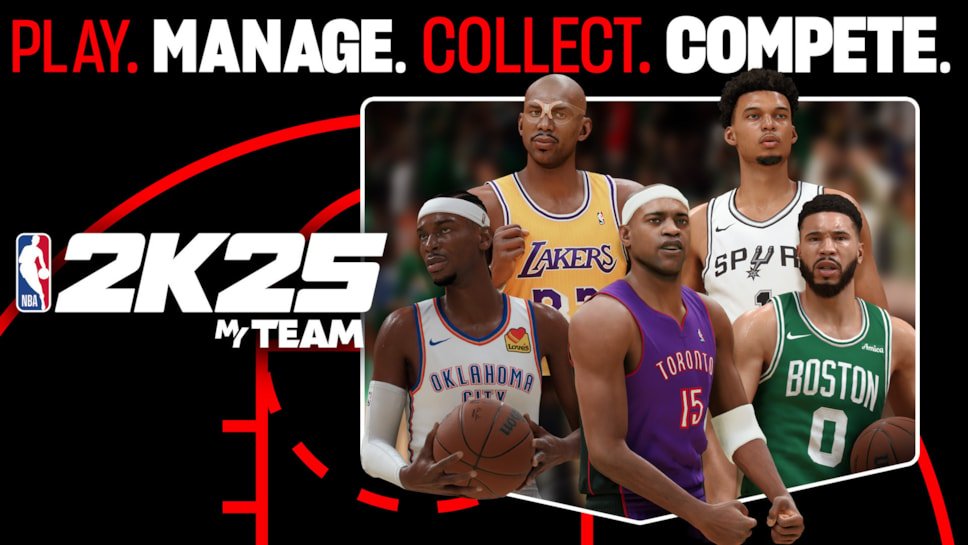
The NBA 2K25 roster management details include the ability to trade players, adjust lineups, manage contracts, and develop your team’s talent through training.
Ready to dive deep into the intricacies of team building? This year’s NBA 2K game brings exciting changes, specifically when we talk about NBA 2K25 roster management details.
Expect more control over your franchise, allowing for strategic depth in how you shape your team for long-term success. You will find several options for creating a winning team.
From making savvy trades to nurturing young talent, prepare to get immersed in the complex yet fun world of basketball management. Get ready for the new season.

NBA 2K25 Roster Management Details
Alright, hoop fans! Let’s dive deep into the exciting world of NBA 2K25 roster management. If you’re anything like me, you know that building the perfect team is just as fun as sinking that game-winning three-pointer. This isn’t just about picking your favorite players; it’s about strategy, planning, and knowing how to make the most of what you have. So, grab your jersey, lace up your digital sneakers, and let’s get started!
Understanding the Basics of Rosters
Before we get into the nitty-gritty, let’s make sure we’re all on the same page about what a roster actually is. In NBA 2K25, your roster is your team – the collection of players you control in different game modes. Each player has different skills, abilities, and positions. Knowing how to use them effectively is key to winning games. Think of your roster like a puzzle: each player is a piece, and you need to put them together in the right way to create a winning picture.
The Importance of Player Positions
Understanding player positions is crucial. Each position has its specific roles and responsibilities on the court. Here’s a quick breakdown:
- Point Guard (PG): The playmakers, responsible for handling the ball, setting up plays, and passing to open teammates. They often have high dribbling and passing skills. Think of them like the quarterback of your basketball team.
- Shooting Guard (SG): Typically good shooters who can score from the outside. They also need to be able to create their own shot and play decent defense. They are key to putting up points.
- Small Forward (SF): Versatile players who can score, rebound, and play defense. They need to be able to do a bit of everything. Think of them as the do-it-all players.
- Power Forward (PF): Stronger players who play inside, rebound, and score in the post. They need to be physical and play hard around the basket.
- Center (C): The tallest players on the court, responsible for protecting the basket, grabbing rebounds, and scoring near the rim. They are the anchor of your defense.
Having players in their right positions is more than just a formality. It allows for a more natural flow in your offense and helps your defense work smoothly.
Player Ratings and Badges
Each player in NBA 2K25 has a set of ratings that determine how good they are at certain skills. These ratings range from 0 to 99. A higher rating means the player is better at that specific skill. For example, a player with a high three-point rating is more likely to make three-point shots. It’s important to pay attention to these ratings when building your team.
But it doesn’t stop there! Players also have badges, which are like special abilities. These badges provide boosts in specific areas. For example, the “Corner Specialist” badge helps players make more corner three-pointers, and the “Rim Protector” badge helps players block more shots. Understanding how these badges work and how they complement player ratings can be a game changer. For example, pairing a high rated shooter with a shooting badge will increase the success rate of shots even more.
Navigating the Roster Screen
The roster screen is where you’ll spend a lot of time managing your team. It’s your command center for everything from making trades to adjusting your lineup. Let’s break down what you’ll typically find there. Usually, you will find a list of all players, their ratings, badges, and contract situations. The screen is simple to use and has a very clear visual display.
Making Smart Trades
Trades are a big part of roster management. Want to get that superstar to boost your chances for a championship? Or maybe you need to offload a player who isn’t performing well? The trade system in NBA 2K25 allows you to swap players with other teams. But you need to remember that teams have different valuations of players, and you have to manage your trades accordingly. Some tips for making good trades include:
- Identify needs: Figure out where your team is weak and what type of player you are missing.
- Look at player contracts: Be aware of how much money a player is making. It may influence the trading terms and your salary cap.
- Consider player potential: Sometimes a younger player with high potential is better than an older player with better stats right now. Look to the future.
- Do your research: Don’t just trade for names; look at the underlying data for each player you wish to obtain.
Remember, good trades don’t always happen right away. You might have to make a few moves to get the right player. Be patient and keep working at it. If you offer lopsided trade offers, the opposing team will reject them.
Understanding the Salary Cap
The salary cap is a limit on how much money you can spend on players’ salaries each year. This is a key feature in franchise mode, where long term team planning will help. It’s not possible to build a super-team with all the best players because of the salary cap. You need to be smart about how much you pay each player. Overpaying a player can limit your ability to sign other good players. Here are some tips:
- Avoid overpaying: Don’t overpay players just because they’re popular. Look at their impact on the court and their contribution to your wins.
- Manage contracts carefully: Pay attention to the length and value of each contract. Think about how it will affect your long term strategy.
- Use rookie contracts: Rookie players are usually on cheaper contracts. Use this to your advantage when team building.
Diving Deeper into Player Development
It’s not always about trading for the best players. Sometimes, it’s about growing and developing your own. NBA 2K25 lets you train and improve your players’ skills. With training regimes, you can influence the direction of their growth. Players improve their skills over time as they gain experience and training hours. Here are some key elements:
Training Regimes
Training regimes in NBA 2K25 allow you to choose which skills a player should focus on. Do you have a player who’s a good shooter but needs to work on their defense? You can create a training schedule to address that. This allows you to shape your team’s overall identity and improve the areas of need. Some specific training styles include:
- Shooting Drills: Focuses on improving shooting from all areas of the court
- Finishing Drills: Improves the ability to make layups, dunks and other baskets close to the rim
- Playmaking Drills: Improves the ability of the player to dribble and pass
- Rebounding Drills: Improve the ability to grab boards from the offensive and defensive end
- Defensive Drills: Focuses on improving the ability of the player to steal and block shots, and also play good man defense.
Potential
Every player has a potential rating, which indicates how much they can improve. Younger players usually have higher potential than older players. If you have young players, you will see that they can grow a lot over the years. Invest in them and they will pay you back in wins.
Mentorship
Experienced players can help younger players grow faster. Pair up older mentors with younger players to accelerate their growth. This can provide valuable insight into the game and help young players develop faster. This is a good use of older players on your roster who do not contribute as much to your winning chances.
Strategies for Roster Construction
Building a successful roster is more than just having the best players. It’s also about having a team that plays well together and fits your style. There are lots of strategies and approaches to team building. Some teams may prioritize scoring, while others might focus on defense. There are some key strategies that you may like to consider.
The Importance of Team Chemistry
Team chemistry is a hidden stat that can significantly affect how your team performs. Players with good chemistry tend to play better together, while players with poor chemistry might struggle even if they have great skills. You can improve team chemistry by:
- Having players with good personalities: Some players are team players and tend to bond well with other players. Others are more individual and may not work well as a team.
- Playing players with similar skill sets: Players with similar skills tend to work well together. For example, two high volume scorers are likely to work well.
- Keeping players happy: If players are happy with their roles and playing time, the team morale and chemistry will improve.
Building Around Star Players
Many teams try to build around a star player, selecting players to complement their abilities. If you have a great scorer, you may surround him with a good playmaker and a rim protector. This approach can provide a direction for the team and simplify your team-building approach. Here are some things to think about when creating a team around a star player:
- Know their weakness: Know the areas that the star player needs assistance in. For example, is he a bad defender? Try to surround him with good defensive players.
- Balance the roster: Make sure the rest of the players have different strengths. Do not build a roster of all scorers. You need defenders and rebounders as well.
- Do not overpay: Make sure that the star player contract does not limit the possibilities for your team building process.
Utilizing Role Players
Role players are very important for any good team. They are players who might not be stars, but they play a key role on the team. They are the players who do the little things well. Some examples of role players include:
- Defensive Specialists: They focus on defense. They usually do not score many points, but are key defensive players that can be used to shut down opposing star players.
- Three-Point Shooters: Players who can make shots from outside the three point line. They space the floor and provide scoring options from distance.
- Rebounders: Players who focus on rebounding. They provide offensive and defensive rebounds.
- Playmakers: Players who focus on assisting the team’s offense. They are good passers and can find open players.
Advanced Roster Management Tips
Once you have a good understanding of the basics, there are a few more advanced tips to keep in mind.
Scouting Future Talent
Don’t just focus on your current roster. Look at future draft classes. Look at younger players and their potential. If you are playing a franchise or season mode, look for potential future stars who will take over your team when the older players retire. A good scouting system helps ensure you will have future talent on your team. This is key for long-term franchise success.
Understanding Player Tendencies
Every player has tendencies that dictate what they are more likely to do. One player might be more likely to drive to the basket, while another will try to shoot a three-pointer. Understanding these tendencies can help you decide how to utilize each player. Some tips include:
- Review tendencies during game: While playing games, keep an eye on the players tendencies, that way you know the plays that they are likely to attempt.
- Match tactics with tendencies: Select players that play in your desired style. If you want a shooting focused offense, pick players who like to shoot.
Keeping Your Roster Fresh
Don’t be afraid to make changes to your roster. If a player isn’t performing well or if you need to address a weakness, make a trade. A stagnant roster can lead to losses. Some of the signs that you need to shake up your roster include:
- Losing streaks: Long losing streaks may indicate that your team’s chemistry and quality needs to improve.
- Underperforming players: If some players do not meet expectations, consider replacing them with others.
- Better trade offers: If you receive a very good trade offer, consider taking it to improve your roster.
Managing your NBA 2K25 roster is a fun and rewarding experience. By understanding the basics, diving into player development, and using some clever strategies, you will be well on your way to building your perfect team. Keep practicing, keep learning, and most importantly, keep having fun!
NBA 2K25 🏀 How To Create And Use Custom Rosters
Final Thoughts
NBA 2K25’s roster management seems to offer deeper customization with player roles and potential trading options. Expect detailed control over your team’s makeup and progression. The specific functionalities will truly define your experience.
These new tools mean improved strategic decision-making for your squad. You must carefully consider each move in the game. NBA 2K25 roster management details become crucial for success. The changes promise impactful gameplay.

