
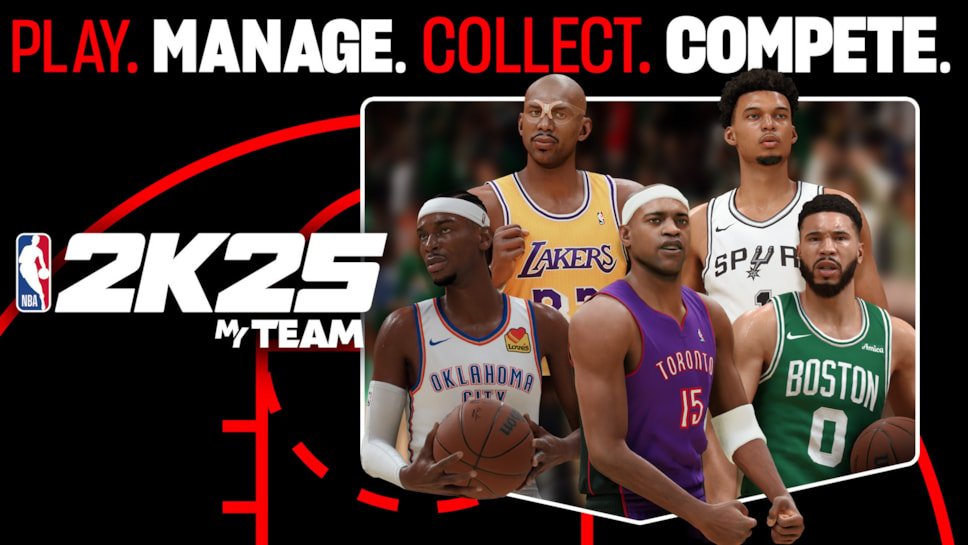
Effective NBA 2K25 roster management involves trading players, adjusting lineups, and developing talent to build a competitive team.
Diving into the intricacies of NBA 2K25 can be both exciting and challenging, especially when it comes to team building. Understanding the details of NBA 2K25 roster management overview is crucial for success in the game’s various modes.
You need to know how to make the right moves to achieve your ultimate basketball goals. Learning the nuances of team management will drastically improve your game and experience with NBA 2K25.

NBA 2K25 Roster Management Overview
Okay, so you’re ready to dive into NBA 2K25 and build your dream team? That’s awesome! But before you start throwing alley-oops and draining threes, you need to understand roster management. It’s not just about picking the highest-rated players. It’s about strategy, planning, and knowing what each player brings to the table. Think of it like building a puzzle; each player is a piece, and you need to fit them together just right to make a winning picture. Let’s break down everything you need to know to become a roster management pro in NBA 2K25!
Understanding Player Roles and Archetypes
Before you start moving players around, it’s super important to understand what they’re good at. In NBA 2K25, players have different roles and archetypes. Think of them like classes in a video game – each has unique strengths and weaknesses.
Main Player Roles
Here are some common player roles you’ll find:
- Point Guard (PG): These are your playmakers. They dribble the ball up the court, pass to teammates, and often run the offense. They need good passing skills and ball handling.
- Shooting Guard (SG): These players are known for their scoring ability, especially from long range. They can shoot well from beyond the three-point line.
- Small Forward (SF): These are versatile players who can do a bit of everything – score, rebound, and defend. They’re often a key part of your team’s strategy.
- Power Forward (PF): They are strong and can score both inside and out, and often grab a lot of rebounds. They’re tough and play a physical game.
- Center (C): These are the big guys who protect the basket, rebound, and score close to the rim. They’re super important for defense and inside scoring.
Player Archetypes
Within these roles, players also have archetypes, which further define their skills. These archetypes might include:
- Playmaker: Excellent passers and ball-handlers.
- Sharpshooter: Deadly from three-point range.
- Slasher: Great at driving to the basket and finishing.
- Rebounder: Strong at grabbing rebounds, both offensive and defensive.
- Lockdown Defender: Top-notch defenders who can shut down opposing players.
Understanding these roles and archetypes helps you build a balanced and effective team. You wouldn’t want a team full of just sharpshooters, would you? You need different skills to win!
Scouting and Evaluating Players
Okay, so now you know the basics of player roles. How do you find the right players for your team? That’s where scouting comes in! Scouting helps you see what players can do and figure out if they’d be a good fit for your style of play.
Key Player Attributes
When you’re looking at players, pay attention to these attributes:
- Overall Rating: A general measure of a player’s skills. While helpful, don’t rely on this alone.
- Shooting: How well a player shoots, both inside and outside the three-point line.
- Finishing: How well a player scores at the basket, such as layups and dunks.
- Playmaking: How well a player handles the ball and passes.
- Rebounding: How well a player grabs rebounds.
- Defense: How well a player defends and steals the ball.
- Athleticism: A player’s speed, jumping ability, and strength.
How to Scout
In NBA 2K25, you can scout players in different ways:
- Using the Player Database: Check out the game’s database for all players and their attributes. You can also see player tendencies, which tells you what they like to do on the court.
- Watching Gameplay: Watch players in practice, scrimmages, or games. See how they move and perform. Do they fit your strategy?
- Checking Player Cards: Each player has a card that displays their key stats, badges (special abilities), and other important information.
Remember, a player with a high rating isn’t always the best fit. You need players that play well together.
Team Chemistry and Lineup Optimization
So, you’ve got a bunch of talented players. But are they playing well together? Team chemistry is a really important part of roster management. When players have good chemistry, they play better, pass better, and win more games. It’s like having a group of friends on the court!
Factors Affecting Chemistry
Several things influence your team’s chemistry:
- Player Personalities: Some players just click better with others based on their in-game personalities.
- Play Style: Players who have similar playing styles tend to form better chemistry on the court.
- Time on the Court: The more players play together, the better their chemistry will likely be.
Optimizing Your Lineup
A good lineup means having the right players in the right positions for different situations. Here’s how to make your lineup the best it can be:
- Starting Lineup: Pick your five best players who also have good chemistry. Think about having a balanced group of scorers, defenders, and playmakers.
- Bench Players: Have players ready to come off the bench and give your starters a break. Sometimes, your bench can even surprise you with how well they play!
- Matchups: Think about which players match up well against the other team’s players. If they have a good shooter, put one of your best defenders on them.
- Player Tendencies: Understand how each player plays. Some players might be good in specific situations, like late in the game.
Experiment with different lineups to find what works best. Don’t be afraid to change things up if you’re not seeing the results you want. Maybe a player you didn’t think much of before will be your next superstar!
Contracts and Salary Cap
Okay, here’s where things get a little more complex, but don’t worry, it’s not too hard. Just like in real NBA, there’s a salary cap in NBA 2K25. This means that there’s a limit to how much money you can spend on player contracts. You need to manage your money carefully to make sure you have enough to build a good team.
Understanding Contracts
- Player Salaries: Each player has a salary based on their overall rating, potential, and popularity. Star players cost more money than role players.
- Contract Length: You can sign players to contracts that last a certain amount of years.
- Free Agency: When a contract is up, the player becomes a free agent and can sign with a new team.
Salary Cap Management
Here’s how you can manage the salary cap:
- Balancing Star Power and Role Players: You might need some star players, but you also need good, affordable role players. This helps you not go over the salary cap.
- Trading Players: If you’re over the salary cap, you might have to trade players to free up some money.
- Drafting Players: When you draft young players, they don’t cost as much money, which can be a good way to add talent to your team while staying under the salary cap.
Managing the salary cap is like a game within a game! You need to make smart decisions to keep your team competitive without spending too much money.
Trading and Acquisitions
Sometimes, you might need to make some big moves to improve your team. That’s where trading comes in. Trading players is a great way to bring in players that fit your team and strategy. You can also find great players in free agency and the draft.
Making Smart Trades
Here are some tips for making smart trades:
- Target Specific Needs: Figure out what your team is missing. Do you need more scoring, better defense, or stronger rebounding? Trade for players who can fill those gaps.
- Don’t Overpay: Don’t give up too much talent in a trade. You want to make sure you are getting fair value.
- Consider Player Potential: Don’t just look at a player’s current rating, look at how much better they could become in the future. Young players with high potential can be very valuable.
- Negotiate: Don’t be afraid to make counteroffers in trades. You can negotiate the terms to get the deal you want.
Free Agency
Free agency is a great way to pick up players that aren’t under contract. When players become free agents, you can sign them to your team if you have the money and the roster spot.
The NBA Draft
The NBA Draft lets you pick young players who are just starting their careers. These players may not be stars right away, but they can have high potential to be great players in the future. If you make good draft picks, you can build a really strong team over time.
Player Development
Roster management isn’t just about picking great players; it’s also about making them better. This means training them and developing their skills. When your players improve, your team gets better too.
Training Regimens
How to develop your players:
- Practice Drills: There are lots of drills you can do in practice that focus on different skills, like shooting, playmaking, and defense.
- Individual Focus: Focus on the specific skills each player needs to improve. A player who’s bad at three-pointers should focus on shooting drills.
- Game Time: The more players play in games, the more experience they gain and the better they get.
Badges and Progression
Players also get badges, which are like special powers that give them a boost in certain areas. You can earn badges by completing goals and training. The more badges your players have, the better they will play.
Making sure your players are always improving will make your team much more powerful. It’s a great feeling to see players grow from young prospects to team leaders!
Adapting to Different Game Modes
In NBA 2K25, there are lots of ways to play the game. Different game modes need different roster management strategies. Let’s take a look at a couple of them:
MyLEAGUE and MyGM
These modes let you control an entire team and run everything, from trades to draft picks. Roster management here involves long-term planning and making decisions that build a dynasty.
MyCAREER
In this mode, you create your own player and play through their career. Here, roster management is different because you don’t control your entire team, but you need to work on developing your own player and fitting into your team.
Online Modes
Online modes mean playing against other people, and you’ll have to adapt your roster management to different strategies and playing styles. You might need to bring in different types of players. Be flexible and don’t be afraid to change things up.
Each mode gives you something different, so try out them all. Once you do, you’ll quickly figure out how to build a team that can win!
Advanced Roster Management Tips
Now that you have the basics down, let’s look at some tips to take your roster management skills to the next level:
Analyzing Player Stats and Analytics
Pay attention to the stats that each player puts up and use them to figure out who is a good player for you. Look at things like how many points each player scores, how many rebounds they get, how many steals they make, and how well they pass. These numbers can tell you a lot about how a player contributes to the team.
Utilizing Player Tendencies
Every player has certain things that they like to do on the court. Some players love to shoot three-pointers, others are good at driving to the basket, and still others are great rebounders. Understanding these tendencies will help you figure out how to best use each player.
Keeping an Eye on Player Morale
Players who are happy and get along with their team are more likely to play well. Pay attention to the players who are unhappy, and see if you can make things better or if you need to trade them.
Learning all these things is like learning a new language. The more you play, the easier roster management will become. Don’t be afraid to try different things and see what works best. Over time, you’ll become a roster management expert!
By understanding player roles, scouting, team chemistry, contracts, trading, and player development, you’ll be well on your way to becoming a roster management pro in NBA 2K25. Remember, it takes time and practice, so don’t get discouraged if things don’t work out perfectly at first. Just keep trying, and you’ll create a team that is awesome!
NBA 2K25 – How To Use A Custom Roster In MyNBA Era's
Final Thoughts
NBA 2K25’s roster management offers crucial control over your team’s destiny. You can adjust lineups, make trades, and develop players to fit your style. Careful planning is essential for success.
Effective roster moves lead to better on-court results. Pay attention to player ratings, potential, and contract situations. These elements greatly impact your team’s growth.
This detailed management system emphasizes the importance of strategic choices. Understanding all facets of NBA 2K25 roster management overview is critical for championship contention.

