
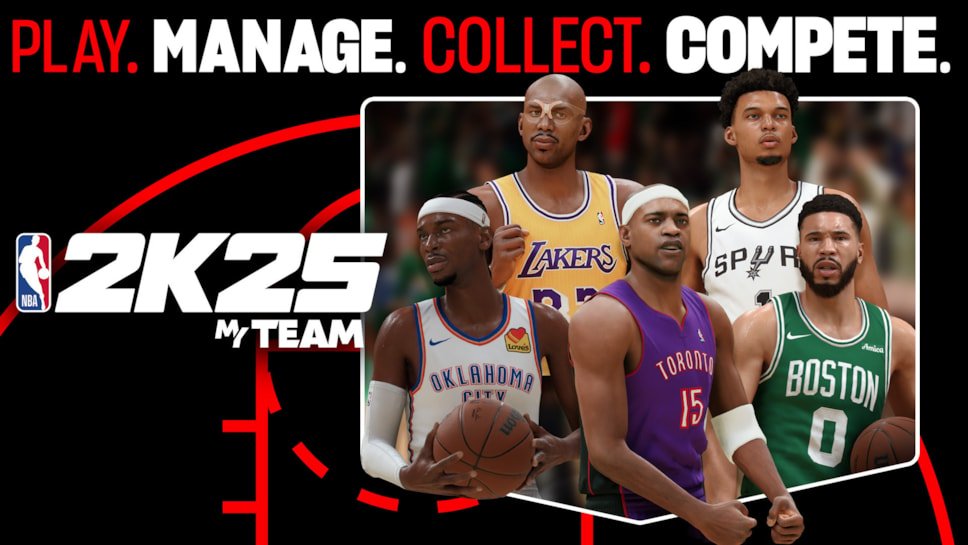
‘Effective NBA 2K25 roster management requires focusing on player attributes, team chemistry, and strategic trading to build a winning team.’
Navigating the complex world of basketball can be challenging; and it’s the same for virtual basketball. We all strive for that perfect franchise and knowing NBA 2K25 roster management tips is essential to winning championships.
Selecting the right players and understanding their strengths and weaknesses will make all the difference. Balancing star power with role players is also key for consistent success. Learning these tips is vital to domination.

NBA 2K25 Roster Management Tips
Getting your team just right in NBA 2K25 can be the difference between winning a championship and getting knocked out in the first round. It’s not just about having the highest-rated players; it’s about building a team that fits your play style and has the right chemistry. This guide will give you the inside scoop on how to manage your roster like a pro, from scouting rookies to making smart trades. We’ll break it down into simple steps so that even if you’re new to the game, you can build a dominant squad. Let’s dive in and start turning your team into a contender!
Understanding Player Roles and Archetypes
Before you start making big moves, you need to know what each player brings to the table. NBA 2K25 uses a system of roles and archetypes to define a player’s strengths and weaknesses. Thinking about these roles is important when deciding who to start, who to trade, and who to develop. Here’s a closer look at what they mean:
Primary Roles
- Point Guard (PG): These are your playmakers. They usually have high passing and ball-handling stats. They bring the ball up the court, create scoring chances, and are usually fast. Think of them as the quarterbacks of your team.
- Shooting Guard (SG): As their name suggests, these players are known for their ability to score. They’re usually strong shooters, good at getting open, and can drive to the basket.
- Small Forward (SF): These players are often the most versatile on the court. They can score, rebound, and play defense. They’re a mix of a shooting guard and a power forward and can adapt to different game situations.
- Power Forward (PF): These guys are your rebounders and inside scorers. They are strong and can protect the paint on defense and score around the basket on offense.
- Center (C): The big men down low. They’re the best rebounders and shot blockers on the team. They’re often the tallest and strongest players on the court and important to any team.
Player Archetypes
Beyond the main positions, each player has an archetype that further defines their abilities. Some common archetypes are:
- Playmaker: Great passers and ball handlers, excel at setting up teammates for scores.
- Slasher: Athletic players who drive to the basket effectively, usually with excellent speed.
- Sharpshooter: Players who are deadly from beyond the three-point line, need space to shoot effectively.
- Lockdown Defender: Players who are strong defenders and specialize in stopping the best scorers from the other team.
- Rebounder: Players who grab a lot of rebounds on both offense and defense, use their strength to gain position on the court.
- Paint Beast: Dominant players in the paint, excel at scoring inside and rebounding.
- Two-Way: A great mix of offense and defense, these players are well-rounded and fit into different lineups.
Knowing these roles and archetypes is crucial to create a balanced team. A team full of all shooters may score well, but struggle on defense. A team full of playmakers might lack scoring punch. Find players who complement each other for the best results.
Scouting and the NBA Draft
The NBA Draft is your chance to find young talent and build for the future. Scouting is key here, and it involves not just picking the highest rated player, but finding players who fit your needs. Here’s how you can approach it:
Pre-Draft Scouting
- Attend Workouts: Before the draft, teams will workout potential draftees. Watch these closely, noting their strengths, weaknesses, and if they seem to fit your team’s play style.
- Analyze Stats: Look at their stats from college or overseas. Are they good shooters? Rebounders? Defenders? Use the stats to figure out if they will be a good fit for your team.
- Check Player Profiles: NBA 2K25 provides profiles on each player, showing their skills and potential. Pay attention to their potential grades, which predict how good they can become with development.
- Consider Team Needs: Do you need a shooter? A defender? A point guard? Before the draft, know what you need so you aren’t just taking the best available player and hoping they fit.
During the Draft
- Trade Up or Down: If you have a specific player in mind, or feel that your team has more areas of need than just one pick, trading up or down to get the picks your team needs, can be very beneficial.
- Don’t Just Draft For Potential: While potential is nice to have, don’t draft a player just because they might be great in the future. Be sure that the draftee has an actual position and skill that you need on your team.
- Watch For Steals: Sometimes a really good player will fall down the draft board. Be ready to pick them up if they fit your team.
- Avoid Reaching: Don’t take a player just because you need a certain position. If they aren’t the best available, try to trade down to get a player you do think is worth the pick.
Trades and Free Agency
Trades and free agency are critical to improving your team quickly. They allow you to get players with the talent and skills your team needs to win now. Here’s how to make the most of these opportunities:
Making Effective Trades
- Evaluate Trade Value: Before offering a trade, look at how much each player is worth. Check their ratings, contract, and how important they are to their current team. Overpaying isn’t always a good thing.
- Target Needed Skills: Focus on trades that get you the skills your team lacks. If you need a three-point shooter, go after one. If you need a defender, don’t trade for an offensive player.
- Consider Contract Length: Look at players’ contracts. Try to avoid getting stuck with players on long contracts, especially if you don’t think they fit your team’s plans for the future.
- Be Realistic: Teams rarely give up their best players easily. If you want to get a star, expect to give up something valuable in return like good players, or high draft picks.
- Use Multiple Assets: Don’t be afraid to bundle multiple players or picks to get the player you want. If it gives you the best chance to win, don’t hesitate.
Navigating Free Agency
- Identify Your Needs: Before free agency starts, know what positions and skills you need. This will keep you focused when players start signing contracts.
- Don’t Overpay: Avoid signing players to big contracts just because they are big names. Check if they will be a good fit for your team and if their skills are what your team needs to win.
- Look for Value: Try to find players who are good but might be undervalued. These are players who can contribute without breaking your bank.
- Consider Player Potential: Think about players who are young and have potential to improve, not just players who are good now. They could be more valuable in the long run.
- Fill Out the Roster: You need to have a full team. Don’t forget to add bench players, and players who will be good in practice, while getting some minutes in games.
Player Development
Not all players start out as stars. Developing your players is essential for long-term success. Here’s how you can guide their growth:
Training Regimens
- Focus on Weaknesses: Identify your players’ weaknesses and create training programs that target those areas. If someone is a bad shooter, train them on shooting. If someone is slow, focus on agility drills.
- Consider Player Potential: Focus more time on players with higher potential. They are more likely to become stars in the future.
- Customize Training: Adjust training based on what you need each player to improve. Don’t train everyone the same way, focus on the skills they are lacking.
Playing Time
- Balance Development and Winning: Don’t play young players too much too soon. Make sure you’re getting them experience in games, but don’t sacrifice winning games for development.
- Give Everyone a Chance: Sometimes a player needs consistent minutes to show their potential. Give players chances to show what they can do, even if it’s just for a few games.
- Use the G League: Send players to the G League for more playing time. This helps them get game experience without hurting your team in the NBA.
Mentorship
- Pair Veterans With Young Players: Pair young players with veterans who can teach them skills and help them learn.
- Match Personalities: Try to pair players who have similar personalities. This helps them get along better and learn from each other more effectively.
Team Chemistry and Lineups
A team of highly rated players is not always a good team. Chemistry and lineups can help with your team performance. The best teams are those where the players fit well together and enjoy playing with each other. Here’s how to build that:
Building Team Chemistry
- Keep the Core Together: Don’t make a lot of roster changes all the time. The more players play together, the better they will get at playing as a team.
- Consider Personalities: Some players have higher chemistry with each other. When deciding who to add to your team, consider if they might fit well with the players you already have.
- Play Your Best Lineups: When you know your best players, give them the most time together in games. It helps develop chemistry, and gets you wins.
- Positive Attitude: It might seem small, but keeping the morale of the team up, helps players play better. Encourage your players, and focus on the positive aspects of your team.
Creating Effective Lineups
- Match Player Skills: Put players in lineups that complement each other. Use players who can shoot outside with players who are great inside, or pair playmakers with shooters.
- Consider Size and Speed: You want your team to have a balance of size and speed. Don’t have a lineup with all slow players or all small players. Use a mix.
- Defensive Mindset: Always make sure your team has good defenders on the court. This helps get stops, which can turn into points for your team.
- Play Around Strengths: If you have a team of fast players, push the pace. If you have players who can shoot, use plays that get them open. Play to your team’s strengths.
- Adjust To The Opponent: Every team is different. Make sure you adjust your lineups to fit the other team. If they have a dominant big man, put your best defender on him. If they have shooters, use players who are great at defending the perimeter.
Advanced Strategies
Once you get the hang of the basics, you can start thinking about more advanced strategies:
Salary Cap Management
Be smart with your money. Avoid having a team full of highly paid players and you won’t be able to sign free agents, and you might have to trade a player you want to keep. If you can sign good players who are on smaller contracts, do it. The salary cap can be tricky, but good management can help you get the most out of your team.
Analyzing Advanced Stats
Don’t just look at points. Analyze player stats such as Player Efficiency Rating (PER), True Shooting Percentage (TS%), and other stats to get an idea of how well they play. You might discover a player is really good, even if they don’t always score.
Developing a Playbook
Don’t just rely on the plays you already know. Learn and create new plays that take advantage of your players’ strengths. A well-designed playbook can make your team more effective.
Using Analytics
Use all the tools the game gives you to get better. Use advanced analytics, in-depth scouting reports, and training tools to know which players you have and who you can add to your team.
Roster management in NBA 2K25 is a continuous process. There will always be ways to improve your team through the draft, trades, or free agency. Don’t be afraid to make moves. The best managers are always looking for ways to be better. It takes time and effort, but if you follow these tips, you’ll see your team get better. You’ll eventually find your team is not only fun to play with but also a contender for the championship.
NBA 2K25 Beginner Tips and Tricks- How To Get Wins ASAP!
Final Thoughts
Effective roster building in NBA 2K25 demands a careful balance of star power and role players. Prioritize players who fit your playstyle and system. Trading assets for future draft picks can benefit long-term growth.
Pay close attention to player ratings and badges. Regularly scout and assess talent in the draft. These NBA 2K25 roster management tips help build a successful team. A smart approach to team construction is crucial for winning championships.

