
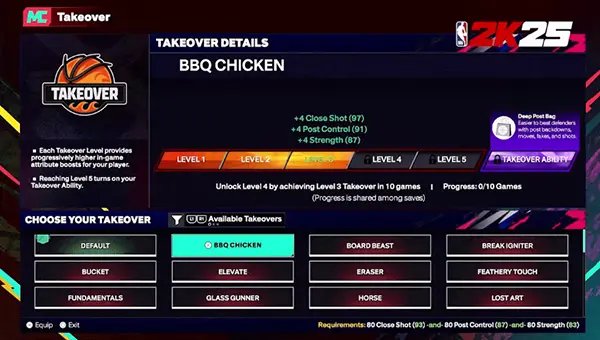
Understanding NBA 2K25 statistics requires analyzing player attributes, badges, and tendencies to predict on-court performance.
Navigating the world of virtual basketball can be tricky; knowing what the numbers mean in NBA 2K25 is key to success. This NBA 2K25 statistical interpretation guide will help you understand the numbers you see on screen. We will break down player stats, making it clear how they impact the game.
This guide makes deciphering player performance easier by exploring what each attribute represents. It empowers you to build a better team by identifying players that complement your strategy. Get ready to dominate by understanding the intricate data of NBA 2K25.

NBA 2K25 Statistical Interpretation Guide
Understanding the numbers in NBA 2K25 is super important if you want to become a real baller, whether you’re playing MyCAREER, MyTEAM, or just doing some quick games with your friends. It’s not just about seeing high numbers; it’s about knowing what those numbers mean and how they can help you play better. This guide will break down all the key stats, making them easy to understand and use to your advantage. We’ll go through player stats, team stats, and even some of those advanced metrics that the pros use. Get ready to see the game in a whole new way!
Decoding Player Attributes
Let’s start by diving into what makes a player, well, a player in NBA 2K25. Each player has a bunch of attributes that decide how they perform on the court. Think of these attributes as the building blocks of your player’s skills. Let’s break down some of the most important ones:
Scoring Attributes
These numbers dictate how well a player can put the ball in the hoop.
- Close Shot: This tells you how good a player is at scoring near the basket, think layups, dunks, and short hooks. A high number here means they’re likely to score when close.
- Mid-Range Shot: This is all about those shots from the free-throw line to just inside the three-point arc. If a player has a good mid-range game, this number will be high.
- Three-Point Shot: A staple in modern basketball! This rating determines how often a player makes shots from behind the three-point line. A high number here will have you draining threes all game long.
- Driving Layup: This affects a player’s ability to make layups when driving towards the basket. It includes the skill to avoid defenders.
- Driving Dunk: This measures how often a player can throw down dunks when driving to the rim. The higher the number, the more spectacular the dunks!
- Standing Dunk: This shows how well a player can dunk while not moving. This is often key for centers and forwards around the basket.
- Post Hook: A classic move in the post, this rating affects how well a player can score with a hook shot.
- Post Fade: How reliable is a player at scoring with a fadeaway in the post? This number shows you.
- Post Control: This number shows how well a player can hold and maneuver the ball in the post, avoiding turnovers.
Playmaking Attributes
It’s not all about scoring; sometimes it’s about setting up your teammates. These are the numbers for that.
- Ball Handling: This helps a player dribble without losing the ball. It’s essential for creating space and making plays.
- Passing Accuracy: The higher this number, the better the player is at making good, on-target passes. No more throwing the ball to the other team!
- Passing IQ: It not only means the accuracy of the pass but also a player’s decision-making on whether or not to pass.
- Speed with Ball: How quickly a player can move while dribbling the ball. It impacts how effective they are in fast breaks.
Athleticism Attributes
These attributes deal with how the player moves and jumps.
- Speed: How fast a player can run from one end of the court to the other. Crucial for fast breaks.
- Acceleration: This shows how quickly a player can reach top speed.
- Vertical: A player’s jumping height. This will help them grab rebounds and make highlight reel plays.
- Strength: The power a player has. It can help with posting up, setting screens, and winning loose balls.
- Stamina: How long a player can play before getting tired. A high stamina player will not slow down later in the game.
Defensive Attributes
Defense wins championships, and these attributes decide how a player is on the defensive end.
- Interior Defense: How well a player can defend near the basket. This is essential for centers and power forwards.
- Perimeter Defense: How good a player is at guarding players on the outside. This is vital for guards and small forwards.
- Steal: The ability of a player to take the ball from an opponent. Good stealers can cause turnovers and start fast breaks.
- Block: This number tells you how often a player can block shots.
- Lateral Quickness: This number shows how well a player moves from side to side while defending, crucial for staying in front of attackers.
- Rebounding: How well a player can get the ball off the backboard, both on offense and defense.
Mental Attributes
These attributes often do not directly show on the court, but they have a significant impact on the performance of the player.
- Offensive Consistency: This number shows how consistently a player will perform on the offensive side of the court.
- Defensive Consistency: This number shows how consistently a player will perform on the defensive side of the court.
- Intangibles: It represents how well a player performs things like boxing out, helping a teammate, etc.
- Clutch: It showcases how well the player plays in the closing moments of a game.
- Free Throw: How often a player makes free throws, especially helpful in close games.
Team Stats: Beyond the Individual
It’s not just about individual players; team stats are vital in NBA 2K25. These numbers show how well your team works together, and they can tell you a lot about your team’s strengths and weaknesses. Let’s look at some important team stats:
Offensive Stats
- Points Per Game (PPG): The average number of points your team scores per game. A high PPG means your team has a strong offense.
- Field Goal Percentage (FG%): The percentage of shots your team makes. A higher percentage means your team is shooting efficiently.
- Three-Point Percentage (3P%): The percentage of three-point shots your team makes. If your team makes a lot of threes, this number will be high.
- Assists Per Game (APG): The average number of assists your team gets per game. More assists can show how well your team works together.
- Offensive Rebounds Per Game (ORPG): The average number of offensive rebounds your team grabs each game. More offensive boards mean more second chance points.
Defensive Stats
- Points Allowed Per Game (PAPG): The average number of points your team allows each game. A lower PAPG means your team has a strong defense.
- Opponent Field Goal Percentage (Opp FG%): The percentage of shots the opposing team makes against you. A lower percentage shows good defense.
- Opponent Three-Point Percentage (Opp 3P%): The percentage of three-point shots the opposing team makes against you. A low number is good.
- Steals Per Game (SPG): The average number of steals your team gets per game. Steals can create turnovers and lead to fast break points.
- Blocks Per Game (BPG): The average number of blocks your team gets per game. A high BPG shows a strong defensive frontcourt.
- Defensive Rebounds Per Game (DRPG): The average number of defensive rebounds your team grabs each game. More defensive boards mean less opportunities for the other team to score.
Other Important Stats
- Turnovers Per Game (TPG): The average number of times your team loses the ball each game. Too many turnovers can lead to easy points for the other team.
- Plus/Minus (+/-): This number shows how many points your team scores more or less than the other team when a certain player is on the court. It’s a good indicator of a player’s overall impact.
- Fast Break Points: Points scored after getting possession of the ball from a rebound or turnover and moving quickly to score.
- Points in the Paint: Points scored inside the restricted area near the basket.
- Bench Points: Points scored by players who are not starters.
Advanced Metrics: Taking Your Game to the Next Level
Now, let’s talk about some advanced metrics, they might seem complicated at first, but they can really help you understand the game at a deeper level. These numbers often go beyond basic box scores and can give you insights that are not readily apparent.
Efficiency Metrics
- Player Efficiency Rating (PER): This is a single number that tries to capture all of a player’s contributions in one go. It’s a good way to quickly see how valuable a player is.
- True Shooting Percentage (TS%): This takes into account the value of 2-point shots, 3-point shots, and free throws. It’s a better indicator of shooting efficiency than basic field goal percentage.
- Effective Field Goal Percentage (eFG%): This adjusts the field goal percentage to account for the extra point from a three-pointer.
Usage Metrics
- Usage Rate (USG%): This shows how often a player ends an offensive possession with a shot, free throw, or turnover. High usage players tend to be the primary scorers.
- Assist Ratio (AST Ratio): The percentage of a player’s possessions that end in an assist. It can show how good a player is at creating scoring opportunities for teammates.
- Turnover Ratio (TO Ratio): The percentage of a player’s possessions that end in a turnover. A lower turnover ratio indicates a better ball-handler.
Rebounding Metrics
- Rebound Rate (REB%): The percentage of available rebounds a player grabs while on the court. It shows how effective a player is at rebounding.
- Offensive Rebound Rate (OREB%): The percentage of available offensive rebounds a player grabs while on the court.
- Defensive Rebound Rate (DREB%): The percentage of available defensive rebounds a player grabs while on the court.
Other Advanced Metrics
- Win Shares (WS): This number tries to estimate how much a player contributes to a team’s wins.
- Box Plus/Minus (BPM): This number estimates a player’s points per 100 possessions compared to an average player. It can show how much impact a player has on the game.
- Value Over Replacement Player (VORP): This number estimates how much more a player contributes than a “replacement level” player.
- Net Rating: This shows the points your team scores more or less than the other team, when a certain player is on the court per 100 possessions.
Putting It All Together: How to Use Stats
Okay, we’ve gone through a whole bunch of numbers. Now, what do you do with them? Here’s how to actually use this information to help you play better in NBA 2K25:
Evaluating Your Players
- Find Strengths: Look at those high attributes. Is your player a great shooter? An amazing defender? Focus on using those skills to your advantage.
- Identify Weaknesses: See the low numbers? That’s where you need to improve. Train to boost them, or avoid getting in situations that show them off.
- Team Roles: Use your player’s attributes to figure out their role on the team. You wouldn’t want a bad shooter to be your primary scoring option.
Improving Your Gameplay
- Strategic Playcalling: Understanding player stats can help you call better plays. If a player has a great three-point shot, use plays that allow them to shoot.
- Matchup Awareness: If a player is going up against a tough defender, change your tactic or match them up with an easier opponent.
- Making Smarter Decisions: Use the stat to guide your decision on whether to take the shot or to make a pass.
- Adjusting Your Roster: Knowing your team’s stats can help you make roster changes to balance the team with good scorers, rebounders, and defenders.
Improving Your MyTEAM or MyCAREER Team
- Drafting and Trading: In MyTEAM, use stats to identify the best players for your team. Prioritize players that fit your system and play style.
- Upgrading Players: In MyCAREER, focus on upgrading the stats that are vital to your play style. No need to waste points on things you’re never going to use.
By paying attention to both individual attributes and overall team performance data, you can gain a deeper understanding of your squad and how to best navigate each game situation. This knowledge will not only help you succeed on the virtual hardwood, but it also enriches your appreciation of the sport as a whole. Remember, statistics are your friend. Use them to understand the game, refine your tactics, and become a true NBA 2K25 champion!
Understanding the stats in NBA 2K25 can seem overwhelming at first, but with a little practice, you can start using these numbers to your advantage. You do not need to know all the stats to become a better player in NBA 2K25, but you should know some basic ones.
NBA 2K25 Shooting Tips: Best Controller Settings Visual Cues #nba2k25 #2k25
Final Thoughts
Understanding each statistic is key to success in NBA 2K25. This guide helps players grasp the meaning behind every number, letting you build better teams. A solid NBA 2K25 statistical interpretation guide is a must for any serious player.
Use this knowledge to analyze player strengths and weaknesses effectively. These insights allow better decision making during drafts and trades. This will give you a real competitive edge.
Ultimately, applying the principles from this NBA 2K25 statistical interpretation guide is crucial for game domination.

