
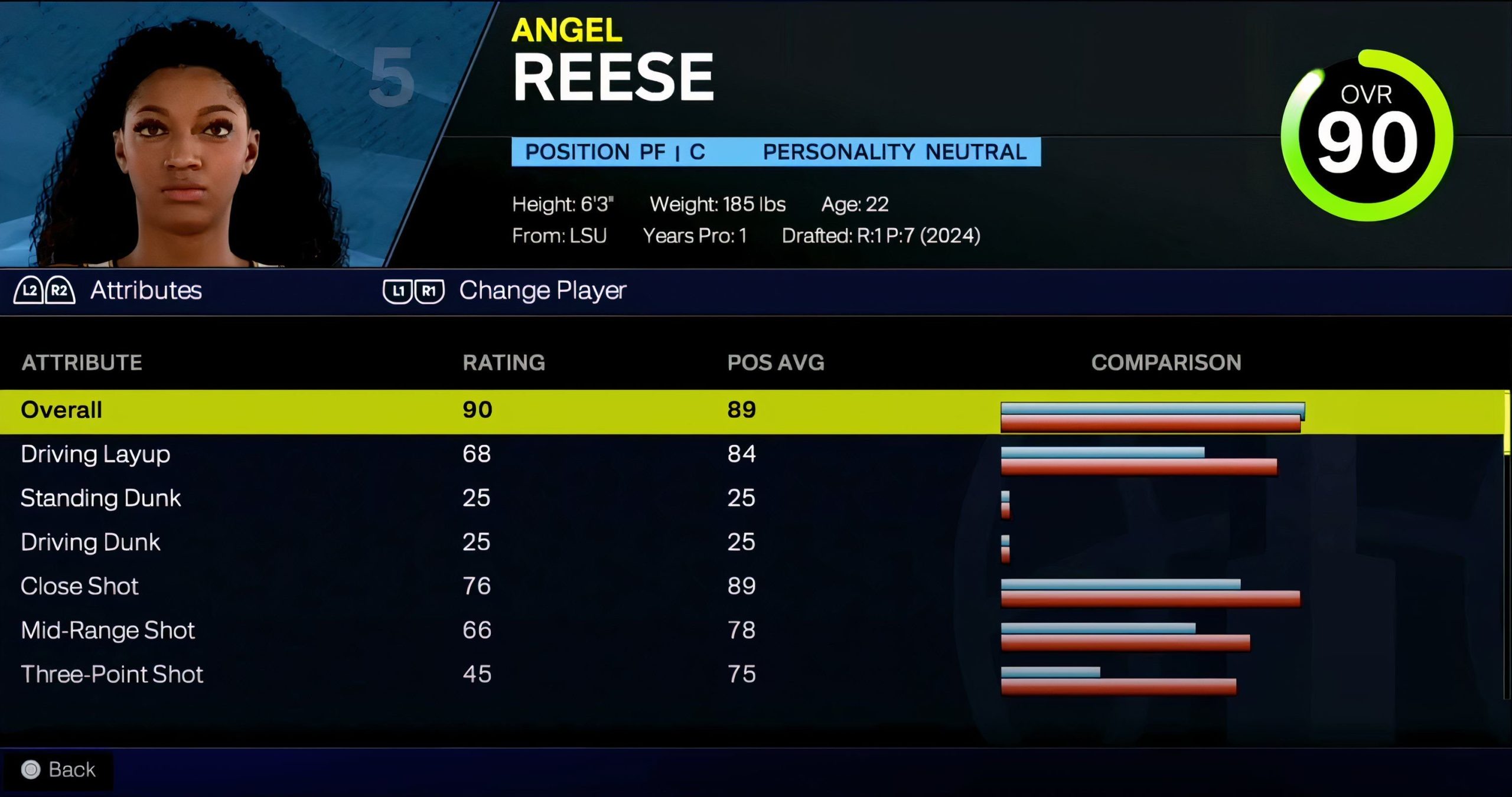
Understanding NBA 2K25 statistical interpretations involves analyzing player performance data, such as points, rebounds, and assists, to assess their in-game effectiveness.
Ever wonder what those numbers on the screen really mean in NBA 2K25? It’s more than just a collection of digits, each statistic tells a story about a player’s performance and impact on the game.
Analyzing these NBA 2K25 statistical interpretations carefully allows you to make smarter decisions. You can improve your strategies both on and off the virtual court. These numbers offer insights into strengths and weaknesses of players and your team as a whole.

NBA 2K25 Statistical Interpretations
Alright, basketball fans! Get ready to dive deep into the numbers behind NBA 2K25. It’s not just about flashy dunks and three-pointers; the game is full of statistics that tell a real story about how players perform. Understanding these stats can seriously improve your game, whether you’re playing MyCAREER, MyTEAM, or just having fun with friends. We’re going to break down what those numbers actually mean and how you can use them to become a true 2K champion. Let’s jump in and see how we can use stats to our advantage!
Understanding Core Player Attributes
First things first, let’s talk about the basic building blocks: player attributes. These numbers define what each player can and can’t do on the court. Think of them like the ingredients in a recipe – some players have lots of one attribute, and not much of another. It’s all about balance and knowing what each number means.
Shooting Attributes:
Shooting is huge in 2K. Knowing the details about different types of shots can give you an edge over opponents. Here’s a breakdown:
- Close Shot: This tells you how well a player can make shots right near the basket. Think layups, hook shots, and shots right under the rim. A high close shot rating is super important for inside scorers like centers and power forwards.
- Mid-Range Shot: This skill is for those smooth pull-up jumpers from the free-throw line area and around. A high mid-range shot rating means the player is comfortable taking shots from that zone. It is important for players who are good at getting into the paint and then taking the shot when defenders fall back to guard the paint.
- Three-Point Shot: The long ball! This stat shows how accurate a player is from beyond the arc. If you see a player with a high three-point rating, it’s a good idea to leave them open at your own risk!
- Free Throw: Can they sink those easy shots from the line? This is a key number to look for, especially in tight games. Having a high free throw rating can give you an advantage in the final minutes.
Playmaking Attributes
Playmaking is all about how a player handles the ball and gets their teammates involved in the action. This isn’t all about flashy passes, though that’s part of it! Let’s see what the different ratings represent:
- Ball Handle: A high rating here means a player can dribble the ball well, making it easier to break down defenders, and get past them. This attribute is important for guards and forwards, especially if they are handling the ball and initiating the offense.
- Passing Accuracy: This stat determines how likely a player is to complete a pass. A high rating is important for point guards and any player who will be running the offense. Accurate passes lead to easy scores!
- Passing Vision: How well can a player see open teammates? This skill helps to make effective and right passes to open teammates, creating chances to score. Players with high passing vision can find teammates in the right spots.
- Speed With Ball: This shows how fast a player can move while dribbling. A high rating here means they’re quick and can push the ball down the court. This is helpful in fast break scenarios and when trying to create an opening for an easy bucket.
Athleticism Attributes
Athleticism is how fast, how strong, and how high a player can jump. These stats are often not flashy but extremely important. Here is a detailed breakdown:
- Speed: How fast a player moves without the ball. High speed lets players beat defenders on cuts and in transition.
- Acceleration: How quickly a player reaches their full speed. It is essential for fast breaks and getting open on the perimeter. A high acceleration attribute means a player can change direction or reach top speed faster than a player with a lower acceleration rating.
- Vertical: The higher a player jumps, the better. This is important for rebounds, blocks, and of course, those crazy dunks. A player with a higher vertical rating can jump higher, get rebounds, and block shots better than players with lower ratings.
- Strength: How much power a player has. This impacts their ability to finish at the rim and battle for rebounds. Strength matters when battling for rebounds and when finishing at the basket with contact from opponents.
- Stamina: How long a player can play before getting tired. A high stamina rating is important for players who play a lot of minutes on the court. Without stamina, their abilities will decrease as they get tired.
Defense Attributes
Defense wins championships! Let’s see what the different defensive stats mean.
- Interior Defense: How well a player defends in the paint. High interior defense ratings are great for big men, such as centers and power forwards, who protect the rim.
- Perimeter Defense: This tells us how well a player can defend players on the perimeter. A high perimeter defense rating means they can lock down players who dribble around the outside, and also defend three-point shooters.
- Steal: How good a player is at taking the ball away. Players with high steal ratings are good at causing turnovers.
- Block: A high block rating means a player can stop the opposing team’s shot attempts. These players can be defensive anchors on the court.
- Rebounding: This is not a single attribute but split into two categories: Offensive Rebounding and Defensive Rebounding. High offensive rebounding means a player will have higher chances to get the offensive rebounds, which will lead to more second-chance points for their team. And defensive rebounding, high rating indicates a player will get more defensive rebounds and help the team gain possession of the ball.
Advanced Stats in NBA 2K25
Beyond the basic player attributes, NBA 2K25 also shows some advanced stats, that can help a player understand the game in a more detailed manner. These stats offer a deeper look into how each player performs on the court, giving you a big picture view of each player. Let’s see what these detailed stats mean:
Efficiency Metrics
Efficiency metrics tell you how well a player performs while having the ball. These are important to understand if a player is playing good or just stat padding. Here are some efficiency metrics to consider:
- Player Efficiency Rating (PER): This is an all-in-one number that tries to measure a player’s overall impact. The higher the number, the better. It considers both positive and negative statistics. A good PER means a player is contributing a lot to their team’s success.
- True Shooting Percentage (TS%): This stat measures shooting efficiency and considers the value of three-pointers and free throws. It is a more accurate way to understand shooting efficiency as it also considers the free throws as well. A high TS% means a player is very effective when taking shots.
- Effective Field Goal Percentage (eFG%): This number is similar to TS%, but it only includes field goals, and it also values three-pointers more. A high eFG% means a player is scoring efficiently from the field.
Usage and Pace Stats
These stats explain how much a player touches the ball, and the pace at which the player is playing the game. Here is a breakdown of these stats:
- Usage Rate: This stat represents the percentage of possessions a player uses while they are on the court. A high usage rate means a player touches the ball a lot, but it can also mean they are taking most of the shots for the team.
- Pace: The pace is the rate of possessions a team is having in a game. A fast-paced team plays at higher speed, with more possessions, and a slower pace team, plays with fewer possessions and uses more clock time in each possession.
Rebounding Statistics
Rebounding is not just about grabbing the ball off the rim. Here is a further breakdown of how rebounds are calculated.
- Offensive Rebound Percentage: This shows how many offensive rebounds a player gets out of all the possible rebounds while that player is on the court. It shows that how good a player is at getting offensive rebounds.
- Defensive Rebound Percentage: This tells you what percentage of available defensive rebounds a player grabbed while on the floor. A high percentage indicates a strong defensive rebounder.
Assist-Related Stats
Assist related stats can give a deeper understanding of a player’s playmaking. Let us see what these stats mean in a more detailed way:
- Assist Percentage: This indicates how many of a team’s field goals a player assists while they are playing. A high assist percentage means they are good at creating opportunities for their teammates to score.
- Assist to Turnover Ratio: This is a really important stat to check. It calculates the ratio of assists to turnovers a player has. The higher the ratio, the better it is, because it means a player is creating scoring opportunities without giving the ball away.
Interpreting Team Stats
Individual players stats are important, but it’s also crucial to look at the team as a whole. This means understanding how each team is performing by looking at team stats. It is a good way to understand how a team is going to play in game. These stats can help you understand team’s playing style, and where they stand in the game. Let’s see what we can learn from the different team statistics:
Offensive Team Stats
Offensive stats will give an idea about how the team attacks the opposition:
- Points Per Game (PPG): A simple stat but still extremely important. This is an average of how many points the team scores per game. High points mean more offense and is the first thing any player checks.
- Field Goal Percentage (FG%): The percentage of shots that the team makes. High FG% means the team is efficient in scoring the ball.
- Three Point Percentage (3P%): The percentage of three-point shots the team makes. This stat tells us how good is the team from the long ball.
- Assist Per Game (APG): How many assists a team has on average. It indicates how well the team is moving the ball.
Defensive Team Stats
Defensive stats show us how good a team is at defending their own basket, which is also an extremely important aspect of basketball, and these stats help to determine how a team is going to defend in the game.
- Opponent Points Per Game (OPPG): The average points a team allows. Lower OPPG indicates the team is good at defending their basket.
- Steals Per Game (SPG): How many steals the team makes on average per game. Teams with higher steal numbers usually put a lot of pressure on the ball.
- Blocks Per Game (BPG): The average number of blocks the team has in each game. A team with more blocks means their defense is solid around the basket.
- Rebounds Per Game (RPG): The average number of rebounds the team gets per game. High rebounds mean the team is good at both offensive and defensive rebounding.
Using Stats for Game Strategy
Now that we have looked at stats, it is time to see how we can use them in the game. Stats in 2K are not just for show – they can be used to create real strategies to win more games. Here are some ideas:
Player Selection in MyTEAM and MyCAREER
When selecting players in MyTEAM or creating your player in MyCAREER, stats are extremely helpful. Don’t just pick the player with the highest overall rating! Look for players who fit your play style. If you like playing inside the paint, get players with high close shot and interior defense skills. And if you prefer perimeter plays, pick players with high three-point shooting ability and high ball handling attributes.
Understanding Opponent Tendencies
Before the game, you can check how good an opponent is at scoring from different areas. If they have a player who is deadly from the three-point line, you might need to adjust your defense. If the opponent is a good ball movement team, you will need to make the effort to close passing lanes.
Adjusting Strategies During the Game
If your team is struggling to score, look at their shooting percentages. Are you missing too many shots from outside? Try to get more inside looks. Or if the opponent is scoring too many points from the paint, adjust your defense to protect the basket better.
Utilizing Badges
Badges boost specific attributes, which can help in boosting specific skills. Pay attention to player badges. They can really improve the player in specific areas. For example, a player with a good range extender badge can hit shots from further out, and that information can help you change strategies in the game.
Tips for Mastering Statistical Analysis in NBA 2K25
Okay, you’ve got the basics. Now let’s get you to the next level. Here are some tips to keep in mind as you dive into NBA 2K25’s statistical world:
- Don’t Be Overwhelmed: There are a lot of stats, but you don’t need to understand them all at once. Start with the basics and then slowly explore the advanced ones.
- Practice Makes Perfect: Use the different stats in games and see how they impact your gameplay. This is the best way to truly understand them. The more you practice, the better you will get.
- Watch Pro Players: See how professional 2K players use stats to their advantage. There are a lot of players on Youtube and Twitch that can help you improve your 2K skills.
- Experiment: Don’t be afraid to try new things. Sometimes the best way to learn is by making mistakes and then learning from them.
- Use Resources: There are many online resources that explain the stats of NBA 2K25. Check out these resources for better information and tips.
By understanding and using these statistical interpretations, you’ll move beyond just playing the game and start truly owning it. Remember, the numbers tell the story of what’s happening on the court. The more you understand these numbers, the better you will be at basketball. So dive deep, look at the details, and become the ultimate NBA 2K25 strategist!
NBA 2K25 Shooting Tips: Best Controller Settings Visual Cues #nba2k25 #2k25
Final Thoughts
In short, understanding the new statistical outputs will improve your game. Players should examine shooting percentages, player efficiency ratings, and defensive stats to grasp their team’s and opponents’ tendencies. Deeper insights into these numbers offer a strategic edge.
Careful analysis of these statistical data is necessary. This helps you make informed decisions both on and off the court. Ultimately, the proper interpretation of NBA 2K25 statistical interpretations will prove essential for in-game success.

