
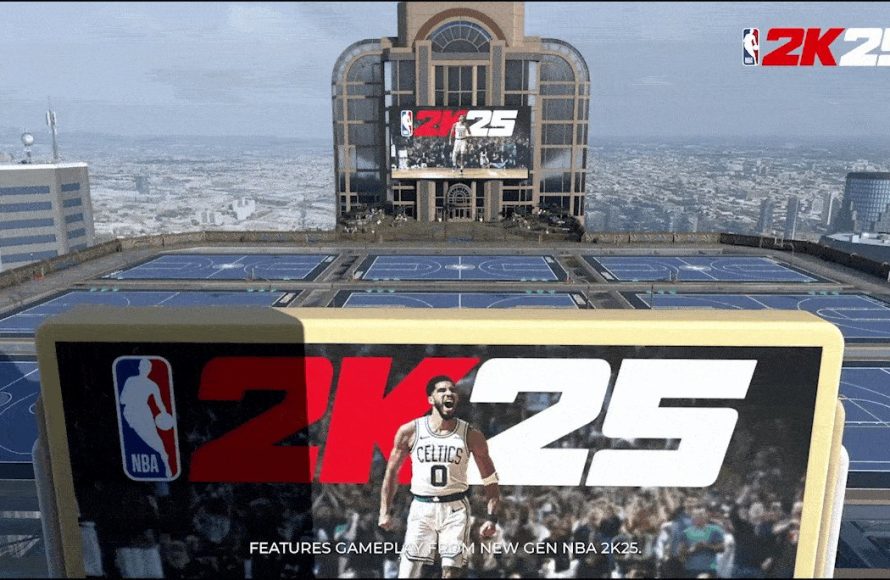
Building your NBA 2K25 team effectively involves selecting players who complement each other’s skills, focusing on roles and chemistry, and strategically managing your resources.
Navigating the complexities of NBA 2K25 team building can feel daunting, but with the right approach, you can construct a formidable squad. The key lies in understanding player attributes. You need to carefully select talent that synergizes and suits your style of play.
Remember, it isn’t just about collecting the highest-rated stars. It also means finding the right fits for your offensive and defensive schemes, leading to victories.

NBA 2K25 Team Building: Your Guide to Dynasty Domination
Building a winning team in NBA 2K25 isn’t just about picking the highest-rated players. It’s about strategy, smart decisions, and understanding how different pieces fit together. Whether you’re playing MyTEAM, MyNBA, or even a simple Play Now season, knowing how to construct a team that clicks is key to racking up victories. Let’s dive deep into the different aspects of team building in NBA 2K25.
Understanding Player Archetypes and Roles
Before you even start thinking about specific players, it’s important to understand the different types of players and their roles on the court. Just like in real basketball, having a balanced team with different strengths is crucial. Here are some of the main archetypes you’ll encounter:
- Point Guards (PG): These players are the floor generals. They handle the ball, initiate the offense, and are often playmakers, looking to pass to open teammates. Think players with high passing, ball handling, and speed ratings. Some PGs are great scorers too, like Steph Curry.
- Shooting Guards (SG): Usually, these are your primary scorers on the perimeter. They’re known for their shooting skills from long range and also mid-range, often utilizing off-ball movement to get open. A good SG will have high three-point shooting, mid-range shooting, and driving layup or dunk skills.
- Small Forwards (SF): This role is very versatile. Small Forwards can be scorers, defenders, or playmakers. A good small forward typically can do a bit of everything: handle the ball, score, rebound, and defend.
- Power Forwards (PF): Power forwards are usually strong, physical players. They are good rebounders, defend the paint, and score inside. Often, PFs are also good pick-and-roll players.
- Centers (C): The big men of the team. They protect the rim, grab rebounds, and score in the paint. Centers often have high strength, rebounding, and block ratings. Some centers are skilled passers and shooters as well.
Beyond these main archetypes, you’ll also see players with specialties like “3-and-D” (great three-point shooter and defender), “Playmaker,” “Rim Protector,” and many more. Knowing these labels will help you find players to fit your team’s needs.
Finding the Right Fit for Your Team
It’s not enough to just know the roles. You need to think about how these players will work together. A team full of great scorers might not work if they can’t pass or play defense. Here are some things to consider:
- Offensive Style: Do you want to run a fast-paced offense based on quick passes and three-pointers? Or do you want to play a more deliberate game inside? The players you pick should match your preferred style.
- Defensive Philosophy: Do you want to play an aggressive defense that pressures the ball? Or do you prefer a more conservative approach that focuses on protecting the paint? Again, find players that suit your defensive gameplan.
- Chemistry: Some players just play better together. Look for players who have high compatibility and boost each other’s performance. In MyTEAM, you can see chemistry ratings of players, and in MyNBA you can watch how they interact.
Diving Into MyTEAM: Building Your Dream Squad
MyTEAM mode in NBA 2K25 is all about collecting player cards and creating your fantasy team. It’s a bit like collecting baseball cards, but these cards are players that you get to use in the game. There are many ways to acquire cards, including packs, challenges, and the auction house. Here’s a deeper look into building a competitive MyTEAM squad:
Understanding Card Tiers and Attributes
Player cards come in different tiers, indicated by different colors and names. Generally, higher-tier cards have better attributes (like shooting, dribbling, defense, etc.). Some common tiers are:
- Bronze: Basic cards that are typically the lowest rating. Usually used early on or for specific challenges.
- Silver: A small step up from Bronze, better attributes overall.
- Gold: The standard for decent players. Good for starting your team or filling holes.
- Emerald, Sapphire, Ruby, Amethyst, Diamond, Pink Diamond, Galaxy Opal, Dark Matter: These are the higher-tier cards, typically the best of the best, that have great stats, badges, and abilities. These are the most sought after cards.
It’s not all about the color though! Look closely at each card’s attributes. A Diamond card with a low three-point rating might not be as helpful as a Ruby card with high shooting for a team that is three point reliant.
Navigating the Auction House and Card Packs
The auction house is where you can buy and sell cards with other players. This is a great place to find specific players you need, or to sell cards you don’t need for some extra money (MT). But it can also be a place where prices fluctuate very fast. Card packs are how you get most of your players at random. You can buy packs with Virtual Currency (VC) or earn them through playing. It’s a gamble, but it can help you to land a great player. Here are some tips:
- Be patient. Don’t buy into the hype for new cards, wait for their prices to drop in the auction house.
- Don’t waste your MT. Use your MT wisely and only buy cards that will make an impact on your team and make you better.
- Try to complete challenges. Challenges are a good way to earn rewards and get free cards.
- Know when to hold and sell. If you pack a card that is not worth much to your team, sell it immediately. If a new event comes out and your card is a part of it, sell it when the price rises.
Utilizing Badges and Player Chemistry
Badges are special abilities that improve a player’s game. They can enhance shooting, defense, playmaking, or other areas. Each player has different badges, some better than others. Understanding the best badges can have a very large impact on your team building.
Chemistry refers to how well players perform with each other. Some players play better together than others and have great synergy. This is a very important factor in team building, especially in the long run.
- Look for badges that match your strategy. If you play inside, prioritize badges that enhance rebounding and post moves.
- Experiment to find the best lineups with good chemistry. Watch the ratings and see who works well together on your team.
- Don’t be afraid to trade out players for others with better chemistry and more efficient badges.
Exploring MyNBA: Building a Dynasty from the Ground Up
MyNBA mode offers a more in-depth experience where you act as the general manager of a team, making trades, signing free agents, and drafting new talent. It’s more of a long game that requires a good vision and planning. Let’s look at the key aspects of MyNBA team building:
Scouting and Drafting Potential Stars
The NBA Draft is the biggest way to add new, young talent to your team. Before the draft, you scout prospects, watching their highlights and seeing how their skills match your team. Some key things to look for in prospects include:
- Potential Rating: A player’s potential rating is an estimate of how good they can get over time. A player with high potential could become a star.
- Attributes: Like in MyTEAM, you need to consider each player’s skills and how they fit your team. Look at specific ratings like shooting, passing, or defense.
- Player tendencies: Knowing the tendency of a player, like if they like to shoot or drive can impact how you use them on the court.
- Player Personality: This is important in the long run. Make sure the players on your team want to be there and want to win.
Drafting isn’t an exact science; you have to take some risks and gamble that your players will become good in the future. But with careful scouting, you can find stars to build around.
Utilizing Trades and Free Agency
The trade market lets you trade players with other teams. This is a great way to get a player that fits your needs or to get rid of contracts you don’t need. Some tips:
- Know what each team needs. Make trades with teams that have needs that you can fill.
- Don’t overpay. Trading is a great way to improve your team, but don’t give up too much talent for one player.
- Sometimes a rebuild is necessary. Sometimes trading all your assets for draft picks is a smart long term strategy.
Free agency allows you to sign players who are not under contract. This is where you can acquire veterans, fill gaps in your roster, and add players that can help your team in the short and long run. You can also resign your players here. Here are a few tips to consider:
- Don’t overspend. Don’t give a long term big contract to a player that might be past his prime or doesn’t make your team better.
- Look for players that match your style. This helps to avoid getting players that won’t help the team.
- Find the right veteran leaders. A veteran player that knows how to win and is a good locker room guy can improve the performance of younger guys.
Managing Player Development and Contracts
Player development is a big part of MyNBA. As your players get older, they will get better through training and experience on the court. The better they do in games the faster they develop.
Contracts are how you keep players on your team. You need to make sure that you have enough money to pay everyone and not go over the salary cap. Make sure to manage the contract of each player, because a large contract to an underperforming player can affect your ability to improve your team.
- Set training goals for your players. This helps them to improve on areas where they are not good at.
- Give young players playing time. Getting playing time will allow them to get better faster.
- Be smart about contracts. Don’t give out bad long term contracts to players who are not helping your team.
- Plan ahead for your team needs. Knowing your team needs in the future allows you to make the best decisions.
Strategies for Success in All Modes
While each mode has its own specifics, some key strategies apply across the board:
- Play to your strengths. If your team has great shooters, focus on the perimeter. If your team has strong big men, work inside.
- Adjust your strategy. Don’t be afraid to change your strategies during the game. If something is not working, switch things up.
- Practice. The more you play, the better you will get at recognizing opportunities and executing.
- Don’t give up. Team building takes time and effort. Don’t be afraid to experiment.
Building a great team in NBA 2K25 is a process of learning, adjusting, and thinking strategically. By understanding player roles, exploring the different modes, and applying the tips mentioned, you can build a team that will take you to victory.
I Have 1 Hour To Build The BEST NBA Team Ever in NBA 2K25
Final Thoughts
In short, effective NBA 2K25 team building requires smart draft choices and trades. Focus on players who fit your system. Prioritize specific skills to balance the roster. Don’t forget to develop chemistry and player growth.
A solid foundation enhances gameplay. Carefully consider attributes and tendencies. Building a strong team also means understanding player roles. Proper strategy elevates your chance of winning matches.
NBA 2K25 team building is vital for success. Good management leads to victories. Therefore, always try to improve your strategy.

