
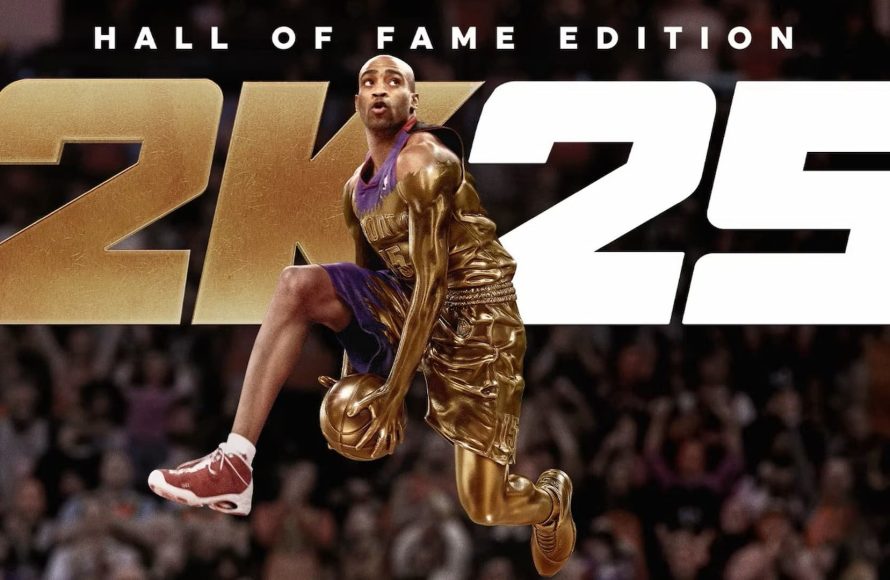
Understanding NBA 2K25 trade strategy involves evaluating player value, considering team needs, and using assets wisely to improve your roster.
Navigating the complex world of trades in NBA 2K25 can make or break your franchise. This guide will help you grasp the core concepts of effective player acquisition. We will delve into the nuances of assessing player worth and identifying opportunities to strengthen your squad through trades.
Thinking about team needs is paramount when making deals. Do you lack scoring? Do you need defensive prowess? Identifying these key areas will help shape your trade strategy. This is where applying the NBA 2K25 trade strategy explanation will benefit the most. We can focus on getting the players we need most.

NBA 2K25 Trade Strategy Explanation
Okay, let’s dive deep into the exciting world of trading in NBA 2K25! Making the right trades can be the key to building a championship team, whether you’re playing MyLEAGUE, MyGM, or just trying to improve your favorite team in Play Now. It’s not just about grabbing the biggest names, it’s about understanding player value, team needs, and how to play the trading game like a pro. We’ll break down everything you need to know, from figuring out which players to target to making sure you’re not getting ripped off.
Understanding Player Value
Before you even start thinking about making trades, you need to know what makes a player valuable in NBA 2K25. It’s more than just overall rating. Think of it like a real basketball team – certain skills and traits are worth more depending on your team’s style and what positions you need to fill.
Key Attributes to Consider
- Overall Rating (OVR): This is a good starting point, but don’t rely on it completely. A high OVR doesn’t always mean a perfect fit.
- Potential: A young player with high potential could grow into a star, making them incredibly valuable. Look for players with A or A+ potential grades.
- Key Skills: Is your team missing a good shooter? Maybe a strong defender? Look at individual skill ratings like three-point shooting, rebounding, or steals.
- Badges: Badges can significantly impact a player’s performance. Some badges are highly sought after for certain play styles.
- Age: Older veterans might have high ratings but could be past their prime. Younger players offer growth potential and a longer-term outlook.
- Contracts: A player’s contract is crucial. A great player on a huge, long-term deal might be harder to move than a slightly less talented player on an affordable contract.
- Player Archetype: Consider how a player’s archetype (e.g., Playmaker, Sharpshooter, Slasher) fits into your overall team strategy.
Don’t just look at the star players. Sometimes, a role player with the right skillset can be a better pickup for your team than an All-Star who doesn’t fit your system. Think about chemistry and synergy. Having a team that plays well together is better than a bunch of individual stars who don’t connect.
Identifying Your Team’s Needs
Before you start making offers, you need to look at your current team roster closely. What are your team’s biggest weaknesses? What are you doing well? Where do you need to improve? Are you weak in defense? Do you lack scoring? Is your point guard not a good passer? Knowing what you lack will help you pinpoint the kind of players you should pursue through trades.
Analyzing your Roster
- Look at the Depth Chart: Are there any positions that are thin? If you have only one center on the roster, you’ll need to find a good backup.
- Check Player Performance: Who’s underperforming? Are there any players who you think you could replace with a better talent?
- Consider your Style of Play: Do you like to play fast and run the floor, or do you play slow with a half court offense? Tailor your trades to fit your team’s specific strategy.
- Evaluate Your Budget: Can you afford to add a big contract? Be mindful of your salary cap and try to find value in every deal.
Use these analyses to make a list of the needs you need to address. This list is a good guide for when you enter trade negotiations. It keeps you focused and prevents you from overpaying for something you don’t need.
Making Smart Trade Offers
Once you know your needs and understand player values, you’re ready to make some offers. But it’s not just about throwing random names at the AI and hope something sticks. You’ll need a good strategy to get the players you want without giving away too much.
Understanding Trade Value
- Equal Value is Key: The AI is often smart and usually doesn’t accept lopsided trades. If you’re trying to get a better player, you’ll need to offer something equivalent in value, even if it’s multiple players to get the job done.
- Don’t Underestimate Draft Picks: Especially in MyLEAGUE and MyGM, draft picks can be really useful for the future. They can be used to get younger players with good potential, or you could package them in trades for a high level player.
- Package Deals: Sometimes trading more than one player can get you to your desired value, while it can also help the other team get multiple players for one of their stars.
Negotiation Tactics
- Start with Small Offers: Don’t start with the most generous offer possible. Test the waters and see what the AI will accept.
- Be Persistent: Sometimes it takes a few tries before you find the right deal. Don’t get discouraged if your first few offers are rejected.
- Target Specific Teams: Check team needs and focus your trade requests on teams that are looking for what you are willing to give up.
- Don’t Panic Trade: Sometimes you’ll make an emotional trade when you have a bad losing streak, but you should stick with your plan, and only trade strategically, and not from feelings.
Remember, patience is a virtue when it comes to trades. Take your time, negotiate wisely, and try not to give up all of your best assets just to get one good player. Sometimes it’s better to take a few more pieces that improve your team overall.
Leveraging Trading Tools in NBA 2K25
NBA 2K25 usually includes in-game tools that can help you make smarter trades. Understanding how to use these tools will greatly improve your chances of success in trades.
Utilizing the Trade Finder
The Trade Finder is usually found in the trade menu. This tool helps you find teams that have players you want and are also looking for players from your team. Here’s how to use it:
- Filter by Position: Look at the teams that need the position you are willing to trade. This will give you teams you can approach first.
- Filter by Player Skills: If you need a rebounder, filter for teams that want rebounders. This helps match your needs and tradeable players more easily.
- Analyze the Results: See which teams are interested in your players, and which players on their teams fit your needs.
Assessing Team Needs via Scouting
In MyGM and MyLEAGUE modes, scouting is very important, because it shows you what teams need and if they are likely to trade. Check their roster depth and identify their holes, then use the information for good trades.
- Target Weak Positions: If you know a team has a weak point guard, you can target that position for a better player.
- Look for Expiring Contracts: Teams with players on expiring contracts are often willing to trade them if they don’t plan to re-sign them.
- Check Team Chemistry: Trade for players who will fit well within their team. A team that is playing good together will be a good fit.
Advanced Trade Strategies
Once you’ve mastered the basics, you can start using some more advanced trade strategies to get an even better edge.
The Art of the “Salary Dump”
Sometimes you might want to move a player with a large contract, even if it means sacrificing a bit of talent. This is called a “salary dump.” To do this, you would include a draft pick to sweeten the deal for the team taking on that big contract. This strategy frees up cap space for your team, allowing you to pursue other players.
Trading for Future Assets
In MyLEAGUE or MyGM, you can trade for future draft picks or even young players that have potential, even if you aren’t needing to immediately improve your team. This is a way to build up your team for future success. The goal is to build a sustainable dynasty.
Third-Team Trades
Sometimes, you might not be able to get what you want in a two-team trade. That’s where a third team comes in. A three-way trade might help to provide what each team needs. Use trade finder to help you with finding the right team.
Trading to Improve Chemistry
It might not always be about just getting the best ratings. Sometimes you need to trade for players with good attitudes, a high basketball IQ, or a playing style that fits your team’s philosophy. A team with good chemistry will often outperform one with better individual talent but worse team cohesion.
Common Mistakes to Avoid
Even with the best plans, you can make mistakes in your trades. Here’s a list of things to avoid.
Overvaluing Your Players
It’s easy to think that your players are worth more than they actually are. Be realistic when you’re assessing your players’ trade value, and don’t get emotionally attached to them.
Ignoring Contract Details
Players’ contracts are a big deal in trading. Do not trade for players that you can not afford with your cap. Always look at their contract status before you make a trade. Avoid taking bad contracts that will hinder your team.
Trading Away Too Many Draft Picks
Draft picks are valuable assets. Don’t trade them away too quickly without thinking of the future. Sometimes, a good draft pick is much more valuable than a veteran player.
Not Considering Team Fit
A high rated player might not fit your style of play. Always make sure you are considering team cohesion and chemistry. It is not all about the overall rating.
Impatience
Don’t make rushed trade offers. Take your time, negotiate carefully, and understand that good trades take time and patience.
By understanding how to value players, identify needs, use trade tools, and avoid common pitfalls, you’ll be a trade master in NBA 2K25 in no time. It takes practice and patience but will be well worth it when you are playing with a custom-built team that fits your style and you can win championships with. Remember that trades are not just about getting the biggest stars but about building a team that is balanced and has good chemistry. Now go out there and start building a dynasty.
HOW TO TRADE FOR BEST PLAYERS TO BUILD DYNASTY IN MYCAREER NBA 2K25
Final Thoughts
Ultimately, effective trades in NBA 2K25 require careful evaluation of player values and team needs. Prioritize assets matching your long-term strategy. Understand the trade market dynamics.
Securing value through smart deals is essential. Don’t overpay for players. This is the core of an effective NBA 2K25 trade strategy explanation.
You must consistently analyze situations. Successful team building relies on exploiting opportunities.

