
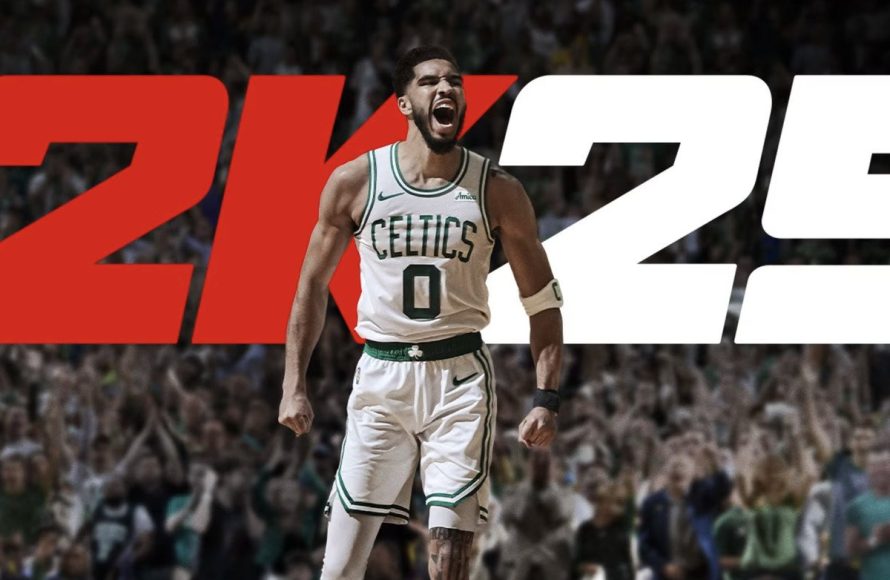
The most effective NBA 2K25 video analysis methods utilize frame-by-frame review, player tracking data overlays, and detailed statistical breakdowns to pinpoint specific gameplay strengths and weaknesses.
Ever wonder how pro gamers seem to anticipate every move in NBA 2K25? They aren’t just lucky; they actively use NBA 2K25 video analysis methods to improve their game. These techniques range from carefully observing individual player movements to studying overall team strategies.
Analyzing video recordings allows players to dissect their decisions and identify recurring errors. Understanding these common mistakes can help you adapt your playstyle, leading to better results on the court, and competitive edge.

NBA 2K25 Video Analysis Methods
Alright, let’s dive deep into how you can get seriously good at NBA 2K25 using video analysis! It’s like having your own personal coach, but instead of standing on the sidelines, we are breaking down the game film. This isn’t just about watching cool highlights; it’s about figuring out what works, what doesn’t, and how you can get better at the game. We will talk about different ways to look at your gameplay, from the basic stuff to some pretty advanced techniques.
Understanding the Basics of NBA 2K25 Video Analysis
Before we jump into the more complex strategies, let’s make sure we’re all on the same page with the basics. Video analysis, at its core, is just watching yourself play and taking notes. It’s like doing homework but way more fun! It’s about paying attention to the details that you might miss when you’re in the heat of the moment. Think of it like this: When you’re playing, you’re reacting, and when you’re watching the video, you’re reflecting. Here are a few fundamental aspects you should be aware of when you start with video analysis:
- Recording Your Gameplay: First thing’s first, you need to record your games. Most consoles and PCs have built-in recording features that make it pretty easy. You can use these or get a capture card for even better quality.
- Choosing the Right Games: Don’t just record every game! Focus on games where you had really good plays, really bad plays, or games that were super close. These are the ones where you’ll learn the most.
- Initial Viewing: When you first watch your game, don’t try to analyze everything at once. Just watch it like you would a regular game, but this time you’re watching yourself. Notice the big things – did you win or lose? How was your overall play?
Tools and Software for Analysis
You don’t need fancy equipment to get started. However, a few helpful tools can definitely enhance your analysis. Here are some that you might find useful:
- Console/PC Recording: As mentioned, your console or PC likely already has recording software. They’re a great starting point.
- Video Editing Software: Programs like iMovie (for Mac), Windows Movie Maker, or even some free online editors can help you cut clips and slow things down.
- Capture Cards: If you are serious about capturing high-quality footage, a capture card (like Elgato or Avermedia) is a good investment. They allow you to record footage in better resolution and with smoother frame rates.
Analyzing Your Offensive Game
Okay, now let’s get into the nitty-gritty of analyzing your offense. This is where the fun begins! Here, we are looking at how you score (or don’t score) and figuring out what you could improve.
Shot Selection
This is super important. Not every shot is a good shot. Here’s how to check your shot choices:
- Open Looks: Were you forcing shots when you were heavily guarded, or were you taking open shots? Look for spots where you could have made a better shot or a pass.
- Shot Type: What kind of shots were you taking? Three-pointers, mid-range, layups? Maybe you were taking too many contested three-pointers when a layup was available.
- Shot Timing: Did you have enough time to take a shot or were you rushing? Timing is everything, both in terms of the shot clock and when you received the ball.
Playmaking and Passing
Basketball isn’t a solo act; it’s about the team. Let’s see how you’re doing as a playmaker:
- Passing Lanes: Were you making good passes that led to easy scores? Notice the open lanes you could’ve passed through, and missed opportunities.
- Ball Movement: Was the ball moving quickly from player to player, or did it stick with you? Good ball movement can confuse defenders.
- Assists: How many assists were you getting? This tells you if you were sharing the ball well, or mostly trying to go for solo scores.
Off-Ball Movement
What you do without the ball is just as important as what you do when you have it. Here’s what to look for:
- Cutting: Were you making smart cuts towards the basket when your teammate had the ball? Good cuts create easy scoring opportunities.
- Screening: Were you setting effective screens to free up your teammates? A good screen can create tons of space.
- Spacing: Were you positioned in a way that made it easier for your teammates to drive or pass the ball? Spacing is about not crowding each other.
Analyzing Your Defensive Game
Defense is just as important as offense. In fact, they say that good defense can win games! Let’s analyze your defense and see how you’re doing.
On-Ball Defense
This is how you defend against the player who has the ball:
- Staying in Front: Were you able to stay in front of your opponent, or were they driving past you easily? Good footwork is key here.
- Contesting Shots: Were you putting a hand up to contest their shots, or were you giving them wide open looks? Contesting shots is crucial.
- Steals and Blocks: Were you attempting steals wisely, or were you just swiping at the ball and fouling? Did you try to block when you had the chance?
Off-Ball Defense
This is how you defend against players who don’t have the ball:
- Help Defense: Were you rotating to help your teammates on defense when their man was driving? Good help defense is a must.
- Communication: Were you communicating with your teammates on defense, like telling them if a player is cutting to the basket? Communication makes defense more effective.
- Rebounding: Were you boxing out and grabbing rebounds, or were you watching someone else get them? Rebounding is about effort and positioning.
Defensive Positioning
Where you stand on the court can make a huge difference. Here’s what to look at:
- Stance: Were you in a good defensive stance, or were you standing too upright? Being in the right stance helps you move quickly.
- Awareness: Were you aware of where all the players were on the court, or were you just focused on the person with the ball? Knowing the whole court helps with rotations.
- Zone vs. Man: If you play zone, were you in the right spots? If you play man, were you staying close to your assigned player?
Advanced Analysis Techniques
Once you have a handle on the basics, it’s time to dive into more advanced ways to analyze your NBA 2K25 videos. These techniques will take your game to a new level.
Frame-by-Frame Analysis
Sometimes, a lot happens in just a split second. That’s where frame-by-frame analysis comes in handy. With this technique, you can go through the video clip frame by frame, looking at how the movements were, and see what could have been done better. This lets you analyze even the most minute details of your actions.
- Precise Timing: See exactly when you pass the ball or make a move.
- Player Movements: Study the movements of all players on the court at each step.
- Footwork Details: Analyze how your feet move when shooting or playing defense.
Heat Maps and Analytics
Some tools offer heat maps and analytics, which can give you a bird’s-eye view of your performance. Heat maps show you where you are scoring more or less on the court. Analytics, on the other hand, give you data points that you can compare and analyze over time.
- Shooting Heat Maps: See where you’re most effective on the floor.
- Possession Data: Track how long you have the ball and where you’re losing it.
- Plus/Minus Stats: Check which players on your squad perform better when they are on the court with you.
Identifying Patterns and Tendencies
One of the most valuable things you can do with video analysis is identify your own patterns and tendencies. These are the things you do over and over again, without even realizing it. Recognizing them can help you mix up your game and become more unpredictable.
- Offensive Habits: Do you always drive to the right? Do you always shoot from the same spot?
- Defensive Habits: Do you tend to over-commit when the opponent dribbles? Do you often go for steals at the wrong time?
- Predictability: Are you doing the same thing in the same situation most of the time? If you are, your opponent can predict you.
Implementing Changes Based on Analysis
Now that you’ve analyzed your games, it’s time to make some changes and improve. Remember, it’s not just about spotting the issues; it’s about fixing them and working hard to get better at the game.
Creating a Practice Plan
Based on your analysis, create a practice plan that focuses on your weaknesses. For instance, if you’re missing shots, practice in the training mode, if your passing is weak, work on those drills. If your help defense needs work, keep playing games with a focus on that. Consistent practice is vital for improving.
- Skill Drills: Practice specific skills based on the analysis.
- Playbook Practice: Try new plays and see how they work.
- Focused Gameplay: Play games with the goal of improving specific weak areas.
Adjusting Strategy
Sometimes, it’s not about skills but about strategy. Based on your video analysis, you might need to tweak your overall game strategy. Be open to experimentation and try new ideas in the game.
- Adapt Play Style: If your current style isn’t working, try something new.
- Change Lineups: If you notice certain players work better together, play them more.
- Experiment with Different Tactics: Use new offensive and defensive tactics.
Regular Video Review
Don’t just analyze your games once and forget about it. Make video analysis a regular part of your training. The more you review, the better you’ll get. Make a habit to analyze a few games every week. Also analyze the games where you were at your best so that you know what to repeat.
- Schedule Reviews: Set aside time each week for video analysis.
- Track Progress: Keep records of the things you have improved on.
- Stay Consistent: Consistency helps you improve over time.
By actively using video analysis, you are not just playing the game but learning and improving constantly. It’s a powerful tool that, when used correctly, can help you become a much better player. So, go ahead, start analyzing those videos, and watch your game grow!
Watch This Before Playing NBA 2K25…
Final Thoughts
Analyzing game footage provides crucial insights for NBA 2K25 improvements. We explore various techniques, like frame-by-frame reviews and data overlays, to understand gameplay mechanics. These methods help identify strengths and areas for development.
Specifically, scrutinizing player movements and shot selections leads to better tactical planning. Applying these findings to future games can change results. NBA 2K25 video analysis methods are key for both casual and competitive players.

