Buying and selling cards effectively on the NBA 2K26 MyTEAM auction house requires understanding player values, comparing prices, and setting competitive bids to maximize your MT earnings or acquire desired players.
So, you’re jumping into NBA 2K26 MyTEAM and eyeing the Auction House, right? It can seem daunting at first, but this NBA 2K26 beginners guide to the MyTEAM auction house will quickly get you up to speed.
We’ll break down the basics of navigating the marketplace, identifying undervalued cards, and making smart bids. This allows you to build your dream team without emptying your virtual wallet.
Get ready to learn how to work the system and dominate the auction house in NBA 2K26!

NBA 2K26 Beginners Guide to the MyTEAM Auction House
The MyTEAM Auction House can seem intimidating for new players. Understanding its mechanics is key to building a dominant team without spending real money. This guide breaks down the auction house, providing the essential information you need to succeed in NBA 2K26.
Understanding the Auction House Interface
Navigating the Auction House is the first step. Familiarize yourself with the layout and the various filters. This will save you time and help you find the cards you’re looking for.
Main Menu: This is where you’ll start your journey in the Auction House. You can search for players, consumables, and more.
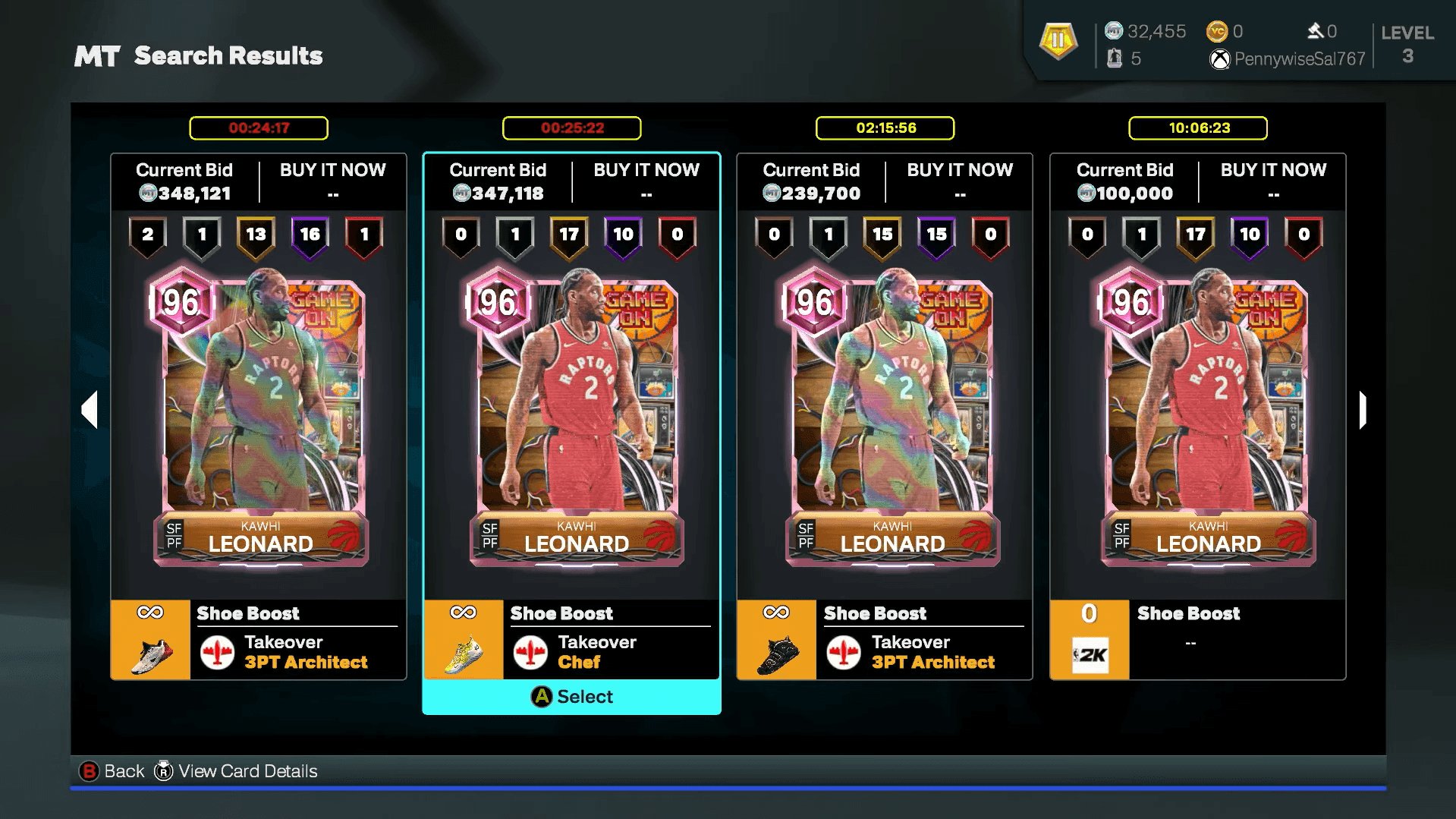
Search Filters: These are essential for refining your search. Use filters like player name, position, rarity, and team to narrow down the results.
Bidding Options: You can either bid on a card or use the “Buy Now” option. Consider both to determine the best approach for acquiring the cards you want.
My Bids: Keep track of all your active bids here. You’ll also see if you’ve won or lost any auctions.
My Auctions: If you’re selling cards, this is where you’ll manage your listings. Check the status of your auctions and claim your earnings.
Key Auction House Terms
Knowing the lingo is crucial for successful trading. Understanding these terms will help you avoid costly mistakes and make informed decisions.
Bid: The amount you offer for a card in an auction.
Buy Now: The instant purchase price of a card.
Min. Bid: The lowest acceptable bid for a particular card.
Expires In: The remaining time on an auction. Pay attention to this when deciding to bid.
MT (MyTEAM Points): The in-game currency used in the Auction House. Earn MT by playing games and completing challenges.
Rarity: The level of a card, indicated by colors (Bronze, Silver, Gold, Emerald, Sapphire, Ruby, Amethyst, Diamond, Pink Diamond, Galaxy Opal, Dark Matter). Higher rarity generally means better stats.
Searching for Players Effectively
Targeting specific players is essential for improving your team. Using filters wisely can drastically improve your search results. Experiment with different filters to find hidden gems.
Player Name: If you know the player you want, use this filter to find them directly.
Position: Filter by position (PG, SG, SF, PF, C) to fill gaps in your lineup.
Rarity: Search for cards within your budget and desired skill level.
Team: If you’re building a theme team, filter by the player’s NBA team.
Badge Count: Some players look for cards with a high number of badges, so you can search for cards with specific or high numbers of badges.
Bidding Strategies for Beginners
Smart bidding is crucial to winning auctions. Avoid bidding wars and aim for value. Patience and timing can make a big difference.
Avoid Early Bidding: Don’t bid immediately when an auction starts. Wait until the final minutes to place your bid.
Increment Bids Wisely: Bid in small increments to avoid overpaying. Don’t get caught up in a bidding war.
Set a Budget: Determine how much you’re willing to spend on a card before you start bidding. Stick to your budget to avoid financial strain.
Snipe Low: Look for cards that are listed below their market value. This requires careful monitoring and quick reactions.
Check Comparable Cards: Before bidding, see what similar cards are selling for. Don’t overpay for a card that isn’t worth it.
The “Buy Now” Option: When to Use It
The “Buy Now” option offers instant gratification. However, it’s not always the most cost-effective method. Use it strategically when time is of the essence.
Instant Upgrade: If you need a player immediately, the “Buy Now” option is a good choice.
Fair Price: Only use “Buy Now” if the price is reasonable compared to other listings.
Limited Availability: If a card is rare and you don’t want to risk losing it in an auction, “Buy Now” might be your best bet.
Avoiding Bidding Wars: “Buy Now” prevents you from getting into bidding wars and potentially overspending.
Selling Cards on the Auction House
Selling cards is an excellent way to earn MT. Understanding the market and pricing your cards correctly is essential for successful sales. Don’t underestimate the value of seemingly insignificant cards.
Check Market Value: Before listing a card, check its current price on the Auction House. Price your card competitively to attract buyers.
Undercut the Competition: List your card slightly below the lowest “Buy Now” price to increase its chances of selling quickly.
Consider Auction Length: Shorter auctions (1-3 hours) can create urgency and drive up bids. Longer auctions (12-24 hours) may attract more potential buyers.
Weekend Sales: Weekends generally see more activity on the Auction House. List your cards during peak hours to maximize visibility.
Special Events: Take advantage of special events and challenges. Certain cards may become more valuable during these periods.
Understanding Card Tiers and Rarity
Card rarity significantly impacts a player’s stats and value. Knowing the different tiers helps you evaluate cards and make informed decisions. Higher tiers usually equate to better performance.
Bronze: The lowest tier, typically used for starting players.
Silver: A step up from Bronze, offering slightly better stats.
Gold: A solid tier for building a competitive team. Gold cards are often affordable and provide good value.
Emerald: The first of the colored tiers, typically offering better stats than Gold cards.
Sapphire: A noticeable upgrade from Emerald, often featuring players with specific strengths.
Ruby: Highly sought-after cards with well-rounded stats.
Amethyst: Powerful cards that can significantly impact your team’s performance.
Diamond: Elite-level cards with exceptional stats and badges.
Pink Diamond: Among the best cards available, typically featuring iconic players.
Galaxy Opal: Extremely rare and powerful cards, often featuring near-perfect stats.
Dark Matter: The highest tier, reserved for the absolute best players in the game.
Badges and Their Impact on Card Value
Badges enhance a player’s abilities. Understanding which badges are valuable can help you identify undervalued cards and increase your team’s effectiveness. Consider badges when buying and selling players.
Finishing Badges: Improve a player’s ability to score near the basket (e.g., Giant Slayer, Slithery Finisher).
Shooting Badges: Enhance a player’s shooting accuracy and range (e.g., Green Machine, Deadeye).
Playmaking Badges: Improve a player’s ball-handling, passing, and court vision (e.g., Quick First Step, Dimer).
Defensive Badges: Enhance a player’s defensive abilities, such as rebounding, stealing, and blocking (e.g., Intimidator, Rebound Chaser).
Value of Badges: Cards with highly desirable badges often fetch higher prices.
Sniping: Finding Bargains in the Auction House
Sniping involves finding cards listed below their market value. This requires patience, quick reflexes, and a good understanding of the market. It’s a great way to acquire valuable cards for cheap.
Set Filters: Use specific filters to narrow down your search for undervalued cards.
Refresh Regularly: Continuously refresh the Auction House to see newly listed cards.
Fast Reactions: Be prepared to act quickly when you find a bargain.
Know the Market: Understand the average prices of different cards to identify potential snipes.
Time of Day: Certain times of day may have more snipes available due to increased activity.
Investing in Cards: Buy Low, Sell High
Investing in cards can be a profitable strategy. Buy cards when they’re cheap and sell them when their value increases. This requires market knowledge and a bit of risk.
Monitor Player Performance: Keep an eye on real-world NBA player performance. A strong performance can increase a player’s card value.
Predict Trends: Anticipate which cards will become more valuable based on upcoming events or challenges.
Buy Low, Sell High: Purchase cards when they are cheap and sell them when their value increases.
Patience is Key: Don’t expect to get rich overnight. Investing requires patience and a long-term perspective.
Avoid Overspending: Don’t invest more than you can afford to lose.
Utilizing Auction House Data and Trends
Keeping track of Auction House trends can give you an edge. Understanding which cards are in demand and how prices fluctuate can help you make informed decisions. Use this data to optimize your trading strategy.
Track Prices: Monitor the prices of specific cards over time to identify trends.
Identify Demand: Determine which cards are in high demand by observing bidding activity.
Analyze Market Fluctuations: Understand how factors like events and challenges affect card prices.
Use Online Resources: Utilize websites and communities that provide Auction House data and analysis.
Adapt Your Strategy: Adjust your trading strategy based on the latest trends and data.
Avoiding Common Auction House Mistakes
New players often make costly mistakes in the Auction House. Learning to avoid these pitfalls can save you MT and frustration. Be aware of common traps and avoid them.
Overbidding: Don’t get caught up in bidding wars and overpay for cards.
Buying Unnecessary Cards: Only buy cards that will improve your team or that you can resell for a profit.
Ignoring Market Value: Always check the market value of a card before buying or selling it.
Listing Cards at the Wrong Price: Price your cards competitively to attract buyers.
Impatience: Don’t make rash decisions. Be patient and wait for the right opportunities.
Advanced Auction House Techniques
For experienced players, advanced techniques can provide a competitive advantage. Mastering these strategies can help you maximize your profits and build a dominant team. They require more time and dedication.
Mass Bidding: Place multiple bids on the same card to increase your chances of winning.
Price Fixing: Attempt to control the market price of a specific card (risky and potentially frowned upon).
Market Manipulation: Exploit market trends to create artificial demand and inflate prices (requires careful planning).
Botting: Using automated tools to snipe cards (generally against the rules and can lead to account bans).
Understanding Pack Drops: Knowing when new packs are released and how they will affect the market is key to successful trading.
The Impact of Pack Openings on the Auction House
New pack releases significantly impact the Auction House. Increased supply can drive down prices, while rare cards from new packs can command high prices. Pay attention to pack releases to adjust your strategy accordingly.
Increased Supply: New packs increase the supply of cards, leading to lower prices for common cards.
Rare Cards: Rare cards from new packs can be extremely valuable, especially in the initial days.
Market Fluctuations: Pack releases cause significant market fluctuations, creating opportunities for profit.
Timing is Key: Buy cards before a pack release and sell them after to capitalize on price increases (or vice versa).
Monitor the Market: Keep a close eye on the Auction House after a pack release to identify potential opportunities.
Managing Your MT Wisely
MT is a valuable resource in MyTEAM. Managing it effectively is crucial for building a successful team. Avoid frivolous spending and prioritize strategic investments.
Earn MT Consistently: Play games, complete challenges, and sell cards to earn MT regularly.
Set a Budget: Create a budget for card purchases and stick to it.
Prioritize Needs: Focus on acquiring players that fill specific needs in your lineup.
Avoid Impulse Buys: Don’t make impulsive purchases based on emotion.
Invest Wisely: Invest your MT in cards that will improve your team’s performance or that you can resell for a profit.
Auction House Etiquette and Community
While the Auction House is a competitive environment, maintaining good etiquette is important. Treat other players with respect and avoid toxic behavior. Building a positive community benefits everyone.
Respectful Bidding: Avoid excessive bidding or sabotaging other players’ auctions.
Honest Transactions: Don’t engage in deceptive practices or scam other players.
Positive Communication: Be respectful and helpful in online forums and communities.
Report Rule Violations: Report any players who violate the game’s terms of service.
Contribute to the Community: Share your knowledge and experience to help other players.
NBA 2k26 MYTEAM Beginners Guide! EVERYTHING You Need to KNOW about MyTeam!
Final Thoughts
To summarize, the NBA 2K26 MyTEAM auction house can seem daunting at first. However, by understanding card values, watching trends, and employing smart bidding strategies, you will improve your team.
Utilize the search filters to find specific players and compare prices effectively. Practicing patience is a must to secure deals.
Ultimately, following this NBA 2K26 beginners guide to the MyTEAM auction house, you increase your chances of building a competitive team without spending a fortune. Enjoy the game.