For NBA 2K26, the best strategies for defending a team that uses a lot of off-ball screens include going over/under the screen depending on the shooter’s tendencies, communicating switches effectively, and utilizing the “Deny” option to prevent easy catches for the screener or receiver.
Struggling to contain those relentless off-ball screen spammers in NBA 2K26? You’re not alone. Many players find it difficult to defend against teams that constantly set off-ball screens to free up shooters.
This guide will provide you with NBA 2K26 best strategies for defending a team that uses a lot of off-ball screens. We’ll break down the tactics you can use to shut down these offensive schemes.

NBA 2K26 Best Strategies for Defending a Team That Uses a Lot of Off-Ball Screens
Defending against teams that rely heavily on off-ball screens in NBA 2K26 requires a proactive and adaptable approach. Understanding their schemes and employing specific defensive tactics are crucial for success. This article will provide you with the best strategies to shut down those pesky screen-heavy offenses.
Understanding Off-Ball Screen Offenses in NBA 2K26
Off-ball screens are designed to free up shooters and cutters for open looks. These screens involve players setting picks away from the ball-handler, creating confusion and mismatches for the defense.
Recognizing the common types of off-ball screen plays is the first step. Knowing whether they are running a staggered screen, a flare screen, or a simple pick-and-roll action off-ball will help you anticipate their moves.
Key Defensive Principles Against Off-Ball Screens
Several fundamental defensive principles can help you mitigate the effectiveness of off-ball screens. These principles focus on communication, awareness, and disciplined rotations.
Communication is Key: Constant communication between defenders is essential. Players must call out screens early and often. This allows teammates to react accordingly.
Anticipate the Screen: Reading the offensive player’s movements can help you anticipate where the screen is going to be set. Watch for players angling their bodies towards a teammate or subtly positioning themselves near a defender.
Stay Attached to Your Man: Avoid getting caught on screens by staying tight to your assignment. Deny them easy access to the screen.
Help and Recover: If a teammate gets screened, be ready to help. However, it’s equally important to quickly recover back to your own assignment to prevent open shots.
Specific Defensive Strategies
Beyond the core principles, several specific defensive strategies can be employed to counter off-ball screen offenses. These strategies involve adjustments to your defensive settings and individual player positioning.
“Go Over” the Screen
Going over the screen is a common strategy that involves the defender chasing their man over the top of the screen.
Benefit: This prevents the offensive player from getting a clean look at the basket.
Risk: It can leave the defender vulnerable to a slip screen or a quick roll to the basket.
“Go Under” the Screen
Going under the screen involves the defender dropping below the screen to stay with their man.
Benefit: This can be effective against players who are not strong shooters.
Risk: It gives the offensive player space to shoot a jump shot.
“Switch” the Screen
Switching involves two defenders swapping assignments when a screen is set. This prevents either defender from getting caught on the screen.
Benefit: It can be a very effective strategy for disrupting the offense.
Risk: It can create mismatches, particularly if a smaller defender ends up guarding a larger player.
“ICE” the Screen (Hedge)
“ICE” (or “Hedge”) involves the defender guarding the screener stepping out to briefly impede the offensive player before recovering back to their original assignment.
Benefit: It forces the ball-handler away from the screen and gives the defender time to recover.
Risk: It can leave the screener open for a roll to the basket if the help defender doesn’t recover quickly enough.
Adjusting Defensive Settings in NBA 2K26
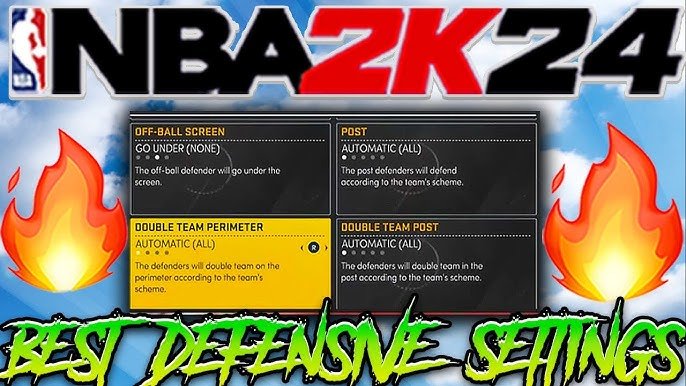
NBA 2K26 allows you to customize your defensive settings to better counter specific offensive schemes. These settings can be adjusted in the coach’s menu.
Off-Ball Screen Help: Adjusting this setting tells your players how aggressively to help on off-ball screens.
Hedge: Instructs the defense to hedge on off-ball screens. Adjust the level of aggressiveness based on your personnel and the opponent’s tendencies.
Switch: Tells your players to automatically switch on off-ball screens. Be cautious with this setting, as it can create mismatches if not used correctly.
Go Over/Under: Choose to have defenders go over or under screens based on the offensive player’s shooting ability.
Player-Specific Adjustments
Certain players on your team may be better suited to defending specific types of off-ball screens. Understanding your players’ strengths and weaknesses is crucial for making effective adjustments.
Assign Strong Defenders: Place your best defenders on the opposing team’s primary scoring threats. This will make it more difficult for them to get open looks.
Adjust Help Rotations: Customize your help rotations based on your players’ defensive abilities. Some players may be better at rotating to the basket, while others may be better at closing out on shooters.
Utilize Defensive Badges: Take advantage of your players’ defensive badges. Badges like “Interceptor,” “Clamps,” and “Intimidator” can significantly improve their ability to defend against off-ball screens.
Practice Drills for Defending Off-Ball Screens
Implementing these strategies requires practice. Replicating in-game scenarios in practice mode will help your team develop the necessary muscle memory and communication skills.
3-on-3 Screen Defense: This drill involves three offensive players and three defensive players. The offense attempts to score using off-ball screens, while the defense practices the strategies discussed above.
Shell Drill: The Shell Drill focuses on defensive rotations and communication. Players rotate around the perimeter, practicing closing out on shooters and helping on drives.
Live Scrimmages: Incorporate off-ball screen scenarios into your live scrimmages. This will allow your players to apply the strategies they’ve learned in a game-like setting.
Countering Common Off-Ball Screen Plays
Understanding the specific plays your opponent is running is key to developing effective counter-strategies. Here are a few common off-ball screen plays and how to defend them.
Staggered Screens
Staggered screens involve two screens set in a row, creating a difficult obstacle for the defender.
Defensive Strategy: Communicate the screens early and often. Consider switching the second screen to avoid getting caught. Focus on staying attached to your man and denying them easy access to the screens.
Flare Screens
A flare screen involves a player setting a screen on the defender’s blind side, allowing the offensive player to pop out for an open shot.
Defensive Strategy: Be aware of players cutting towards the perimeter. Communicate the screen early to allow your teammate to anticipate the screen. Consider having the help defender bump the cutter to disrupt their momentum.
Pick-and-Roll Off-Ball
This variation of the pick-and-roll sets the screen away from the ball-handler, usually to free up a shooter.
Defensive Strategy: Treat it similar to the regular pick-and-roll, except the help defense needs to come from different angles and possibly different players. Communication is crucial for identifying the roller and the shooter.
Advanced Techniques for Defending Off-Ball Screens
Beyond the basic strategies, several advanced techniques can be employed to further disrupt off-ball screen offenses. These techniques require a high level of skill and coordination.
Show and Recover: This involves the help defender aggressively stepping out to impede the offensive player before quickly recovering back to their assignment.
Pre-Switching: This involves switching assignments before the screen is even set, anticipating the opponent’s movements. This requires excellent communication and understanding of the opponent’s tendencies.
Trapping Off-Ball Screens: This involves two defenders trapping the offensive player immediately after they come off the screen. This can be a high-risk, high-reward strategy that can force turnovers but also leave other players open.
Utilizing Film Study
Analyzing your opponent’s tendencies and identifying their favorite off-ball screen plays can give you a significant advantage.
Watch Game Film: Pay attention to the types of screens they set, the players they target, and the positions on the court where they run these plays.
Identify Key Players: Determine which players are most likely to set screens and which players are most likely to come off of them.
Adjust Your Game Plan: Based on your film study, adjust your defensive settings and player assignments to better counter their specific tendencies.
Adapting to Different Opponents
The best defensive strategy will vary depending on the opponent you are facing. Some teams may rely heavily on one type of off-ball screen, while others may mix things up.
Assess Your Opponent: Before each game, take the time to assess your opponent’s offensive tendencies.
Adjust Your Strategy: Be prepared to adjust your defensive strategy throughout the game as needed.
Stay Flexible: Don’t be afraid to experiment with different strategies to find what works best against each opponent.
Exploiting Offensive Weaknesses
While focusing on defending off-ball screens, don’t neglect the opportunity to exploit the opponent’s offensive weaknesses.
Force Tough Shots: Make them take contested jump shots and force them into difficult scoring situations.
Capitalize on Turnovers: Turnovers created by good defense can lead to easy points in transition.
Control the Pace: Dictate the tempo of the game to prevent the opponent from getting into a rhythm.
Defensive Mindset
A strong defensive mindset is essential for success. It’s about having the will to compete on every possession.
Stay Focused: Maintain focus and concentration throughout the game.
Be Aggressive: Play with intensity and aggression, challenging every shot and disrupting every pass.
Never Give Up: Even when things get tough, never give up on defense. Keep fighting and battling for every possession.
By implementing these strategies and cultivating a strong defensive mindset, you can effectively shut down teams that rely heavily on off-ball screens in NBA 2K26 and increase your chances of winning.
NBA 2K25 Tips: How To EXPOSE Off-Ball Users And AI Defense with These Tricks!
Final Thoughts
NBA 2K26 best strategies for defending a team that uses a lot of off-ball screens require a multi-faceted approach. Stay connected on defense and anticipate screen actions. Effective communication between teammates is key to navigating these situations.
Adjust your defensive settings to prioritize on-ball and off-ball screen defense. Utilize pre-rotation and switch strategies appropriately to deny easy scoring opportunities.
Ultimately, defending off-ball screens in NBA 2K26 best strategies for defending a team that uses a lot of off-ball screens comes down to quick reactions and solid teamwork. Always stay alert, communicate, and adapt your defensive tactics.