
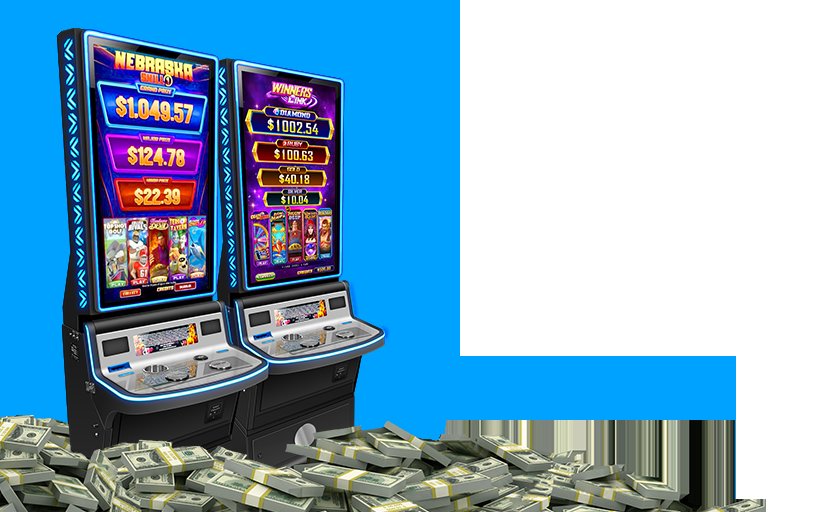
Nebraska skill games
operate under a legal gray area, requiring players to use skill more than chance to win, differentiating them from traditional gambling.
Have you ever wondered about those games popping up in convenience stores and bars across the Cornhusker State? We’re talking about Nebraska skill games, and they’re definitely sparking a lot of conversation.
Are they gambling? Are they legitimate entertainment? It’s a complicated issue with ongoing debate.
Let’s explore what makes these games tick, examining the nuances that set them apart and make them such a hot topic. We will delve into the legal landscape surrounding them.

Nebraska Skill Games: A Deep Dive
Nebraska skill games are sparking considerable discussion across the state. These games, often found in convenience stores and bars, walk a fine line. Are they games of skill, or are they simply games of chance?
This debate has significant implications for their legality and regulation.
Understanding Skill Games
So, what exactly constitutes a skill game? Unlike games of chance where luck dictates the outcome, skill games require players to use strategy. Players must also have knowledge or physical dexterity to succeed.
This distinction is crucial in determining whether a game is permissible under Nebraska law.
Key Elements of Skill Games
Skill games rely on player aptitude more than random number generation. The element of skill must demonstrably impact the outcome.
This is often assessed through gameplay analysis and expert opinions.
Popular Examples in Nebraska
Many games vying for the “skill game” label have emerged in Nebraska. These include digital versions of puzzles, trivia, and matching games.
They frequently involve an element of timed responses or pattern recognition.
The Legal Landscape of Skill Games in Nebraska
Nebraska law tightly regulates gambling. Games of chance are generally prohibited unless specifically authorized.
Skill games, if genuinely relying on skill, may fall outside these restrictions.
Defining “Gambling” in Nebraska
Nebraska Revised Statute 28-1101 defines gambling as risking something of value. This is contingent on the outcome of a game, contest, or event.
The outcome must be based predominately on chance.
The “Predominance Test”
Nebraska courts apply the “predominance test” to differentiate skill games from gambling. This test determines whether chance or skill is the dominating factor in the game’s outcome.
If skill prevails, the game may be considered legal.
Recent Legal Challenges
The legality of Nebraska skill games has been challenged in court. Law enforcement has sometimes targeted operators of these games.
These challenges often center on whether the games meet the “predominance test”.
Ongoing Legislation and Regulation
The Nebraska legislature continues to grapple with skill game regulation. Lawmakers are considering bills to clarify the legal status.
These potential laws could establish licensing requirements and operational guidelines.
Where to Find Nebraska Skill Games
You can often find these games in gas stations and convenience stores throughout Nebraska. Bars and taverns may also host them.
Their accessibility contributes to their popularity.
Concentration in Specific Areas
Certain regions of Nebraska may have a higher concentration of skill games. This often depends on local ordinances and enforcement policies.
Rural areas often see higher concentrations of these games.
Online Availability
While many skill games are played in physical locations, some may be available online. The legality of online skill games can be complex and warrants careful consideration.
Be sure to verify the game’s legality within Nebraska before participating online.
The Debate: Skill vs. Chance
The central debate revolves around whether these games genuinely emphasize skill. Critics argue that some games marketed as skill-based still incorporate significant elements of chance.
This creates a gray area that is hard to navigate.
Arguments for Skill
Proponents argue that skilled players consistently outperform unskilled players. They claim that strategy and practice improve a player’s chances of winning.
This relies on demonstrable evidence of the impact of skill.
Arguments for Chance
Opponents contend that random number generators or pre-determined outcomes heavily influence results. They believe that even skilled players are ultimately subject to luck.
This is a common argument used to classify them as illegal gambling.
Expert Analysis and Studies
Expert analysis and studies play a crucial role in determining the game’s true nature. Mathematicians, game developers, and legal professionals may offer opinions.
Their opinions can weigh heavily in legal proceedings.
Responsible Gaming Considerations
Regardless of their legal status, it’s crucial to approach skill games responsibly. Set limits on spending and time spent playing.
Recognize the potential for addiction.
Resources for Problem Gambling
Numerous resources are available to help individuals struggling with problem gambling. The Nebraska Problem Gambling Assistance Program offers confidential support and treatment referrals.
Reach out if you or someone you know needs help.
Setting Limits and Staying in Control
Establish clear boundaries before playing. Decide on a budget and time limit.
Stick to these limits, even when tempted to chase losses.
Future Trends in Nebraska Skill Games
The future of Nebraska skill games remains uncertain. Legislative action and court decisions will likely shape the landscape.
Technological advancements may also influence game design.
Potential Legislative Changes
Upcoming legislative sessions may bring new regulations or outright bans. The outcome will depend on the balance of competing interests.
Lobbying efforts from both sides will play a significant role.
Impact of Technology
Advancements in gaming technology could lead to more sophisticated skill games. These games may incorporate elements of virtual reality or augmented reality.
This evolution could further blur the lines between skill and chance.
Economic Impact
The presence of skill games has an economic impact on Nebraska communities. They generate revenue for businesses and potentially tax revenue for the state.
However, they also raise concerns about potential social costs.
Examining Specific Game Types
A closer look at specific game types helps illustrate the skill vs. chance debate. Understanding the mechanics of each game is crucial.
This provides context for assessing the role of skill.
Digital Puzzle Games
These games challenge players to solve puzzles within a time limit. Skill is needed in the form of problem-solving abilities and pattern recognition.
Examples include digital jigsaw puzzles and sliding block puzzles.
Trivia Games
Trivia games test players’ knowledge of various subjects. While luck may play a small role in question selection, knowledge is the primary factor in success.
These often feature timed questions to add difficulty.
Matching Games
Matching games require players to identify pairs of identical images or symbols. Skill lies in memory and concentration.
Popular examples include games like “Memory” or “Concentration”.
Operator Responsibilities
Operators of skill games bear certain responsibilities. These include ensuring fair play and preventing underage gambling.
Transparency and responsible practices are essential.
Ensuring Fair Play
Operators should use certified gaming equipment and implement measures to prevent cheating. Regular audits can help maintain integrity.
Fairness is crucial for maintaining public trust.
Age Verification
Operators must verify the age of players to prevent underage gambling. This may involve checking identification.
Strict enforcement of age restrictions is vital.
Displaying Rules and Odds
Operators should clearly display the rules of the game and the odds of winning. This allows players to make informed decisions.
Transparency builds trust and encourages responsible play.
The Role of Local Ordinances
Local ordinances can significantly impact the legality and regulation of skill games. Cities and counties may have their own rules.
These rules can vary widely across Nebraska.
Variations in Regulations
Some localities may ban skill games outright, while others may permit them with certain restrictions. Understanding local ordinances is crucial.
Operators must comply with both state and local laws.
Local Enforcement
Local law enforcement agencies are responsible for enforcing skill game regulations. Their priorities and enforcement strategies can vary.
This can lead to inconsistencies across the state.
Distinguishing Skill Games from Lottery Machines
There is a significant difference between skill games and lottery machines. Lottery machines are based entirely on chance.
Understanding this difference is important.
Predetermined Outcomes
Lottery machines use random number generators to determine outcomes. The player has no control over the results.
Skill plays no role in winning.
Player Agency
In skill games, players have a degree of control over the outcome. Their decisions and actions can impact their chances of winning.
This player agency is absent in lottery machines.
Regulation Differences
Lottery machines are typically subject to strict state regulation. Skill games may fall under different legal frameworks.
These differences reflect the perceived roles of skill and chance.
Consumer Protection Concerns
Consumer protection is a key consideration in the skill game debate. Players need to be protected from unfair practices.
Regulation is necessary to safeguard consumers.
Ensuring Transparency
Transparency in game mechanics and odds is essential for consumer protection. Players should understand how the game works and their chances of winning.
This allows them to make informed decisions.
Preventing Deceptive Practices
Regulation can help prevent deceptive marketing practices. Games should not be falsely advertised as skill-based if they primarily rely on chance.
Accurate advertising is crucial for consumer trust.
Addressing Player Disputes
A system for addressing player disputes is necessary. Players should have a recourse if they believe they have been treated unfairly.
This can involve mediation or arbitration.
The Future of Skill-Based Entertainment
The concept of skill-based entertainment is evolving. New technologies and game designs are blurring the lines between games of skill and games of chance.
This trend presents both opportunities and challenges.
Emerging Technologies
Virtual reality, augmented reality, and artificial intelligence are transforming the entertainment landscape. These technologies can create immersive and engaging skill-based experiences.
They also raise new regulatory questions.
Blurring the Lines
Some games incorporate elements of both skill and chance. These hybrid games can be difficult to classify under existing legal frameworks.
New regulatory approaches may be needed.
The Appeal to Gamers
Skill-based entertainment appeals to gamers who seek a challenge and a sense of accomplishment. These games offer a more engaging and rewarding experience than pure games of chance.
This appeal is driving innovation in the industry.
Skill Game Venue Winner$ Now Open In Sidney, Nebraska
Final Thoughts
Nebraska skill games offer an alternative to traditional gambling, presenting a unique form of entertainment. The debate regarding their legality and regulation continues within the state. They require players to demonstrate skill, distinguishing them from games of pure chance.
These games are gaining popularity. Many enjoy the challenge and engagement they provide. However, the future landscape of skill games in Nebraska remains uncertain.
Ultimately, Nebraska skill games offer a distinct gaming experience, with their legal status still being discussed. Understanding the elements that differentiate them from gambling is a must.

