
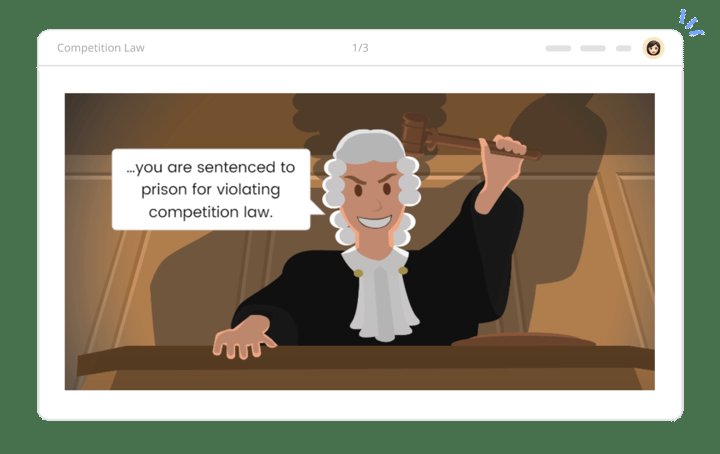
The core concern surrounding Roblox antitrust law centers on whether Roblox’s market dominance and platform practices stifle competition, potentially harming both developers and players.
Is Roblox’s immense popularity creating an unfair playing field? The growing concern around Roblox antitrust law isn’t just about the game itself, but about its position within the market and how it impacts others. This raises questions about potential monopolies and anti-competitive behaviors.
Many are now examining how Roblox operates its marketplace, considering if its control over distribution and revenue unfairly benefits itself over independent creators. The debate about Roblox antitrust law will be a topic of much discussion in the years ahead.

Roblox and Antitrust Law: A Deep Dive
Okay, let’s talk about something a bit complicated but super important: antitrust law and how it might relate to Roblox. You might be thinking, “What does law have to do with my favorite game?” Well, it’s all about making sure things are fair, even in the world of digital playgrounds. Antitrust law is designed to stop companies from becoming too powerful and hurting competition. It’s kind of like having a referee in a game to make sure everyone plays by the rules. When it comes to Roblox, questions are being asked about whether it has too much control over its platform and if that control could be unfair to other game developers or even players. Let’s explore this a little deeper.
Understanding Antitrust Basics
Before we jump into Roblox, let’s break down what antitrust law actually means. Think of it as a set of rules that are there to keep businesses honest and competitive. The idea is to prevent monopolies, where one company has way too much power. Here are some key ideas:
Preventing Monopolies: Antitrust laws work to stop a single company from controlling a whole market. This is good for us because when there are multiple companies, they have to compete for our business. This usually means better products, better prices, and more choices.
Fair Competition: These laws encourage fair play. They stop companies from doing things that could unfairly hurt their competitors, like making it impossible for new or smaller businesses to even get started.
Protecting Consumers: At the end of the day, antitrust laws help us as consumers. They ensure that we get a good deal and aren’t stuck with just one company providing a service or product, which might have subpar quality or inflated prices.
Imagine a world where only one company made all the toys. They could set any price they wanted, and if you didn’t like it, tough luck! Antitrust laws make sure we have a choice.
Roblox’s Position in the Game World
Now, let’s talk about Roblox. It’s not just a game; it’s a whole platform where people create their own games. Roblox has become hugely popular, especially among kids and teens. But with that popularity comes some questions:
A Platform and a Game: Roblox is like a digital mall with lots of different stores (games). But, Roblox is also the mall owner, which gives them a lot of power over what happens inside.
Creator Economy: A big part of Roblox is that regular people can create games and even earn money from their creations. This is really cool, but it also means these creators are heavily reliant on the Roblox platform.
Gatekeeper Role: Because Roblox controls the whole system, it acts as a gatekeeper. It decides what games are allowed, how much creators get paid, and how the platform is run. This amount of control is where the antitrust concerns start popping up.
Roblox is unique because it’s a platform, a game, and a marketplace, all in one. This combined role is what makes the antitrust questions complex and worth discussing.
Potential Antitrust Concerns with Roblox
So, what are the actual concerns about Roblox and antitrust? Here are a few things people are talking about:
The Issue of Commission Fees
Roblox takes a large cut of the money that game creators make on the platform. This is called a commission, or a platform fee. Many creators feel like the cut is too high.
High Fees Impact Creators: Creators argue that the high fees mean they aren’t making as much money as they should from the hard work they put into their games. If the fees are too high, it might discourage people from creating new games, or from putting a lot of effort in.
Limited Alternatives: Because Roblox is so dominant, creators have limited options. They cannot easily take their creations to a different platform and keep their player base and the money they make. This means they are basically locked into the current Roblox terms, including the high commissions.
Comparison to Other Platforms: People often compare Roblox to other marketplaces. Some argue that Roblox’s fees are higher than what other platforms take, raising questions about whether their commission structure is fair. This is often compared to marketplaces like App Store and Google Play, which also take their cut, but there are differences in how these marketplaces operate.
| Platform | Commission Rate (Approx.) | Notes |
| —————– | ———————— | ———————————————————————– |
| Roblox | Up to 75% (after fees) | Variable based on in-game item sales; also platform fee. |
| App Store | 30% | Standard for most in-app purchases, reduced to 15% for small businesses |
| Google Play Store | 30% | Standard for most in-app purchases, reduced to 15% for small businesses |
| Steam | 30% | Can be lower for high volume sales |
Control Over Game Distribution
Roblox has the ultimate say on what games make it onto their platform. This gives them a lot of control over the kind of content that is available to players.
Approval Process: Roblox has a review process that games must go through to be approved for the platform. While this helps protect users from inappropriate or harmful content, it also means Roblox can decide which games can and cannot succeed on the platform.
Promotional Power: Roblox also decides which games are featured on the platform. Games that are promoted by Roblox are more likely to get attention from players. This gives Roblox a lot of influence over what games are successful. The potential of their influence can make or break the game.
Potential for Bias: There’s a worry that Roblox could favor its own games or games that align with their interests. This could make it harder for independent creators to gain visibility on the platform.
Potential for Self-Preferencing
This is related to the idea of promotion power, and the potential for Roblox to give its own creations or partners an unfair advantage.
Internal Game Development: Roblox also develops and promotes its own games within the platform. Some might see this as an unfair advantage given they control the very marketplace.
Partnerships and Exclusivity: Strategic partnerships or exclusive deals with certain developers could create an environment that disadvantages other creators and reduce the fair competition in the marketplace.
The appearance of Bias: The issue of whether it is intentional or not, the appearance that Roblox has an unfair advantage over other creators can create concerns.
Lack of Interoperability
Roblox is its own walled garden. Games and experiences created on Roblox cannot be easily moved or played on other platforms.
Lock-In Effect: This makes it difficult for creators to switch to other platforms without losing their player base. This “lock-in” can be seen as anticompetitive, since creators don’t have the ability to choose a competing service easily.
Limited Options for Players: Players who invest time and money into games on Roblox can’t take that progress or those assets with them if they want to play elsewhere. This lack of interoperability keeps users within the Roblox ecosystem.
Why Antitrust Matters to You
You might be thinking, “Okay, so what? Why should I care about all this?” Well, these antitrust concerns can actually affect your experience on Roblox.
Less Choice in Games: If creators feel they aren’t getting a fair deal, they might not make as many cool games. Or the games made might be less ambitious. This means fewer choices for you as a player.
Potential for Higher Prices: If Roblox is too powerful, they could potentially start charging more for in-game items or the game itself. Without competition, there is no pressure to keep prices low.
Stifled Innovation: If creators are held back by the current system, there might be less innovation and experimentation with new ideas. This could mean that future Roblox games are not as fun or creative as they could be.
Fairness for Creators: Many of us enjoy the creations of others, and those people should have an avenue to create their works fairly. When the creators do well, the platform does well.
The Future of Roblox and Antitrust
The conversation around Roblox and antitrust law is ongoing. It’s important to keep an eye on what’s happening. Here are a few things we might see in the future:
Government Investigations: Government agencies could start investigating Roblox for potential antitrust violations. This might lead to some changes in how Roblox operates.
Lawsuits: Creators or other companies could file lawsuits against Roblox, claiming they are violating antitrust laws.
Platform Changes: Roblox could make changes to its platform in response to these concerns. This might include lowering their commission fees, changing their game approval process, or focusing on increasing interoperability.
Greater Scrutiny: There will be increased scrutiny on big tech platforms like Roblox, particularly when it comes to how they operate.
The debate about Roblox and antitrust is a bigger discussion about the power of online platforms and how to ensure fairness and competition in the digital world.
Looking Ahead
This is a complex issue with no simple answers. However, understanding the basics of antitrust law, how it applies to Roblox, and why it matters can be beneficial for everyone who enjoys the platform, whether as a creator or a player. The landscape of digital gaming is constantly changing, and the way we think about competition and fairness online will continue to evolve. It’s important to follow these conversations and understand the potential implications that these types of decisions will have for the future of online gaming. The more we all know, the more informed decisions we can make and better ensure fairness in the digital world.
This article explored the potential antitrust issues related to the Roblox platform, emphasizing concerns regarding commission fees, game distribution, self-preferencing, and interoperability. We’ve examined how these issues can impact both game creators and players. As the digital landscape evolves, these discussions about fairness and competition remain vital for ensuring a balanced gaming ecosystem for all.
This Roblox Game Actually Gives Free Robux
Final Thoughts
In essence, ongoing debates around Roblox’s marketplace dynamics raise significant concerns. These discussions scrutinize whether the platform’s control over game creation and distribution constitutes anti-competitive behavior.
The crucial question centers on potential Roblox antitrust law violations. This involves examining if Roblox unfairly restricts creators or maintains monopolistic practices within its ecosystem. The future will show how these legal challenges unfold and impact the platform.

