
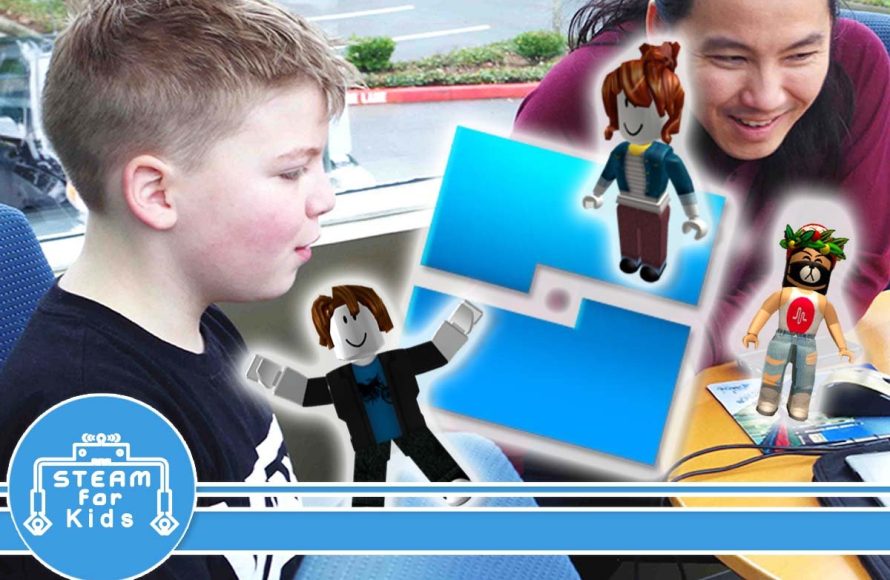
Roblox browser games design focuses on creating engaging experiences within the Roblox platform, leveraging its tools and scripting language to build interactive gameplay accessible directly through web browsers.
Ever wondered how those cool Roblox games you play online are made? It’s all about roblox browser games design, a process where developers create interactive worlds and experiences using Roblox Studio. These aren’t standalone apps; they play right inside your browser window.
The key lies in using the platform’s features and scripting with Lua to bring those ideas to life. Developers build the environments, implement the rules, and craft the entire player experience using this versatile system. It’s a really fun way to make games!

Roblox Browser Games Design: Creating Engaging Worlds
Making games on Roblox that people love to play isn’t just about having a cool idea. It’s about carefully designing the whole experience, so it’s fun, easy to understand, and keeps players coming back for more. This part of the article dives deep into how you can design great Roblox browser games.
Understanding Your Audience and Their Desires
Before you start building anything, you need to think about who your game is for. Is it for little kids, teenagers, or adults? What kind of games do they usually like? Knowing your audience will help you make a game that they’ll enjoy. It’s about making the right game for the right people. And you also need to think about what kind of gameplay they prefer – is it quick, action-packed levels or a longer, more strategic experience? It’s all about knowing what your players want and building your game to meet those needs.
Identifying Your Target Player
Think about things like:
- Age group: Are you making a game for preschoolers, middle schoolers, or older teens?
- Interests: What kinds of games do they play now? What themes are popular with them?
- Play style: Do they like competitive games, cooperative games, or role-playing games?
For example, if you’re making a game for younger kids, you might want to use bright colors, simple controls, and easy-to-understand goals. If you’re making a game for older teens, you could have more complex storylines, challenges, and customization options.
Player Motivation and Engagement
Why do players keep playing? What keeps them interested? Let’s explore the things that get players excited about playing and keep them coming back.
- Rewards: People love to earn things! Think about adding things like points, badges, or special items that players get when they do well in the game.
- Challenges: Make the game a little hard but not too hard. Players want something to work towards and feel good when they achieve it.
- Progression: Let players see how much they have done. Leveling up, getting new skills, or building a bigger home makes players feel like they are moving forward in the game.
- Social Interaction: Roblox is a great place to play with friends! Add ways for players to team up, chat, or compete with each other.
Core Game Mechanics: The Heart of Your Game
The core game mechanics are the actions that players do over and over again in your game. These are the basic rules that make your game work. Think of them as the building blocks of your game, and you need to make sure they are easy to learn and fun to do. If these mechanics are enjoyable, your game is more likely to keep players engaged. These mechanics need to be the heart of your game.
Movement and Controls
How players move around and interact with the game world is super important. The controls should feel natural and responsive. Here are some things to consider:
- Simple Controls: Make it easy for new players to jump in and start playing right away. Use standard keyboard keys or gamepad buttons. Don’t try to make complicated commands.
- Smooth Movement: Make sure moving around feels good. Nobody wants a game where the character feels clunky or hard to control.
- Contextual Controls: The actions players can take should change based on what’s happening in the game. For example, the jump button might do something different when they are standing next to a ladder.
Interaction and Gameplay Loops
The interaction and gameplay loops is how the player keeps playing your game. What does the player do over and over? For example, a player might collect, upgrade, and battle in your game. Here are some examples of gameplay loops:
- Collect and Craft: Players gather resources, then combine them to make new items or tools.
- Explore and Discover: Players move around to different areas in the game world to find secrets and items.
- Complete Quests: Players do tasks that give them rewards. These are great to keep players engaged and to give them goals.
- Combat and Strategy: Players fight with each other or against non-player characters (NPCs) by using different strategies and weapons.
Make these loops fun! Think about how players feel when they use these mechanics. Are they having a good time? Are the actions interesting?
Crafting an Immersive Game World
A great game needs a great world. This is the stage where your players will spend their time, so it must feel engaging and real. The world in your game can be many different things. Here are some different aspects that you should consider when thinking about your game world.
Visual Design: Making it Look Good
The way your game looks plays a big part in how players experience your game. The way you design your world will directly influence how the players feel when they play your game. Here are a few important things to think about:
- Color Palette: Choose colors that fit the mood you’re going for. Bright colors can be fun and exciting, while darker colors might make players feel more serious.
- Stylized Art: Your game doesn’t have to look realistic. A cartoon style can be just as good as something more realistic. Just pick a style and keep it consistent.
- Unique Environments: Create places that make your game stand out. Make each place in your game feel special and different from the others.
- Visual Feedback: Make sure your game shows the players when they do something cool or when they complete a task. This could be sounds, animations, or visual effects.
Sound Design: Bringing the World to Life
Sounds make a huge difference. Here’s how to use sound to make your game better:
- Background Music: Choose music that fits with the feel of your game. Exciting music can keep players active and happy while calm music can make them relax.
- Sound Effects: The sounds that happen when players do things, like jumping, hitting, or picking up items, make the game feel real.
- Ambient Sounds: Adding things like wind, birds, or other background noise can make your game world feel more alive.
Story and Narrative
Even if your game isn’t a role-playing game, a good story or background can make it more exciting. It gives your game a sense of purpose. Here are some things you can include in your story:
- Backstories: Tell the players about the world they are exploring and the character they are playing.
- Quests: Provide tasks for your players to complete.
- Dialogue: Include people in your game that can talk to the player and give them hints or tasks.
- Lore: Adding details about your world makes it feel richer and gives players more things to explore.
A little story can make a big difference in how much players enjoy your game.
User Interface (UI) and User Experience (UX) Design
The user interface (UI) and user experience (UX) are essential in making sure that the players enjoy the game, and they feel like it is easy to use. The UI is what the players see, and the UX is how they feel using it. Here are some key aspects to consider.
Clear and Intuitive Navigation
Players should be able to easily find what they are looking for in the game. Here’s how to make navigation a breeze:
- Menu Design: Make menus simple and easy to read. Players should be able to change settings, quit the game, and get help easily.
- In-Game HUD: Important things like the player’s health, points, or other stats should be easy to see during the game.
- Tooltips and Hints: When new players do not understand how things work, provide a way to help them.
Feedback and Information
Players need to know what’s going on. Make sure the game gives them clear feedback:
- Action Feedback: When players push a button, there should be a clear reaction. This is important to make them feel like they are doing something in the game.
- Game State: Make sure the player can easily know if the character is being attacked, if an action can be taken, or other important information.
- Error Messages: If something goes wrong, tell players what happened and how to fix it.
Accessibility
Make sure that your game can be played by everyone. Here are some things to think about when you are designing your game:
- Adjustable Text Sizes: Players should be able to change the font sizes if needed.
- Color Blind Options: Make sure your game can be played by players with color blindness.
- Customizable Controls: Allow players to change the controls so that they can play in the way that they want.
Designing for accessibility makes sure more people can play and have fun with your game.
Testing and Iteration: The Key to Improvement
Making a game isn’t a one-time thing. It’s important to test your game and use what you learn to make it even better. This is an important part of game design.
Playtesting
Get real players to play your game. Here’s why it matters:
- Find Bugs: Real players will find bugs that you might have missed when you were making the game.
- Get Feedback: Players can tell you if the game is fun, hard, or if anything is confusing.
- See How They Play: Watch how people play your game. This can show you places in the game that might need more work.
Iterative Design
This means that you do not have to make everything perfect from the start. It’s a process where you make changes based on feedback. You keep testing and improving your game until you think it is in the best state. Here’s how it works:
- Make a Change: Adjust the things you have changed and test them.
- Test Again: After the changes, test again to see if the changes helped.
- Make More Changes: Repeat until the game is fun and people are having a good time.
Community Feedback
Talk to the people that play your game. They can give you ideas and tell you what they like and don’t like. Here’s how you can do it:
- Forums and Chats: Set up a place for players to talk to you and each other.
- Surveys and Polls: Ask players to answer questions about the game so that you can get a lot of feedback.
- Game Events: Do things in the game that make players excited. You can also talk to them and get ideas.
Listening to your players is one of the most important ways to improve your game. They will tell you what needs to be changed so that your game is the best that it can be.
Designing Roblox browser games involves a mix of creativity, understanding players, and careful planning. It’s about creating an engaging world, making the core gameplay fun, and making sure players can easily navigate and understand the game. By focusing on your audience, making clear mechanics, and always trying to improve your game based on feedback, you can make awesome Roblox games that many players will enjoy.
Starting a new Roblox game be like: #roblox #robloxstudio
Final Thoughts
Roblox browser games design presents unique challenges and opportunities. Developers must consider the platform’s constraints and player expectations. Good design prioritizes user experience and intuitive controls.
Effective game design incorporates clear goals, engaging gameplay, and consistent visual elements. This ensures players have fun and understand how to progress. A well-designed game will keep players coming back for more.
Ultimately, successful Roblox browser games design requires a careful balance of creativity and technical understanding. Developers create engaging experiences when they keep the user in mind from the start.

