
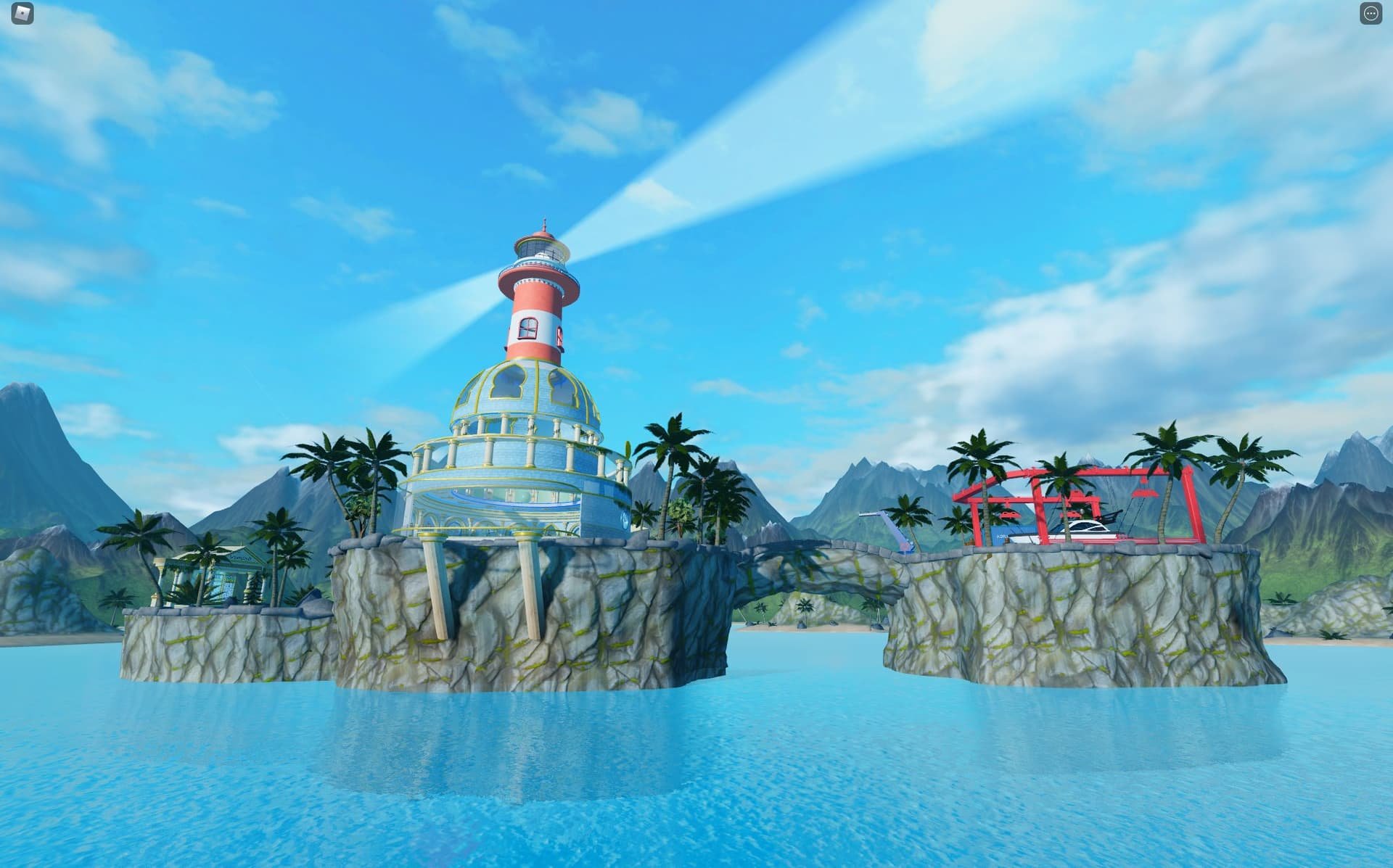
Roblox composition in game design involves arranging elements like parts, models, and scripts to create functional and engaging gameplay.
Creating immersive experiences in Roblox requires a careful approach. The way you arrange different parts and scripts profoundly impacts the game’s feel. Good roblox composition in game design makes the difference between a confusing mess and a compelling environment. This goes beyond simply placing items.
It’s about how each element relates to others. It influences the player’s movement, their interactions, and their enjoyment of the space. We will explore the fundamental principles that make a great composed scene.

Roblox Composition in Game Design
Okay, let’s dive deep into the super cool world of Roblox game design! We’re going to explore something called “composition.” It’s not about music, even though that’s a big part of many games! In this case, composition means how you put all the different parts of your Roblox game together to make something fun and engaging for players. Think of it like building with LEGOs – each brick is important, but how you combine them makes all the difference between a simple tower and an awesome spaceship. This article will help you understand how to thoughtfully arrange the various elements in your Roblox game, leading to better gameplay.
What is Composition in Roblox Game Design?
Imagine you’re baking a cake. You wouldn’t just throw all the ingredients in a bowl and hope for the best, would you? No! You follow a recipe, carefully adding each ingredient in the right amounts and at the right time. Composition in Roblox is similar to that recipe. It’s about the deliberate arrangement of all the elements in your game, like:
- Level Design: How your game world is built, including the layout of platforms, buildings, and obstacles.
- Gameplay Mechanics: The rules of your game, how players move, interact with objects, and achieve goals.
- User Interface (UI): What players see on their screen, such as menus, health bars, and scores.
- Sound Design: The music, sound effects, and ambient noises that create the game’s atmosphere.
- Visual Elements: The use of color, lighting, and textures to make your game visually appealing.
- Story and Narrative: The background, events, and characters that guide the player through the game.
When these parts work well together, you get a smooth, fun and understandable game experience. When they don’t, you might end up with a confusing, frustrating, or boring game. Good game composition makes sure everything feels like it belongs together.
The Importance of Composition
Why does this careful arrangement matter? Well, good composition can:
- Increase Player Engagement: A well-composed game keeps players interested and coming back for more. When the game looks good, plays smoothly, and is fun, players will spend more time enjoying it.
- Improve Player Understanding: Clear and intuitive layouts make it easy for players to understand how to play and what to do. This reduces frustration and increases enjoyment.
- Create a Memorable Experience: Games with strong composition stand out. Players remember the feeling they got when they played.
- Guide Player Behavior: You can use the composition to lead players where you want them to go and influence how they play. This could be using lighting to draw attention to important elements or using level design to encourage players to explore.
- Tell a story: Even without words, the way a game is composed visually can tell a story. A dark, cramped area might suggest danger while a wide, open space might hint at freedom.
Thinking about composition from the beginning of your game design process will lead to a better, more successful game. This will make all the hard work you put into creating your game worth it!
Key Elements of Roblox Game Composition
Now, let’s look at the specific parts of your Roblox game that you should think about when considering composition:
Level Design
The layout of your game world is extremely important. Level design includes:
- Paths and Navigation: How players move through the level. This involves clear pathways, logical connections between areas, and avoiding dead ends that may confuse players.
- Landmarks: Easily recognizable features that help players orient themselves. These can be unique buildings, giant trees, or statues.
- Space: The use of open and closed spaces to create different moods. Open areas can feel freeing, while enclosed spaces can be more suspenseful or challenging.
- Verticality: Adding different levels of height to the map. This could involve platforms, stairs, or jump puzzles.
- Flow: The overall rhythm and pace of the game’s movement.
- Environmental Storytelling: The level design itself may tell a story, without the need for dialogue. This is done with broken objects, traces of activity, etc.
Think about how players will move through your world. A maze needs lots of twists and turns, while a racing game should have a wide, open track. Every good level should encourage exploration while also guiding the player towards their goals.
Gameplay Mechanics
Gameplay mechanics are the rules of your game and how players interact with it. This includes:
- Movement: How players move, jump, sprint, or fly. The movement should feel comfortable and respond well.
- Interaction: How players interact with objects, other players, and the environment. This could be picking up items, pressing buttons, or battling enemies.
- Challenges and Goals: What the players are trying to achieve and how. This can be completing quests, winning races, solving puzzles, or battling others.
- Reward Systems: What players gain from completing goals. This may include points, in-game currency, special abilities, or visual awards.
- Difficulty Curve: How the game’s challenge increases over time, gradually introducing new mechanics and challenges. Start easy and gradually make the game harder so that players don’t get overwhelmed right away.
The mechanics should feel well integrated and fit the style of your game. A fast-paced action game should have smooth and responsive movement, while a puzzle game should rely on logical interactions.
User Interface (UI)
The user interface is how players receive information and interact with the game on the screen. This includes:
- HUD (Heads-Up Display): Important information shown on the screen, like health bars, scores, and ammo counts. It should be clear, easy to see, and placed where it’s not distracting.
- Menus: Screens for settings, inventory, and options. The menus should be easy to navigate and user-friendly.
- Notifications: Messages that pop up to inform the player about game events. These should be clear, concise, and useful.
- Icons and Visuals: Symbols and graphics used to represent game elements. Use symbols that are easily recognizable and fit the style of your game.
- Accessibility: Considering how players with different needs will interact with the UI, such as size options and text-to-speech.
A good UI is invisible; it helps players without getting in the way. Bad UI can cause confusion and frustration, taking away from the gaming experience.
Sound Design
Sound design is how you use sounds to bring your game world to life. This includes:
- Music: Background music that sets the mood and tone of the game. It should match the game’s style and feel appropriate for the situation.
- Sound Effects: Sounds for actions, such as jumping, running, or hitting an object. These should be clear, realistic, or stylized, fitting the game’s overall theme.
- Ambient Sounds: Background noises that make the game feel alive, such as wind, rain, or crowd noises. Ambient sounds make the game feel more immersive.
- Spatial Audio: Sounds change depending on the player’s position in the game. This can make a game feel more realistic and immersive.
- Sound Cues: Using sound to let the player know important things like a warning or when a special event is happening.
Think of sounds as another way to tell the story and help with gameplay. A creaky door sound could hint at something spooky, while a cheerful melody can make a puzzle seem fun.
Visual Elements
Visual elements are what your players see and how you make your game look. This includes:
- Color Palette: The colors you choose for your game. Colors can affect the mood of your game. Bright colors can make a game feel fun and energetic, while dark colors can be serious or scary.
- Lighting: How you use light and shadow to create mood and draw attention to important features. Use lighting to create interesting areas and to make your game look amazing.
- Textures: Surfaces on the objects in your game, such as wood, grass, or metal. Textures can make your game look more detailed and realistic.
- Style: Whether your game is cartoonish, realistic, or something else. Consistency in style makes your game more engaging and creates a unified visual experience.
- Visual Storytelling: Using the visual elements to hint at the story and create a unique atmosphere for the game.
The visuals should be consistent and appealing, making players want to explore and interact with the world you have created. Use visual elements to guide the player’s eyes.
Story and Narrative
Story and Narrative are how you create a background for your game and guide players through their experience. This includes:
- Setting: Where your game takes place and the time period. The setting sets the stage for your story and characters.
- Characters: The people or creatures in your game, including the player. The characters should be interesting and relatable.
- Plot: The events that happen in your game. The plot should be engaging, well-written, and have clear goals.
- Pacing: How the story unfolds over time. Pacing can make a story feel more exciting.
- Dialogue: The conversations between characters. Dialogue makes the characters feel real, and it helps explain the story.
Story and narrative can help players connect to your game on a deeper level. Even simple games can benefit from a great storyline that adds context and meaning to the gameplay.
Putting It All Together: Examples
Let’s look at some examples of how these elements come together in Roblox:
Example 1: An Obby
- Level Design: A series of platforms with clear paths to the end. The level might use different colored platforms to indicate the different kinds of jumps and also use some different kinds of obstacles for the player to cross.
- Gameplay Mechanics: Players jump and move their character from platform to platform. The challenge is in timing the jumps correctly and using movement to get past the obstacles.
- UI: Simple HUD showing time, health and progress (how far you have gotten) in the obby.
- Sound Design: Upbeat background music with simple sound effects for jumping and falling.
- Visual Elements: Bright and colorful blocks that are easy to see.
- Story and Narrative: Minimal story, the goal is just to reach the end.
This is a great example of composition where each element works to make a simple, yet fun and challenging experience.
Example 2: A Role-Playing Game (RPG)
- Level Design: A large open world with different towns, forests, and dungeons. The areas can be open spaces with lots of things to explore, or small detailed rooms with interactive objects.
- Gameplay Mechanics: Players explore the world, complete quests, battle monsters, and level up their characters. The mechanics involve choices, different styles of fighting, and some simple resource management.
- UI: A more complex HUD that shows health, mana, experience, and inventory. It has menus to access maps, quests, and equipment.
- Sound Design: Epic music that changes with the environment, detailed sound effects for battles, and character interactions.
- Visual Elements: A detailed fantasy world with unique designs for each area, and detailed characters.
- Story and Narrative: A rich story with a main quest and side quests. Characters have their own histories and stories that affect the game world.
This example shows how good composition can create a very immersive and engaging experience for the player with different kind of game elements combining together to make a complete gameplay loop.
Tips for Improving Your Roblox Game Composition
Here are some practical tips to help you improve your game’s composition:
- Plan Ahead: Before you start building, sketch out your level designs, gameplay ideas, and storyline. Having a clear plan makes it easier to stay consistent.
- Get Feedback: Let other people play your game and get their opinions. You can find out about the confusing parts or where the game feels boring.
- Iterate: Don’t be afraid to change things if they don’t work. Making changes based on playtests is how you make a game better.
- Study Other Games: Look at other popular Roblox games and see how they composed their elements. Find out how they made their games so much fun for the players.
- Be Consistent: Make sure the art style, sound, and gameplay all match. This creates a feeling that everything belongs together.
- Focus on the Player: Always think about how the player will experience your game. Make the game as simple and easy to understand for the player, which will make the game more fun and engaging.
Remember, composition is not a one-time thing. It’s an ongoing process. Keep working on your game, keep refining the details and the gameplay, and you’ll create something amazing!
In short, focusing on composition in Roblox game design allows you to create games that are not only enjoyable but also memorable. By carefully considering how each element works together, you can craft experiences that keep players engaged and coming back for more. The next time you are designing a Roblox game, take some time to think about how each game element contributes to the overall game experience. You’ll see that with some planning, thought and effort, the games you create will be much more engaging and fun to play for everyone. Good luck in your game development journey!
scripting your roblox ideas.. 🤯😨😨
Final Thoughts
Effective Roblox composition in game design involves thoughtfully placing elements. Strategic arrangement guides player experience. Combining assets creates distinct areas within your game.
Thoughtful layouts increase engagement. Players react to visual cues. Good composition improves navigation. Roblox composition in game design significantly shapes player interaction and enjoyment.

