
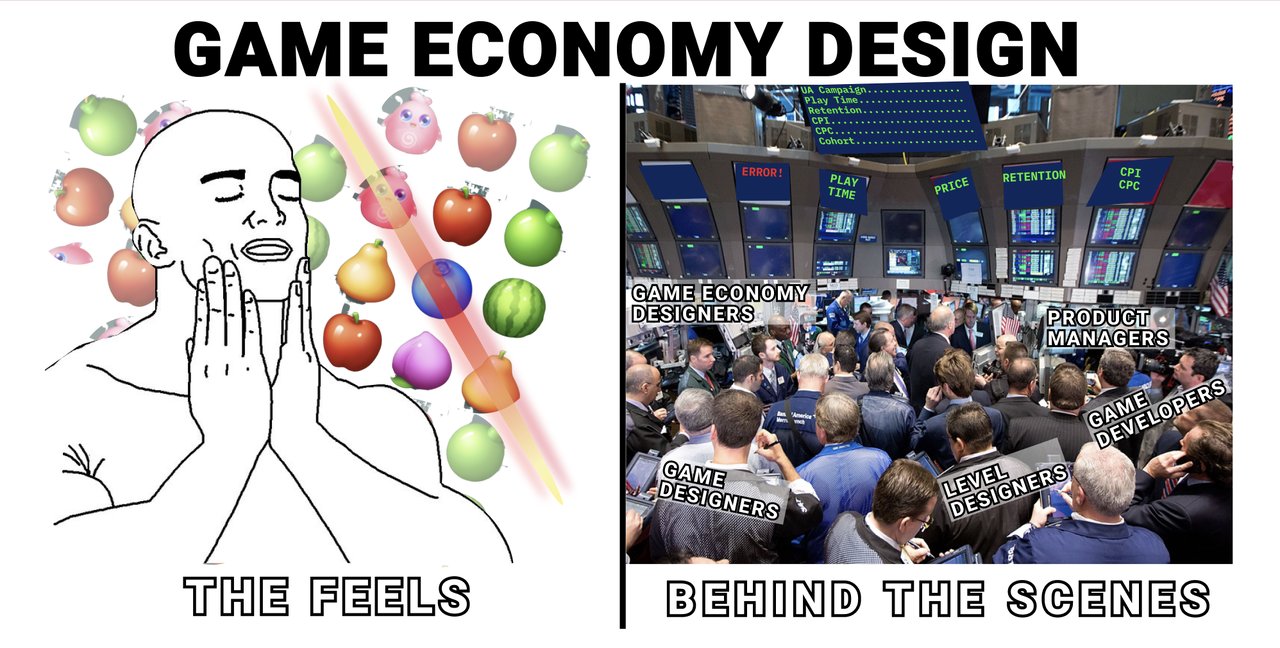
Effective Roblox game economy design centers around carefully balancing in-game currency generation, item costs, and player progression to encourage engagement and spending, while maintaining a fair and enjoyable experience.
Creating a successful game on Roblox requires more than just engaging gameplay. Understanding how the in-game economy works forms a crucial part of your project’s success. A well-planned economy keeps players invested and returning for more. Therefore, good roblox game economy design is vital for longevity.
Thinking about how players will earn and spend virtual money, how to price items, and the overall flow of resources within your game needs careful planning. Without thoughtful economic decisions, players could lose interest quickly, and your game might not achieve its full potential. A great design will make players happy and they will be active in your game.

Roblox Game Economy Design
Ever played a Roblox game where you just couldn’t stop collecting coins, buying cool items, or trading with your friends? That’s the magic of a well-designed game economy! Just like real life, games have their own systems for managing resources, money, and how players interact with them. A good economy makes a game fun, engaging, and keeps players coming back for more. In this article, we’ll dive deep into what makes a great Roblox game economy and how you can make your own games even better.
Understanding the Basics of a Game Economy
Before we get into the nitty-gritty, let’s talk about what a game economy really is. Simply put, it’s all about how stuff flows in your game. This includes:
- Currencies: These are the “money” in your game. It could be coins, gems, tickets, or anything else you come up with! Players earn these and spend them on other things.
- Items: These are things players can buy, trade, or find in your game. Think of tools, weapons, clothes for avatars, special abilities, and more.
- Resources: These are raw materials like wood, stone, or food that players might gather to craft items or build things.
- Sinks: These are ways to remove currency or resources from the game. Spending money, using items, and crafting are all examples of sinks.
- Sources: These are how players get currency or resources. This could be from playing mini-games, completing tasks, or finding treasure.
Think of your game economy as a balancing act. You need to make sure that there’s enough currency and resources flowing into the game (sources) to keep players going, but also enough ways to use them up (sinks) so that things don’t get out of control. If everyone has way too much money, then buying stuff becomes less special. If it’s too hard to earn money, players might get frustrated and leave. So we need to strike a good balance!
Types of Currencies in Roblox Games
Let’s explore the different types of currencies you might find in Roblox games. Each has its own purpose and how players interact with it. Using various currencies helps to make your game more engaging and complex.
Primary Currency
This is often the main form of currency that players encounter. Here are common examples:
- Coins: Probably the most common. Easy to understand and widely used. Players usually get coins for completing tasks, doing mini-games, or by being idle.
- Cash: Another name for the main currency, often used in modern-themed games.
- Points/Score: Sometimes points earned in game activities function as a currency for purchasing items.
Primary currency is usually the most abundant and easily obtained in a game.
Secondary Currency
This is a more valuable currency that is harder to obtain. It’s used for special items or to give players a sense of accomplishment. Here are common examples:
- Gems/Diamonds: These usually have more value than coins and are often earned through more challenging tasks or as special rewards.
- Tickets/Tokens: Can often be earned through events and spent on exclusive items or privileges.
- Special Event Currency: This currency type is usually earned during special events and can be used to buy unique event-only items.
Secondary currency makes items feel more valuable. It encourages players to engage with different aspects of your game.
Premium Currency
Premium currency is usually purchased with Robux, the actual currency used on Roblox. It’s often used for very valuable items and is important for game monetization. Here are common examples:
- Robux: The core currency of the Roblox platform.
- Special Tokens (Purchased with Robux): Some games use tokens bought with Robux that can be used for in-game boosts and special access.
Premium currency is very important for game monetization and often tied to cosmetics and special privileges.
Designing Effective Currency Systems
Once you choose the types of currency, you need to make sure the whole system works well. Consider these points:
Earning Methods
Players should have multiple and varied ways to earn currency. This keeps them engaged and allows different play styles. Here are some examples:
- Quests: Players complete tasks to earn currency or resources.
- Mini-Games: Players engage in small games for rewards.
- Daily Rewards: Players log in daily to receive bonuses.
- Achievements: Players earn rewards for hitting specific milestones.
- Idling/Passive Earning: Some games reward players for the time they spend in the game.
Spending Opportunities
It’s important to have great stuff for players to spend their currency on. This is what makes it fun! Here are some ideas:
- Items: Weapons, tools, pets, furniture, clothes, vehicle
- Upgrades: Improving character skills or tools to get a competitive edge.
- Cosmetics: Skins, hats, clothes, effects.
- Gameplay Enhancements: Faster resource collecting or other perks
- Access to New Areas: Players can spend currency to access new areas of a game, making it feel like a reward for playing.
Balancing Sources and Sinks
The key to a good economy is balance. If too much currency enters the game without a way to leave, prices go up, and the value of currency decreases, a process known as inflation. On the other hand, if it’s too hard to earn money, players may get discouraged. Here’s how to balance them:
- Regular Analysis: Keep track of how much currency players earn and spend.
- Adjustments: Be ready to change the amount of currency that’s earned or how much items cost to keep the economy balanced.
- Introduce New Items and Sinks: As the game evolves, adding new items and ways to use currency will keep the economy in check.
A balanced currency system keeps your game fair and fun for everyone.
The Importance of Items and Trading
Items are a core element in most Roblox games. They give players goals and ways to customize their experience. A good system for items keeps players engaged, they want to collect, trade and use the different items in game.
Types of Items
Items can vary wildly depending on the type of game. Here are some common categories:
- Tools: Pickaxes, swords, shovels, etc. Used to interact with the game world.
- Weapons: Used to fight enemies or other players.
- Consumables: Potions, food, etc. Used for temporary effects.
- Cosmetics: Hats, clothes, skins, etc. Used for personalization.
- Pets: Companions that may provide bonuses or be purely cosmetic.
- Special Access Items: Keys, special passes that allow players to access restricted areas or game features
Item Rarity
Making some items harder to get than others adds excitement. This concept is called item rarity. This leads to some items being more valued than others. Here are common levels of rarity:
- Common: Easy to find.
- Uncommon: A bit harder to find.
- Rare: Very hard to find.
- Epic/Legendary: Extremely hard to find and very valuable.
Rarity adds a sense of accomplishment when players find or obtain special items. When we add a good trading system to this, items also gain a monetary value which players can use to get other items they like.
Trading Systems
Allowing players to trade items can add a social dynamic and make the game feel more alive. Here are some tips for creating good trading:
- Secure System: Make sure the system is safe and prevents scams.
- Easy to Use: Make it simple for players to propose and accept trades.
- Trading Limits: Setting up some trade limitations can balance the game economy.
- Value Indicators: Give players some way to determine the value of items. This can be an item tier system or use some community-based system.
A well-designed trading system can encourage social interaction and increase game play.
Using Resources and Crafting
Resources are the raw materials that players find in the game world and use to craft new items. This adds a new layer of depth and complexity to a game’s economy.
Types of Resources
Common game resources include:
- Wood: Used for building or crafting basic tools.
- Stone: Used for construction or making stronger tools.
- Metal: Used for crafting weapons and advanced equipment.
- Food: Used to restore health or provide buffs.
- Plants/Herbs: Used for crafting potions or other consumables.
Crafting Systems
Crafting adds a purpose to resources. It also gives players a sense of progress. It’s like a little recipe book that players need to follow to make new items. Here’s what makes a good crafting system:
- Clear Recipes: Players need to understand how to combine resources to make items.
- Variety: Provide a range of items players can craft.
- Progression: Start with basic recipes and allow players to make more complex items as they progress.
- Balance: Adjust the resource amounts needed for each crafting recipe to ensure it’s challenging but not impossible.
A well-designed resource and crafting system makes players explore the game and make their own items, adding another layer to your game’s economy and gameplay.
Analyzing and Adjusting Your Economy
Building a game economy is just the beginning. You need to watch how players use it and make adjustments as needed. Here is how to analyze your game economy:
Tracking Player Behavior
To make changes, first, you need to understand what players are doing. Here is what you need to track:
- Currency Earning Rate: How quickly are players earning each type of currency?
- Currency Spending: What are players buying the most?
- Item Usage: Which items are popular and which are not?
- Trading Activity: How many players are trading? What items are being traded most?
- Resource Gathering: Where are players getting resources? What type of resources are players obtaining more?
Track this data so you can make intelligent decisions about your economy.
Making Adjustments
Based on the data you get, you may need to change how the game works. Here are some changes you can make:
- Change Prices: If something is too cheap or too expensive, you may want to adjust the price.
- Adjust Earning Rates: Adjust how much currency players get from different activities.
- Modify Item Rarity: Change the drop rates for rare items.
- Add/Remove Items: Introduce new items, or remove some items from your game.
- Introduce New Features: Add new ways to earn or spend currency to keep things fresh.
Making adjustments to your economy to keep it balanced is very important.
Listening to Player Feedback
Your players are the best source of information on how well the economy is working. Be sure to listen to what they have to say:
- Surveys: Ask players directly about their experiences with the economy.
- Forums/Discord: Check player discussions for feedback and suggestions.
- In-Game Feedback: Provide ways for players to leave suggestions.
Always value feedback from your players, they’ll have ideas to improve your game!
Monetization and Roblox Economy
If you want to earn money from your Roblox game, monetization needs to be an important part of your economy. Here are some common ways to monetize your game:
Game Passes
Game Passes are like add-ons to your game that players buy once and have forever. Here’s what they can offer:
- Gameplay Enhancements: Faster movement, more health, or other perks that improve the player’s experience.
- Exclusive Access: Access to new areas, special game modes, or exclusive items.
- Cosmetic Items: Unique skins, clothes, or effects to help players customize their avatars.
Developer Products
Developer products are single-use purchases. Here is how they can help players:
- In-Game Currency: Players can buy more in-game coins, gems, or other forms of currency.
- Resource Packs: Players can buy packs of resources to help them craft new items.
- Loot Boxes: Allow players to purchase a “chance” at a valuable or unique item.
- Single-use Boosts: Offer temporary perks, such as double experience or faster resource collection, that players can purchase.
Balancing Monetization and Player Experience
It’s important to make money, but you also want your game to be fun for everyone. Here is what you should consider:
- Avoid Pay-to-Win: Make sure players who don’t spend money can still have fun and compete.
- Fair Prices: Ensure the prices for items and passes seem fair and aren’t too expensive.
- Offer Value: Make sure that what you sell is worth the cost and improves the player’s experience.
Balance is key to having happy players who also support your game!
Creating a good game economy is hard work, but the result is a much more fun and interesting game. Focus on having balanced currency, valuable items, fun resources, and you’ll have something that players will keep coming back to. And remember to keep playing and adjusting as you go.
ROBLOX HAS AN ECONOMY???
Final Thoughts
Effective Roblox game economy design requires careful consideration of player progression and item value. You must balance scarcity with accessibility to maintain engagement. This balance ensures players have meaningful goals.
Players should feel their efforts are rewarded within the game economy. A well-structured system motivates continued play and investment. This careful setup creates a healthier and longer-lasting game experience.
Ultimately, successful Roblox game economy design depends on understanding your audience and their motivations. You must create a system that feels fair and rewarding, encouraging long-term participation.

