
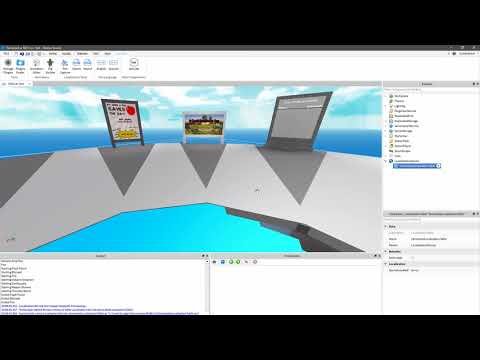
Roblox localization testing ensures your game’s text and user interface correctly display in different languages, providing a consistent experience for all players.
Have you ever imagined your amazing Roblox creation reaching a global audience? That dream comes much closer with effective localization. Roblox localization testing is crucial; it bridges the language gap, allowing players worldwide to fully engage with your game. Without proper testing, text might appear jumbled or confusing, leading to a poor player experience. This process ensures a polished and accessible game for everyone, no matter their language.

Roblox Localization Testing: Making Your Game Global
Have you ever imagined your amazing Roblox game being played by kids all around the world? That’s the magic of localization! It’s not just about translating words; it’s about making sure your game feels natural and fun for everyone, no matter where they live or what language they speak. Roblox localization testing is the crucial step that helps you achieve this goal. It’s like a dress rehearsal, but instead of a play, we’re talking about a global gaming experience. Let’s jump in and see what it’s all about!
Why is Roblox Localization Testing Important?
Imagine playing a game where the text looks like gibberish, or where the instructions don’t make sense at all. It would be frustrating, right? That’s what players experience when games are not properly localized. Localization testing is the process that catches these issues before your game gets into the hands of players. Here’s why it’s super important:
- Reaching a Wider Audience: Think about how many more players could enjoy your game if it was available in Spanish, French, German, or any other language! Localization opens the doors to a massive global audience.
- Improving Player Experience: Games that feel like they were made specifically for a player’s language and culture are way more engaging and fun. It creates a connection that makes players want to come back for more.
- Avoiding Confusion and Frustration: When things are not correctly translated, players can become confused or frustrated. Localization testing helps you avoid these headaches and makes your game much easier to understand and play.
- Building a Positive Reputation: A well-localized game shows that you care about all your players, not just the ones who speak your language. It builds trust and improves your game’s reputation worldwide.
- Increasing Game Revenue: With a bigger, more engaged player base, you also increase the chances of your game becoming more popular, resulting in more players, more engagement and potential revenue.
What Exactly is Roblox Localization Testing?
Roblox localization testing is the process of checking your game after it has been translated into other languages. It’s not just about verifying that words are translated accurately; it’s about ensuring that everything looks and feels right in each supported language. It involves a careful check of different elements:
Text Accuracy
The most basic part is checking if the words are correctly translated. This means making sure that the meaning of the original text is maintained in the other languages. Incorrect translations can cause confusion and take away from the game’s experience. For example, if the word “jump” is translated to “sleep” in another language, the gameplay experience is negatively impacted. Here are some important considerations:
- Contextual Accuracy: The translation should make sense within the game’s context. A word can have multiple meanings, so it’s important to use the one that fits.
- Grammar and Syntax: Proper grammar and sentence structure are key. Each language has its own unique way of putting words together, so it’s important to use them correctly.
- Tone and Style: The tone should remain consistent with the game’s overall feel. If the game is silly and funny, the translations should also reflect that same tone.
UI/UX Testing
User Interface (UI) and User Experience (UX) testing focuses on how players interact with your game. A localized game should be easy to use, and this includes making sure that the game’s menus, buttons, and other on-screen elements are displayed correctly in all languages. Important aspects include:
- Text Overflow: Sometimes, translated text can be longer or shorter than the original text. If the text is too long, it might overflow from buttons or boxes, making it look messy.
- Layout Adjustments: Different languages may need a little more or less space to display text properly. The game’s layout should adjust to accommodate different word lengths.
- Directionality: Some languages, like Arabic or Hebrew, are read from right to left. The game’s layout should be adjusted accordingly for those languages.
- Cultural Sensitivity: Game elements such as colors, images, and even symbols can have different meanings in various cultures. Localization testing makes sure that your game isn’t inadvertently offensive or confusing to players from different backgrounds. For instance, a common gesture might be seen as disrespectful in another country.
Audio and Voice-Over Checks
If your game includes audio or voice-overs, it’s essential to check those too. The audio content should be clear, properly synchronized, and appropriate for the language and culture of the players. Important checks involve:
- Synchronization: Audio should match up correctly with any actions or characters on the screen.
- Correct Language: The voice-overs should be in the proper language and should be easily understandable.
- Cultural Appropriateness: The tone and style of the audio and voice-overs should be respectful and fit the game’s style for the target audience.
Cultural Considerations
Localization is more than just words; it involves cultural adaptation. This means adjusting the game to suit the cultural nuances and preferences of your target audience. This can involve:
- Avoiding Cultural Insensitivities: Some colors, symbols, and themes can have different meanings in other cultures and might be considered inappropriate.
- Adapting Game Elements: Things like currency, dates, and times should be formatted according to the local customs of the target region.
- Understanding Local Preferences: Knowing what’s popular or enjoyable in a culture can help tailor the game to better match the needs of local players.
Who Does Roblox Localization Testing?
Several people can play a part in localization testing, including:
Professional Translators
These experts specialize in language translation and know how to handle nuanced words. They are adept at capturing the true meaning of the source language and conveying it accurately into the target language. They are knowledgeable about the differences between words and phrases and can make sure the translations are smooth and understandable. Translators are crucial for ensuring linguistic accuracy in your game.
Native Speakers
Native speakers are people who speak a language as their first language. They are ideal for localization testing since they understand how the language is used naturally. They help catch any strange-sounding phrases or sentences that might get past a translator. They can give insight into local customs and cultural norms, helping you adapt your game effectively.
In-House Testers
Many game development teams have testers who review game elements for defects. These testers are already familiar with how your game works, so they can see whether the localized version plays as well as the original. They have good understanding of game mechanics which allows them to identify bugs and other gameplay issues. They work through the entire game, focusing on the flow, UI, and overall experience, giving valuable feedback.
Community Feedback
Involving your player community can provide significant insights, since they are, after all, the end-users. Player feedback can point out areas of your game that need improvement. This is especially helpful for catching any mistakes that may have been missed during earlier testing stages. You can create channels in your community forums to get this feedback.
Localization Agencies
Some companies offer specialized localization services. They have teams of translators, testers, and other professionals who handle all aspects of localization from beginning to end. They bring extensive experience and can streamline the entire process, saving you time and effort.
Best Practices for Roblox Localization Testing
To make the localization process smooth and effective, there are some best practices you should follow:
Start Early
Don’t wait until the end of your game development to think about localization. Plan your game with localization in mind from the beginning. This includes designing user interfaces that can handle text expansions and selecting words and phrases that translate easily. If you start early, you reduce the time and effort spent in fixing issues later on.
Use a Translation Management System
A Translation Management System (TMS) is software that helps manage the translation process. It can help you organize your text, track the status of translations, and collaborate with translators. This will help keep things more organized and reduce chances of errors. It also makes it simpler to update and maintain your translations.
Create a Style Guide
A style guide provides rules about how the language should be used in your game. It can contain information about tone, word usage, and other translation issues. This makes sure that translations are consistent throughout the game, which is particularly useful if multiple translators are working on the same project. This also helps in maintaining the quality of the translated material.
Test on Different Devices
Games can look different on different devices and operating systems. Make sure to test your localized game on different devices to ensure the text and game elements look good on all of them. Testing on devices like phones, tablets, and computers is necessary for a good player experience. It prevents issues with display and ensures consistency across the board.
Iterate and Improve
Localization is not a one-time event. It’s an ongoing process. After getting player feedback, keep refining and improving your translations and game experience. By continuously seeking player feedback and making adjustments, you will improve the quality of your translations and the overall gaming experience.
Focus on User Experience
The end goal of localization is to make the user experience better for people in different regions. So it’s very important that the game not only translates well, but also that it feels natural to the users in the target language. This means keeping cultural factors and local preferences in mind.
Automated Testing Tools
Consider using automated testing tools, where possible. These tools can help find common localization problems like text overflow and broken UI elements. While automated testing is beneficial, you should still not ignore manual testing with people who are native speakers. Manual testing will help find the less visible issues that automated tools may not pick up.
Use Clear and Concise Text
Make sure that the text in your original game is simple, straightforward and easy to understand. This will make the translation easier and more accurate. Try to stay away from very complex words or phrases, as they may get lost in translation. Use plain English when writing your texts as this will minimize translation issues.
Keep a Localization Checklist
Creating a localization checklist will help keep your testing consistent, and reduce the chances of you missing important steps. The checklist should cover all aspects of the game, including all the texts, UI, audio, and cultural adaptations. By referring to your checklist every time you test, you can be more sure of a high-quality localization. The checklist should include key areas like UI overflow, translation accuracy, audio synchronization and cultural sensitivity.
Document Everything
Make sure to keep a record of all of the changes you have made during the localization process. Documentation of the errors found during testing and the fixes made will help in future iterations. When making adjustments, having records will help maintain accuracy and will allow you to track the overall progress of the project. You can refer to these records whenever needed.
Common Challenges in Roblox Localization Testing
While localization testing is super important, it also comes with its own set of challenges:
- Text Expansion: Translated text can be longer than the original text and cause text overflow problems, especially if you’ve designed your interfaces without considering that.
- Contextual Differences: Words and phrases can have different meanings depending on the context and the culture. This can cause some problems if translations are not done carefully.
- Cultural Nuances: Games can contain cultural references that might not make sense or be appreciated by people from different cultural backgrounds.
- Maintaining Consistency: Keeping all translated text consistent in terms of style and terminology can be quite challenging, especially when you are working with multiple translators and languages.
- Resource Constraints: Hiring professional translators and testers can sometimes be quite expensive, and smaller teams may find it difficult to set aside resources for this essential task.
- Finding Qualified Testers: It can be difficult to find native speakers who are also familiar with gaming and are able to properly give feedback on the localized version of your game.
Tools and Resources for Roblox Localization
Luckily, there are quite a few tools and resources that help with Roblox Localization. Here are a few popular ones:
Roblox’s In-Platform Localization Tools
Roblox has built-in tools to help with basic translation. These can help you start the localization process and manage some translations directly within the platform. This is convenient for quick fixes and smaller projects.
Translation Management Systems (TMS)
TMS platforms offer a wide range of features for handling translations more professionally. These systems help to organize translations, work with translators, and ensure consistency. Some popular TMS options include:
- Smartling
- Lokalise
- Crowdin
- Phrase
Community Translation Platforms
These are community based platforms where volunteers translate your game into different languages. While this can be a low cost option, keep in mind that the quality and consistency might vary. However, if your game is community-driven, this might be a good fit. Examples of such platforms include:
- Transifex
Translation APIs
You can use translation APIs to automatically translate text. These are great for getting a basic translation done very quickly. However, keep in mind that human translations are still crucial for high-quality results. Some widely used Translation APIs are:
- Google Translate API
- Microsoft Translator API
These automated tools will give you quick and often, accurate translations. However, it is still very important to use human translators, since they can check for accuracy, context, tone and other linguistic details that automated tools often miss.
The Benefits of Effective Localization Testing
Putting time and effort into localization testing will bring many benefits to your Roblox game. This is how you will create a positive game experience for players all around the world.
- Increased Player Engagement: When your game feels specifically tailored to their needs and preferences, players are more likely to play your game more and more often.
- Higher User Retention: Players who feel comfortable and can easily understand your game are more likely to stick around for a long time.
- Enhanced Global Brand Awareness: With wider coverage and more happy players, your game will get more positive attention and become more popular globally.
- Better Revenue Potential: A more extensive user base increases the potential for more income, be it through in game purchases or other monetization strategies.
- Improved Overall Game Quality: Localization testing helps identify any issues in the overall quality of your game, be it in the UI or other parts of the game.
By embracing localization testing as a necessary step, you show that you respect the diversity of players around the world. It transforms your game into a universal experience that welcomes and engages everyone, no matter where they come from or what language they speak. It is indeed a win-win situation.
In conclusion, Roblox localization testing is an important process for creating a game that resonates with players around the world. By carefully checking translations, user interfaces, audio content and cultural nuances, you can create a much more engaging experience for everyone. Even though there are many challenges to overcome, proper planning, and the right tools will help you to create a much more global friendly game. So, embrace localization testing, and watch as your Roblox game becomes more inclusive, enjoyable and globally popular.
How To Localize A Game On Roblox
Final Thoughts
Effective Roblox localization testing is crucial for reaching a global audience. Thoroughly checking translated text, UI elements, and cultural nuances ensures a positive user experience for players everywhere. It improves player engagement significantly and helps avoid potential problems.
Therefore, investing in meticulous Roblox localization testing is not just beneficial; it’s a necessity for success. Properly tested translated versions allows for smoother, enjoyable gameplay across diverse player bases. Ignoring this can alienate audiences and impede growth.

