
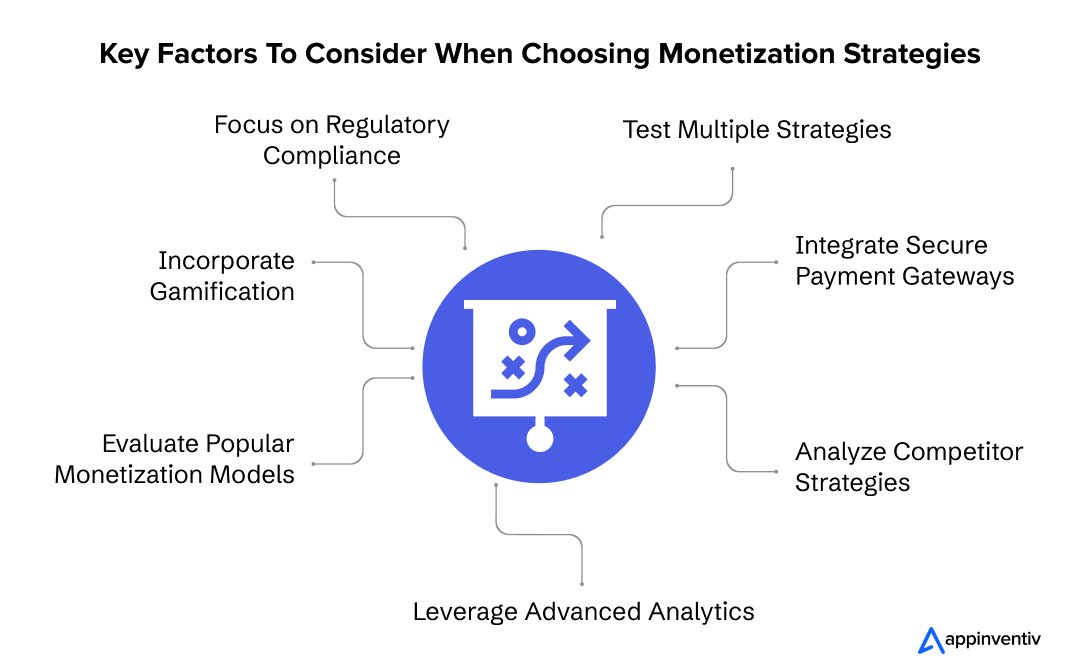
Advanced Roblox monetization strategies involve implementing sophisticated game design with strategic in-app purchases, targeted advertising, and collaborations.
Moving beyond basic game passes, successful creators delve into more refined techniques. They understand the nuances of player psychology to create value that users willingly pay for. This means focusing on experiences that are engaging and worth spending on, not simply slapping a price tag on everything.
Effective Roblox monetization strategies advanced require a keen understanding of your audience. Data analysis is key; creators must understand what their players want, how they play, and what they are likely to invest in. This allows for a tailored approach that boosts both revenue and enjoyment.

Roblox Monetization Strategies: Advanced Techniques
So, you’ve got a cool Roblox game or experience, and you’re ready to make some Robux? That’s awesome! We’ve already talked about the basics, like game passes and developer products. Now, let’s dive into some more advanced ways to make your creations really profitable. Think of this as leveling up your monetization skills!
Understanding Player Behavior
Before we get into the specific strategies, it’s super important to understand how your players behave. This means knowing what they like, what they buy, and when they play. It’s like being a detective, but instead of solving crimes, you’re figuring out the best ways to make your game fun and profitable.
Using Analytics
Roblox gives you tools called “analytics” that show you cool stuff about your game. This includes:
- How many players are visiting your game.
- How long they play.
- What game passes or developer products are most popular.
Check these analytics regularly! They’re like a secret code that helps you understand what’s working and what’s not. For example, if you see many people playing, but few are buying your game passes, it might mean the passes aren’t appealing enough or aren’t shown clearly in game. By observing user data, developers can make informed decisions about optimizing their revenue streams. You might discover, for instance, that players are more likely to make a purchase during the weekend or that specific in-game items consistently lead to more sales. This information can guide strategic decisions related to game design, marketing, and monetization strategies.
Feedback is Gold
Don’t forget to talk to your players! Ask them what they think of your game. Get their feedback on things like difficulty, in-game items, and monetization. You can use in-game polls, surveys, or even just read what they say in the game chat or on social media. Listening to your players is a crucial step in making a successful game that people want to play and invest in.
Tiered Monetization
Instead of just having one or two options, try using a tiered system. This means offering different levels of game passes or developer products at different price points. This gives players choices and caters to different budgets. This will help you to get money from different type of players. Here’s how it works:
The Bronze, Silver, Gold Approach
Think of it like ordering at a restaurant. You might have a small drink, a medium drink, and a large drink. Each one costs a different price and offers different value. In Roblox, you can do the same thing with your game passes. For example:
- Bronze Pass: A small boost, maybe some extra starting coins or a simple in-game item.
- Silver Pass: A better boost, maybe a cool accessory or a special ability.
- Gold Pass: The best boost, maybe a super rare item, access to VIP area, or big game advantages.
By providing various options with increasing benefits, you appeal to a wider audience, encouraging players to purchase what they feel is valuable to them. Some players will be satisfied with the basic Bronze experience, while others might find the Gold level irresistible.
Subscription Models
Another way to think about tiers is through subscriptions. Instead of a one-time purchase, you can have players pay a small fee every week or month for certain benefits. This is a great way to create a predictable stream of income. For example, you could have:
- Weekly Subscriber Pass: Provides small, ongoing boosts such as a daily bonus of coins or a slightly increased experience gain.
- Monthly Subscriber Pass: Gives a larger boost, a special in-game item, and access to subscriber-only areas or events in the game.
Subscriptions provide continuous value to players and incentivize them to remain engaged with your game. They also provide a stable revenue stream for you, the developer.
Dynamic Pricing Strategies
Don’t just set prices and forget about them! You can use some clever strategies to make prices change over time to make more money.
Sales & Discounts
Who doesn’t love a sale? You can have special sales where items or game passes are sold at a lower price for a limited time. This makes players feel like they are getting a good deal and might encourage them to buy even if they weren’t planning to. This can be especially effective during weekends, holidays or special in-game events, creating a sense of urgency. For example, you could offer a weekend discount on game passes, or lower the cost of in-game items during a special holiday event. This not only brings in more sales, but can help promote your game to those who have not yet invested in it.
Dynamic Bundles
Combine items and game passes into “bundles” that offer a discount when bought together. This makes players feel like they are getting a better deal by purchasing multiple items at once. These bundles can be tailored to specific gameplay styles or events. For instance, you might create a “Starter Pack” for new players, which include some essential in-game tools with a discount if purchased together, or bundles that are themed around events, with related game items.
A/B Testing Prices
A/B testing involves setting up different prices for items and monitoring which performs better. For example, show one set of players Game Pass A at a specific price, and another set a different price for the same game pass. Over time, you see which price earns more revenue and then use that price. Through testing, you learn what players think of value and which prices are optimal to generate the best sales and game revenue.
In-Game Economy Design
The way your in-game economy works is super important for making money. It’s like the rules for earning and spending inside your game. A well-designed economy keeps players engaged and encourages them to spend their Robux.
Currency Sinks
Think of “currency sinks” as places where players can spend their in-game currency, whether it’s virtual coins or gems. You want to make sure there are lots of cool things for players to buy, so they don’t just save up all their money. These currency sinks might include:
- Cool cosmetic items or avatar accessories.
- Upgrades to improve gameplay experience.
- Special abilities or advantages in game.
- Access to unique areas or features.
Having many options for spending in-game currency provides players with meaningful choices and encourages them to play more, earn more, and spend more. The key is to make sure that these items and upgrades add value and are appealing to players.
Balancing Act
It’s important to find a balance between earning and spending. If it’s too easy to earn currency, players won’t feel the need to buy anything with Robux. If it’s too hard, they might get discouraged and leave. So, make sure to make the game fun for every user.
Virtual Goods with Real Value
Don’t think of in-game purchases as just small add-ons. Think of them as virtual goods with real value! Players are more willing to spend when they feel they’re getting something special. Consider introducing rare items that have unique features or visual effects. Or, think of unique, game-changing abilities that players will desire. Making in-game purchases not just about stats but status creates value and motivates players to acquire them. And the items that players buy become a way of showing their progress, achievements, and unique gameplay style.
Cross-Promotion and Collaboration
Teamwork makes the dream work! You can team up with other game developers to help each other promote your games and bring in more players.
Partnering Up
Find other developers who make games that are similar or that your players might like. You can agree to promote each other’s games. This is an excellent way to bring your game in front of many new players. You can even create special events where players can earn rewards in both your game and the other developers game. This cross-promotion not only boosts game visibility, but also creates fun collaborations which will keep players coming back.
Influencer Marketing
Work with popular Roblox YouTubers or streamers. You can offer them early access to your game or have them play your game on their channels. This is a great way to bring your game to a large audience. These influencers can show off your game’s features and fun gameplay in a way that draws in new players and inspires them to play and invest in your game.
Advanced Game Design for Monetization
Sometimes, making more money is about more than just selling game passes. It’s about designing your game in a way that encourages players to spend.
Pay-to-Progress
Be careful about this one, but some games find success by allowing players to speed up their progress by purchasing certain items or bonuses. This could mean being able to advance faster in the game or access areas or levels faster. The key is balance, and to not make the game unplayable for those who do not spend. Focus on providing benefits while keeping the playing field fair.
Cosmetic Purchases
People love to customize their characters and game experience. Offering a wide variety of cool cosmetic items – like clothing, hats, and accessories – will be appealing to players who want to show off their unique styles. This will keep the game looking fresh while providing you with a continuous source of income. Make sure to add new items regularly to keep your game interesting and attractive to potential buyers.
Limited-Time Items
Make special items available for a limited time. This creates a sense of urgency, and players may be more likely to buy them, so they don’t miss out. These limited items become collectibles and can further motivate players to invest in your game and build their collection of virtual goods. This type of strategy can create buzz and excitement, making players want to stay engaged with your game.
Ethical Monetization Practices
Lastly, always make sure your monetization strategies are fair and fun for players. Never trick players into buying things they don’t want. Transparency and honesty will build trust between you and your players, and a trustful relationship will increase success and revenue. Make sure to be upfront and clear with players about what they are buying and what kind of value it adds to their gameplay experience.
No “Pay-to-Win”
Avoid making your game a “pay-to-win” experience where those who spend money are always at a huge advantage. This can make your game unfair and will scare players away from your game, they don’t want the game where they can’t compete fairly with the others who spend money. Strive for a balance where spending money offers advantages but it does not break the game. Balance the game for all players and will help you to build a bigger and more engaged player community. The players will also be more likely to invest in a game that they enjoy, not forced to pay to play.
Clear Communication
Make sure all descriptions and pricing of game passes and items are clear and easy to understand. Avoid hidden costs or misleading text. Honesty and transparency are essential for building trust, and will also help your players understand the value they are getting, and make informed decisions about in-game purchases.
Value and Fun
Always focus on creating a great game that players enjoy playing. If your game is fun, players will be much more likely to want to support it and purchase things within it. Revenue strategies work best when they’re part of a fun and engaging experience. So, focus on building a great game first, and monetization will follow naturally.
And there you have it, advanced strategies to help you make more from your Roblox creations. Remember, it’s about more than just making money – it’s about creating a game that players enjoy and will want to play again and again. By understanding your players, creating smart pricing, and focusing on the fun factor, you’ll be well on your way to creating a successful Roblox experience.
How can I improve my Monetization? Roblox Sketch Series
Final Thoughts
Advanced techniques require a deep understanding of player behavior and preferences. Optimize your game’s economy by carefully balancing in-game purchases and rewards. Consider implementing tiered subscriptions or exclusive content for dedicated users, a key feature in ‘roblox monetization strategies advanced’.
Effective A/B testing is essential for understanding which approaches yield the best results. Carefully analyze player data to inform future monetization decisions. This helps continuously improve and refine your game’s earning potential. Remember to always prioritize player enjoyment.

