
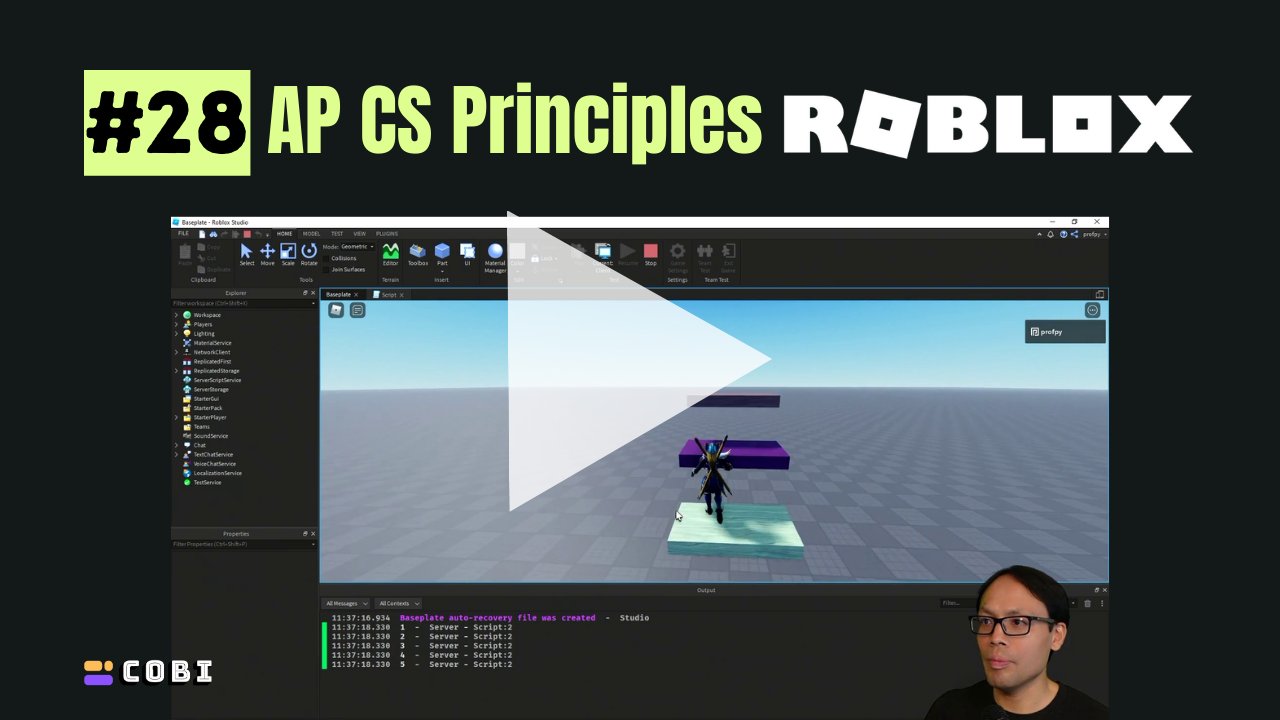
Roblox performance assessment involves analyzing factors like game script efficiency, asset loading times, and client-side rendering to identify and improve areas for smoother gameplay.
Ever wondered why some Roblox games run buttery smooth while others feel like a lag fest? It all comes down to a process called Roblox performance assessment. Understanding how your game performs is crucial for keeping players engaged and happy.
This evaluation process dives deep into the technical aspects, focusing on how your scripts, graphics, and server interaction impact the user experience. We will explore what these different components of game are and how to ensure good performance.

Roblox Performance Assessment: Keeping Your Game Running Smoothly
Have you ever been playing a really cool Roblox game, and suddenly it starts to lag? It’s like your character is moving through thick mud, or the screen freezes up. That’s frustrating, right? Well, that’s why we need to talk about Roblox performance assessment. It’s all about figuring out how well your Roblox game is running and finding ways to make it better, so everyone can have a smooth and fun experience. Think of it like a check-up for your game, making sure everything is working at its best.
What is Roblox Performance Anyway?
Before we dive into assessments, let’s understand what we mean by “performance” in a Roblox game. When we say a game is performing well, it means a few key things:
- Smooth Gameplay: The game moves smoothly without jerky motions, freezing, or big delays. This is what we call “high frame rate” or FPS (frames per second).
- Fast Loading Times: The game loads quickly when you first join, and when moving to new areas within the game. Nobody wants to wait forever!
- Consistent Experience: The game runs the same for everyone, no matter what type of computer or device they are using. You don’t want some players to have a great experience while others are struggling with lag.
- Efficient Resource Use: The game uses the computer or device’s resources (like its processing power and memory) wisely, without using too much that it makes things slow.
When a game has good performance, players can focus on having fun instead of battling with glitches and slowdowns. But when a game performs poorly, it can ruin the whole experience.
Why Performance Assessment is Important
So why should you, as a game creator or even just a curious player, care about performance assessment? Here’s why it’s so important:
Improved Player Experience
The most obvious reason is that players will have more fun! A smooth, fast-loading game keeps players engaged and makes them want to come back for more. Nobody likes a laggy game. When players have a good experience, they are more likely to give the game a thumbs up and recommend it to their friends.
More Players Can Enjoy Your Game
If your game is optimized for performance, it will run better on a wider range of devices. This means more players, even those with older computers or phones, can join in and have a great time. It opens your game to a larger audience.
Better Reviews and Higher Ratings
Happy players write positive reviews. Good performance contributes significantly to positive feedback, which can make your game more popular on the platform. Better ratings help your game get discovered by more people.
Identifying Bottlenecks and Issues
Performance assessment helps pinpoint what parts of your game are causing problems. Is it too many detailed models? Is it inefficient scripts? When you know what’s causing the slowdowns, you can fix it! Think of it like a detective work for your game.
By performing regular performance check ups, you ensure a positive and fun experience for all your players, and you see your game grow in popularity.
Tools for Roblox Performance Assessment
Okay, so now that you know why it’s so important, how do you actually do a performance assessment? Well, Roblox provides some really helpful tools that you can use! Let’s explore some of these:
Roblox Studio’s Performance Tools
Roblox Studio, the place where you make your games, has some tools built right in to help with performance checks. Here are some key ones:
The Developer Console
Press F9 while you’re playing in Roblox Studio to open the developer console. This is like your game’s control center. In the console, you’ll see different tabs that show various data. Here’s what to look for:
- Script Performance: This tab shows which scripts are taking up the most processing power. If one script is using a lot of the computer’s resources, it’s a good idea to take a look and see how to improve it.
- MicroProfiler: This tool provides a deep dive into the performance of various parts of your game. It breaks down where the game is spending its time and shows you how many resources each component is using. It may seem a little complicated at first, but with a little practice you can master it.
- Memory Tab: This is important for seeing how much memory your game is using. If memory usage is high, it may be time to optimize some of your models and textures.
The Statistics Window
You can open the Statistics window by going to the “View” tab in Roblox Studio and clicking on “Stats”. This window gives you a real-time overview of your game’s performance. Key things to watch out for are:
- FPS (Frames Per Second): This shows you how smooth your game is running. A higher FPS is better. Ideally, you want it to be 60 or more.
- Network In/Out: This shows how much data your game is sending and receiving over the network. If these numbers are too high, there may be network-related lag.
- Ping: Ping is a measure of how fast your computer is connecting to the server. A high ping means there’s a delay between what you do and what you see on the screen.
Other useful tools and strategies:
Roblox’s Built-In Analytics
Roblox has some built-in analytics that will help you understand how players are experiencing your game. These analytics can help you see if players are having issues with lag or if they are dropping out of your game. You’ll need to go into the Roblox Creator Hub to find the analytics dashboards.
- Retention: This shows how long players are staying in your game, and if a large number of players are leaving at a particular time or area, that might indicate a performance issue.
- Play Time: How long are players playing your game? If the play time is short, you may have a lag issue that’s making your game less fun.
- Engagement Metrics: Check these stats to see how players are engaging with different aspects of your game. Are certain areas causing problems?
The Power of Playtesting
Don’t underestimate the importance of actually playing your game! Gather some friends or other developers and ask them to play your game on different types of devices. Having other people play test can expose issues that you might not notice by yourself. Let them be a normal player and have them give you feedback.
By using these tools and playtesting you’ll be able to get a comprehensive understanding of your game’s performance and identify areas that need improvement.
Common Causes of Poor Performance and How to Fix Them
Now that you know how to assess performance, let’s look at common causes of lag and how to tackle them:
Too Many Detailed Models
Complex 3D models with a large number of polygons can slow down your game, especially on mobile devices. Every detail needs to be loaded and drawn by the device, which takes a lot of processing power. Think about it as drawing thousands of tiny lines instead of a few big ones. Here’s how to fix it:
- Simplify Models: Reduce the number of polygons in your models. You can do this by using modeling tools to simplify the shapes or create “level of detail” versions of models where the details only appear when you’re close to them.
- Use MeshParts: Convert complex models to MeshParts and optimize them. This reduces the work the game has to do.
- Use Textures Wisely: Use textures to add detail instead of modeling every small thing. Textures are images that wrap around the surface of a model and can make a model look complex without actually having lots of polygons.
Inefficient Scripts
Scripts are the code that makes your game work. If the code isn’t written efficiently, it can hog resources and slow everything down. Here are some common script related issues and solutions:
- Excessive Loops: Avoid having scripts that constantly loop and do not need to do so, as this takes up resources. Only use loops when you really need them.
- Avoid Using while true do Loops. When you use these kinds of loops, your game is continuously checking something, use RunService.RenderStepped or something like this, if you must use these.
- Use Functions: Break large scripts into smaller, reusable functions. This makes the code easier to understand and can improve its efficiency.
- Use wait() Correctly: Avoid using a lot of wait() functions within loops, as these can cause slowdowns. Use events or other methods to ensure that scripts don’t cause a bottleneck.
- Event Handling: Disconnect events when they are no longer needed. If you are using events to keep track of changes, always remember to disconnect them when the feature is no longer in use.
Too Many Instances
Having too many objects in the game world (like parts, effects, or sounds) can put a lot of strain on the game engine, specially if all objects are rendered at once. You want the game engine to only render the objects the player sees.
- Use StreamingEnabled: Roblox’s StreamingEnabled feature loads game objects as they come into view, instead of loading them all at once. This can greatly improve performance in large worlds.
- Group Objects: Group similar objects together in folders or models. This makes managing them much easier.
- Remove Unnecessary Objects: If an object isn’t essential, remove it or hide it when not needed. Don’t put objects in the game that aren’t used.
Poor Networking Practices
If your game sends too much data over the network, it can cause lag for the player. Here are some key things to focus on:
- Only Send What is Necessary: Only send data that needs to be sent across the network. The less data your game has to send, the better.
- Avoid Frequent Network Updates: Don’t update data every frame if it doesn’t need to be. Send updates only when something changes.
- Use Remote Events Wisely: Use remote events (the way the client communicates with the server and vice-versa) efficiently. Don’t send unnecessary events.
- Optimize Data Storage: Use efficient data types like integers or booleans when applicable.
Effects Overuse
Visual effects like particles, lights, and decals can add a lot to your game, but too many of them can cause slowdowns.
- Use Effects Sparingly: Only use effects when they really enhance the game experience. Don’t overuse them.
- Optimize Particle Effects: Reduce the number of particles, and their size. Smaller particles use less processing power.
- Adjust Light Settings: Be careful of having too many lights with shadows, they use a lot of processing power.
Textures and Images
Having too many large textures can also impact the games performance, as they are loaded into the players memory.
- Optimize texture size: Use the smallest image sizes that still look good. Use only the textures the game needs.
- Use texture compression: Use a compression that works for your type of game.
- Optimize images for the platform: Remember to consider the type of platforms that players play in your game, they might have different resolutions and display sizes.
Regular Performance Checkups: The Key to Success
It’s not enough to assess your game’s performance once. You need to make performance checks a regular part of your game development routine. The earlier you catch performance problems, the easier and cheaper they are to fix.
Testing Often
Check performance frequently during development. Don’t wait until the game is almost finished to start thinking about it. When you test often, you catch performance issues early and it makes them easier to deal with.
Testing on Different Devices
Test your game on a variety of devices, including low-end computers and mobile devices. Some games that run smoothly on high-end computers may have terrible performance on other platforms. This helps make sure that everyone can play.
Iterate and Optimize
Use performance data to continuously improve your game. Analyze the data, identify performance problems and focus on correcting them and testing the game again. This ongoing process of evaluation and improvement is very important for a smooth and fun game.
Community Feedback
Encourage players to give you feedback on performance. Their real-world experiences are very important. When they report problems, take action on them immediately.
By regularly checking, testing, and making improvements, you’ll create a Roblox game that is not only fun but also runs smoothly for everyone, increasing the chance that your game is a success.
In short, Roblox performance assessment is a crucial part of making your game the best it can be. By understanding what affects performance, using the provided tools, and continually optimizing your game, you’ll make sure everyone enjoys your creation. Remember, it’s not just about making a fun game; it’s about making a fun game that runs well for everyone.
Can We All Become "ROBLOX DEVELOPERS" Now?!?
Final Thoughts
Effective Roblox performance assessment requires consistent monitoring. Developers must track frame rates, memory usage, and network activity. Doing this helps identify bottlenecks quickly.
By analyzing the data, improvements can be made. This boosts the player experience. Proper Roblox performance assessment ensures smooth gameplay. It enhances overall satisfaction with the game.

