
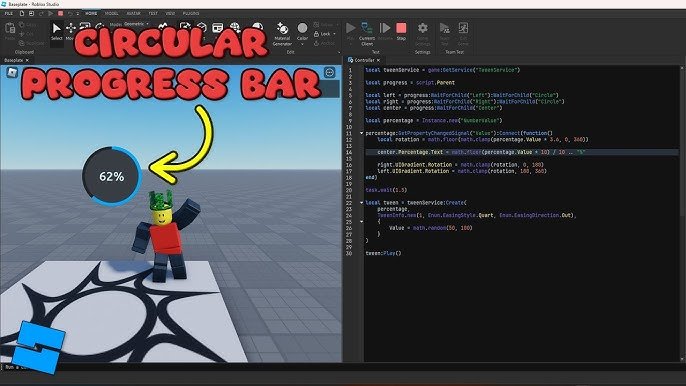
Roblox player progression systems typically involve activities like earning in-game currency, leveling up character skills, or completing quests to advance through a game’s content.
Have you ever wondered what makes a Roblox game truly engaging? It often comes down to how players feel they’re developing within the experience. Well, that’s the magic of Roblox player progression systems. These systems are what keep us hooked and coming back for more. They provide that sense of accomplishment and journey that makes the time feel rewarding.

Roblox Player Progression Systems: Leveling Up Your Game
Ever wondered how some Roblox players seem to always have the coolest gear or reach the top of the leaderboard? A lot of it comes down to player progression systems. These are the special ways that games on Roblox keep you playing, helping you feel like you’re always getting better. It’s more than just getting a high score; it’s about that satisfying feeling of growing stronger, collecting cool items, and showing off your accomplishments.
What are Roblox Player Progression Systems?
Think of progression systems like a roadmap in a game. They give you goals to aim for and show you how far you’ve come. These systems are the heart of many engaging Roblox experiences, motivating players to stay involved and return for more fun. They provide structure and a sense of achievement. These systems can be simple, like leveling up with experience points, or they can be complex, with multiple interconnected systems that reward you in different ways. Let’s take a closer look at some common types:
Experience Points (XP) and Leveling Up
This is one of the most common and straightforward ways that games measure your growth. You earn experience points, or XP, by completing tasks, defeating enemies, or participating in game activities. As you gain XP, you eventually level up. Each level often brings you new benefits, like:
- Increased health or strength
- Access to new areas
- Cooler items to use
- New skills or abilities
Imagine you’re playing an adventure game. When you start, you can only use a basic sword. But as you defeat monsters and collect treasures, you earn XP. After a while, you hit level 5! Now, you get a stronger sword and can enter a new cave. Leveling up feels good, right?
Example: In many role-playing games on Roblox, your character might start at level 1 and slowly gain levels as you complete quests and defeat enemies. Each level could increase your character’s health or damage output, allowing you to face more challenging opponents.
Currency and Item Systems
In many Roblox games, you earn in-game currency by playing. This currency could be coins, gems, or some other fictional money. You can use this currency to buy items, such as:
- New weapons or tools
- Armor or clothing
- Upgrades for your character
- Special decorations for your in-game home
- Consumable items like potions
The items you get can help you be more successful in the game. This is a strong part of progression systems, you can use these items to move through the game, and even use it as a tool to show of your achievements, and efforts into the game. For example, after playing a building game and completing quests, a player is able to use the in-game money that he gathered to purchase the new material to construct a new and unique house.
Example: In a tycoon game, you might earn money by producing goods or running a business. That money can be used to upgrade your factory, buy new machines, or hire workers, improving your efficiency and allowing you to produce even more goods.
Skills and Abilities
Many Roblox games feature skill trees or ability systems. As you progress, you get the opportunity to learn new skills or improve existing ones. These skills might include:
- Magic spells
- Combat techniques
- Crafting abilities
- Special movements or traversal skills
As you acquire and improve these skills, you become a more effective and versatile player. You might even be able to access entirely new strategies and ways to interact with the game world.
Example: In a fighting game, you might start with basic attacks. As you level up, you can learn new combo moves, defensive techniques, or special abilities that give you an edge in battle.
Why are Progression Systems Important?
Progression systems are the secret sauce that makes Roblox games so much fun to play again and again. Here’s why they matter:
Motivation and Engagement
Having a clear path to follow keeps you motivated. You always have something to work towards, whether it’s that next level, a new piece of equipment, or that special skill. That sense of progression makes you want to keep playing.
Sense of Accomplishment
Each level you gain, each item you acquire, and each skill you learn gives you a real feeling of achievement. Seeing your character grow stronger and your inventory fill up with cool stuff provides a tangible sense of progress that is very rewarding.
Personalization and Customization
Many progression systems let you shape your character to fit your play style. You can choose which skills to focus on, which items to purchase, and how your character looks. This can help you feel unique and connected to your game experience.
Long-Term Goals
Progression systems give you a long-term focus. It might take hours or even days to reach the highest level, get a super rare item, or master a hard to get skill. These long-term goals make the game more engaging over time and encourage you to return again and again.
Different Types of Roblox Progression Systems: A Closer Look
Let’s dive into some more specific types of progression systems you might encounter in different Roblox games:
Linear Progression
Linear progression is where you follow a set path. Leveling up is the primary focus. As you go up levels, you generally gain stronger stats, better items, or some extra benefits. You typically follow a predictable path from beginning to end.
Example: A simple RPG might use linear progression where each level increases your health and attack damage, and you slowly move through set game zones or quests.
Branching Progression
Branching progression gives you a choice in how you develop your character. It’s like a skill tree or talent system. You might decide to focus on attack skills, defensive abilities, or something else entirely. The choices you make impact your character’s strengths and play style.
Example: A role-playing game might have skill trees where you can specialize in melee combat, magic, or stealth, and each specialization opens up new skills and abilities.
Milestone Progression
In milestone-based systems, you gain rewards for completing specific tasks or reaching particular goals. These achievements might not be about leveling up. They might be about finishing a building, collecting a certain amount of resources, winning a set number of battles, or exploring a certain percentage of a map.
Example: An adventure game might give you special rewards for finishing all the quests in a specific area or exploring all the secrets of a certain zone.
Grinding and Repetitive Tasks
Sometimes, progression involves repetition. This might mean spending time doing the same tasks again and again to gain levels or collect items. Some players find this relaxing, while others might not like it. The balance is important. Good games often mix grinding with other types of progression to keep the game interesting.
Example: You might need to spend time repeatedly defeating the same enemies to gather specific resources needed for crafting.
Cosmetic Progression
This form of progression allows you to unlock things that make your character look cool and unique. It might involve things like skins, hats, clothing, or unique equipment appearances. It often adds to the satisfaction of progression since it’s highly visible to other players.
Example: You might receive special skins for your character after reaching certain milestones, or after collecting a set of rare items.
How Game Developers Use Progression
Game developers on Roblox have a variety of tools at their disposal for implementing compelling progression systems. Here’s a little insight into the decisions they make:
Balancing Progression
Good game design involves a delicate balance. Progression should feel like a steady climb, not a steep wall. Players should feel rewarded for their efforts. If something is too hard or too slow to achieve, people get discouraged. If it’s too easy, the sense of accomplishment is lost. This is why game developers spend time adjusting progression rates to keep players engaged.
Example: Developers need to balance the amount of XP you gain so that leveling up is a fun challenge, not a chore. They might also adjust the drop rate of rare items so you feel satisfied when you finally find one, but it’s not too easy to obtain.
Creating Variety
A single progression system can get boring over time. That is why many games mix and match several kinds of progression. For instance, a game could give XP for leveling up, in game money for buying items, and milestones for reaching specific goals. This variety makes the game much more engaging and fun.
Example: A game might combine level-based progression with a skill tree, allowing you to advance your character’s level while simultaneously choosing how they specialize in combat or crafting.
Rewarding Different Playstyles
Good games allow different people to play in different ways. Some games let you choose how you want to level up. Maybe you want to play aggressively or maybe you would like to be more strategic. A well thought out game progression gives you the ability to do both, allowing players the freedom to grow in many different ways.
Example: A game might reward both players who prefer fighting and players who prefer crafting with equally significant progression options.
Using Feedback
Many developers watch how people play their games and collect feedback, which they can use to refine progression. If players are getting stuck, or bored, the developer can tweak the game mechanics to make the game better. The developer might change how quickly the players gain levels, what items are available, or how strong their skills are.
Example: If a developer sees that players are getting stuck at a certain level because it’s too difficult, they might reduce the difficulty, increase the amount of XP they earn, or add a new, helpful item that can assist players in overcoming a hurdle.
Roblox player progression systems are a vital part of what makes games enjoyable. Whether it’s gaining levels, collecting items, or learning new skills, these systems provide the motivation, the structure, and the sense of accomplishment that keep players returning to their favorite Roblox experiences. By carefully incorporating a variety of mechanics, game creators on Roblox can create lasting and fulfilling experiences that players want to keep playing.
Progression Systems – How Good Games Avoid Skinner Boxes – Extra Credits
Final Thoughts
Effective roblox player progression systems drive engagement and retention. Games that clearly show players their path and offer meaningful rewards tend to succeed. These systems should feel fair and attainable, encouraging continued play. A balance of short-term and long-term goals keeps players invested.
Thoughtfully designed roblox player progression systems are crucial. Players need a sense of accomplishment. Developers must carefully plan these systems for optimal impact.

