
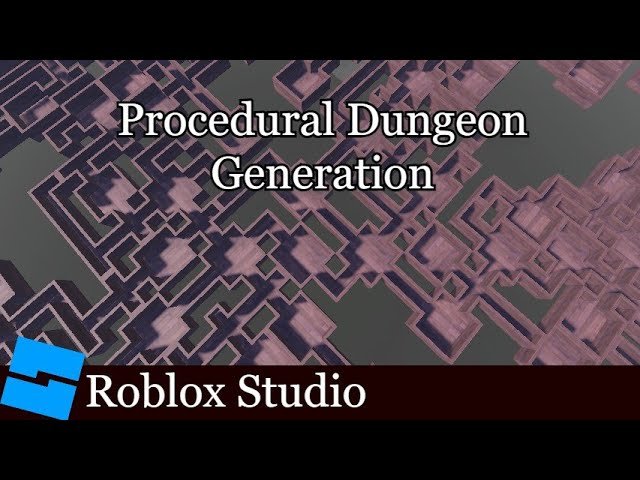
Procedural content generation in Roblox allows developers to automatically create game assets like maps, items, and quests, saving time and offering varied gameplay experiences.
Have you ever wondered how some Roblox games seem to have endless, unique levels? It’s often thanks to roblox procedural content generation. This approach lets creators design systems, which then generate much of the game’s content. It offers a dynamic way to make games feel fresh with each play session, rather than static and repetitive. Think of it as a way to keep things interesting.

Roblox Procedural Content Generation: Building Worlds with Code
Ever wondered how some Roblox games have such huge and varied worlds? It’s not always about designers building every single tree and rock by hand. A secret weapon is often at play: procedural content generation, or PCG for short. Think of it like teaching a computer to be a world builder. Instead of drawing everything, you give it rules, and the computer creates a unique environment based on those rules. This means no two players will necessarily see the exact same map, making games fresh and exciting.
What is Procedural Content Generation?
Simply put, procedural content generation is a technique of using algorithms (fancy computer rules) to automatically create game content. This could be anything from terrains and buildings to quests and even music. Instead of a developer painstakingly placing every object, they create the rules, and the computer creates the actual content using those rules. It’s like planting a seed and watching a whole plant grow, rather than building each leaf yourself.
Why use PCG in Roblox?
- Infinite Variety: PCG makes it possible to create diverse levels and environments without manually building everything. This prevents the game from feeling repetitive.
- Scalability: It’s much easier to create large maps with PCG than to design them by hand. This allows for bigger and more explorable worlds.
- Unique Experiences: Every time the game is played, a different layout can be generated. This keeps things interesting and offers unique challenges for players.
- Faster Development: With PCG, developers can build more content faster, which saves a lot of time in the development process.
For example, imagine a game where you explore different caves. Manually designing each cave would take ages! But with PCG, you could create rules for the width, height, and pathways of the cave, and then the computer generates a different cave each time someone plays. It’s like a magic world creation tool!
Types of Procedural Generation in Roblox
PCG isn’t one-size-fits-all. There are lots of ways to generate things, each with its strengths and weaknesses.
Terrain Generation
Terrain generation involves creating the basic landscape of your game world, like hills, valleys, mountains, and water. Several techniques are used for this in Roblox:
- Heightmaps: This method uses a grayscale image where the brightness of each pixel corresponds to the height of the land. Lighter areas are higher, and darker areas are lower. Roblox can read these images and build the terrain based on them.
- Noise Functions (Perlin, Simplex): These algorithms generate smooth, random patterns that can be used to create natural-looking landscapes. Think of them as a recipe for rolling hills and natural curves. By adjusting the settings, you can make mountains, plains, or anything in between.
- Cellular Automata: Imagine a grid of cells that change their state based on their neighbors. These patterns can be used to create things like caves or complex landforms.
Object Placement
Once the terrain is set, you need to populate the world with objects like trees, rocks, buildings, and more. Here’s how PCG helps:
- Random Placement: The simplest approach is to randomly scatter objects within a defined area. This is useful for simple things like grass or small rocks.
- Distribution Based on Rules: This is more sophisticated; you set rules for where certain objects should go. For example, you could make trees more likely to appear on hills and less likely on open plains.
- Clustering: Instead of scattering objects randomly, you can group them together to form forests, villages, or other interesting places. This is important for creating more realistic environments.
A crucial part of this is the use of seeds. A seed is a starting number that the computer uses to begin its generation process. If you use the same seed multiple times, it will generate the same world each time! This can be very useful for creating levels that are identical but need to have different enemy placements or item spawns. This also allows for levels to be easily shared amongst players
Structure Generation
PCG can also be used to make buildings, dungeons, and other man-made structures. This is very helpful for creating larger areas that feel more natural and cohesive.
- Modular Construction: You create building blocks like walls, doors, and windows, and then the computer pieces them together into structures based on pre-set rules. This allows for very diverse structures that are easy to generate.
- Room-Based Generation: You can create different rooms that connect with corridors. This can be used for generating dungeons, mazes, or even villages.
- Grammars: You use grammar rules to guide how parts of the structures connect together. It makes the generation process more flexible and complex.
How to Start with PCG in Roblox
Ready to make your own procedurally generated worlds? Here are some things you’ll need:
Roblox Studio and Lua Scripting
You will need a copy of Roblox Studio, which is free for anyone to download. You’ll also need to be comfortable with basic Lua scripting, as this is how you write the instructions for the computer to generate content.
Understanding Basic Algorithms
While you don’t have to be a computer science wizard, a little understanding of some basic algorithms is beneficial. Here’s a rundown:
- Random Number Generation: You’ll use random numbers a lot, but the key is to use a pseudo-random generator, which is a repeatable pattern for random numbers.
- Loops and Conditional Statements: These are essential for iterating through objects and placing them where you want.
Using Roblox’s Built-In Features
Roblox has some built-in tools and functions that are very useful for PCG. Here are a few that can help:
- workspace.Terrain: This allows you to programmatically alter terrain. You can add parts, remove parts, or create terrain from heightmaps.
- math.random(): This helps you create different random values within your program, which you can use to vary how content is generated.
- Instance.new(): This function is essential for creating new objects in your game, such as parts, trees, or other items.
Tips and Tricks for Better PCG
Here are a few tips to make your procedural content generation even better:
Start Small
Don’t try to create a whole world in one go. Start with a small area and try generating just one feature, like a few trees or a small patch of terrain. Once that’s working, you can build from there.
Use Seeds
Use seed values for consistent generation. This lets you have a fixed world with minor variations, or lets you debug your system easily. This also allows for world sharing.
Balance Randomness with Control
Don’t let your random number generator run wild. Add rules and constraints. If you’re generating a forest, you wouldn’t want a tree in the middle of a lake.
Layer Your Generation
Think of creating your world in layers: first the terrain, then the main objects, then the small details. This keeps everything organized.
Optimisation Is Crucial
Procedural content can sometimes lead to large, complex maps. It’s important to make sure you are optimising the content you make, as this can have an effect on gameplay performance. The number of parts and complexity of parts within your game will directly influence how well the game performs.
Iterate and Test
Don’t expect perfect results right away. You will need to iterate through your system and make changes constantly to achieve your desired results. Testing is also very important, to see if there are any unforeseen effects within your generated game.
Examples of PCG in Roblox Games
Many Roblox games use PCG to great effect. Here are a few examples of how other games use procedural content generation:
- Survival Games: Many survival games will procedurally generate the game world, often with a combination of terrain generation, object placement, and resource placement.
- Infinite Runner Games: The track in many runner games are not manually created, but are procedurally generated. This allows for more unique and replayable experiences for each player
- Simulation Games: Some simulation games may use procedural generation to generate the game world, or to generate specific buildings.
Advanced PCG Concepts
For those wanting to dive deeper, here are a few more complex ideas to explore:
Biome Generation
This focuses on creating different regions with distinct properties, like deserts, forests, and mountains. Instead of one general rule set, you can use different ones based on locations.
Content Adaptability
This is where content is generated based on other things in the world, such as player progression, or time of day. Think of making it harder as you go further, or adapting to certain in-game conditions.
Real-Time Generation
This involves creating content on-the-fly, as the player moves through the world. This can create a feeling of limitless exploration.
Using External Tools
You can use external tools and software to create terrain and other assets, which you can then import into Roblox and use with your systems. A common way to do this is to use heightmaps created within other programs and then using them to create your terrain.
Procedural content generation opens up a whole new world of possibilities for Roblox game development. By combining a little programming skill with some creativity, you can create expansive, diverse, and engaging game worlds that will surprise and delight your players. It’s a great tool to have in your toolbox, and learning how to use it will take your Roblox games to the next level.
I made a 'dog' with procedural generation #madewithunity #unity3d #gamedev #gaming #games
Final Thoughts
In short, procedural generation offers diverse and dynamic gaming environments on Roblox. Developers create unique worlds easily through algorithms and scripts. This reduces manual labor and expands game possibilities significantly.
The power of roblox procedural content generation lies in its ability to produce endless variations. This opens up avenues for more replayability and creative game design. Utilizing this tech can really change a game.
Roblox procedural content generation proves to be a potent tool, changing how games are developed. It pushes boundaries of creativity. Developers should consider its inclusion in their project.

