
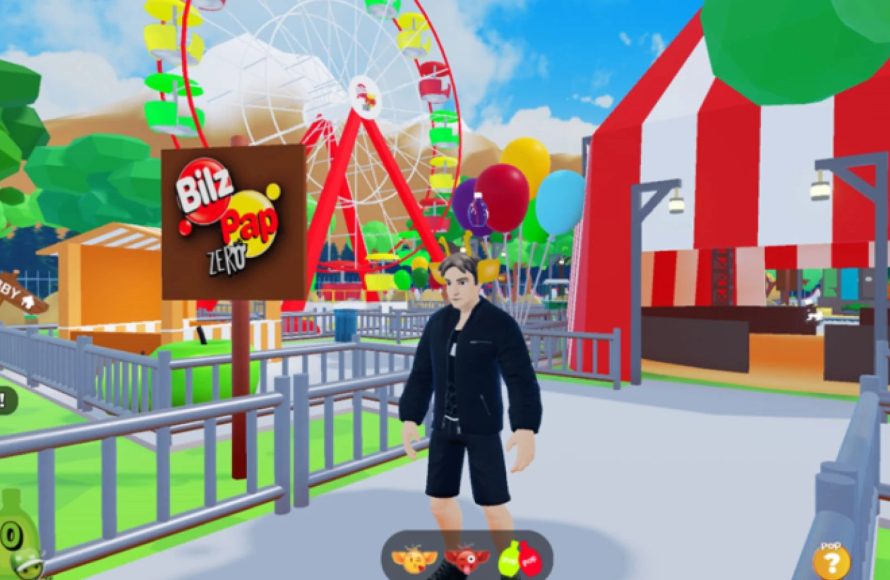
Roblox replayability strategies focus on varied content updates, engaging social features, and rewarding progression systems that keep players returning for more.
Ever find yourself drifting back to certain Roblox experiences again and again? You’re not alone. Many creators strive to build games that hold your attention long term. The secret lies in specific designs that promote replayability. We’ll delve into those critical elements of roblox replayability strategies, showing how they make players want to revisit a game repeatedly.
These elements include constant updates that introduce new areas, items, or challenges. Social interactions also play a significant part; building community keeps players engaged. Finally, a strong sense of progression, like unlocking new abilities, also adds to the fun and longevity of a game.

Roblox Replayability Strategies: Keeping Players Coming Back for More
Okay, let’s talk about something super important for any Roblox game: making it fun enough that people want to play it again and again! It’s not just about having cool graphics or a catchy theme. It’s about building a game that keeps players engaged and excited to return. This is called “replayability,” and it’s the secret sauce that makes some Roblox games become HUGE hits while others fade away. So, how do you create a game that people just can’t get enough of? Let’s dig into some strategies that will help you design games with amazing replay value.
The Power of Progression: Giving Players Something to Strive For
One of the best ways to keep players coming back is to give them a sense of progress. When they feel like they’re moving forward, getting better, or achieving new things, they’re much more likely to want to play again. This doesn’t necessarily mean just leveling up, though that’s part of it. Think about different kinds of progression that will keep your players engaged.
Leveling and Experience
A classic method is experience points and levels. Players can see themselves getting stronger, learning new skills, or getting access to new areas. When you design your system, think about how quickly players gain experience. Too slow and they might get bored, too fast, and they might feel like there’s nothing left to do. Finding the right balance is crucial. Adding visual feedback to experience gain like a bar that fills up or a level up screen can make it more satisfying for the user.
- Make sure that the progression is noticeable. Players should feel a difference as they level up.
- Consider a system where there is more progression early and it becomes more difficult later on.
Unlocking Content
Another really cool method is unlocking content. As a player makes progress, they might get new items, characters, areas, game modes, or even customization options. This gives players a direct reason to play more – they want to see what they can unlock! What could this be? Maybe new vehicles for a racing game, tools for a crafting game, or pets in an adventure game. The key is that the content needs to be desirable, that means good visual appeal and useful/valuable to the player.
- Think of different types of content like characters, skins, areas, or even story-related things.
- Make sure that it is rewarding for players to unlock new things.
Skill Development
Some players love getting better at the game. They want to refine their skills, learn new strategies, and become masters of your game. This type of progression is about the player’s own ability growing, not just their character’s stats. This can be particularly powerful in games that involve a lot of skill, like obstacle courses or strategy games.
- Make sure there is room to develop and that a player can become noticeably better with more play time.
- Consider things like time trials or leaderboards that allow skilled players to show off their abilities.
Variety is the Spice of Roblox: Mixing Things Up to Keep it Fresh
Doing the same things over and over can quickly become boring. That’s why variety is so important in keeping players interested. You need to find ways to keep the gameplay fresh and exciting, so players never feel like they’re doing the same thing every time they log in.
Game Modes
One simple way to add variety is to include different game modes. For example, a racing game could have a classic race mode, a time trial mode, and a drift mode. A roleplaying game could have different scenarios to play out. Different game modes can cater to different player styles and interests, while not changing the core game.
- Consider different kinds of game modes that fit your game.
- Make sure the game modes play differently and offer different challenges to the player.
Random Events and Challenges
Introducing random events or challenges can be a great way to shake things up. These unexpected occurrences can keep players on their toes, making each playthrough feel unique. For example, a roleplaying game could have a sudden storm that changes the landscape, or a fighting game could have a special boss that appears at random times. These little surprises can go a long way.
- Plan events that don’t change the game too much and are easy to add in.
- Be sure that there is a reward for players who participate in these events.
Rotating Content
Rotating content is a great way to keep your game fresh without having to constantly design new things. This can be items, game modes, map locations, or limited-time events. When content is taken away, players will have to try other aspects of the game and will look forward to when that removed content returns. This can keep players interested and coming back.
- Plan what you want to rotate and how often it should be.
- Make sure it’s varied, not the same things every time.
Social Engagement: The Power of Playing Together
Roblox is a social platform, and many players love playing games with their friends or making new ones. Leveraging the social aspect of the platform can be a huge boost for your game’s replayability.
Multiplayer Modes
Designing your game with multiplayer modes in mind is very important. Think about how your game can be fun with more people. You could include cooperative play, where players work together toward a goal, competitive play, where players battle each other, or even social hubs, where players can hang out. All of these options add to the playability of your game.
- Make sure that the game is fun with many players and the systems work well.
- Consider different types of multiplayer that fit your game best.
Clans and Guilds
Allowing players to form groups like clans or guilds can encourage teamwork and community building. Players will play more if they feel like they are part of something bigger, and this can lead to them making friends within the game, which greatly increases replayability.
- Allow players to easily make or join groups.
- Consider rewarding or creating systems specific to players that are a part of a clan or guild.
Social Features
Adding social features like in-game chat, friend lists, and sharing options helps to keep players engaged with the community. A player will be more likely to keep playing if they feel connected to others in the game.
- Consider different ways for players to interact.
- Make sure it is easy for players to socialize with one another.
The Importance of Feedback: Listening to Your Players
Building a game that people love to play over and over isn’t just about your own ideas. It’s also about listening to your players and making changes based on their feedback. This shows them that you care and that the game is always getting better.
Collecting Feedback
One thing that all great game creators have in common is that they listen to what their players have to say. This can be through in-game surveys, discord channels, or even just watching players interact with your game. Don’t be afraid to ask for input from your players and get their thoughts.
- Make it easy for players to give feedback through things like polls or surveys.
- Look for patterns in the feedback that can be addressed in the game.
Iterative Development
Game development is a continuous process. Don’t be afraid to make changes to your game based on feedback and testing. Think of this process like sculpting: each time you playtest and tweak the design, you get closer to the perfect result. This is the process of iterative development.
- Don’t be afraid to change things if they aren’t working.
- Always be looking for ways to improve the game.
Community Engagement
Creating a place where players can connect with the developers of the game can also be super beneficial. This can be on things like discord or a Roblox group page. Making sure that players feel heard and involved is really important in creating a great experience.
- Connect with your player base as often as possible.
- Let players know when you take their feedback and incorporate it into your game.
Rewards and Achievements: Giving Players a Sense of Accomplishment
People love getting rewards. Giving players things to achieve and celebrating their achievements in game can keep them engaged. This goes beyond just levels and experience points; it is about recognition and feeling accomplished.
Achievements and Badges
Badges and achievements can be a great motivator for a player to do something difficult or complete all content in a game. It gives them a record of the progress that they have made, and it is very satisfying to collect them all. Make sure your achievements are rewarding and that players are motivated to achieve them.
- Come up with achievements for all aspects of your game.
- Make sure the achievements are challenging but not too difficult.
Unique Rewards
Sometimes, it’s fun to give players a specific thing that they can unlock for playing a lot or getting a high score. This could be a unique item, a special skin, or even a title. It gives them a way to show off their dedication and gives other players something to aspire to.
- Make sure these items look great and are valuable for players to use.
- Keep them exclusive so they feel more rewarding to unlock.
Leaderboards and Rankings
Competitive players thrive when they can see where they rank against other players. If a game has a leaderboard, it gives a very specific goal for players to work towards and helps them stay engaged for a long time.
- Include leaderboards for many different aspects of your game.
- Consider making it so players can see how close they are to a rank.
By implementing these replayability strategies, you can create a Roblox game that players will want to keep coming back to. Remember to combine these strategies in ways that suit your game to make the best experience for the player. The more you listen to your player base and add new and engaging things, the more successful your game will be. Always keep testing and updating your game and you’ll find a winning formula that keeps players hooked!
The DO's and DON'Ts of Growing a Game… (Roblox)
Final Thoughts
To enhance replayability, developers should incorporate varied gameplay mechanics and encourage player experimentation. Offering multiple paths and secrets extends engagement. Dynamic updates and community challenges keep experiences fresh and interesting.
Roblox replayability strategies also need to focus on providing diverse progression systems. The systems should make players want to explore game modes repeatedly. By mixing these tactics, games can maintain player interest for longer durations.

