
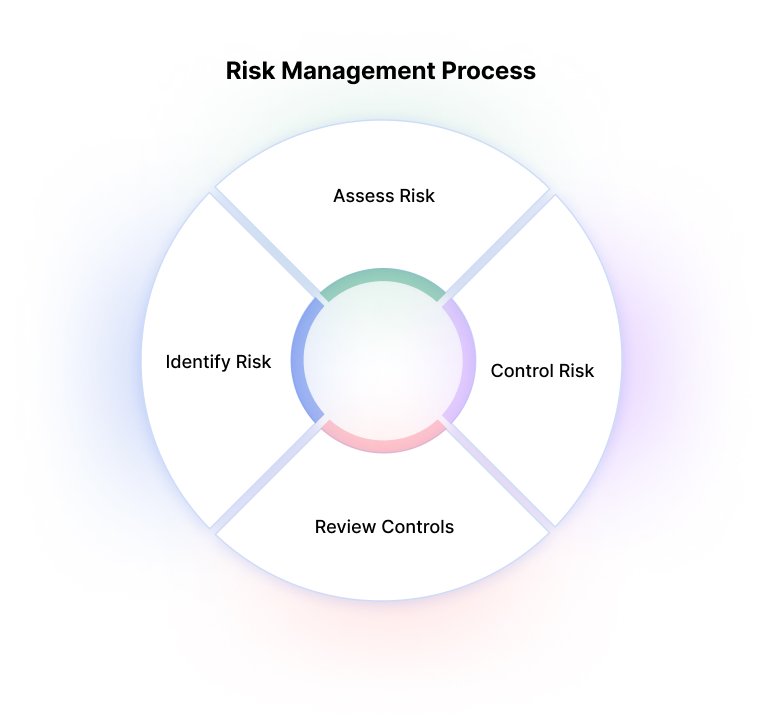
Maintaining a positive image for your Roblox experience requires proactive planning and response to any negative feedback or incidents that could harm your reputation.
Navigating the dynamic world of Roblox involves more than just building games; it demands careful attention to your public image. Understanding how players perceive your creations greatly impacts success. Effective roblox reputational risk management is crucial for maintaining a strong, thriving community.
Failing to address issues quickly can snowball, leading to lasting damage. Proactive measures, like clear communication and community engagement, mitigate potential crises. A well-managed reputation cultivates trust and loyalty among your players.

Roblox Reputational Risk Management: Keeping Your Game and Community Safe
Okay, so you’ve built this awesome Roblox game. Maybe it’s a racing game, a building game, or even a role-playing adventure! You’ve got players coming in, having fun, and making memories. That’s fantastic! But, like any online space, things can sometimes go a bit sideways. That’s where reputational risk management comes in. It’s all about making sure your game keeps its good name and stays a place where everyone feels safe and happy to play. Let’s dive into how we can do that!
Understanding Reputational Risk on Roblox
Think of your game’s reputation like a shiny trophy. You’ve worked hard to get it, and you want to keep it polished! But, just like a real trophy, it can get damaged if you’re not careful. Reputational risk on Roblox means anything that could hurt how players view your game and your developer persona. This can be anything from bad behavior by players to problems with your game itself. Let’s break down some of the common things that can cause reputational problems:
Player Behavior Issues
Sometimes, people on the internet don’t always act their best. In your game, you might see players:
- Bullying or harassing others
- Using bad language or saying mean things
- Cheating or hacking to gain an unfair advantage
- Trying to scam other players
- Spreading rumors or false information
These actions can make other players feel uncomfortable, and they might leave your game. If enough players have bad experiences, it can quickly give your game a bad reputation.
Game-Related Problems
It’s not just player behavior that can hurt your game’s reputation. Problems with your game itself can cause trouble too. These can include:
- Bugs or glitches that make the game difficult or impossible to play
- Game mechanics that are unbalanced or unfair
- Lack of new content or updates, making the game feel stale
- Issues with accessibility, like not being playable on different devices
- Poor customer service when players have problems
When players encounter these problems, they might feel frustrated and tell others about their negative experiences. This can lead to fewer new players and even cause existing players to leave.
Developer Actions and Transparency
As the developer, your actions also impact your game’s reputation. Players pay attention to how you interact with them and how you run your game. This means things like:
- Not listening to player feedback or concerns
- Making changes to the game that players dislike without explanation
- Failing to communicate with your community about updates or issues
- Promising features and not delivering them
- Not being fair and consistent when enforcing the game’s rules
When you don’t act responsibly, players might lose faith in you and your game. That hurts your reputation and can cause them to stop playing.
Proactive Steps for a Positive Roblox Reputation
Now that we know what can cause reputational problems, let’s talk about what you can do to prevent them. Being proactive means taking action before problems happen! Think of it like wearing your seatbelt: you do it to protect yourself before you ever get into an accident. Here are some things you can do:
Setting Clear Rules and Expectations
A clear set of rules is like a road map for your game. Players need to know what is and isn’t acceptable behavior. When you make it clear from the beginning, you set the tone for how people should behave in your game.
- Create simple, easy-to-understand rules that everyone can follow.
- Display these rules prominently in your game, like on a sign or in a welcome message.
- Explain why the rules are important for a good experience for everyone.
- Have rules about player behavior, including harassment, bullying, cheating and scams.
- Also have rules that cover game specific aspects, for example, if someone is allowed to steal in a game or not.
Building a Moderation System
Having rules is great, but they’re not very helpful if you don’t enforce them. That’s why you need a moderation system! This means putting steps in place to deal with players who are not following the rules:
- Add in-game reporting features that allow players to flag bad behavior.
- Put a team in place to watch the game and address any issues that come up.
- Offer different types of punishments such as warnings, temporary bans, or permanent bans for players who break the rules.
- Be consistent and fair when applying punishments.
- Always be transparent with players about moderation actions, when appropriate.
Active Community Engagement
Your community is like your game’s family. It’s really important to stay in touch with them! Being engaged with your community makes them feel heard and valued. This can make a huge difference in the health of your game.
- Read player feedback and actively seek input from your players.
- Create ways for players to share their thoughts such as forums, Discord servers or in-game feedback forms.
- Respond to comments and questions in a timely and respectful manner.
- Organize events or competitions that bring players together and create a sense of community.
- Showcase player creations or stories.
Game Development Best Practices
Putting in the work to create a fun and well-made game can help your reputation go far. Players will appreciate the effort and be more likely to support your game. Here are some good practices to follow:
- Test your game thoroughly before releasing new updates to catch any bugs or glitches.
- Make sure your game is balanced, so no players have an unfair advantage.
- Provide regular updates and new content to keep players engaged.
- Optimize your game so that it runs smoothly on different devices.
- Ensure your game is fun and accessible for all types of players.
Handling Negative Feedback
Sometimes, no matter how hard you try, you’ll receive negative feedback. It happens! How you handle it makes all the difference. Instead of ignoring or getting defensive, think of negative feedback as a chance to make your game even better.
- Listen carefully to what players are saying, and try to understand their point of view.
- Stay calm and respond respectfully, even if you disagree with their feedback.
- Don’t make excuses, admit any mistakes, and say what you will do to fix the problem.
- Use feedback to inform future updates and game design decisions.
Responding to Reputational Incidents
Even with the best planning, sometimes things still go wrong. If your game experiences a reputational issue, it is important to act quickly and decisively. Here’s how to respond to such incidents:
Assess the Situation
First, it is important to understand the full scope of the problem. Don’t jump to conclusions, but try and collect as much information as you can. This may involve:
- Identifying the specific issue. Is it a player behavior problem, a game bug, or a miscommunication?
- Understanding the extent of the impact. How many players are affected?
- Gathering any evidence, screenshots, or reports that support the issue.
Communicate Transparently
Once you understand the issue, you need to be transparent with your players. Share what you know and what you’re going to do to fix the problem.
- Acknowledge the problem, don’t try to ignore it or sweep it under the rug.
- Clearly explain the situation to your players.
- Describe the steps you are taking to resolve the issue.
- Provide a timeframe of when players can expect a resolution.
- Use different communication channels like in-game announcements, forums, or social media.
Take Corrective Action
It’s not enough to just talk about fixing the problem; you have to actually take action! This might include:
- Banning players who have broken the rules
- Fixing game bugs and glitches
- Adjusting game mechanics to improve balance
- Making changes to your moderation system to prevent similar issues
Learn from the Experience
Every negative experience is a chance to learn and improve. After resolving a reputational issue, think about what you can learn from this and what you can do to prevent such issues in the future. Think about:
- What caused the problem?
- How can this problem be avoided in the future?
- Is there anything you need to do to improve your game, your processes or your team?
Monitoring and Adapting Your Strategy
Your game’s reputation is something you need to manage on an ongoing basis. It is not enough to simply fix a problem once, but you must always be watching out for issues that arise. Here are some things you should do to maintain a positive reputation:
Track Player Sentiment
Keeping track of how players feel about your game is really important. This can help you spot issues early, before they become big problems. To do this, make sure you:
- Regularly read comments, feedback and player discussions.
- Use surveys or polls to ask players about their experiences.
- Watch gameplay videos and live streams to see how people are interacting with your game.
Stay Updated with Roblox Changes
Roblox is always changing, so it is important to stay up to date on the latest updates, features, and policies. Make sure you:
- Subscribe to Roblox’s official blog or forum.
- Read patch notes when new game updates come out.
- Join online discussions with other Roblox creators.
Be Willing to Adapt
Your approach to reputational risk may need to change over time. Don’t be afraid to tweak your strategies and processes to keep up with your changing needs. This could involve:
- Adding new rules and moderation processes.
- Changing your community engagement strategies.
- Updating your game design to solve new issues.
Managing your Roblox game’s reputation isn’t always easy, but it’s essential for creating a positive and welcoming experience for your players. By being proactive, responsive, and willing to adapt, you can keep your game thriving and enjoyable for everyone. Remember, your reputation is something you build every day through your actions and decisions. Keep working at it and it will be worth it!
5 MOST COMMON DREAM MEANINGS YOU SHOULD NEVER IGNORE!! #Shorts
Final Thoughts
Effective reputational risk management in Roblox demands consistent monitoring and quick action. Failing to address community concerns can cause significant damage. Prioritize transparent communication.
Open dialogue helps to build trust. proactive responses to negative feedback also show that you value player experience. This approach is key.
Ultimately, successful Roblox reputational risk management relies on anticipating issues and swiftly rectifying them. It protects your game and community.

