
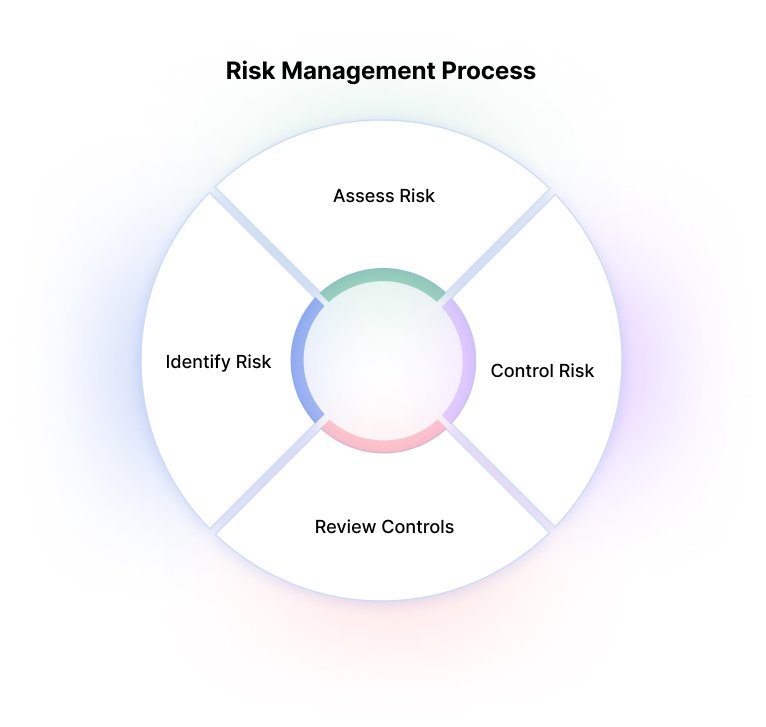
Roblox risk modeling techniques involve using data analysis and statistical methods to predict and mitigate potential negative outcomes within the game, such as fraud, player churn, and inappropriate behavior.
Ever wondered how game developers keep things safe and fun on Roblox? It’s not magic, but clever use of data. They employ roblox risk modeling techniques to understand and tackle challenges that arise in such a large, dynamic platform.
These techniques help them identify patterns, predict potential problems, and ultimately create a better gaming environment. We can explore how these models work and why they matter for every player.

Roblox Risk Modeling Techniques
Okay, let’s dive deep into the world of Roblox and how we can use some cool tricks called “risk modeling” to make our games even better and safer. Imagine you’re building a fantastic theme park in Roblox. You want everyone to have fun, right? But what if someone tries to cause trouble, or if your rollercoaster breaks down? That’s where risk modeling comes in! It’s like being a detective, figuring out what could go wrong and planning how to stop it or fix it quickly. We’ll explore several strategies that game creators like yourself use to keep your experiences enjoyable and secure.
Understanding Risk in Roblox Games
Before we jump into the techniques, it’s super important to understand what “risk” even means in the Roblox world. Think of risk as anything that could take away from the fun, cause problems for players, or even damage your game’s reputation. These risks can be things that:
Hurt Players: This could be glitches that make it impossible to play, or unfair game mechanics that frustrate people. It also includes things like bullying or inappropriate chat that can make people feel unsafe.
Damage your Game: This means things like cheaters who break the game’s rules, hackers who try to steal player data, or bugs that make the game unstable.
Affect the Game’s Popularity: If the game is full of problems, people won’t want to play it. Things like repetitive gameplay, unbalanced challenges, or slow loading times can drive players away.
Basically, if something could negatively impact your game and the people playing it, that’s a risk you need to think about. Risk modeling helps you identify these things, figure out how likely they are to happen, and plan what to do about them.
Identifying Potential Risks
The first step in risk modeling is identifying what can go wrong. This is like brainstorming – think of all the possible problems. Here are some common types of risks in Roblox games and how to identify them:
Gameplay Risks
Unbalanced Gameplay: Is one team too strong? Are some weapons way better than others? These can make games feel unfair and less fun.
Bugs and Glitches: Things that make the game not work right, like players getting stuck, objects disappearing, or characters acting weird.
Repetitive or Boring Gameplay: Games can get boring if there’s not enough to do, or if tasks are too easy or too hard.
To identify gameplay risks, play your game often. Ask your friends and other people to play it too. Get feedback, and look for things that are not fun or working correctly.
Security Risks
Cheating and Hacking: Players might use tools to break the game’s rules, like getting unlimited health or skipping levels.
Data Breaches: Hackers could try to get access to your players’ accounts or personal information. This is why it’s very important to follow Roblox’s security guidelines.
Inappropriate Content: People could try to post offensive chat messages, put up inappropriate images, or try to scam other players.
To spot security risks, always be suspicious of unusual activity. Keep your game’s servers and scripts secure, and use Roblox’s moderation tools to deal with bad behavior. Regularly check for security updates for Roblox and your game software.
Financial Risks
Monetization Issues: If your game’s system for in-game purchases is broken, players might have problems paying or getting what they paid for.
Game Design Issues: If your game is boring, people won’t want to spend money on it. Make sure your game provides good value for the money.
To handle financial risks, make sure your in-game payment system works well. Also, make sure the game is enjoyable to play, so people want to support it.
Evaluating Risk Likelihood and Impact
Once you have identified potential risks, you need to figure out how likely each one is to happen (likelihood) and how much trouble it would cause if it did (impact). This helps you prioritize which risks to work on first.
Assessing Likelihood
High Likelihood: These are risks that are very likely to happen often. For example, bugs are common in new games.
Medium Likelihood: These are risks that might happen sometimes. For instance, some players might try to cheat, but not everyone.
Low Likelihood: These are risks that are not very likely. Things like a major server hack might be less common.
Think about how often you have seen this risk in other games or how likely it is to happen with the code you’re using in your game.
Assessing Impact
High Impact: These risks cause a lot of problems. For example, if a server gets hacked, your game might be shut down.
Medium Impact: These risks cause some issues but aren’t terrible. An unbalanced gameplay can cause many players to leave.
Low Impact: These risks cause minor problems. For example, a small visual bug.
Consider how many people might be affected and how much it would cost you to fix the problem if a risk happened.
Risk Matrix
A helpful tool is the risk matrix. This is a simple chart that helps you visualize risks based on their likelihood and impact. You can use a simple table like this:
| Low Impact | Medium Impact | High Impact | |
|---|---|---|---|
| Low Likelihood | Low Risk | Low to Medium Risk | Medium Risk |
| Medium Likelihood | Low to Medium Risk | Medium Risk | High Risk |
| High Likelihood | Medium Risk | High Risk | High Risk |
By using a risk matrix you can easily sort out which risks require your immediate attention.
Risk Mitigation Strategies
Now that you know what risks are and how to evaluate them, let’s talk about strategies to reduce those risks. Here are some techniques to help you make your game safer and more enjoyable:
Testing and Quality Assurance
Playtesting: Play your game often to find bugs, balance problems, and other issues. Ask friends or players to help you test. Gather feedback.
Unit Testing: Test each small part of your game (like scripts and individual functions) to make sure it works correctly. This can help you catch bugs before they get big.
Automated Testing: Use tools that run tests for you automatically. This can save a lot of time and help you catch bugs quickly.
Regularly testing your game is very important to finding and fixing problems before they affect your players.
Security Practices
Input Validation: Check all inputs from players to make sure they are valid. This can help prevent cheating and other types of attacks.
Server-Side Code: Put important game logic on the server instead of on the player’s computer. This helps stop cheating.
Roblox’s Security Tools: Use Roblox’s tools to prevent inappropriate chat, moderate content, and manage players.
By following these practices you can ensure your game is more secure. Stay up to date with Roblox’s recommended practices.
Game Balancing
Data Analytics: Track how players are playing the game. Look for things like which weapons people use most or if one team always wins.
Feedback Loops: Make small changes to your game, and get feedback. This helps you gradually balance your game.
Regular Updates: Keep updating your game with new content and tweaks to keep the game fresh and fun.
Game balance is important for long-term fun, so pay attention to it and make adjustments.
Community Moderation
Clear Rules: Create clear rules for your game. This helps people know what’s okay and what isn’t.
Moderation Tools: Use Roblox’s moderation tools to ban players who break the rules. If needed, recruit other players to help moderate.
Community Engagement: Talk to your players, get their feedback, and help them have a good time. This can prevent bad behavior.
A strong and active community is key to a safe and enjoyable game.
Specific Risk Modeling Techniques in Roblox Development
Now, let’s get into the specific techniques you can use in your Roblox projects. These are techniques that are useful when you’re creating the games.
Scenario Analysis
What-If Scenarios: Think of all sorts of “what if” questions, such as, what if a player finds a bug? What if a hacker targets your game? What if player numbers increase dramatically? This exercise will help you prepare plans for a variety of situations.
Plan of Action: Make a plan for what you will do if each of these situations happens. If the server crashes, for example, how will your team deal with it? What will be the first thing you do?
Using scenario analysis, you can prepare for a wide range of possible problems.
Fault Tree Analysis
Start with a Problem: Start by thinking of a big problem that could happen in your game, such as a total game crash.
Work Backwards: Then, work backward and try to figure out all the things that could cause the crash. This is kind of like drawing a tree diagram showing how different problems can lead to the major problem you identified.
Prevent the Root Cause: By figuring out all the ways the problem can happen, you can figure out which issues to tackle first.
This kind of analysis is very useful in figuring out what bugs can cause what kind of problems.
Event Tree Analysis
Start with an Event: Think of a specific event that might happen in your game, like a player getting an important power-up.
Follow the Event: Then, follow the event through different possible outcomes. What could happen if the player uses the power-up well? What if they don’t use it well?
Plan for all Outcomes: By following the tree you can plan for how each possible outcome will impact the game.
This technique helps with planning for different possible ways players will play your game.
Risk Registers
Create a List: Make a list of all the risks that you have identified.
Risk Details: For each risk, note the likelihood and impact. Also note the steps that you are taking to deal with it.
Track Changes: As you do more work in your game, update the risk register to reflect the changes.
Using a risk register, you can keep track of all the risks and progress that you have made in dealing with them.
Putting It All Together
So, what do all these risk modeling techniques mean for you as a Roblox game creator? They mean that you can make your game better, safer, and more fun for everyone. By using these methods, you will not just be reacting to problems but you will be actively working to prevent them. This makes for a more professional and polished game that people will want to play again and again.
Always remember that risk modeling is not a one-time thing. As your game gets bigger, you will need to keep using these techniques to make sure everything is running smoothly. This involves constantly checking for new bugs, adjusting the game balance, and making sure everyone follows the rules.
By following this advice, your Roblox games will be in a much better position for success. You can create a positive experience for all the players, and that makes all the difference in the long run.
Roblox Studio Developing Tips pt.1 – Optimization
Final Thoughts
Effective roblox risk modeling techniques are crucial for game developers. They help identify potential problems early on. Developers can use these techniques to predict and mitigate issues. This proactive approach improves the user experience.
Data analysis plays a key role. We can use player behavior data to foresee risks. Analyzing user feedback also provides insights. Applying these insights is critical for creating safer and enjoyable experiences.
Ultimately, utilizing roblox risk modeling techniques strengthens game development. They allow for better decision-making and improve overall game quality. Consistent risk assessment should therefore be a top priority.

