
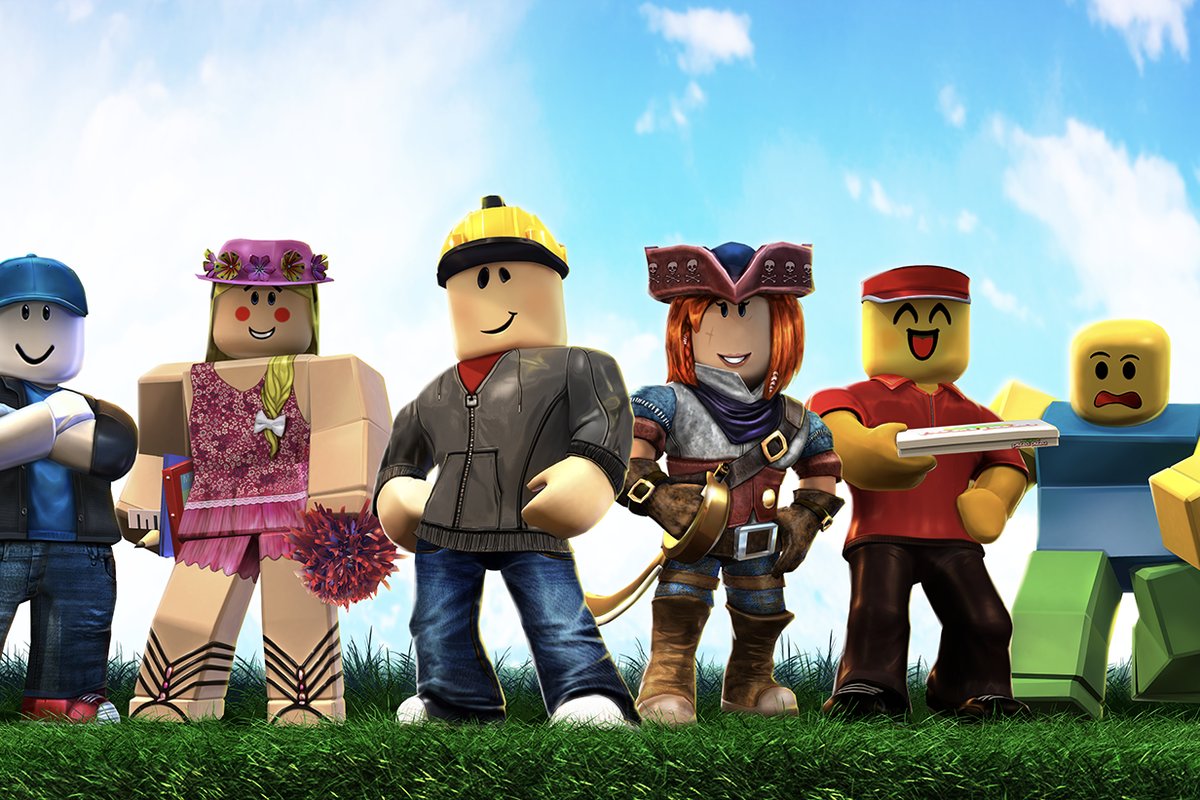
Roblox segmentation strategies involve dividing players into groups based on shared characteristics like playstyle, spending habits, or in-game engagement to better target content, features, and marketing efforts.
Are you trying to reach specific groups within the vast Roblox universe? It is not just about casting a wide net. Understanding your audience is key for targeted success. Knowing player differences will guide your development and promotion efforts.
This is where roblox segmentation strategies come into play. We’ll explore how grouping players by different criteria can refine your game design and marketing efforts. It leads to a much more engaged community.

Roblox Segmentation Strategies: Reaching the Right Players
Okay, so you’ve made an awesome Roblox game! It’s full of fun, adventure, and maybe even some cool pets. But how do you make sure the right players find it? Not everyone loves every type of game, right? That’s where segmentation comes in. Think of it like sorting your toys. You wouldn’t put your building blocks in the same box as your stuffed animals, would you? Segmentation helps you sort your Roblox players so you can show your game to the people who are most likely to enjoy it.
Understanding Your Players: The First Step
Before you start dividing up your players, you need to know who they are! It’s like trying to give someone a birthday present without knowing what they like. Let’s dive into the important things to understand.
Player Demographics: Who Are They?
Demographics are like the basic facts about your players. This includes things like:
- Age: Are they young kids, teens, or maybe even adults? Roblox has players of all ages, and their tastes are very different. Younger players might love simulator games with lots of collecting, while older players might enjoy a challenging role-playing game.
- Gender: Do you have mostly boys, girls, or a mix? Knowing this can help you tailor your game’s theme and characters.
- Location: Where in the world are your players? This can affect when they are online and even their cultural preferences. Maybe a game that is popular in one country may not be as popular in other country.
You can get clues about these things by looking at the comments and messages your players leave, and by analyzing your in-game analytics (data that tells you how people are using your game) when provided by Roblox. It might also be helpful to watch some popular Roblox live streams to understand what the audience there is.
Player Behavior: How Do They Play?
It’s not just who your players are, but how they play. This is called player behavior, and it includes things like:
- Play Time: Do they play for hours at a time, or just for a quick 30 minutes? Knowing this will impact things like how you design the gameplay loop.
- In-Game Actions: What do they spend most of their time doing in your game? Are they exploring, building, fighting, or collecting?
- Spending Habits: Do they buy in-game items? This is useful to understand what motivates their purchase.
Understanding these things helps you make your game even better and more engaging for them. If you see that most players are buying a certain item, you might offer more similar items. If they are not going to certain area, you might need to make it more engaging for the player.
Player Psychographics: What Do They Like?
Psychographics are all about what players like and how they feel. These are the things that motivate them to play. This includes things like:
- Motivations: Are they playing to have fun, to compete, to make friends, or to be creative?
- Game Preferences: What other games do they like to play on Roblox? What is the general trend for the games they play?
- Their Interests: Outside of Roblox, what things do they like, like TV shows, movies, books or sports?
To figure out their motivations, try to ask in-game. Maybe offer polls or make some in-game question and answers, and maybe try to look up in your game’s comment section. To understand their game preference you can look up the games that are similar to your game and check the comments section or look up the general trend of games.
By knowing what your players enjoy, you can make your game more appealing to them, you can cater more to their needs and wants.
Types of Segmentation: Different Ways to Divide Players
Now that you know more about your players, you can divide them into groups. These groups are called segments, and there are many different ways to create them. Let’s look at some common methods.
Behavioral Segmentation: Focusing on Actions
This is where you group players based on what they do in your game. Some examples of behavioural segmentation include:
- Engagement Level: Divide players into groups based on how often they play. For instance, you can have “frequent players,” “occasional players,” and “new players.” You could make a special events for those who have been playing a lot and maybe special tutorial for the new players.
- Spending Patterns: Group players by how much they spend on in-game items. You may have “free players,” “low spenders” and “high spenders.” You could offer special deals for higher spenders as well.
- Game Activity: Group based on where they spend their time in the game. You can make “builders,” “explorers,” “fighters,” and so on. You can provide special content for different players based on what they like to do in your game.
Demographic Segmentation: Grouping by Facts
This approach uses information like age, gender and location to create groups. Some examples of Demographic Segmentation includes:
- Age Groups: Target players based on their age brackets. You can have “kids (under 10),” “tweens (10-12),” and “teens (13-17).”
- Geographic Location: Create localized events or promotions for players in specific regions.
- Gender-Based Groups: If your game has different appeal for different genders, target content based on these groups.
Psychographic Segmentation: Grouping by Interests
This one looks into motivations, values and preferences of the player. Psychographic segmentation examples include:
- Motivations: group people who play to have fun, compete, make friends, or be creative.
- Game Preferences: Group players who like similar types of games. For instance, those who like simulation games or action games.
- Player Values: group people based on if they value team work or are more individualistic.
These groups can overlap, as one player might fit into multiple segments. For example, a player might be a “frequent player,” a “high spender,” and an “explorer”. Segmentation should not be thought of in black and white but it’s more like different shades of grey.
Implementing Segmentation Strategies
Okay, so you have all these awesome segments. But what do you actually do with them? Here’s the magic part: putting your segmentation into action.
Personalized In-Game Content
One of the best uses of segmentation is making your game more personal for each group. Here are a few examples:
- Tailored Tutorials: New players might need a more detailed tutorial, while experienced players might want a quick refresher.
- Customized Challenges: Give challenges that align with what the player enjoys doing. If they like building, give building challenges. If they like fighting, give combat challenges.
- Special Events: Create special events that cater to specific groups. A building event for those who love building or a combat event for the fighters.
Targeted Marketing
Segmentation is also incredibly useful for your marketing. It can help you choose who to show your ads to, and how to promote your game.
- Ad Campaigns: Instead of showing your game to everyone, you can show it to players who are likely to be interested. You can target based on what they like to play.
- Social Media: You can create posts that are specific to each segment. If you have a building community, you can make special content for them.
- Community Engagement: Make communities where the player can interact with others who like the same things.
Data Analysis and Refinement
Segmentation is not a “set it and forget it” thing. You need to keep looking at how your segments are doing and keep improving them. Here are some important things to consider:
- Track Your Progress: Keep an eye on how each segment responds to your changes. Are you increasing engagement and playtime in those groups?
- Adjust Your Segments: Sometimes, a group is not as useful as it seems. Maybe you need to combine groups or create new ones.
- Keep Learning: Keep your eyes on your in-game data. See how players are interacting in your game. Be ready to adapt.
Tools and Techniques for Segmentation
There are many tools you can use to help you segment your players. While Roblox doesn’t provide a dedicated segmentation tool, here are ways you can get the data and use it:
Roblox Analytics
Roblox provides basic analytics that shows how players are using your game. Check your playtime, the games they played before and any patterns that you can see. It can help you make many different segments in the game.
In-Game Surveys
You can make in-game surveys using Roblox UI and ask the players specific questions. You can ask what they like or dislike in the game. You can also ask about their other interests to make meaningful segments.
Community Feedback
Your players are a goldmine of information. Watch your game’s community closely and see what they are saying. What are they praising? What are they complaining about? What are the general trends. These can give you important information to make proper segments.
Examples of Successful Roblox Segmentation
Let’s see how segmentation can make a difference with some examples:
The Building Game Example
Let’s say you have a building game where players can create anything. If you segment your players, you might find that some are more interested in complex building challenges while others want to create simple and aesthetic structures.
What you can do
- Create different types of challenges that cater to these player types.
- Show builders who enjoy complex creations more complex templates to start with.
- For simple builders show more aesthetically pleasing templates.
The Fighting Game Example
Suppose you have a fighting game. You might see that some players like to play a lot, while others jump in rarely. Some players might be high spenders buying new weapons, while others enjoy it with the basic weapons.
What you can do
- For the frequently playing players provide more ranked matches, tournaments and special events.
- Make exclusive rewards for the high spending players.
- For the free players offer special events that are fun and engaging for them.
The Role Playing Game Example
Imagine you have a role playing game where player can have different roles. Some players might like to be cops, others like to be robbers, and some might like to be civilians.
What you can do
- Make separate maps for cops, robbers and civilians.
- Make different objectives for different player groups.
- Make special items for different type of players.
In each example, knowing your players makes a big difference. Segmentation ensures that every player has the best possible experience in your game.
Using Roblox segmentation strategies might seem like a lot at first, but it’s really about making your game the best it can be for everyone. When you understand your players and cater to their needs and wants, your game will grow and thrive. It takes effort and time but it is worth it in the end.
bro tried roblox studio🤯☠️ #shorts #fyp
Final Thoughts
Successful Roblox game development requires understanding your audience. Segment your players based on gameplay style, spending habits, or device preference. Tailoring experiences to these groups improves engagement.
Effective roblox segmentation strategies help you provide targeted updates and promotions. This creates a stronger sense of community and encourages continued play. You also optimize resource allocation for better results.

