
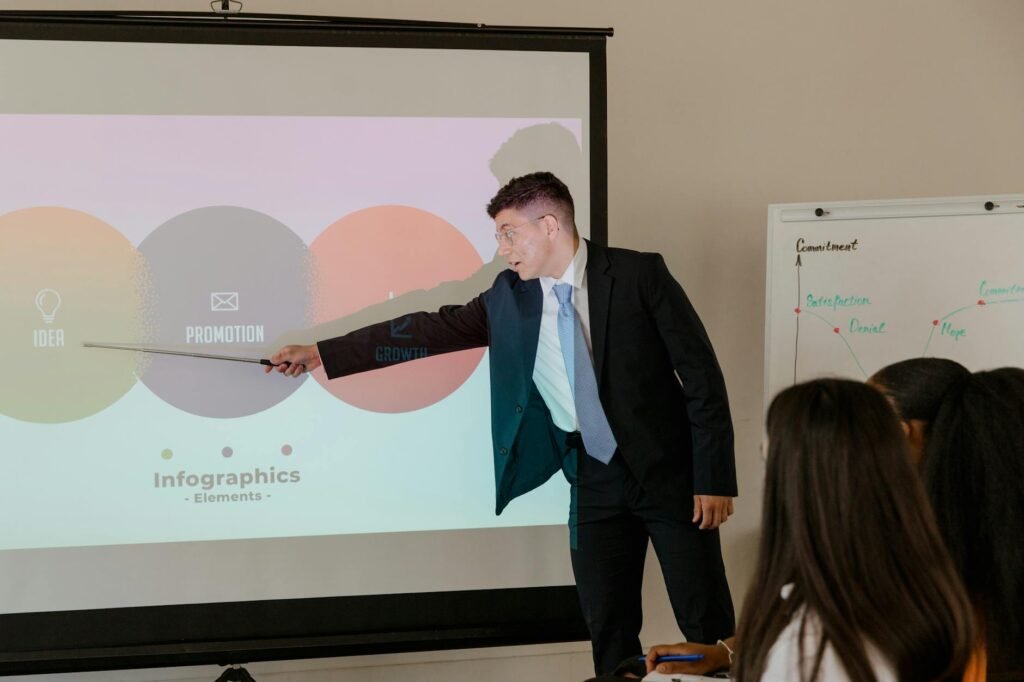
Effective Roblox talent management strategies involve identifying, training, and retaining skilled developers, designers, and other contributors within your game or group.
Managing a successful Roblox experience requires more than just great ideas. You also need the right people to bring them to life. Knowing how to handle your team, from finding them to keeping them happy and productive, is critical. This is where effective roblox talent management strategies become essential.
These strategies help you build a team that is passionate and committed to your vision. They contribute to a better game and a more sustainable development environment. You will retain talent and keep creating better experiences.

Roblox Talent Management Strategies
Okay, let’s talk about making your Roblox game awesome! It’s not just about coding and building cool stuff. It’s also about finding and keeping talented people to help you make your game the best it can be. This is where talent management comes in. Think of it like being a coach for your game development team. You need to find the right players, help them grow, and make sure they’re happy working on your project. Let’s dive into how to do just that!
Finding the Right Roblox Talent
First things first, you need to find the talented individuals who can help bring your vision to life. Finding the right team members is like finding the perfect puzzle pieces – they all need to fit together well. Here’s how you can go about searching for those stars:
Where to Look for Talent
There are many places where you can find skilled Roblox developers, builders, artists, and more. Here are some popular spots:
- Roblox Developer Forum: This is a great place to connect with other creators. You can post job listings or search for people who have skills you need. Many developers share their portfolios here.
- Twitter & Discord: These platforms are buzzing with Roblox creators. Use relevant hashtags or join communities related to Roblox development to find potential team members. Look out for developers who share their work online.
- Roblox Communities: Many popular games or groups within Roblox have active Discord servers or forums where creators and talented individuals gather. You might just find someone who’s passionate about the kind of game you are making.
- Freelancing Websites: Sites like Upwork or Fiverr often host Roblox developers who are looking for work. It is a more official way to find and hire professionals.
- Game Jams & Events: Participating in or observing game jams and online events can expose you to developers who are actively creating and innovating.
- Your Own Game: Sometimes, the best talents are already playing your game. Reach out to players who have shown exceptional building, scripting, or testing skills in your game.
Defining Your Needs Clearly
Before you start searching, you need to know exactly what you’re looking for. Be very clear about the following:
- Specific Roles: Do you need a scripter, builder, animator, UI designer, sound designer or all of them? Be very specific about the roles you are trying to fill.
- Required Skills: What technical skills are essential for each role? Do they need to know Lua, have experience with Blender or possess sound design expertise?
- Experience Level: Are you seeking someone who is a beginner, intermediate, or an advanced developer?
- Project Compatibility: Will they mesh well with your team? Look for someone with good communication skills and a collaborative mindset.
- Budget: Be honest with yourself and set a reasonable budget for the project and the roles.
Creating Appealing Job Postings
Once you know who you’re looking for, create job postings that grab people’s attention. Think of it like writing a mini-advertisement for your project.
- Use Clear Titles: Instead of saying “Looking for someone,” say “Experienced Lua Scripter Needed for Roblox RPG.”
- Describe the Project: Make your project sound interesting and exciting. Explain the game’s genre and any unique features that might draw in talented developers.
- Outline Responsibilities: Make it clear what the role entails. For example, “Scripter will be responsible for implementing game mechanics, user interfaces, and special events.”
- Mention Compensation: Tell potential team members how they will get paid, if they will be paid. Will it be a lump sum, hourly payments, or a percentage of the game’s earnings? Be transparent about financial arrangements.
- Share Contact Details: Provide a clear way for interested individuals to contact you, such as an email address or a Discord username.
Onboarding New Talent
Hiring the right talent is just the beginning. Successfully bringing a new team member into your project, often called onboarding, is really important. Good onboarding makes sure your new member understands the project and knows what’s expected of them. This can help make them feel welcomed and start contributing effectively to your Roblox game development journey right away.
Providing Clear Expectations
- Project Overview: Share a detailed explanation of the game, its goals, and the vision you have for the game. Show them how their role fits into the big picture.
- Specific Tasks and Goals: Give them clear, manageable tasks to start with. Outline short-term and long-term goals, so they have a path to follow.
- Communication Channels: Make sure everyone knows how the team will communicate. Whether it’s Discord, Slack, or even within Roblox Studio, everyone should use the same channel so that the communication is clear and quick.
- Deadlines: When a specific task needs to be done, provide specific deadlines. This helps new team members to organize their work and stick to a schedule.
Setting Up Tools and Access
- Roblox Studio Access: Ensure new team members have access to the project in Roblox Studio. Properly configure user access and permissions for different team members for security reasons.
- Version Control: Utilize services like Github or GitKraken to manage changes to the game’s files and avoid work overlapping.
- Other Tools: Provide access to any other tools the team uses, like project management software or design platforms.
Team Introductions
- Welcoming New Members: Officially introduce new members to the existing team. Allow each member to know other members on the team.
- Team Roles: Make sure new members know who is responsible for what. This helps new members know who to go to with particular questions.
- Ice Breaker Activities: Casual team introductions and ice breaker activities can build a sense of camaraderie and make the new member feel welcomed.
Nurturing and Developing Your Team
Talent management isn’t just about hiring people; it’s about helping them grow and reach their full potential. A happy and skilled team is a productive one. So, let’s look at how to help your team succeed.
Providing Feedback
Giving good feedback is crucial to helping team members improve. Here’s how to do it effectively:
- Regular Check-ins: Don’t wait until something goes wrong. Schedule regular, quick check-ins to discuss progress, challenges, and ideas.
- Be Specific: Instead of saying, “That’s not good,” say, “I think the animation feels a bit stiff, maybe try adding a bit more fluidity in movements.”
- Focus on Behavior, Not Person: When giving feedback, focus on what the person did, not who they are. Say “The code you wrote could be more efficient,” not “You’re a bad coder.”
- Sandwich Feedback: Start with a positive, then address areas of improvement, and end with another positive. For example, “I really like the creative design you have made. Maybe change the color a bit. You did a great job overall.”
- Be Timely: Give feedback as soon as possible after the event so that they remember the work.
Offering Learning Opportunities
Help your team members improve their skills by offering resources and opportunities for growth.
- Online Courses and Tutorials: Give access to online resources like tutorials, books, or online courses.
- Internal Training: If you or someone else on the team has specific expertise, provide training sessions for others.
- Experimentation: Give the team members time and space to experiment with new techniques and tools.
- Peer Learning: Encourage team members to learn from each other and share new things they have learned.
Recognizing Achievements
People like to be appreciated for their work. Recognizing achievements can greatly improve your team’s morale and motivate them to achieve better results.
- Public Acknowledgement: Publicly acknowledge good work during team meetings or in team-wide announcements.
- Individual Praise: A personal message of appreciation can go a long way, too.
- In-Game Rewards: If possible, reward team members with special in-game items or access to content as a token of appreciation.
- Bonuses or Incentives: If your project is financially successful, consider sharing the reward with your team through bonuses.
Team Dynamics and Communication
A team is like a machine, and communication is the oil that keeps it running smoothly. Good communication and healthy team dynamics are essential for any successful project.
Establishing Clear Communication Channels
Make sure everyone knows how to communicate with each other and when to communicate.
- Dedicated Channels: Set up separate channels for different topics, such as project updates, general discussions, or technical questions. This helps to keep conversation organized.
- Regular Meetings: Host regular meetings to discuss progress, challenges, and upcoming goals.
- Clear Response Times: Establish expectations for response times. For example, aim to respond to important messages within a certain timeframe.
- Utilize Visual Aids: Use things like diagrams, flowcharts, and concept art to aid in communication of the ideas.
Encouraging Open Communication
Create an environment where everyone feels safe to share ideas, raise concerns, and ask questions.
- Active Listening: Be a good listener and encourage your team members to listen to each other.
- Feedback Culture: Promote the idea that feedback is a good thing, and it helps in the improvement of the project.
- Conflict Resolution: If conflicts arise, address them quickly and fairly. Encourage the team members to resolve conflicts peacefully.
- Transparency: Be open and honest with your team about project progress, challenges, and decision-making processes.
Promoting Collaboration
Teamwork is key in a game development project. Encourage team members to collaborate, share their ideas, and help each other.
- Team Tasks: Assign tasks that require team members to work together.
- Brainstorming Sessions: Host brainstorming sessions where everyone can share new ideas and contribute to the game’s design.
- Sharing Work: Have team members show their work to others.
Maintaining Team Motivation
Keeping your team happy and motivated is key to the long-term success of any project. A motivated team can do wonders! Let’s see how to keep the team spirit up.
Setting Achievable Goals
Help your team stay motivated by setting realistic and achievable goals.
- Break Down Tasks: Instead of having big tasks that seem impossible, break them into smaller, manageable tasks.
- Celebrate Milestones: Acknowledge and celebrate when tasks or goals are accomplished.
- Realistic Timelines: Don’t set impossible deadlines. Allow time for potential hiccups and unforeseen issues.
Creating a Positive Work Environment
A positive and welcoming work environment makes your team happy and enthusiastic to work.
- Respect and Fairness: Treat all team members with respect and fairness.
- Support System: Make sure every team member is supported by you and other team members.
- Fun and Relaxed: Inject some fun and relaxation into your project, like a casual chat or a team-building activity.
Seeking Team Feedback
Ask your team what you can do better. What would make them happier? The team might have a lot of ideas that can help improve the project and working environment.
- Anonymous Feedback: Give the option of providing feedback anonymously. Sometimes, team members are shy to give feedback directly.
- Regular Check-Ins: Regularly ask team members for their feedback.
- Action on Feedback: Show them that you are listening by acting on their feedback.
Managing talent on Roblox is a combination of finding the right people, making them feel welcome, helping them improve, and keeping them excited about the project. It’s an ongoing process that requires dedication and care, but the rewards, like having a great game developed by a great team, are definitely worth it! By paying attention to talent management, you are not just building a game but also building a thriving community around your project.
i Can't believe this is ROBLOX …. #shorts
Final Thoughts
Effective Roblox talent management strategies require consistent communication and clear expectations. Providing constructive feedback helps developers grow their skills. Implementing these approaches ensures you retain the best talent.
Focus on creating a positive and inclusive environment where everyone feels valued. A strong team culture contributes to project success. Invest in your team to maximize productivity. These talent management strategies aid in long-term success.

