
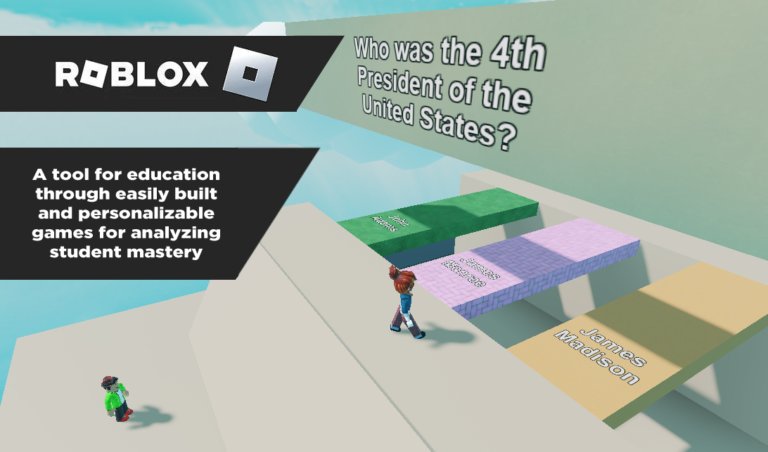
‘Roblox teaching tools for educators include features like custom game creation, collaborative building, and scripting capabilities, allowing teachers to design interactive learning experiences.’
Imagine a world where learning feels like play. What if students could engage with concepts by actually building them? This is the promise of innovative educational platforms, and surprisingly, that includes video game platforms. Specifically, exploring roblox teaching tools for educators offers a fresh perspective.
Teachers now use Roblox to craft bespoke lessons, from historical reenactments to intricate scientific simulations. The game’s collaborative nature encourages teamwork and problem-solving. Students become active learners, shaping their understanding in a dynamic environment.

Roblox Teaching Tools for Educators
Roblox, a platform often associated with gaming, is also a surprisingly powerful tool for learning. Forget just building virtual worlds; educators are finding amazing ways to use Roblox to engage students, teach complex subjects, and even build crucial life skills. Let’s explore how Roblox is becoming a valuable asset in classrooms around the world.
Why Roblox for Education?
You might be thinking, “Roblox? Isn’t that just for kids to play games?” While it’s true that Roblox is home to millions of games, its underlying structure is what makes it ideal for teaching. Think of it as a digital sandbox – a place where creativity and collaboration can bloom. Here are a few reasons why Roblox is making a splash in education:
Engaging and Motivating
Let’s face it, kids love games. Roblox taps into this natural enthusiasm, making learning feel less like a chore and more like an adventure. The interactive nature of the platform keeps students actively involved, leading to better retention and a genuine excitement for the subject matter.
Hands-On Learning
Instead of just reading about concepts, students using Roblox can experience them firsthand. They can build models of historical structures, design scientific experiments, or simulate economic systems. This hands-on approach allows for deeper understanding and helps solidify concepts in a way that textbooks often can’t.
Fosters Creativity and Collaboration
Roblox is all about creating. Students aren’t just consumers; they are builders. They can design their own learning environments, collaborate on projects, and problem-solve together. This teamwork and creative expression are essential skills for future success.
Accessible and Versatile
Roblox is accessible on many devices, including computers, tablets, and even some smartphones, making it easy to incorporate into various classroom setups. Also, the platform is incredibly versatile. You can use it to teach almost any subject, from math and science to history and language arts. The only limit is your imagination!
Roblox Studio: The Heart of Creation
While playing Roblox games is fun, the real magic for educators lies in Roblox Studio. This free software allows users to build their own experiences. It’s a development environment that, when used effectively, empowers students to design their own learning tools. Here’s a closer look at Roblox Studio and its benefits:
Building Custom Learning Environments
Roblox Studio gives educators the ability to create tailored learning environments. Imagine a virtual museum where students can explore artifacts, a model of the solar system they can walk through, or a historical reenactment brought to life. These experiences can be designed to be visually engaging and perfectly aligned with curriculum goals. Educators can use the platform to design experiences that support their goals, whether it’s to create a space to learn math by building structures or to develop a simulated marketplace where students can experience the fundamentals of economics.
Scripting with Lua
Roblox uses a programming language called Lua, which is relatively easy to learn, especially with online guides and tutorials available within the Roblox environment. Learning Lua isn’t just about making games; it’s about developing logical thinking, problem-solving, and coding skills. Students can use Lua to add interactivity to their projects, making them more complex and engaging. For instance, they can program a quiz game, create a working calculator, or simulate natural processes, all within the Roblox environment.
Promoting Computational Thinking
Coding with Lua in Roblox Studio teaches the fundamental principles of computational thinking. Students learn to break down complex problems into smaller steps, design logical sequences, and debug their code, and understand the concept of algorithm. These skills are not only useful in computer science but are also valuable in many areas of life.
Using Roblox Across the Curriculum
The versatility of Roblox means it can be integrated into a wide variety of subject areas. Let’s explore some specific examples of how educators are using Roblox in their classrooms:
Mathematics
Forget boring worksheets! With Roblox, math can become interactive and fun. Here are a few ideas:
- Geometry: Students can build 3D shapes, calculate volumes and areas, or even design entire cities, incorporating geometric principles into their designs.
- Algebra: Use Lua scripting to create interactive puzzles and games that require solving equations. For example, students could design a puzzle where they must correctly solve for X to unlock a door.
- Fractions and Decimals: Students can visually represent fractions using virtual objects, or simulate scenarios involving money to practice using decimals.
By integrating these concepts within a familiar and engaging platform like Roblox, educators can create fun and memorable learning experiences.
Science
Roblox offers amazing opportunities to bring science to life. Here are a few ways educators can use it:
- Physics: Students can create simple machines, explore the laws of motion, or simulate natural phenomena like gravity or friction. They can adjust variables and observe the effects in real-time, building a fundamental understanding of physics laws.
- Biology: Build virtual ecosystems, simulate cell structures, or even design a virtual anatomy lab. They can watch the interactions between species, the flow of energy, or examine the detailed construction of cells in the simulated environment.
- Chemistry: Create models of molecules, simulate chemical reactions, or design a virtual laboratory where students can conduct experiments safely, in a safe, no-risk environment.
Through hands-on experimentation within Roblox, students can grasp complex scientific concepts in a very accessible way.
History
Step back in time with Roblox! Here’s how educators can use the platform to make history more engaging:
- Recreate Historical Events: Students can construct models of famous battles, ancient civilizations, or significant historical landmarks. They can then walk through these digital spaces, gaining a deeper connection with the past.
- Simulate Historical Processes: Simulate the development of a civilization, the evolution of political systems, or trade routes of the past, enabling students to observe history unfold in real-time.
- Role-Playing: Students can assume the roles of historical figures and participate in simulations of historical events, gaining a more personal perspective on the past and improving comprehension.
By actively participating in creating and experiencing history within Roblox, students gain a more profound and memorable understanding of past events.
Language Arts
Roblox is not just for STEM subjects. It can also enhance language arts skills. Here are a few ideas:
- Storytelling: Students can create their own interactive stories within Roblox, designing the settings, characters, and plotlines, making the narrative more engaging.
- Vocabulary Development: Design games where students must use vocabulary words correctly to advance, expanding their vocabulary in a fun and engaging way.
- Collaborative Writing: Teams of students can work together within Roblox to co-author stories or design narrative-driven experiences, enhancing teamwork and language skills.
By leveraging the creative possibilities of Roblox, educators can turn language arts lessons into dynamic and interactive experiences.
Social Studies
Explore diverse cultures, economies, and political systems with Roblox. Here’s how:
- Simulate Economic Systems: Design a virtual marketplace where students can buy, sell, and trade goods, learning about supply and demand, profit, and loss. They learn economic principles through hands-on experience.
- Explore Different Cultures: Students can create models of diverse communities, research different traditions and customs, and share their findings with other students.
- Simulate Political Systems: Create simple simulations of political processes, like elections or debates, and help students understand how governments function and engage in civil discourse.
Through these active explorations, students gain a much deeper understanding of global issues and the intricacies of human societies.
Tips for Educators Using Roblox
Implementing Roblox in the classroom requires a little planning. Here are some tips to make the process smoother and more effective:
Start Small
Don’t feel like you need to create a fully realized virtual world overnight. Start with small, manageable projects, and gradually increase complexity as you and your students become more comfortable with the platform. Introduce basic skills and techniques, ensuring you have a grasp before taking on larger projects.
Plan Your Lessons
Like any lesson, planning is key. Outline your learning objectives, create a detailed project plan, and have clear expectations for your students. Set clear goals for what students should learn through the Roblox activity and structure your class accordingly to reach those goals.
Embrace Student Creativity
Let your students’ creativity lead the way. Encourage them to contribute ideas, make choices, and personalize their learning experiences. Provide guidance and support, but allow them to experiment and take ownership of their projects, which fosters engagement and critical thinking.
Use Templates and Resources
Roblox has a large community and many freely available resources, such as templates, models, and tutorials. Use these existing assets as a starting point to save time and jumpstart your lessons. There are thousands of pre-built assets available, allowing you to easily create elaborate learning environments.
Focus on Collaboration
Encourage teamwork by incorporating group projects and collaborative building activities. These activities foster teamwork, enhance communication skills, and allow students to learn from each other. This can create an engaging, dynamic learning environment.
Prioritize Safety
Before using Roblox in the classroom, it is critical to discuss online safety with your students. Discuss responsible online behavior, privacy settings, and reporting tools available within the platform, and set clear guidelines for appropriate classroom interaction.
Be Patient and Flexible
There will be times when things don’t go as planned. Be prepared to adjust your lesson plans, troubleshoot technical issues, and embrace the learning process, for you and your students. The flexibility to adapt and problem-solve will prove valuable in the long run.
Accessing Resources and Support
The Roblox education community is very supportive, with many resources available to educators. Here are a few places to look:
- Roblox Education Website: Visit the official Roblox Education website for curriculum materials, lesson plans, case studies, and more.
- Online Forums and Communities: Join online groups and forums where educators share ideas, tips, and best practices for using Roblox.
- Teacher Training and Webinars: Consider participating in online training sessions and webinars specifically designed for educators using Roblox.
- Tutorials and Documentation: The Roblox documentation provides thorough explanations of how to use Roblox Studio and Lua scripting. Many free tutorials are available through the Roblox website and the community.
By tapping into these resources, you can expand your skills and connect with a network of peers who can provide guidance and encouragement.
Roblox is more than just a game; it’s a powerful learning tool that is changing the way students learn and interact with subjects. By embracing its potential, educators can create more engaging, relevant, and memorable learning experiences for their students.
Roblox Education Webinars – Digital Civility and Online Safety
Final Thoughts
In conclusion, Roblox provides many educational possibilities for teachers. Educators can build engaging lessons using its creation tools. Roblox teaching tools for educators offer a unique way to connect with students.
These tools help create interactive learning experiences. Teachers can easily design simulations and virtual worlds for varied subjects. Students learn through play and active participation in the platform.
Therefore, utilizing Roblox offers a dynamic approach to education. Educators should definitely consider this powerful resource for engaging today’s learners.

