
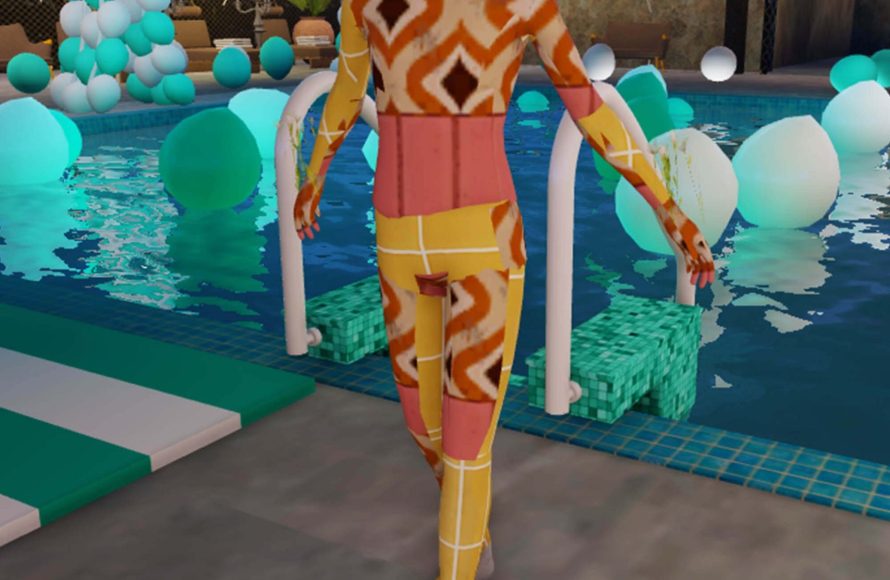
Roblox user research in virtual worlds involves directly observing and interacting with players within Roblox games to understand their behaviors, preferences, and challenges.
Imagine stepping into a vibrant, pixelated universe. That’s where we find ourselves exploring the fascinating intersection of gaming and research. Roblox user research in virtual worlds offers unique insights that simply aren’t attainable through traditional methods. We go beyond surveys and polls to actually witness player actions. It is about understanding the “why” behind the game choices people make within those digital spaces.

Roblox User Research in Virtual Worlds
Okay, imagine you’re a game maker on Roblox. You’ve built this awesome world, filled with cool characters and exciting challenges. But how do you know if players actually like it? That’s where user research comes in! It’s like being a detective, but instead of solving crimes, you’re figuring out what makes players tick in your virtual space. Think of it as a way to make your Roblox game the absolute best it can be. This isn’t just about getting more people to play; it’s about creating an experience that is fun, engaging, and keeps them coming back for more. User research in Roblox is a crucial part of making sure your game is a hit. It’s the secret ingredient to crafting virtual worlds that players adore.
Why is User Research Important in Roblox?
So, why bother with user research in the first place? Well, imagine building a giant LEGO castle without checking if the pieces fit together. It could look amazing, but it might be a total mess to actually play with! That’s what it’s like making a Roblox game without any user input. You need to know if your game is easy to understand, fun to play, and meets your players’ needs and wants. User research helps you spot problems early on and make changes before they become big issues. It also helps you understand what players love about your game, so you can focus on what is working best.
Understanding Player Behavior
User research lets you see how players really behave in your game. Do they get stuck in a certain level? Are they using items you thought would be popular? By watching players in action, you gain valuable insights. You can track things like:
- Where players go in your game world.
- How long they play for at a time.
- What items and abilities they use most.
- How they interact with other players.
This data helps you make your game more enjoyable and easier to understand. You might discover that one part of your map is confusing, or that a particular game mechanic is too hard. With this knowledge, you can make adjustments and improvements based on actual player actions, not just what you think is right.
Improving Game Design
User research directly impacts game design. It’s not just about fixing bugs; it’s about making the entire game more fun and engaging. When you collect feedback, you can focus on:
- Making the game easier to learn.
- Balancing gameplay mechanics.
- Adding features that players request.
- Refining the overall game experience.
By continually asking questions and observing behavior, you are making sure that your game keeps getting better. You are adapting and changing, using player input to directly influence your game development process.
Increasing Player Engagement
A game that listens to its players is a game that players love. User research helps create a strong connection between you and your players. By understanding what they like, you can keep them interested in your game for longer periods. More active players mean more fun for everyone, and more success for you as a game creator! Here’s how user research contributes to that:
- Adding content that players enjoy.
- Providing challenges that are engaging and rewarding.
- Building a community around your game.
- Creating an environment where players feel heard.
Happy players will spend more time in your game, which in turn makes it more successful. It’s a win-win!
Types of Roblox User Research
There are different ways to do user research in Roblox. It’s not just about asking “Do you like my game?” You need to use different methods to get the most complete picture. Let’s explore some of them.
In-Game Analytics
This is like having a secret spy inside your game that is constantly watching what players do. In-game analytics give you data on what actions players take in your game world. This data is tracked automatically, and you can often find it in your Roblox developer dashboard.
What Can In-Game Analytics Tell You?
- Play Time: How long players stay in the game during each session.
- Visit Frequency: How often players come back to play again.
- Level Completion: Which levels players are able to finish, and which they get stuck on.
- Item Usage: Which items they pick up and use, and which ones they ignore.
- Gameplay Paths: What routes players follow through your world, showing the parts of the game that are most popular.
With in-game analytics, you see clear patterns and find bottlenecks that are affecting the player’s experience. It helps you spot things you might not notice simply by playing the game yourself. Think of it like a heatmap that tells you where your game is getting hot and where it is going cold.
Surveys and Questionnaires
Surveys are a great way to ask players specific questions about their experience. You can create surveys using Roblox or third-party tools, which let you collect detailed feedback directly from players.
What to Ask in Surveys?
- Overall Enjoyment: “How much did you enjoy playing this game?”
- Specific Features: “How easy was it to understand this game mechanic?”
- Favorite Aspects: “What did you like best about this game?”
- Areas for Improvement: “What could be improved in this game?”
- Satisfaction: “How satisfied are you with your gaming experience?”
You can make your surveys more interactive by including different types of questions. Multiple choice, rating scales, and open-ended questions can help you gain a better understanding of player feelings and opinions. Think of surveys as a chance to listen directly to what your players think.
Direct Observation
This involves actually watching players while they play your game. You can do this by joining their games, or by asking them to record their gameplay. Direct observation lets you see, firsthand, how players are reacting to your game.
What to Look for During Observation
- Frustration Points: Where players get stuck or confused.
- User Interface: If players are struggling with the game’s menus or controls.
- Emotional Reactions: The player’s reactions of excitement, confusion, or boredom.
- Engagement Levels: How active and focused the players are when they are playing.
Watching players gives you a richer and deeper understanding than surveys or analytics. It lets you see subtle cues that players can’t always put into words. It’s like watching a movie and seeing the characters’ expressions, not just reading their lines.
User Interviews
User interviews are one-on-one conversations with players. These conversations help you dive deeper into their experiences, opinions, and feelings. You can ask them questions and then listen to their feedback directly.
What to Ask in Interviews?
- Personal Experiences: “Can you tell me about your first time playing the game?”
- Game Mechanics: “What are your thoughts on the game’s difficulty?”
- Overall Impressions: “How would you describe this game to a friend?”
- Suggestions: “What kind of new content would you like to see?”
Interviews give you an opportunity to dig deeper and ask follow-up questions. It allows you to understand the “why” behind player actions and preferences. Think of interviews as a chance to have a real conversation with the players.
Playtesting Sessions
Playtesting is similar to direct observation, but you are gathering a group of players to play your game at the same time. Playtesting sessions are essential for finding problems and getting a variety of opinions about your game. This method is incredibly valuable during different game development stages.
How to Conduct Playtesting Sessions?
- Select a Variety of Players: Include a mix of new and experienced players.
- Set Clear Objectives: Let the players know what you want them to test.
- Observe and Take Notes: Watch what players are doing and how they react to the game.
- Ask for Feedback: Get their opinions on different aspects of the game.
Playtesting provides a unique chance to collect feedback from several people at once. It helps you see problems and improvements you might not find on your own. Think of it like testing your game with a real audience, before it is released to everyone.
Implementing User Research Findings
Once you’ve gathered all of this data, what do you do with it? It’s time to take action! Here’s how to implement what you’ve learned from user research.
Prioritize Feedback
You may get lots of feedback, so you need to focus on the most important items first. Look for patterns, identify common problems, and prioritize the changes that are needed the most.
How to Prioritize
- Severity of the Issue: Does a problem prevent players from enjoying the game?
- Frequency of Complaints: Are many players mentioning this issue?
- Impact on Gameplay: Does the problem affect the game’s main mechanics?
- Ease of Implementation: How difficult is it to fix the problem?
Prioritizing helps you use your time and resources effectively. Start by dealing with the big problems, then move on to smaller adjustments. Think of it as addressing the most important needs first before you move to other, less important items.
Make Adjustments and Improvements
Now it is time to make changes to your game based on your research. This could mean fixing bugs, making changes to the game mechanics, or even adding new content. Here are some ways to address specific issues:
- Difficult Levels: Adjust the difficulty of challenging parts of the game.
- Confusing Elements: Clarify confusing or unclear game elements and mechanics.
- Player Requests: Add new features or content that players have requested.
- Usability Issues: Improve the user interface to make it easy to use.
Remember, this is a process of continuous improvement. You’ll likely need to make tweaks and changes again as you get more feedback. Think of this as your game getting a make-over based on player feedback.
Test Your Changes
After you make changes, it’s important to test them to make sure they worked. You can use the same user research methods to test out new adjustments to see if they improved the game for your players. Re-test often!
Why Testing Is Important
- Validate Changes: Make sure that the changes you made actually fixed the problem.
- Discover New Problems: You might find other new issues with the adjustments you made.
- Measure Player Satisfaction: Make sure players are happier with the latest changes.
- Refine Further: Continue refining your game as needed.
Testing gives you the chance to learn and improve your game constantly. It helps you make sure your changes are working well and also identify any potential new issues. Think of testing as a check-up for your game, making sure that it is in good shape.
Ethical Considerations in User Research
When doing user research, it’s really important to be ethical and respectful of your players. You are dealing with real people, and it’s important to treat them fairly. Here are some things to keep in mind.
Privacy and Data Security
Make sure that you are following all privacy rules when you are collecting data from your players. If you are collecting any personal information, make sure that you are getting their permission, and keep their data safe.
Important Points on Privacy
- Collect Only Necessary Data: Only ask for the minimum amount of information you need.
- Obtain Consent: Always ask players for their permission before recording their gameplay.
- Store Data Securely: Use secure methods to keep player data safe from unauthorized access.
- Be Transparent: Tell players how you will use their data.
Respecting player privacy is essential for building trust. Your players should feel comfortable sharing their feedback without worrying about their personal data being misused. Think of it as building a relationship built on trust.
Transparency and Honesty
Be upfront and honest with your players about your research. Explain why you are collecting data, and how you are going to use the feedback. This builds trust and encourages players to give you feedback.
How to be Transparent
- Clearly Explain the Purpose: Tell players why you are conducting user research.
- Explain How the Feedback Will be Used: Tell players how you plan to use their feedback.
- Provide Feedback: Keep players informed about how their input led to changes in the game.
- Be Respectful: Appreciate all the time and effort the players are putting into helping you.
Transparency builds strong relationships with your players. When they feel involved and heard, they are more likely to continue playing your game. This creates a good, positive feedback cycle.
Respecting Player Time
Your player’s time is valuable, so don’t waste it. Keep your surveys and interviews short, and to the point. Make it easy for players to give feedback, and remember to show your appreciation for their time.
Tips on Respecting Player Time
- Short and Simple Surveys: Keep your surveys short and easy to complete.
- Schedule Interviews Respectfully: Find a convenient time for your interviewees.
- Be Prepared: Plan out what you need to ask before you start your data collection.
- Thank Participants: Always thank players for their participation and their contributions.
Showing respect for your player’s time shows that you value them and their feedback. You want to make it enjoyable and rewarding to help you make the best game possible.
User research in Roblox is a way to understand what players really want and how they interact with your games. By using in-game analytics, surveys, direct observation, interviews, and playtesting, you can gather valuable data. Use this data to make changes to your game, always keeping ethical considerations in mind. When you continuously listen to and learn from your players, you’re not only making a better game, you’re making a more enjoyable experience for everyone involved. This ongoing process of research and improvement will help you make games that players will love, which is the goal of all Roblox game creators.
This ROBLOX game gives FREE ROBUX #roblox #shorts
Final Thoughts
Effective roblox user research in virtual worlds involves observing player actions and gathering feedback. This allows developers to understand player behavior within the game. We can use these insights to improve game design and enhance the overall user experience.
Careful planning and execution of user research are crucial for success. Analyzing the data will enable developers to create better virtual environments. Ultimately, roblox user research in virtual worlds improves player engagement.

