
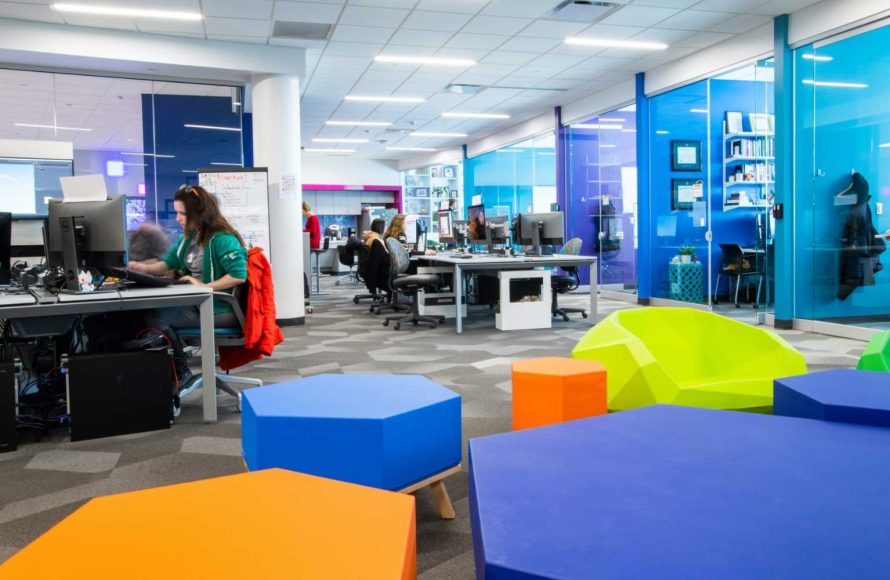
Rochester Institute of Technology game design emphasizes a blend of art, technology, and design principles to prepare students for careers in the gaming industry.
Interested in crafting the next big video game? Perhaps you’ve heard about the programs at Rochester Institute of Technology.
Rochester Institute of Technology game design offers students a comprehensive education. Students learn how to create immersive and engaging gaming experiences.
It focuses on everything from the initial concept to the final product. This includes art, programming, and the overall design process.

Rochester Institute of Technology Game Design
RIT’s game design program is consistently ranked among the best in the world. The program offers a comprehensive education in all aspects of game development.
Students learn about design, art, programming, and production. They also collaborate on real-world projects.
RIT’s Game Design Programs: An Overview
RIT offers both undergraduate and graduate programs in game design and development. These programs cater to different skill levels and career aspirations.
The undergraduate program focuses on a broad foundation in game development principles. The graduate program allows for specialization in specific areas.
Undergraduate Game Design and Development (BS)
The BS in Game Design and Development is a flagship program at RIT. It provides a strong technical foundation in game creation.
Students gain expertise in programming, art, and design. This prepares them for diverse roles in the game industry.
Curriculum Highlights
The curriculum is designed to be both rigorous and relevant. It emphasizes hands-on learning and project-based work.
Students complete core courses in programming, game design, and art. They also choose electives to specialize in areas of interest.
- Game Programming: Learn C++, C#, and scripting languages commonly used in game development.
- Game Design Principles: Study level design, game mechanics, player psychology, and game balancing.
- Game Art & Animation: Develop skills in 2D and 3D art creation, character design, and animation.
- Game Production: Learn project management, teamwork, and the software development lifecycle in a game context.
Capstone Projects
A capstone project is a major component of the undergraduate program. Students work in teams to develop a complete game from concept to completion.
This experience simulates the real-world challenges of game development. It provides a valuable portfolio piece for graduates.
Graduate Game Design and Development (MS)
The MS in Game Design and Development at RIT is for students seeking advanced knowledge. It is designed for those looking for leadership roles in the industry.
It provides a deep dive into specialized areas of game development. This program allows for focused research and development.
Specialization Options
Graduate students can choose to specialize in areas such as game technology. They can also focus on game design or game art.
This specialization allows for a tailored educational experience. It meets individual career goals.
- Game Technology: Focus on advanced programming techniques, AI, and game engine development.
- Game Design: Explore advanced game mechanics, narrative design, and player experience design.
- Game Art: Specialize in advanced 3D modeling, animation, visual effects, and technical art.
Thesis or Project Option
Graduate students can choose to complete a thesis or a project. The thesis option involves original research. The project option involves developing a significant game or game-related product.
Both options provide valuable experience and demonstrate expertise. They prepare students for advanced roles in the game industry.
RIT’s Game Design Faculty
RIT’s game design faculty are industry veterans and experienced academics. They bring a wealth of knowledge and experience to the classroom.
The faculty are committed to providing students with a high-quality education. They mentor students and prepare them for successful careers.
Faculty Expertise
The faculty’s expertise spans all aspects of game development. This includes programming, design, art, and production.
They are active in research and development. They stay up-to-date with the latest trends and technologies.
- Programming Experts: Proficient in C++, C#, Unreal Engine, Unity, and other industry-standard tools.
- Design Gurus: Experienced in level design, game mechanics, player experience, and narrative design.
- Artistic Visionaries: Skilled in 2D and 3D art, animation, character design, and visual effects.
RIT’s Game Design Facilities and Resources
RIT offers state-of-the-art facilities and resources for game design students. These resources support hands-on learning and project-based work.
The facilities include dedicated game development labs. They also include art studios and motion capture studios.
Game Development Labs
The game development labs are equipped with high-performance computers. They also have industry-standard software.
These labs provide students with the tools they need. They help students create cutting-edge games.
Art Studios
The art studios provide a creative space for students to develop their artistic skills. They are equipped with drawing tablets, sculpting tools, and other art supplies.
These studios foster collaboration and creativity. They allow students to experiment and refine their artistic techniques.
Motion Capture Studio
The motion capture studio allows students to capture and integrate realistic animations. It uses industry-standard motion capture technology.
This studio is a valuable resource for students working on character animation. It enhances realism in their games.
The RIT Game Design Community
RIT has a vibrant game design community. This provides students with opportunities to network and collaborate.
The community includes student clubs, game jams, and industry events. These activities foster a supportive and collaborative environment.
Student Clubs
Several student clubs at RIT focus on game design. These clubs provide opportunities for students to connect with like-minded individuals.
They organize workshops, game jams, and other events. These activities enhance the learning experience.
Game Jams
RIT hosts several game jams throughout the year. These events challenge students to create a game in a short period.
Game jams are a fun and intense learning experience. They promote creativity, teamwork, and problem-solving skills.
Industry Events
RIT hosts industry events. This allows students to network with professionals.
These events provide opportunities to learn about the latest trends and technologies. They also help students find internships and jobs.
RIT Game Design Alumni Success Stories
RIT game design alumni have gone on to successful careers. They work at leading game companies.
They also have launched their own independent studios. They are making a significant impact on the game industry.
Alumni at Major Game Companies
RIT alumni work at companies like Activision, Blizzard, and Electronic Arts. They contribute to the development of popular games.
Their success is a testament to the quality of the RIT game design program. It highlights the skills and knowledge that students acquire.
Independent Game Developers
Many RIT alumni have launched their own independent game studios. They have released successful indie games.
Their entrepreneurial spirit and creative vision have led to critical acclaim. They also enjoy commercial success.
How to Apply to RIT’s Game Design Program
Applying to RIT’s game design program requires careful preparation. Applicants must meet specific academic requirements.
They also need to submit a portfolio showcasing their skills and experience.
Admission Requirements
Applicants must have a strong academic record. They must also demonstrate a passion for game design.
Specific requirements may vary depending on the program. It’s important to review the admission requirements on the RIT website.
Portfolio Submission
A portfolio is a critical component of the application. It showcases the applicant’s skills and experience in game design.
The portfolio should include examples of game design work, art, and programming. It should also demonstrate creativity and technical skills.
Comparing RIT’s Game Design Program to Other Top Schools
RIT’s game design program is consistently ranked among the best. It is often compared to other top schools.
These include USC, NYU, and Carnegie Mellon. Each program has its strengths and weaknesses.
RIT vs. USC
USC’s game design program is known for its strong industry connections. RIT’s program is known for its strong technical foundation.
Both programs offer excellent opportunities for students. The best choice depends on individual preferences and career goals.
RIT vs. NYU
NYU’s game design program emphasizes artistic expression and experimental game design. RIT’s program focuses on practical skills and industry readiness.
Both programs provide a unique educational experience. The best choice depends on the student’s creative interests.
RIT vs. Carnegie Mellon
Carnegie Mellon’s game design program is known for its interdisciplinary approach. It combines computer science, art, and design.
RIT’s program offers a more focused approach on game design and development. Both programs are highly respected.
The Future of Game Design at RIT
RIT is committed to continuing to improve its game design program. It aims to stay at the forefront of the industry.
Future plans include expanding the curriculum and adding new resources. RIT will adapt to the evolving needs of the game industry.
Curriculum Enhancements
RIT plans to enhance its curriculum. It will incorporate new technologies and industry trends.
This ensures that students are well-prepared for the future. They will possess the skills and knowledge to succeed in the game industry.
New Resources and Facilities
RIT plans to invest in new resources and facilities. These will support the game design program.
This includes new game development labs, art studios, and motion capture equipment. These investments will enhance the student learning experience.
RIT’s Relationship with the Game Industry
RIT has strong relationships with game industry companies. These relationships provide students with valuable opportunities.
They include internships, co-ops, and industry projects. They prepare students for their future careers.
Internship and Co-op Opportunities
RIT’s game design program offers numerous internship and co-op opportunities. Students can gain real-world experience.
These experiences provide students with valuable insights. They network with industry professionals.
Industry Projects
RIT partners with game industry companies on various projects. These projects provide students with hands-on experience.
They work on real-world game development challenges. This prepares them for the demands of the industry.
RIT Game Design: Beyond the Classroom
RIT’s game design experience extends beyond lectures and labs. Students actively participate in events and collaborations.
These activities build a strong portfolio and industry network. They enhance career prospects.
Global Game Jam Participation
RIT students frequently participate in the Global Game Jam. It is a worldwide event where teams create games in 48 hours.
This participation fosters creativity and teamwork. It provides a challenging and rewarding experience.
Student Showcase Events
RIT hosts student showcase events. These events display student game projects.
These showcases allow students to present their work. They get feedback from faculty, industry professionals, and peers.
Game Design at RIT: Preparing Students for Success
RIT’s game design program focuses on preparing students. It makes them successful in the competitive game industry.
It emphasizes both technical skills and creative problem-solving. This comprehensive approach sets graduates apart.
Emphasis on Teamwork and Collaboration
Game development is a collaborative process. RIT’s curriculum emphasizes teamwork.
Students work on projects in teams. They learn to communicate effectively.
Developing a Strong Portfolio
A strong portfolio is essential for game design graduates. RIT’s program helps students develop a compelling portfolio.
This showcases their skills. It demonstrates their experience to potential employers.
Game On! RIT Degree Programs in Game Design and Development
Final Thoughts
In conclusion, the immersive curriculum and hands-on experience that the program offers are key aspects. The collaborative environment and the faculty mentorship you will receive helps you thrive.
A commitment to innovation and industry relevance shapes the program into something special. That’s why considering Rochester Institute of Technology Game Design for your future is something you must do.

