
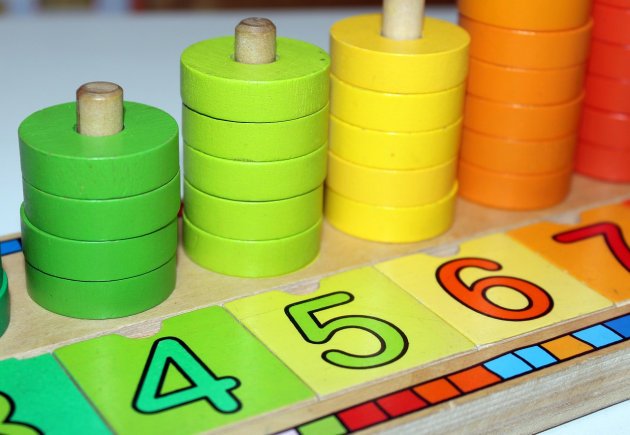
`Rote counting games` are activities designed to help children memorize the sequence of numbers, typically by reciting them aloud.
Have you ever watched a toddler proudly rattle off “one, two, three, four,” even if they don’t quite grasp what those numbers represent? That’s rote counting in action!
It’s more than just reciting; it’s the foundation upon which all other math skills are built.
These simple `rote counting games` offer a playful way to cement these essential skills. Let’s explore how to make learning numbers fun.

Rote Counting Games: A Comprehensive Guide
Rote counting games are a fun and foundational way to introduce young children to the world of numbers. These games focus on memorizing the sequence of numbers. They are a crucial first step in developing mathematical understanding.
What is Rote Counting?
Rote counting simply means reciting numbers in order from memory. It’s the ability to say “one, two, three, four…” without necessarily understanding what those numbers represent.
While it may seem basic, rote counting is an essential building block for more complex mathematical concepts. It lays the groundwork for number sense. It also aids in developing an understanding of quantity.
Benefits of Rote Counting Games
Rote counting games offer a multitude of benefits for young learners. They go beyond just memorizing numbers.
Improved Number Recognition: Repeatedly reciting numbers helps children recognize and remember them. They become more familiar with the visual and auditory representations of each number.
Enhanced Memory Skills: Rote counting relies heavily on memory. It strengthens a child’s ability to recall and sequence information.
Foundation for Mathematical Concepts: Rote counting provides a solid foundation for more advanced mathematical skills. These skills include addition, subtraction, and problem-solving.
Increased Confidence: As children master rote counting, they gain confidence in their mathematical abilities. This boosts their overall learning experience.
Types of Rote Counting Games
There are many different types of rote counting games that you can play with children. These games cater to various learning styles and preferences.
Verbal Rote Counting Games
These games involve reciting numbers aloud. They are often the simplest and most accessible way to introduce rote counting.
Simple Recitation: This involves simply counting aloud from one to a specific number. You can start with smaller numbers like 1 to 5 and gradually increase the range.
Counting in Different Voices: To add some fun, try counting in different voices. This could include a whisper, a shout, or an animal sound for each number.
Counting with Actions: Combine counting with actions like clapping, stomping, or jumping. This helps make the activity more engaging and memorable.
Visual Rote Counting Games
These games use visual aids to help children count. They can be particularly helpful for visual learners.
Number Charts: Use a number chart or poster to point to each number as you count. This helps children associate the spoken number with its written form.
Flashcards: Create flashcards with numbers on them. Show each card as you count, encouraging children to repeat the number.
Counting Objects: Use everyday objects like toys, blocks, or fruits to count. Arrange the objects in a line and point to each one as you count.
Movement-Based Rote Counting Games
These games incorporate physical activity. They are great for children who need to move around while learning.
Counting Steps: Count the number of steps as you walk or climb stairs. This helps children connect counting with real-world movement.
Jumping Jacks: Do jumping jacks while counting aloud. This combines physical activity with rote counting practice.
Hopscotch: Play hopscotch and count the numbers on each square. This makes rote counting a part of a fun and active game.
Interactive Rote Counting Games
These games involve interaction and participation from the child. They help maintain engagement and make learning more fun.
Call and Response: Say a number and have the child repeat it. This encourages active participation and reinforces number recognition.
Counting Songs: Sing counting songs like “One, Two, Buckle My Shoe” or “Ten Little Indians.” These songs make rote counting fun and memorable.
Board Games: Adapt board games to incorporate rote counting. For example, count the spaces as you move your game piece.
Rote Counting Games for Different Age Groups
The types of rote counting games you choose should be appropriate for the child’s age and developmental level. What works for a preschooler may not be suitable for a kindergartener.
Toddlers (Ages 2-3)
At this age, focus on introducing the concept of counting. Keep the numbers small, generally up to 5 or 10.
Simple Recitation with Objects: Count small groups of toys or snacks together. This helps toddlers connect numbers with quantity.
Counting Songs with Actions: Sing simple counting songs while performing related actions. For example, clap your hands to the beat while counting.
Flashcards with Large Numbers: Use large, colorful flashcards to introduce numbers visually. Focus on repetition and simple recognition.
Preschoolers (Ages 3-5)
Preschoolers can typically count to higher numbers, up to 20 or even 30. They are also starting to understand the concept of one-to-one correspondence.
Counting Games with Manipulatives: Use manipulatives like beads, blocks, or counters to practice counting. Focus on matching each object with a number.
Counting Books: Read counting books together and point to each number as you read. This helps reinforce number recognition and sequencing.
Number Puzzles: Use number puzzles to help children learn the order of numbers. These puzzles can be a fun and engaging way to practice rote counting.
Kindergarteners (Ages 5-6)
Kindergarteners are usually able to count to 100 and understand the concept of place value. They are also starting to learn about addition and subtraction.
Counting to 100: Practice counting to 100 in increments of one, five, and ten. This helps build fluency and understanding of number patterns.
Skip Counting Games: Introduce skip counting by 2s, 5s, and 10s. This lays the groundwork for multiplication and division.
Number Line Activities: Use a number line to practice counting and understanding number relationships. You can use a number line to play games like “hop to the number.”
Making Rote Counting Games Engaging
It’s important to make rote counting games fun and engaging for children. If they are not enjoying the activity, they are less likely to learn and retain the information.
Use a Variety of Games: Mix up the types of games you play to keep things interesting. Don’t stick to the same activity every time.
Incorporate Movement and Actions: Add physical activity to make the games more engaging. This can help children burn energy and stay focused.
Make it a Game: Turn rote counting into a game with rules, rewards, and challenges. This can motivate children to participate and learn.
Use Positive Reinforcement: Praise and encourage children as they learn. This helps build their confidence and motivates them to continue learning.
Keep it Short and Sweet: Don’t try to do too much at once. Keep the games short and focused to avoid overwhelming children.
Common Mistakes to Avoid in Rote Counting Games
There are some common mistakes that parents and educators make when teaching rote counting. Avoiding these mistakes can help children learn more effectively.
Focusing Solely on Rote Counting: While rote counting is important, it’s crucial to also teach the concept of one-to-one correspondence. Children need to understand that each number represents a specific quantity.
Moving Too Quickly: Don’t rush children to count to higher numbers before they have mastered the basics. Make sure they understand the numbers from 1 to 10 before moving on.
Not Making it Fun: If rote counting is boring and repetitive, children will quickly lose interest. Make sure the games are engaging and enjoyable.
Ignoring Individual Differences: Every child learns at their own pace. Be patient and adjust your teaching methods to meet their individual needs.
Rote Counting Games and Number Sense
Rote counting is a crucial first step. However, it is only one aspect of developing strong number sense.
Number sense refers to a child’s intuitive understanding of numbers. It includes the ability to estimate, compare quantities, and understand number relationships.
Connecting Rote Counting to Quantity: Help children connect rote counting to the actual quantity each number represents. Use objects to illustrate the meaning of each number.
Introducing Number Relationships: Teach children about number relationships, such as “one more than” and “one less than.” This helps them understand how numbers relate to each other.
Encouraging Estimation: Ask children to estimate the number of objects in a group before counting. This helps them develop their intuitive understanding of quantity.
Examples of Rote Counting Games in Everyday Life
Rote counting can be incorporated into many everyday activities. This helps children practice their skills in a natural and engaging way.
Counting Steps While Walking: Count the steps as you walk to the park or to school. This helps children connect counting with real-world situations.
Counting Toys While Cleaning Up: Count the number of toys as you put them away. This makes cleaning up more fun and educational.
Counting Snacks While Eating: Count the number of crackers or grapes as you eat them. This helps children practice counting while enjoying a snack.
Advanced Rote Counting Games
For children who have mastered basic rote counting, you can introduce more advanced games. These games will challenge them further and help them develop their number sense.
Counting Backwards: Practice counting backwards from a given number. This helps children understand the concept of subtraction.
Skip Counting with Larger Numbers: Introduce skip counting by larger numbers, such as 3s, 4s, 6s, and 8s. This builds a foundation for multiplication.
Counting in Different Languages: Learn to count in a different language. This is a fun and engaging way to expand children’s knowledge and understanding.
Resources for Rote Counting Games
There are many resources available to help you find rote counting games and activities. These resources can provide inspiration and support for your teaching efforts.
Online Websites: Many websites offer free rote counting games and activities. These websites can be a great source of ideas and inspiration.
Educational Books: There are many educational books that focus on rote counting and number sense. These books can provide valuable information and activities.
Teacher Resources: Teachers often have access to a variety of rote counting games and materials. Consult with a teacher for additional resources and ideas.
Apps and Software: Many apps and software programs offer interactive rote counting games. These programs can be a fun and engaging way for children to learn.
The Role of Parents in Rote Counting Games
Parents play a crucial role in helping children learn to count. Creating a supportive and engaging learning environment is key.
Making Learning Fun: Parents can make learning fun by incorporating games and activities into everyday life. This helps children develop a positive attitude towards math.
Providing Encouragement: Parents can provide encouragement and support to help children build confidence. This motivates them to continue learning and improving.
Creating a Math-Rich Environment: Parents can create a math-rich environment by pointing out numbers and shapes in the world around them. This helps children see the relevance of math in their daily lives.
Rote Counting vs. Rational Counting
It is important to differentiate between rote and rational counting. These are two different, but related, concepts.
Rote counting, as we’ve discussed, is simply reciting numbers in order. It is about memorization.
Rational counting involves understanding the value of each number. It connects the numeral with a specific quantity.
For example, a child might be able to rote count to ten. However, they might not understand that “five” represents a group of five objects. This is rational counting.
Ideally, rote counting should lead to rational counting. Games and activities can help bridge this gap.
Turning Rote Counting into Number Sense Activities
It’s important to actively turn rote counting into number sense activities. This reinforces the true meaning of numbers.
Here are some suggestions:
One-to-One Correspondence: Always pair counting with physical objects. Have children touch each object as they count to physically link the numeral to the quantity.
Subitizing: Briefly show children small groups of objects (2-5). Encourage them to instantly recognize the quantity without counting. This builds instant number recognition.
“How Many More?” Questions: After counting a set of objects, ask “How many more do we need to make ten?” This promotes early addition and subtraction skills.
Number Line Activities: Use a number line to visualize the relative position of numbers. Ask questions like, “Which number is bigger, 6 or 8? How do you know?”
Rote Counting in Special Education
Rote counting can be particularly beneficial for children with special needs. It provides a structured and repetitive way to learn basic number skills.
Adaptations might be needed to make the games accessible. Use visual aids, tactile materials, and simplified instructions.
Individualized Education Programs (IEPs) often include rote counting goals. This helps track progress and ensure that the child is receiving appropriate support.
Patience and positive reinforcement are especially important. Celebrate small successes and focus on building confidence.
Assessing Rote Counting Skills
It’s important to assess a child’s rote counting skills to track their progress. This helps identify areas where they may need additional support.
Direct Observation: Simply observe the child as they count. Note any errors they make or numbers they skip.
Counting Games: Play counting games and observe how the child performs. This provides a more natural and engaging way to assess their skills.
Verbal Assessments: Ask the child to count aloud from a specific number. This helps assess their ability to count fluently and accurately.
Remember to focus on progress and celebrate achievements. This helps create a positive learning environment.
What Is Rote Counting? (9 Games To Teach It)
Final Thoughts
In essence, rote counting games build a strong foundation for early math skills. They promote number recognition and sequencing. These activities are engaging and simple.
Rote counting games help children grasp the order of numbers. Regular practice will support number sense. Early exposure supports later math proficiency.
Ultimately, rote counting games are effective tools for developing early numeracy. Use these games to make learning fun and intuitive for your child.

