
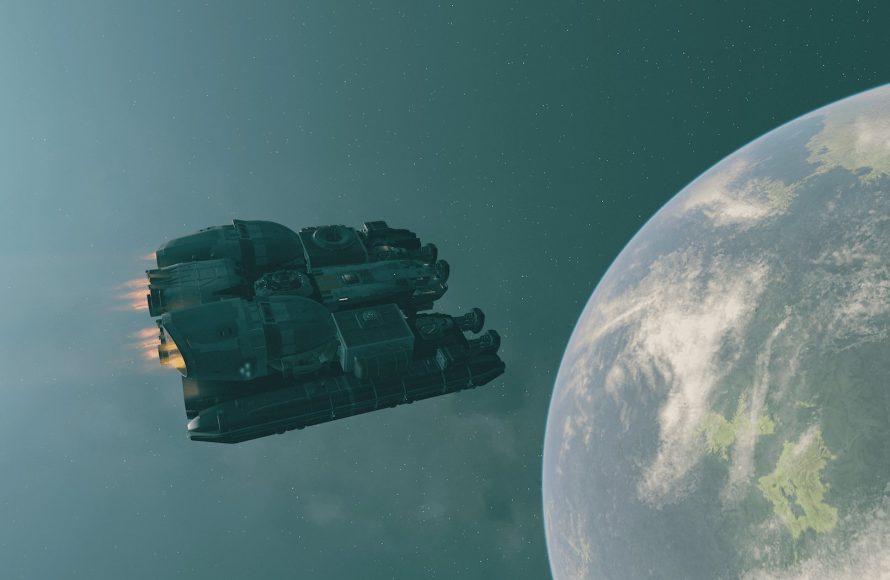
Before starting Starfield, it’s crucial to understand character creation, factions, and resource management, which heavily influence your gameplay experience.
Ready to jump into the cosmos? We’ve compiled the essential info for you. Before you begin your adventure, there are some core aspects of Starfield all you need to know before starting. This game offers a vast universe with intricate systems.
Understanding these systems will significantly impact your playthrough. This includes how you create your character and navigate the game’s factions. Resource management is also something you will need to learn.

Starfield All You Need to Know Before Starting
So, you’re about to jump into the vast universe of Starfield! That’s awesome! It’s a huge game with tons to see and do, so it’s smart to get a little heads-up before you start your space adventure. This guide will help you understand the key things you should know, making your first hours in Starfield much smoother and more fun.
Understanding the Starfield Universe
Starfield takes place in the year 2330. Humanity has spread throughout the galaxy, settling on various planets. You’ll be part of this intergalactic world as a new member of Constellation, a group of space explorers seeking answers to the universe’s greatest mysteries. Before you go, it’s helpful to understand the basic layout of this universe.
Key Factions in the Settled Systems
You’ll encounter different groups of people and organizations while you play. Each has its own goals and personality, and your choices can affect how these groups see you. Here are some of the most important:
- Constellation: This is the group you’ll join early in the game. They are explorers, scientists, and historians dedicated to understanding the universe’s secrets. They’re the main reason your adventure begins.
- United Colonies (UC): Think of them as the main government of the Settled Systems. They are a powerful military and political force, focused on maintaining order and their version of peace. You’ll likely have to work with them at points during the game, but you won’t need to join to experience the core story.
- Freestar Collective: This is a group of independent settlers who value freedom and individual rights. They live in a more lawless area of space. There is a possibility of interacting with them, as they aren’t a faction you have to join to complete the game’s story.
- Crimson Fleet: This is a group of space pirates that are not friendly. They raid, steal and cause a lot of trouble. You will have the option to interact with them, but it’s not going to be the safest choice.
Character Creation: Your First Big Choice
Right at the start, you get to create your own space adventurer. This is more than just looks; it affects how you play the game. It’s important to put a little thought into it. Here’s a quick guide to help you.
Backgrounds
Your background is like your character’s starting point. It provides you with three starting skills that can be useful in combat, exploration, or social interactions. Here are a few examples:
- Bounty Hunter: Starts with piloting skills and some combat skills, making you a deadly pursuer.
- Explorer: Starts with skills related to surveying and scanning planets, perfect for discovering new places.
- Diplomat: Starts with speech and persuasion skills, helpful for talking your way out of trouble.
Traits
Traits add more personality to your character. They can give you both benefits and drawbacks. Here’s the cool part – you get to select up to three. However, be aware that some might come with a bit of a challenge.
- Introvert: When you travel alone, your character gets more endurance. The drawback? They are less effective when traveling with companions.
- Taskmaster: Your crew automatically repairs your ship, but they get cranky and unhappy from time to time.
- Kid Stuff: Your parents are still alive and you can visit them at any time. The drawback? You have to send them money every week.
Choose traits carefully based on your desired playstyle.
Skills and Progression
Skills are how your character gets better in Starfield. Every time you level up, you earn a skill point you can use to purchase new or upgrade existing skills. It’s a very good idea to think about the skills you need.
Skill Categories
Skills are divided into five categories:
- Physical: Skills that improve your health, endurance, and melee abilities.
- Social: Skills that enhance your speech, persuasion, and intimidation abilities.
- Combat: Skills related to different weapon types and tactics.
- Science: Skills for research, medicine, and building things.
- Tech: Skills for piloting, ship repairs, and crafting.
Early in the game, focusing on a few key skills will be more helpful than trying to learn everything at once.
How to Earn Skill Points
- Leveling Up: The primary way to gain skill points. You gain experience from fighting enemies, completing missions, and exploring.
- Completing Challenges: You can unlock more skills or boost current skills by finishing certain challenges.
Prioritizing Skills
Some skills are more useful at the beginning of the game, so focusing on them is a great idea:
- Lockpicking: A very useful skill for getting into locked areas and grabbing extra loot.
- Boost Pack Training: Helps you traverse areas and gain tactical advantages during combat.
- Persuasion: Very valuable for resolving conflicts peacefully and getting better outcomes from dialogues.
Ship Combat and Customization
Your ship is your home in Starfield. It’s how you travel between planets, fight in space, and store all your gear. Getting comfortable with ship mechanics is very important.
Space Combat
Ship combat is a big part of the game, so be sure to become a good pilot. Here’s what you should know:
- Targeting: Lock onto enemy ships before firing. Use your ship’s systems to target specific components on your enemy’s ship for more effective results.
- Shields and Weapons: Pay attention to your ship’s shield power and weapon types. Some weapons are better against shields, others against hulls.
- Maneuvering: Use your boosters and thrusters to dodge enemy fire. Practice makes perfect, so don’t be afraid to get into a few scrapes early on.
Ship Customization
You can customize your ship to your liking. This includes adding new parts, changing the looks, and upgrading components to boost the ship’s performance.
- Ship Builder: You’ll be able to use the ship builder to modify parts, add weapons, and change the looks.
- Upgrades: Keep an eye out for better engines, shields, and weapons as you explore. These can be purchased from ship technicians in major settlements.
- Cargo Hold: As you gather more resources, you’ll need to upgrade your cargo space. Don’t forget to upgrade your cargo hold to store more items.
Exploration and Resource Gathering
Starfield’s universe is full of planets to explore. Each planet offers different resources, creatures, and challenges. Being a good explorer is very valuable in this game.
Scanning and Surveying
Scanning planets and creatures is important to gather data and resources. This process is vital for crafting and building.
- Scanner Tool: Use your scanner to identify plants, animals, and resources.
- Surveying Planets: To fully survey a planet, you will need to find multiple samples and complete challenges, which can earn you valuable experience and money.
- Resource Gathering: Collect raw materials found on planets to build settlements, weapons, and other useful items.
Outposts and Settlements
You can build outposts on various planets to establish a base of operations. These outposts can serve a multitude of purposes, including mining resources or establishing trade networks.
- Building Modules: Create structures for resource gathering, crafting, and storage.
- Hiring Crew: You can hire crew members to manage your outposts.
- Linking Outposts: Connect different outposts to create more complex production systems.
Quests and Missions
Starfield is filled with quests and missions to keep you entertained. Understanding how they work is important for getting the most out of your time in the Settled Systems.
Main Story Quests
These are the main quests that drive the game’s plot. They will lead you to various new locations and give a good explanation of the mysteries around them.
Side Quests
There are many side quests that add more depth to the game world. Many of these provide unique experiences, rewards, and stories.
Faction Quests
Each faction in Starfield has its own set of quests that will let you get more involved with the story and earn unique rewards. Joining a faction can open up new opportunities and quests.
Mission Board Quests
You can find mission boards on various planets and space stations, offering small side quests such as cargo runs or bounty hunts. These are great for quick rewards and experience.
Combat Mechanics
Whether you prefer fighting face-to-face or from a distance, it’s good to understand the basics of combat in Starfield.
Weapon Types
There is a wide variety of weapons to choose from, and you need to find the right one to fit your playstyle.
- Ballistic Weapons: Use bullets and require ammunition.
- Laser Weapons: Fire energy beams and work great against shields.
- Melee Weapons: For close-quarters combat, but you need to get close to use these.
- Special Weapons: Unique weapons that can do massive amounts of damage and are rare to find.
Tactical Considerations
Combat in Starfield involves more than just shooting. Think about these key points:
- Cover: Use cover to avoid damage and recharge your shield.
- Boost Pack: Use your boost pack to move around quickly during combat or jump to different elevations to gain a tactical advantage.
- Environmental Hazards: Watch out for explosive barrels or other environmental hazards that can harm you.
Inventory Management
Managing your inventory can be tricky in Starfield. Here’s what you need to know to stay organized.
Weight and Capacity
Everything you carry takes up space and weight. Manage it wisely to avoid becoming encumbered.
- Overencumbered: When you carry too much, you become overencumbered, which slows you down and uses up your oxygen faster.
- Storage: Use your ship’s cargo hold and outpost storage containers to keep items organized and lighten your load.
- Perks: Some skills will help you carry more weight. If you’re finding yourself getting overencumbered, you can focus on leveling up those skills.
Item Categories
Different types of items include:
- Weapons: Guns, melee weapons, and other instruments of destruction.
- Apparel: Space suits, helmets, and other clothing.
- Resources: Raw materials used for crafting and building.
- Aid: Food, drinks, and medicines.
- Miscellaneous: Notes, data, and other items.
Companions and Crew
You can have companions join you on your journey. They can provide combat support, assist with ship operations, and offer unique insights.
Hiring Companions
You can recruit crew members from different places.
- Constellation Members: The members of Constellation are one of your first companions. They are a good fit for combat and general adventuring.
- Local Bars: Visit bars in different areas of the game, where you can find other companions to hire.
Companion Perks and Abilities
Each companion has unique skills and abilities that can help your character in different ways.
- Combat Skills: Some companions are better fighters, while others are more suited for ship duties.
- Ship Skills: Some companions will provide special bonuses to your ship’s systems.
- Personal Quests: Some companions have their own personal stories and quests, which you can complete alongside them.
Tips for Starting Strong
Before you jump into Starfield, remember these last few things:
- Take Your Time: Don’t rush through the game. Take your time to enjoy the story, exploration, and combat system.
- Explore Thoroughly: Check each corner of every new area you discover, you can always find something useful.
- Talk to People: Talking with people will often provide new information, side quests, and items.
- Experiment with Different Playstyles: Starfield is versatile, so try different weapons, combat tactics, and skill combinations to see what works best for you.
- Save Regularly: The game might have its bugs so remember to save frequently to avoid losing progress.
With these tips, you should be more than ready to start your adventure in Starfield. Get ready to explore the cosmos, meet amazing people, and have a fun time! Enjoy your journey and have a safe flight!
Starfield Guide: 15 Things You NEED To Do First
Final Thoughts
So, you must pick a background that aligns with your desired playstyle. Character creation choices impact your initial skills. Exploration and side quests form a vital part of progression.
Remember, crafting is essential; gathering resources becomes a must. Combat encounters vary greatly. Don’t neglect your ship’s capabilities.
In short, ‘Starfield all you need to know before starting’ involves understanding character creation, exploration, crafting, and combat. These elements directly influence your early game.

