
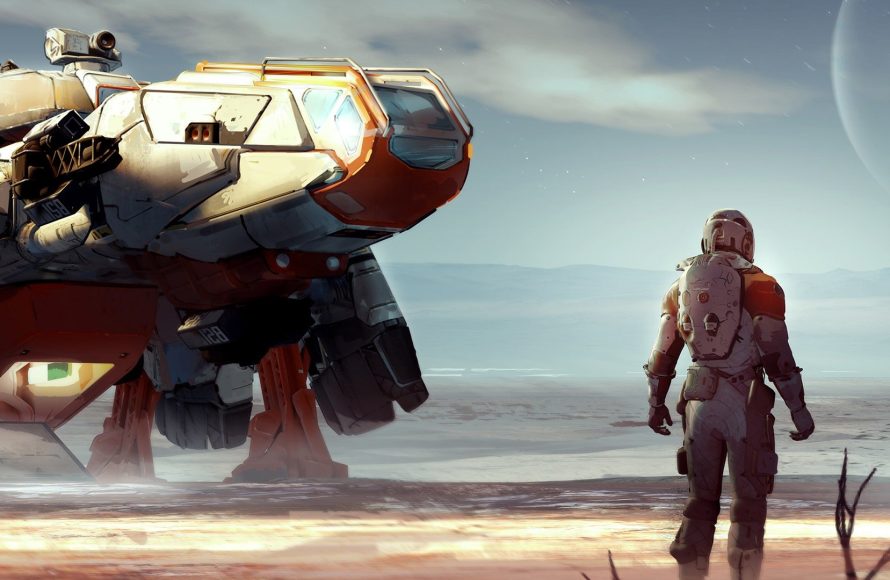
The artistic choices behind Starfield emphasize a grounded, “NASA-punk” aesthetic, combining realistic technology with retro-futuristic design to evoke a sense of exploration and wonder.
Exploring the vast expanse of space in a video game requires more than just technical prowess. The Starfield artistic choices behind the game play a vital role in drawing players into its world. Developers carefully crafted a unique visual style.
This particular style blends familiar tech with a touch of imagined future. This approach creates an inviting universe for players. These design elements encourage players to explore.

Starfield Artistic Choices Behind the Game
Have you ever played a game and felt like you were actually there, in that world? That’s because the people who make games put a lot of thought into how things look and feel. It’s not just about making something that’s pretty; it’s about crafting an entire experience. Starfield, the big space adventure game, is a fantastic example of this. The artists and designers working on this game made many careful choices about the colors, shapes, and even the tiny details you might not notice right away. Let’s dive into these artistic choices and see how they build the amazing world of Starfield.
The “Nasa-Punk” Aesthetic
One of the first things you might notice about Starfield is its unique style, often called “Nasa-punk”. What does that even mean? Well, it’s a mix of realistic, grounded technology inspired by real space exploration, and a touch of gritty, lived-in design. Think of it like the equipment astronauts use, but after they’ve been out in space for a while. It’s not shiny and perfect; it shows signs of wear and tear, which makes the world feel more believable.
Realism with a Touch of Imagination
The “Nasa” part comes from taking inspiration from real-world space agencies. You’ll see ships and habitats that look like they could actually exist in the near future. They use materials and designs that aren’t too far-fetched, grounding the game in a sense of plausibility. But then, the “punk” part kicks in. This means that things aren’t always pristine. You’ll see scratched paint, exposed wires, and a general sense that these aren’t brand-new toys, but tools that have been used and maintained by the characters living in this universe. This mix makes the game feel both familiar and fantastical at the same time.
- Functional Designs: Spaceships have visible thrusters and panels, and habitats look like they could realistically keep people alive.
- Used and Maintained Look: The equipment and environments look like they have been used and repaired, which builds a sense of history.
- Color Palettes: You’ll see a lot of earthy tones mixed with metal colors, further reinforcing the blend of realism and a somewhat worn-out aesthetic.
Environmental Storytelling Through Art
The way the environments in Starfield look tells a story all its own. It’s not just about pretty landscapes; each planet, city, and space station is designed to communicate something about its history, culture, and purpose.
Varied Planets
The team made a lot of effort to give each planet a distinct visual identity. They range from barren, rocky worlds to lush, vibrant ecosystems and bustling cityscapes. The choice of colors, the types of plants, and the way the light interacts with the environment – all of these things create a unique sense of place. For example, a desolate, icy planet would use cool, muted colors to give the player a sense of isolation and danger. This attention to detail makes each planetary exploration feel new and different.
City Design and Social Hierarchies
Even the cities tell stories through their layouts. You’ll see that wealthy neighborhoods have sleek, modern architecture, while more industrial areas look more cluttered and functional. This design helps show players about the social structures within each settlement. The buildings are not just for show, they’re visual clues about the people who live there and how they run their societies.
- Color Coding: Use of color palettes to signal the kind of area you are in, and the potential social class that dominates.
- Architectural Styles: Buildings are carefully designed to show off the different cultures and groups.
- Atmosphere and Lighting: How light and shadow are used plays a big part in creating the mood of each place.
Character Design: Showing Personality Through Visuals
The characters you meet in Starfield are not just avatars; they have distinct appearances that hint at their personalities and backstories. The designers put a lot of thought into how each character looks, from their clothing to their facial features.
Diverse Appearances
The team worked hard to create a diverse cast of characters. They didn’t want everyone to look the same. Different facial structures, hairstyles, and body types help make the world feel more real and inclusive. It also means you can tell at a glance a lot about a person, based on where they are from, or what their job is.
Clothing and Equipment
What a character wears says a lot about them. Scientists have lab coats, space pirates are in rugged gear, and wealthy citizens sport elegant outfits. The specific styles and colors for each set of clothes help tell a story about who that person is and what their role is in the world. This level of detail helps the game feel like a living, breathing world.
- Clothing Styles: Every group of characters has a distinct style that reflects their role in the game, for example, space explorers and civilians.
- Facial Features and Details: The team made sure to include lots of different looking characters, to make sure that no two are too much the same.
- Character Customization: Giving players the option to personalize their character to their liking, this makes them feel more involved in the world.
User Interface (UI) and Experience (UX)
It’s not just the environments and characters; the way you interact with the game, the menus, and the information presented on-screen are also carefully designed. This is about making the game easy to use and enjoy.
Clear and Functional Design
The team wanted to make sure that important information is always easy to find. The menus are simple, and the fonts are easy to read. It’s all about making the game feel intuitive, so you’re spending more time exploring and less time fighting with the interface. This contributes to a smooth and immersive gameplay.
Immersive HUD
Even the heads-up display, or HUD, which is all the information displayed on the screen while you play, is designed to be part of the world. It’s not just a set of numbers and symbols stuck onto the screen; it integrates with the game’s look and feel. This enhances the experience without pulling you out of the game’s world.
- Ease of Navigation: Simple, well-organized menus and systems that are very accessible for all.
- Readability: Choosing clear fonts and layouts so that players can quickly understand everything they see.
- Integration with the Game World: Designing interfaces that feel like they belong in the game world, rather than just being stuck over it.
The Use of Lighting and Color
Lighting and color are very powerful tools in game design. They can completely change the way a scene feels. The team behind Starfield put a lot of thought into these aspects.
Setting Mood
The use of lighting can make you feel happy, sad, scared, or peaceful. Bright, warm light can make a place feel inviting, while dark, shadowy areas can make you feel like something dangerous is hiding there. The team made use of these techniques to create a wide range of feelings in the game.
Color Palettes
Color choices also have a big effect on the way we feel about things. Each planet and environment uses specific colors to match its mood. The cool blues and whites of a frozen planet, or the warm reds and oranges of a desert setting all have a purpose, helping the players to connect with the area they are in. This kind of color coding can often let you know whether a place is friendly or not at first glance.
- Ambient Lighting: Light is used to guide you and set the mood for any environment, whether bright or dim.
- Color Theory: The game makes careful use of colors that invoke specific feelings and thoughts within players.
- Dynamic Lighting: Changing the light as the player or the environment moves, making everything seem a little more alive.
Sound Design and Music
Okay, so we’ve talked a lot about visuals, but what about the things you hear? Sound design and music are just as important in making a game feel real and immersive.
Immersive Sound Effects
The game’s sound effects work to make the world feel alive. From the hum of a spaceship engine to the gentle rustling of alien vegetation, each sound was carefully chosen to make the player feel more inside the world. Sound effects also have a purpose, letting you know of danger or helping to show your environment, like a sound in the distance, telling you where you should explore next.
Atmospheric Music
The music in Starfield is made to match the scenes you are in. Quiet, subtle music in a peaceful area can make you relax, while more intense, exciting music can make a fight scene more thrilling. The music is not there just for background noise, it’s there to improve the mood and make sure you are more emotionally invested in the gameplay.
- Environmental Audio: A range of sound effects that make the environment feel real, like the wind, mechanical noises, and wildlife sounds.
- Original Music: The music is made to specifically match the themes and moods of the game.
- Sound Placement: The sound effects in the game are placed where they would make sense, based on the position of the player and the other elements of the game.
Attention to Detail
Finally, it’s the little things that make a big difference. The team made sure even the smallest details in Starfield feel like they belong in the game’s world.
Small Visual Details
From the scratches on spaceship consoles to the way dust gathers in corners, these little things all contribute to the feeling that the world is real. They show that the people who made the game cared about even the tiny stuff and really wanted players to believe in the world.
Consistent Design
The whole world has a consistent design. This means that things in one area feel like they belong with the things in another area. This is a big part of making sure players aren’t taken out of the game by something that seems out of place. This consistency helps the game become far more immersive and convincing.
- Consistent Art Style: The whole game has a consistent look, making sure that each part of the game feels like it belongs in the same world.
- World Design: Every environment has details that show the kind of people who live there and how they interact with their surroundings.
- Small Details Add Up: It’s the details like the scratches on equipment and the specific lighting that enhance the feel of the world, and adds to the overall feeling that everything is real.
In short, the artistic choices in Starfield were carefully made to create a game that is not just fun to play, but also great to look at, and totally immersive. These choices were intended to build a world that feels real, that shows story, and that takes the players on a great journey. The mix of realism and fantasy, coupled with incredible attention to detail all adds up to make Starfield one very memorable game.
#181 – Will Shen Interview (Designer On Skyrim, Fallout 4, 76 & Starfield)
Final Thoughts
Starfield’s art direction presents a blend of NASA-punk aesthetics with grounded realism. The team made intentional decisions regarding architecture, spacesuit designs, and environmental colors, giving a believable feel to the far-future setting. They wanted players to experience a sense of exploration.
The artistic choices heavily influence gameplay, shaping how players interact within the world. These Starfield artistic choices behind the game create a distinct and memorable visual language. Ultimately, the combination of these factors makes the game a must play for players interested in artistic and cohesive experiences.

