
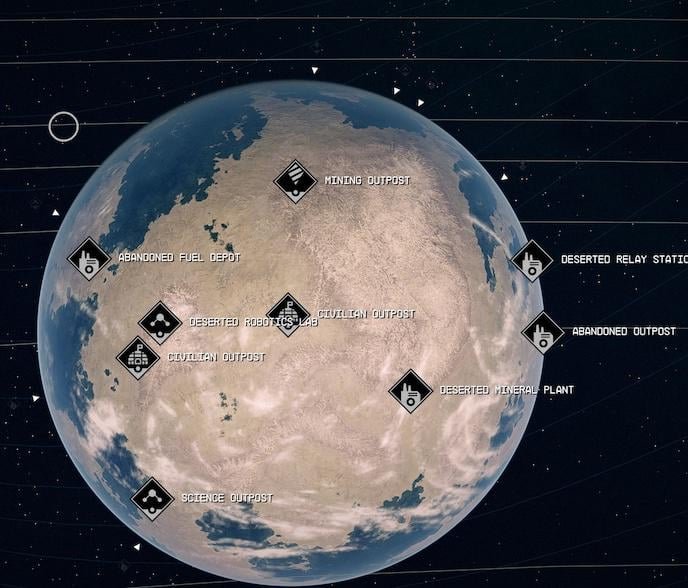
To start exploring planets effectively in Starfield, prioritize upgrading your scanner and research skills; this provides better information and resources.
Stepping onto a new world in Starfield can be daunting, so planning your initial approach is key. Many players ask about the Starfield best way to start exploring planets, and it truly lies in preparation. Knowing how to approach this vast space can make your experience much more rewarding from the beginning.
It’s tempting to rush off to every landmark but a patient start, focusing on core skills and equipment makes the early game much smoother. This allows better data gathering on planets.

Starfield Best Way to Start Exploring Planets
So, you’ve jumped into the vast universe of Starfield, and the sheer number of planets is a bit, well, overwhelming? Don’t worry! It’s a common feeling. This guide is here to help you go from a rookie space explorer to a confident planet-hopper. We’ll break down the best ways to start exploring planets in Starfield, keeping things simple and fun.
Understanding Planet Types and Biomes
Before you just land anywhere, it’s good to know that not all planets are the same. Starfield has a lot of different kinds of planets, each with its own stuff. Knowing what to expect will make your exploration much better. Think of it like this: you wouldn’t wear a swimsuit to the North Pole, right? Same idea applies here.
Planet Types
Starfield has different types of planets, and knowing the general idea about each type can help you in your explorations:
- Terrestrial Planets: These are like Earth – rocky, with atmospheres. These can be good places to find resources and sometimes even life. Look for varied environments like deserts, forests, and mountains.
- Gas Giants: These are huge planets made mostly of gas. You can’t land on these directly, but they often have moons orbiting them that you can explore.
- Ice Planets: As you might guess, these are covered in ice. They’re often very cold and might have unique resources you won’t find anywhere else.
- Barren Planets: These are usually pretty empty, with not much going on. But even here, you can still sometimes find resources or hidden places to visit.
Biomes
Each planet is also made up of different biomes. A biome is a large area with specific weather and environment. Here are some common biomes you’ll see:
- Forests: Lots of trees, plants, and maybe some creatures. Good for finding organic resources.
- Deserts: Hot and dry, with lots of sand. Often good for mining unique minerals.
- Mountains: Rocky areas, usually with higher elevation and tougher terrain. Sometimes, you’ll find minerals at higher places.
- Swamps: Wet areas, with lots of water and mud. These can be home to unique creatures and resources.
- Ice Fields: Large areas of ice and snow. Usually very cold with unique flora and fauna.
Your First Steps: Preparing for Exploration
Now that you have a basic understanding of planets, let’s get you ready to start exploring. Good preparation can save you lots of trouble.
The Right Gear
Having the right equipment is very important for planet exploration. These items can make a difference in your safety and resource gathering.
- Spacesuit and Helmet: Make sure your spacesuit has good protection against radiation and temperature. Different planets will have different environmental hazards, so always check the planet’s information before landing. A good helmet should give you clear vision and possibly enhance your scanner range.
- Boost Pack: A boost pack allows you to jump higher and move around quickly. This is essential for reaching higher places and covering large distances easily.
- Weapons: You never know what kinds of creatures or enemies you might run into, so having the right weapon is always a good idea. A good balanced weapon is always a good choice.
- Scanner: Your scanner is used to identify resources, flora, fauna, and points of interest on a planet. This is your best friend when it comes to finding things. Make sure you scan every new item and creature you find for experience.
- Mining Tool: You need a mining tool to collect resources from rocks and other deposits.
- Med Packs: Keep some Med Packs on hand to heal yourself if you take damage.
Ship Considerations
Your ship is your home in the vast space, and you need to make sure it is ready for explorations. Before you go exploring planets, make sure that the cargo hold of your ship is enough for resource gathering.
- Fuel: Always make sure you have enough fuel to get to and from your desired locations. Running out of fuel can be a pain and will prevent further explorations.
- Cargo Space: Make sure your ship’s cargo hold has enough space to carry the resources you collect. You don’t want to leave anything behind.
- Ship Upgrades: Upgrading your ship’s systems is very important. Things like better shields, weapons and grav drives will improve your experience.
Choosing Your First Planets
With so many options, picking where to start can feel a bit daunting. Here’s how to choose good starting planets:
Following the Main Quest
The main story often guides you to planets that are good for beginners. These places are usually not very dangerous and have great resources that you can use. By following the story, you will gain experience and learn game mechanics, that will further improve your gameplay.
Look at System Information
Before travelling to any planet, use your starmap and press the planet button to see planet information. This will show you the level, resources, temperature, and hazards on that planet. It’s a good idea to start with lower level planets.
Starting Simple
Start with planets that are rated as ‘easy’ or ‘low’ level. This lets you get used to exploring without constant threats. These planets usually have plenty of basic resources and calmer environments. Look for planets that have the ‘Earthlike’ traits as a starter as they are usually safe.
Landing and the First Few Minutes
Alright, you’ve picked your planet and now you are ready for touchdown. Here is what you should be doing after landing.
Choosing a Landing Spot
When you are ready to land, the game will give you different landing locations to choose from. If you don’t choose any point, the game will simply land you at a random spot. Be sure to choose your location carefully depending on what you are after.
- Near Resources: Look for areas that show a high concentration of the resources you want. You can often see these in the landing map.
- Near Interesting Locations: Sometimes there are abandoned buildings or natural formations that show in your landing screen. Choosing these points can lead to better discoveries.
- Relatively Flat Terrain: Especially when starting out, look for flat land to avoid the need to use your boost pack all the time. Flat terrain helps in easier resource collection.
Initial Scanning
Right after landing, get your scanner out. Scan everything you see. This will show you the local resources, plant life, and any creatures nearby. This will also give you a good amount of experience points and help you level up your character.
Resource Gathering
Start gathering basic resources. These can be used to craft items and upgrade equipment. Focus on minerals like Iron, Aluminum and Copper. They are common and very useful. Here is a simple list of resources and their uses:
- Iron: Used in ship upgrades, crafting weapons and armor, building outposts.
- Aluminum: Used in crafting and outpost construction.
- Copper: Used in crafting electronics.
- Water: Used in crafting consumables and certain items.
- Flora: Many plants can be used in crafting medical items and consumable items.
- Fauna: Animal parts can be used in cooking recipes, crafting items, or just for sale.
Basic Exploration
Once you have gathered some resources, start moving around. You don’t have to go very far. It’s good practice to move around, looking at the environment and scanning anything new you find. Check all the locations nearby, and keep scanning new things that you come across.
Advanced Exploration Tips
As you get more confident with exploring planets, here are some tips to improve your gameplay:
Outpost Building
Setting up outposts can be very helpful for your long term resource collection. Pick a spot that has various resource points for the best results. Your outposts also need good protection, so it is recommended to make sure you have enough defenses. Also, make sure you have enough storage for your resources.
Learning the Map
As you play more and more you will be more familiar with the map. You will be able to locate places of interests easily as you learn the basic shapes and structure of the maps. Learning this will make the game much more fun.
Dealing with Hostile Creatures
Some planets have very hostile creatures. Be ready for fights. Use your scanner to learn the weaknesses of the creatures and utilize that in the fight. Use your boost pack to get out of the way quickly. Also, make sure you use the correct weapons.
Scanning All Flora and Fauna
Each time you scan a new item or a creature, you will gain experience points. That also gives you research data that you can use to improve various skills. So, always scan new things you find on planets.
Take Your Time
Do not rush planet exploration. Take your time and enjoy the scenery. This will make the game more relaxing and fun. Don’t feel pressured to rush things, and just relax.
Managing Your Resources
Collecting a lot of resources is one thing, but it is also very important to properly manage them.
Regularly Sell Resources
You’ll collect a ton of resources as you play. Sell the ones you don’t need to get credits that you can use to buy other items. When selling, make sure to keep some in your ship for crafting. Always sell the excess amount of resources so that you can have better storage in your ship.
Craft and Upgrade
Use your resources to craft new items and upgrade your gear. Better weapons, suits and helmets will always increase your chances of survival and exploration. Also, crafting items is a great way to earn some experience points.
Utilize the Ship Storage
Always make sure you transfer your resources to your ship storage. This will make sure you have space on your character to move quickly. Also, ship storage is very important as you will require it for building outposts.
Exploring planets in Starfield is a big part of what makes the game so awesome. Taking it slow, preparing well, and understanding the planets you’re visiting makes the process a lot more fun and rewarding. Remember to enjoy the journey, and happy exploring!
Starfield – Everything you NEED to Know Before Exploring Planets!
Final Thoughts
Focus on early quests and faction missions to gain resources and ship upgrades. This will significantly aid your initial planet explorations. Also, prioritize scanning planets thoroughly before landing; it gives you crucial data.
Choosing a starting location with varied biomes allows for diverse resource collection early. This helps in crafting and research. Remember the Starfield best way to start exploring planets involves thoughtful preparation.
Finally, always ensure your ship is fueled and your inventory is well managed. This ensures smoother travels to planets in the galaxy.

