
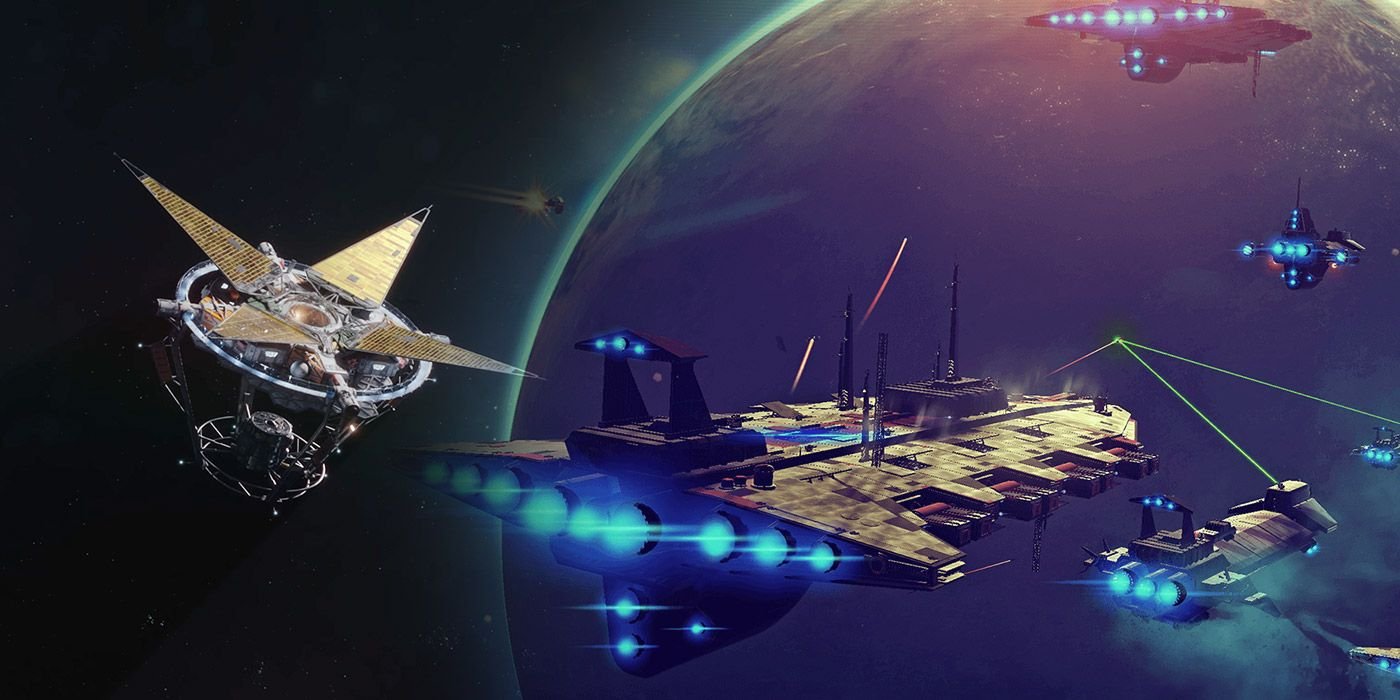
Starfield explores colonization themes through various lenses, including resource exploitation, societal structures, and the ethical dilemmas of expansion into alien environments.
The vast expanse of Starfield beckons with the promise of new worlds, inviting us to ponder the complexities of interstellar settlement. It isn’t simply about claiming territory; it delves into the intricate web of choices and consequences that come with establishing a human presence on other planets. Through gameplay, we witness the different ways humans adapt, govern, and interact with the unique environments they inhabit.
This exploration forms the core of the fascinating Starfield colonization themes explored within the game. We see how ideals clash with practicality as factions vie for control, resources become scarce, and the potential for conflict simmers beneath the surface. Starfield forces us to confront the question of what it truly means to colonize, beyond the simple act of planting a flag.

Starfield Colonization Themes Explored
Starfield, the vast space exploration RPG from Bethesda, isn’t just about blasting aliens and collecting loot; it delves deep into the complex topic of space colonization. It makes you think about what it really means to leave Earth behind and start a new life among the stars. The game presents us with different scenarios and challenges, making us ponder on the reasons behind colonization, the struggles involved, and the various ways societies can develop light-years away from home. Let’s explore these fascinating themes together.
The Drive to Explore and Expand: Why We Leave Earth
At the heart of Starfield’s story lies humanity’s inherent need to explore. Think about it: we’ve always been curious about what’s over the next hill, across the ocean, or in this case, beyond the stars. The game showcases this very human trait through the actions of its characters and the lore surrounding the settled systems.
Resource Scarcity: In the game’s universe, Earth’s resources are dwindling. This pushes humanity to look for new sources of essential materials on other planets. Finding minerals, water, and other resources is vital for survival and allows for continued expansion. We can observe it in the game through the various outposts that players can create, focused on extracting these materials.
Overpopulation: Earth is also depicted as being unable to support its growing population. Colonizing other planets becomes a necessity rather than simply an option. This theme encourages us to think about our own planet’s resources and how our choices impact them.
Scientific Curiosity: Starfield also emphasizes the pure desire to learn. Scientists in the game are fascinated by the mysteries of space and are eager to study alien life, explore unknown worlds, and unravel the secrets of the universe. This scientific curiosity motivates many to take the leap into the unknown.
The Dream of a New Beginning: For some, colonization represents the chance to escape a difficult past or build a better future. The game shows us characters who want to leave the problems of the old world behind and create a fresh start on a new planet, fostering new kinds of societies.
The Challenges of Settling New Worlds
While the dream of space colonization seems grand, Starfield doesn’t shy away from showcasing the hardships involved. It’s not all smooth sailing when setting up shop in a distant star system.
Environmental Hazards and Adaptations
Unforgiving Climates: Many planets in Starfield have extreme weather conditions that make them difficult to inhabit. From freezing temperatures to scorching heat, colonists have to adapt or use technology to survive. The game provides us with various solutions through different armor suits and habitat designs.
Toxic Atmospheres and Alien Life: Some planets have poisonous air or are home to dangerous creatures. Colonists must contend with these threats and find ways to protect themselves and their settlements. This introduces the need for protective measures and a greater understanding of local flora and fauna.
Terraforming Challenges: The idea of changing a planet’s environment to make it suitable for human life, known as terraforming, is something we see through the in game universe and sometimes player can also implement this through their outposts. However, the game does show that this is an exceptionally difficult and very time-consuming process, requiring significant resources and technology.
Social and Political Conflicts
Conflicts Over Resources: As different factions compete for precious resources, tensions arise. Battles can erupt over who controls mining operations, prime locations, or alien artifacts. Players get to experience these conflicts firsthand and make their own decisions on who to support.
Ideological Differences: The game explores different ideas about how new colonies should be run. Some groups believe in freedom and self-determination, while others favor centralized control. These differing ideologies can lead to social unrest and even full scale war.
Moral Dilemmas: Colonists sometimes face difficult decisions when it comes to how to handle local life or what sacrifices must be made for the good of the colony. Players are often placed in situations where they have to make choices with potentially life changing consequences.
Different Approaches to Colonization
Starfield presents us with diverse perspectives on how to colonize space. No single method is presented as the best; instead, the game invites us to think about the pros and cons of each one.
The Corporate Approach
Profit-Driven Colonization: Some colonies are primarily operated by large corporations focused on resource extraction and profit. In these settlements, human labor and well being sometimes take a back seat to production. This approach showcases the potential negative consequences of unchecked corporate power and the exploitation of resources.
Standardized and Efficient: These corporations focus on efficiency and mass production, often using advanced technology and automated systems. While these colonies are often well-organized, they can also be impersonal and lack cultural vibrancy.
The Independent Settlers
Freedom and Self-Reliance: Some groups prefer to settle on their own terms, building small, independent communities focused on self-reliance. These colonies might emphasize local cultures, sustainability, and a closer connection with the natural environment.
Challenges of Isolation: These independent settlements often have fewer resources and face unique problems, like isolation and dangers from wildlife. This theme explores the hardships of starting over and the importance of community.
The Military and Government Colonies
Order and Control: Some colonies are established by military or governmental organizations, with a focus on order and control. These settlements often prioritize security and strategic objectives, and they are under strict rule with little individual autonomy.
Protection and Stability: These colonies offer the advantage of security and stability, with strong protection from external and internal threats, they can however stifle personal freedoms.
The Question of Identity and Culture
Leaving Earth also raises important questions about who we are and what cultures we bring to new worlds. Starfield gives us various examples of how this works.
Preserving Earth’s Heritage
Maintaining Traditions: Some colonists try to recreate elements of Earth culture on new planets, building museums, teaching their history, and maintaining cultural practices. This demonstrates the human desire to preserve our past and how we use culture to create a sense of continuity.
Challenges of Adaptation: Maintaining Earth traditions can be hard when adapting to a new environment. Colonists might find it necessary to change these traditions over time to make them relevant to their new circumstances.
Developing New Cultures
Hybrid Cultures: In many settlements, new cultures emerge that mix Earth traditions with local adaptations. These new cultures reflect the planet’s environment and the interactions between people from different backgrounds. This shows us that culture is not static, it constantly adapts.
Loss of Connection: The game also explores the risk of people losing their connection with Earth culture as they become more integrated into their new environments. This presents an interesting question of how far we can go into a future away from Earth while still staying connected to our roots.
Ethical Considerations of Space Colonization
Starfield also asks important ethical questions about how we should approach space colonization. The game doesn’t shy away from the moral implications of our actions.
Interacting with Native Life
Preserving Alien Species: Should we interfere with the planets unique ecosystems? The game asks how should humanity interact with alien life? Should we leave it untouched? Or should we use their resources? Starfield emphasizes that we should take a cautious approach and the need to consider the well being of the whole ecosystem.
Conflicts and Compromises: Sometimes colonists must choose between their own needs and the preservation of native species. Players might face situations where they need to decide between the survival of their colony or the preservation of alien habitats.
Resource Exploitation and Sustainability
Responsible Resource Management: Should we just extract everything from a planet or find sustainable ways to use its resources? This is an important question in Starfield and it’s important for us too. The game shows the effects of unchecked exploitation and pushes us to think about sustainable practices.
Long-Term Consequences: Colonizing space has long term consequences that we have to think about. The game makes us think about how our actions in the present impact future generations and also if it’s even right to deplete planets to expand.
The Legacy of Space Colonization
Starfield makes us consider the legacy we are creating as we reach the stars. What will people say about us a thousand years from now? What kinds of societies and stories will we create among the stars?
Building a Future: The game highlights the potential for humanity to build a better future in space. By making smart choices and working together, we can create sustainable and thriving societies.
Learning from Mistakes: Starfield also shows the consequences of past mistakes. We need to learn from history and make sure we don’t repeat the same mistakes as we go into the future.
In essence, Starfield is more than a game; it’s a thought experiment. It pushes us to think about the complexities and possibilities of space colonization. By exploring the different motivations, challenges, and ethical considerations, the game provides a valuable lens through which to consider our place in the universe. The choices we make within the game, and the themes it presents, might even inform our real-world understanding of what it means to be an explorer on the cosmic frontier. It’s about more than just reaching the stars, it’s about who we become when we get there.
State of the Galaxy In Starfield | Overview, Factions, & History
Final Thoughts
Starfield colonization themes explored encompass the push and pull between technological advancement and humanity’s ethical considerations. The game presents varied planetary environments, each posing unique challenges and reflecting different approaches to expansion. It shows the tensions arising when individuals and corporations establish new settlements.
This exploration highlights potential conflicts between exploration, resource extraction, and preservation. Ultimately, the core of game emphasizes the complex and often morally grey choices that come with pushing into the cosmic frontier. Starfield colonization themes explored make players think about what it truly means to settle new worlds.

