
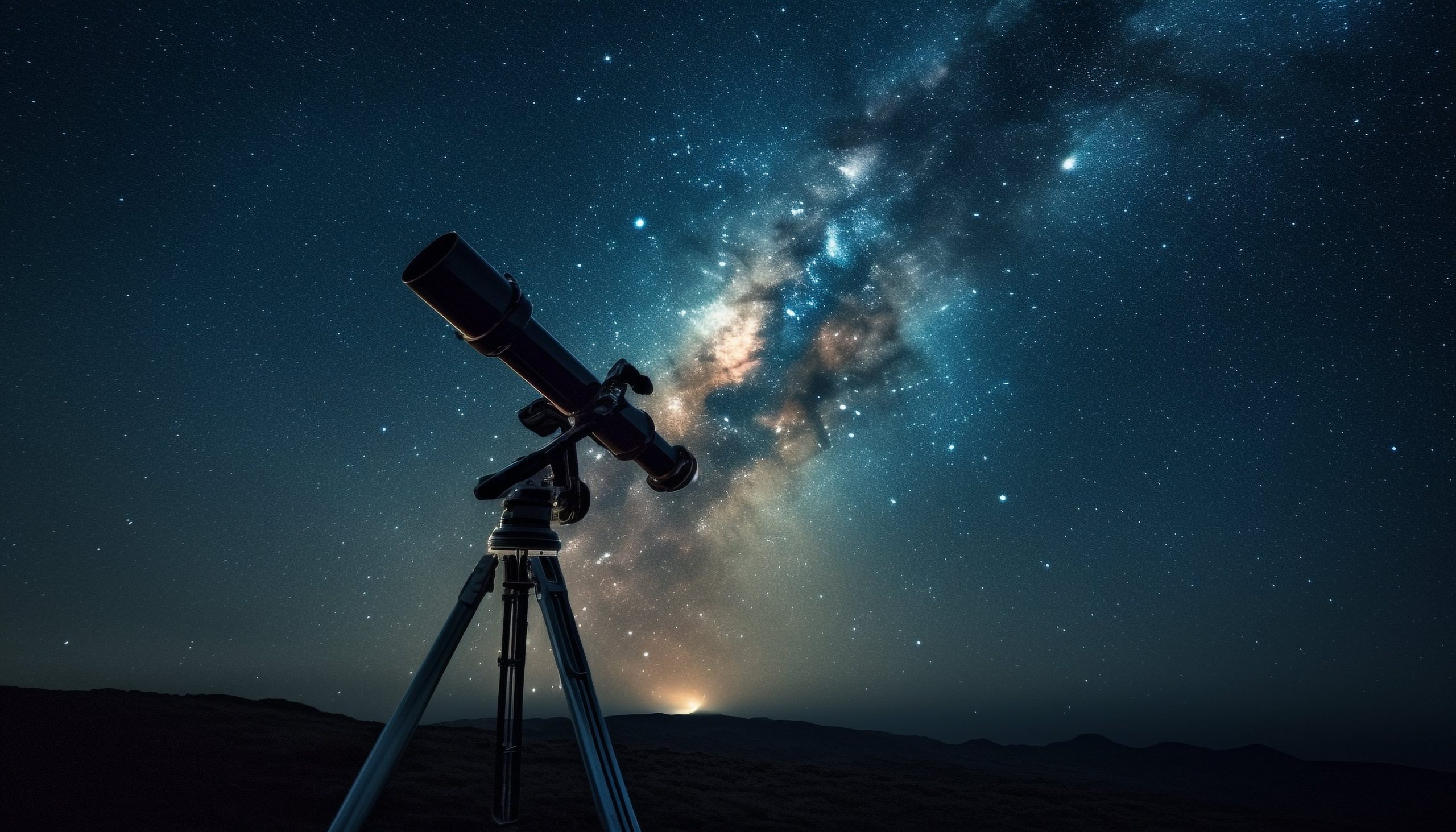
Starfield exploration of space science presents a fictional yet engaging experience, allowing players to engage with concepts of astrophysics and planetary science within a simulated environment.
Have you ever wondered what it would be like to actually travel between stars and visit different planets? Starfield exploration of space science gives us a glimpse into that, even though it’s through a game. Players interact with various celestial bodies, using in-game scientific tools that are simplified yet rooted in actual scientific principles. This provides an engaging way to learn about some very complex concepts, such as gravity and different atmospheric conditions. It’s really neat how they’ve integrated elements of space science into a playable format!

Starfield Exploration of Space Science
Okay, space explorers, let’s dive deep into the incredible world of Starfield and how it lets us play with some really cool ideas from space science! This isn’t just about shooting lasers and finding cool spacesuits (though, let’s be honest, that’s a lot of fun too). Starfield actually gives us a chance to think about real-world science concepts in a super engaging way. We get to be mini-astronauts and scientists all rolled into one, journeying through the galaxy. Get ready, because we’re about to explore some amazing space science ideas right from the comfort of our gaming chairs!
Understanding Gravity in Starfield
First up, let’s talk about gravity. You know, that thing that keeps us from floating away? In Starfield, gravity isn’t just some background force; it’s something you actively feel and interact with.
Varying Gravity on Different Planets
Did you notice that jumping feels different on some planets? That’s because each planet and moon in Starfield has its own gravity. A planet with a lot of stuff packed together, like a super heavy rock, has strong gravity. This means you’ll jump lower and feel heavier. But a small moon or asteroid, with not much stuff inside, has weak gravity, letting you jump super high! This is exactly how it is in space, and Starfield does a pretty good job showing us.
Strong Gravity: Planets with lots of mass, making you feel heavier.
Weak Gravity: Smaller bodies with less mass, letting you jump high.
Zero Gravity: Some areas, like inside space stations, allow you to float freely.
Impact of Gravity on Gameplay
This change in gravity isn’t just for show; it actually changes how you play. Jumps will feel different, making exploration a fun challenge. You’ll need to use jetpacks differently on various surfaces. Knowing how gravity affects you will help you navigate each location more effectively, and it makes you think like an astronaut!
The Concept of Habitable Zones
In Starfield, you’ll come across planets that are either comfy, kind of comfy, or just plain unlivable. This is tied to the concept of the habitable zone, sometimes called the “Goldilocks Zone.”
What is a Habitable Zone?
A habitable zone is the area around a star where the temperature is just right for liquid water to exist on a planet’s surface. Why is this important? Well, as we know it, water is essential for life! Planets too close to their star are scorchingly hot, boiling away any water. Planets too far are icy and frozen solid. But those in the habitable zone? They have a shot at maybe having oceans, rivers, and even life as we know it. Starfield shows us this by offering different types of planets, some with breathable air and others that need special gear.
Starfield’s Interpretation of Habitable Zones
Starfield lets us explore planets inside and outside of these habitable zones. You’ll find lush, green worlds that remind you of Earth, and then you’ll find barren, icy or fiery rocks with extreme temperatures. This shows us that not all planets are equal. This idea is straight out of astronomy. The game forces you to think about temperature and environments, just like scientists do when they search for potential life out there.
The Challenge of Resource Management in Space
Space travel isn’t a simple road trip. It needs lots of resources, which are definitely a challenge in Starfield.
Fuel and Energy Sources
Your ship needs power to travel between star systems, and it takes fuel. You can’t just go on a drive; you must plan. Starfield makes us think about these things, because you must manage your ship’s fuel and power levels. You’ll often have to plan your trips to make sure you don’t run out of juice in the middle of nowhere. You may even have to scavenge for resources to create more fuel, just like real-world space exploration does!
Gathering Resources on Alien Worlds
Resource management isn’t just about fuel. You need to collect materials to craft gear and build outposts. On various planets, you have to mine different resources and transport them to your base. This is very similar to how future space colonies might actually function. The game is not just fun but is a great learning tool, making us aware of all the challenges and requirements of space exploration.
Understanding the Vastness of Space
Starfield gives us a taste of how incredibly huge the universe really is. You don’t just move from one spot to another, you travel huge distances.
The Scale of Star Systems and Galaxies
The sheer number of star systems and planets in Starfield makes you feel very small. Each system has its unique look and feel. The distances between these systems are vast, even using advanced warp drives. It’s not just like jumping around the corner; we’re talking about huge cosmic journeys. The game uses this to its advantage to illustrate a point about the real universe. There are millions of galaxies that extend beyond our own, each with billions of stars and planets.
The Travel Time and Distances in Starfield
Travelling from planet to planet takes time, but traveling from star to star can take much more. This travel is not instantaneous, making you aware that space is not just another place, but it also provides an idea of the true scale of the universe. Real space travel also involves such immense distances and time, and it’s important for us to be aware of the scale of the universe and the challenges that go with it, which Starfield helps us understand.
Exploring Alien Life (Or The Lack Thereof)
One of the biggest questions about space is, “Are we alone?” Starfield touches on this by letting you explore a variety of planets, some with life, and some without.
Finding Different Forms of Alien Life
While you may not encounter complex alien civilizations everywhere you travel, Starfield does have a diversity of different alien creatures to find. Some planets are teeming with strange creatures, while others are completely barren. You will see a diverse range of flora and fauna, but most of them are completely unique to each planet. This is like how scientists explore the idea that if alien life exists, it might look very different from us. The game makes you think about the different ways that life might have evolved on other planets, given different environmental conditions.
The Search for Habitable Planets
In the game, you can actually scan planets to find out their conditions. You are also looking for signs of life or potential habitable conditions. This is exactly what real astronomers and astrobiologists are doing. They use telescopes to look for planets that might be able to support life, and then analyze their compositions. The search for potentially habitable planets is a major driving force in real-world space exploration, just like in Starfield.
The Role of Technology in Space Exploration
Space travel is completely dependent on advanced technology, and Starfield showcases this idea perfectly.
Spaceships, Jetpacks, and Other Gadgets
In Starfield, spaceships are not just your way of getting around; they’re your mobile homes and labs. You can customize them, you can add better gear, and you can travel anywhere in the game. You also have jetpacks, which are critical for getting around in low-gravity conditions. These kinds of technologies are based on real space technology. Space exploration is actually reliant on such technology. The game gives you a sense of the kinds of things you would need to make such explorations a reality.
Future Technologies in Starfield
The game also features technologies that are still hypothetical in the real world, such as advanced grav drives for travel. While we do not currently have such technology, they are based on theories scientists have about possibilities for future travel. Starfield allows us to visualize those concepts and think about what might be possible if technology continues to advance.
The Scientific Method in Starfield
Believe it or not, Starfield also encourages you to use a bit of the scientific method.
Exploring, Observing, and Recording Data
As you explore the various planets, you’re constantly observing your surroundings, collecting resources, and scanning different things you encounter. You’re gathering data, just like a scientist. Scientists on Earth and in space do the same; they carefully observe the world around them and record their findings.
Analyzing Findings
You also analyze your findings to make improvements, discover new resources and make your exploration more efficient. This process of observing, collecting data and figuring things out is very similar to the scientific method. The game subtly teaches us that exploring space is not just about wandering around; it’s about carefully studying the universe around us and learning as much as possible.
Ethical Questions in Space Exploration
Finally, Starfield even touches on some big ethical questions related to space exploration.
The Impact on Alien Ecosystems
As you travel to different planets, you have to think about your impact on them. Mining resources can change the landscape, and introducing new species can disrupt delicate ecosystems. The game does not always have a right or a wrong answer, and this is meant to make you think critically about our relationship with the wider universe.
How do we treat Alien Life?
If we find other life forms in the universe, how should we treat them? This is one of the big questions that Starfield wants you to think about, even though it doesn’t have a clear answer. Should we leave them alone, or should we try to communicate with them? The game allows you to explore these questions, and to think about the ethics of space travel, just like real scientists and ethicists do.
Starfield isn’t just a fun video game; it’s an incredible way to think about real-world science. It takes ideas from astronomy, biology, physics, and ethics, and makes them engaging. Playing it gives you a taste of what space science is all about and might just spark a little curiosity about the universe around us.
Playing Starfield is like having a giant, interactive science lesson, letting you feel the challenge and excitement of space exploration, all from your very own spaceship. You get to be the astronaut, scientist, and explorer, making decisions that shape your journey across the stars. It makes you think about everything from gravity and resource management to the search for life beyond Earth. That’s why Starfield is more than just a game, it’s an adventure into the heart of space science.
The Real History of Starfield | Space Exploration
Final Thoughts
Starfield exploration of space science presents players with a vast playground to learn and experiment within a fictional universe. The game allows us to consider different approaches to resource management and encounter varied alien environments. Players actually engage with some concepts that are related to real space research.
The game pushes boundaries with its interactive elements. Its engaging story promotes critical thinking about future space scenarios. Gamers can delve into fictional scientific challenges, providing entertainment and maybe a glimpse into possibilities. Starfield exploration of space science makes learning fun.

