
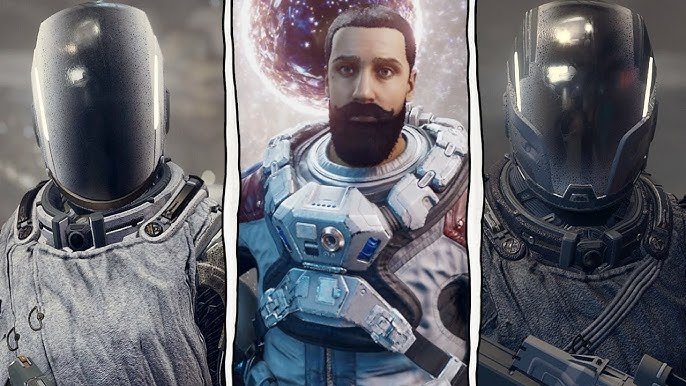
Starfield’s endings vary based on player choices, leading to either a universe-altering sacrifice or a continuation of the cycle. The ‘good’ ending typically involves a selfless act, while the ‘bad’ endings often result from prioritizing personal gain or inaction, demonstrating the impact of your decisions.
Delving into the cosmos of Bethesda’s latest RPG, we find a galaxy shaped by player choices, particularly when it comes to the game’s conclusions. Understanding the nuances of Starfield good and bad endings analysis proves crucial for appreciating the true scope of the narrative. Player actions genuinely dictate the fate of the universe and the cycle itself.
The game does not present a clear cut ‘good’ versus ‘bad’ scenario. Instead, shades of grey blur the lines between player ambitions and the implications of those actions. This analysis provides an in depth look at the various paths.

Starfield Good and Bad Endings Analysis
Starfield, Bethesda’s massive space RPG, offers players a vast universe to explore, complete with a main story that has multiple paths and, most importantly, different endings. These endings aren’t just about the final cutscene; they reflect your choices throughout the game. Let’s break down the various conclusions you might reach and what makes them “good” or “bad.” It’s not always as simple as black and white, and much of it depends on how you see the universe and your role within it.
Understanding the Core Choice: The Unity
The central conflict in Starfield revolves around the concept of the Unity, a mysterious artifact that promises something beyond our current understanding of reality. The game’s main quest line takes you on a journey to gather the pieces of this artifact and eventually, you must decide whether or not to step into it. This decision is the ultimate branching point that leads to different endings. Before we go deeper into the analysis of the endings, we need to understand what the unity actually is, the unity is a gateway to another dimension, another reality, It’s a very hard concept, but let’s break it down further.
What is The Unity?
Imagine that you are playing a video game, and you reach the end, the developers give you a choice to restart the game, but this time, you get to keep some items, abilities that you achieved in your previous run. This concept is kinda same as The Unity. When you enter the unity, you become a “Starborn”. You start the game again, in the same universe, but you have access to special items, abilities, and can make new decisions in the universe. This idea is very close to the concept of new game+ in most video games.
- New Beginnings: stepping into unity means restarting the main story with some powers, items, and knowing all of the previous events.
- Alternate Realities: Each time you go through the Unity, you enter a slightly different version of the universe. It means that your past choices and events can be very different this time.
- Power and Knowledge: Starborn gain new powers and knowledge, meaning they get stronger and more aware of reality’s structure.
The “Good” Endings: Exploring Different Perspectives
Defining a “good” ending in Starfield is subjective. What one player considers good, another might find questionable. Generally, “good” endings involve the player making choices that preserve and improve the current state of the universe, without sacrificing the well-being of others. The endings that most players consider “good” often center around rejecting the Unity itself.
Rejecting The Unity
Choosing to refuse to enter the Unity is often considered a “good” ending. This choice means that you remain within the current universe and continue your life as the same person. While you might miss out on some of the powers and benefits of becoming Starborn, you actively choose to live within the reality you helped shape.
Why This is Seen as a Good Ending
- Preservation of Relationships: You don’t leave your friends and relationships behind. You remain with your crew and help them grow.
- Legacy of Actions: The impact of your actions in the game continues to matter in the same universe. You live with your choices and get to see the results of your deeds.
- Focus on the Present: You don’t abandon the current universe, rather, you focus on making this universe a better place.
Continuing Your Life in This Universe
When you choose to reject The Unity, you get to go back to your ship, with your crew, and you can keep on exploring the vast universe. You can go back to the places that you have visited and help others, you can still complete all of your side quests that you didn’t complete, and most importantly, you get to keep all the things that you have worked so hard for, like your favorite spaceship, or the outpost that you spent hours on.
- Free to Explore: After rejecting the Unity, you can continue playing, explore planets, do side missions, and continue to help the people.
- Continue Building: You can build more outposts, upgrade your ship, and do anything else that you like in the game.
The Unity’s Call: A Different Kind of Good?
While rejecting the Unity is often seen as the “good” choice, entering the Unity, while starting a “New Game+”, isn’t necessarily “bad.” It just comes with a very different outlook on the world. Some may see this choice as a quest for understanding, enlightenment or a way to improve the entire cosmos. Some may find joy in re-shaping a new universe.
A Quest for Knowledge
- Cosmic Understanding: Entering The Unity opens the player to new dimensions and understanding of the universe.
- New Perspective: A new playthrough allows you to experience a new reality, with a new outlook.
The “Bad” Endings: The Pitfalls of Starborn
The “bad” endings in Starfield are typically associated with choices that prioritize personal gain over the well-being of others, or actions that lead to negative consequences for the universe and its people. These endings often explore the more selfish aspects of the human condition, as well as the consequences of too much power.
The Cycle of Power: Becoming a Starborn
While gaining cosmic powers from the unity might seem like a good idea, constantly going through unity could be interpreted as a selfish choice. Becoming a Starborn means that you are leaving behind the people and events in your past. Every time you enter the Unity, you leave your old life and create a new one. In a sense, you leave your relationships and your deeds behind and that could be interpreted as selfish or “bad.”
- Abandoning Relationships: Leaving your friends and companions behind, could make a lot of people feel bad, as you are just abandoning them for your own personal benefit.
- Forgetting your Legacy: Your past choices and deeds in the game will become less meaningful as you always go to a new universe.
The Dark Side of Power
The power that Starborn possess can be corrupting. Starborn can use their knowledge to influence events in their universe. The new powers that they get, and the knowledge that they possess can be used to harm others or make selfish decisions. This can have far-reaching negative consequences for other characters.
- Manipulation and Control: The power of Starborn can be used to control or manipulate the world.
- Selfish Actions: Starborn can prioritize their own goals over the well-being of others, which can make the world a dark place.
The Gray Areas: Morally Ambiguous Choices
Starfield excels at presenting players with choices that aren’t always clear-cut. Many decisions fall into a gray area, where the consequences of actions are complex and can have both positive and negative outcomes. It’s up to the player to decide how to balance their own personal goals with the needs of the universe.
The Hunter’s Perspective
One of the major recurring characters in the game, the Hunter, encourages players to go through the unity and become a Starborn, he may not be presented as a bad character, but his obsession with the Unity and his perspective about using the powers for his own personal goals and ambitions is clearly not the “good” choice. He may not be a “bad” guy, but his way of life and philosophy is morally questionable.
- Obsession with Power: The Hunter is obsessed with going through the Unity multiple times. He does not have compassion for others.
- The cycle of Rebirth: The Hunter believes in the cycle of going through the Unity and becoming more powerful with each rebirth, making him a morally gray character.
Analyzing Specific Endings: A Deeper Dive
It’s worth noting that the actual ending cutscene changes only slightly based on your choices. However, your feelings towards that ending, and how you perceive your character’s journey may vastly differ depending on the choices you have made in the game, in terms of which faction that you joined, your relationships with the characters, and how you played the game as a whole. The actual end cutscene is always going to be the same, but the real meaning of the ending will be much different to all the players, depending on the choices and the actions made in game.
The Impact of Faction Choices
The various factions in Starfield, such as the United Colonies, Freestar Collective, Ryujin Industries, and the Crimson Fleet, each present different moral challenges and goals. Your choices within these factions will affect how you see your journey and the meaning behind it. Joining the Crimson Fleet might make your character seem more ruthless, even if they don’t enter the Unity. While focusing more on the good of others, like joining the United Colonies, might make your ending seem much more positive.
- United Colonies: A focus on law and order might lead to an ending where you feel like you have made the universe a safer place.
- Freestar Collective: Choosing freedom and independence might make you feel as though you are protecting the people from tyranny.
- Ryujin Industries: Working with corporations might make you see yourself as more neutral, or perhaps someone who’s manipulating the world for good reasons.
- Crimson Fleet: Choosing to live life as a pirate may lead to a feeling of “bad” ending, even if you don’t go through the Unity.
The Importance of Character Relationships
The relationships that you forge with the companions on your journey also influence your final ending. Your choices and actions will affect the way you see them, and the way they see you, and this directly affects your perception of a good or a bad ending. Choosing to be compassionate and helpful to them may give your ending a positive feeling, even if it’s the same ending as someone who treats their companions poorly.
- Loyal Companions: Making good relationships with your companions makes your choice to remain in the universe a more positive one, as you have people who are loyal and will help you out.
- Left Behind: Choosing to enter the unity may feel like you are leaving your friends and companions behind, which makes it a less desirable outcome.
Final Thoughts: It’s All About Perspective
Ultimately, whether you see Starfield’s endings as “good” or “bad” is a very personal thing. The beauty of the game lies in the freedom it gives you to make your own choices and shape your own story. There is no simple right or wrong answer, and the game encourages you to reflect on the implications of your decisions. What matters most is what you get out of your own journey through Starfield’s universe.
Starfield’s endings are a reflection of the choices that you made throughout the game. There is no true “good” or “bad” ending, it is all up to the player. What may seem bad for one person, may be an acceptable choice for another. The different types of endings encourage different playthroughs, as you explore the vast universe and create your own unique stories in the world of Starfield.
Is Starfield's Missing Link a 20-Year-Old Game? A Comparative Analysis with Freelancer
Final Thoughts
Starfield’s endings vary significantly, impacting player perspectives. A “good” ending often emphasizes unity and understanding, while a “bad” one might involve sacrifice or significant loss. The game’s choices heavily influence these results.
Analyzing ‘Starfield good and bad endings analysis’ reveals that player agency is a key element. Your decisions shape the narrative’s conclusion. Ultimately, your actions determine the galaxy’s fate. The narrative arc must resonate to achieve satisfaction.

